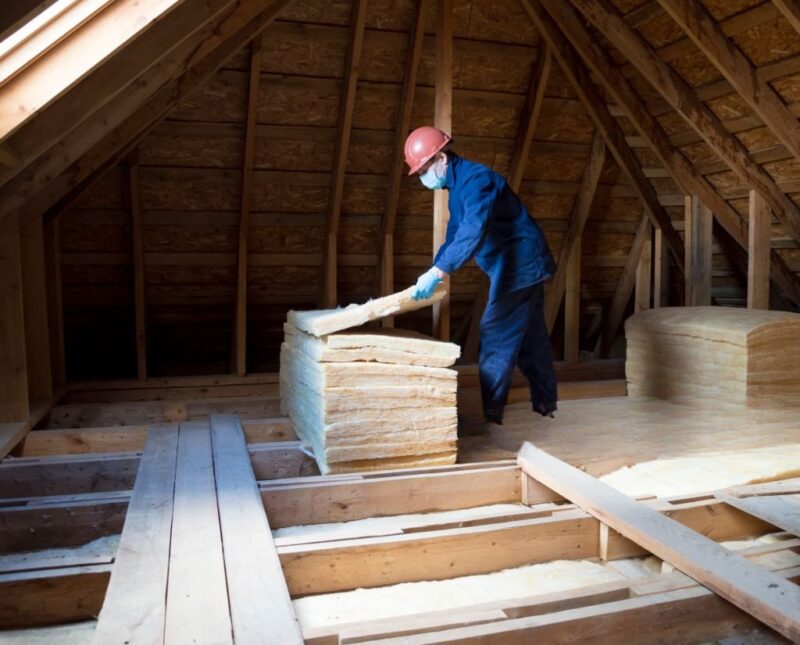


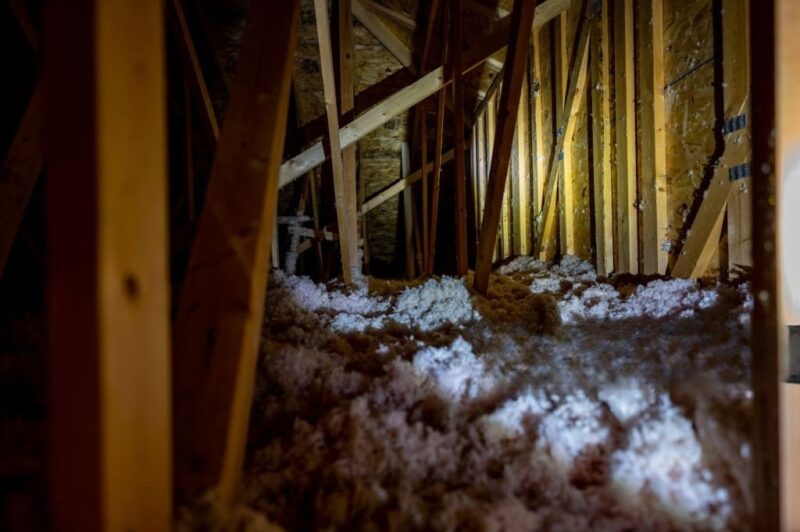
Mold-like growth in an attic often indicates that excess moisture is present somewhere in the space. Roof or plumbing leaks, humid air, condensation, uncontrolled air leakage from the living area, improperly routed bathroom exhaust, and ventilation problems can all contribute to conditions that may support mold growth. When attic insulation becomes wet or contaminated, its condition and thermal performance may also be affected depending on the insulation material and the extent of moisture exposure. Simply covering affected areas with new insulation does not address the underlying moisture source and can make existing problems more difficult to identify later.
For Florida homeowners, attic moisture deserves particular attention because warm temperatures and high outdoor humidity can complicate how moisture is managed within the attic. Adding more insulation or increasing ventilation is not automatically the solution, especially when roof leaks, damaged ductwork, air leakage, or other moisture sources are involved. In this guide, we’ll explain how moisture and suspected mold can affect attic insulation, common conditions that contribute to attic mold, warning signs homeowners can watch for, when affected insulation may require further evaluation or replacement, and steps that can help reduce the likelihood of moisture problems returning.
Why Mold Can Develop in an Attic
Mold growth requires suitable environmental conditions, including moisture and a surface that can support growth. Attics can be exposed to moisture from several sources, ranging from direct water intrusion to humid air and condensation. Identifying where the moisture is coming from is an important first step because adding insulation, ventilation, or other attic improvements without correcting the source may allow the problem to continue.
Roof Leaks and Water Intrusion
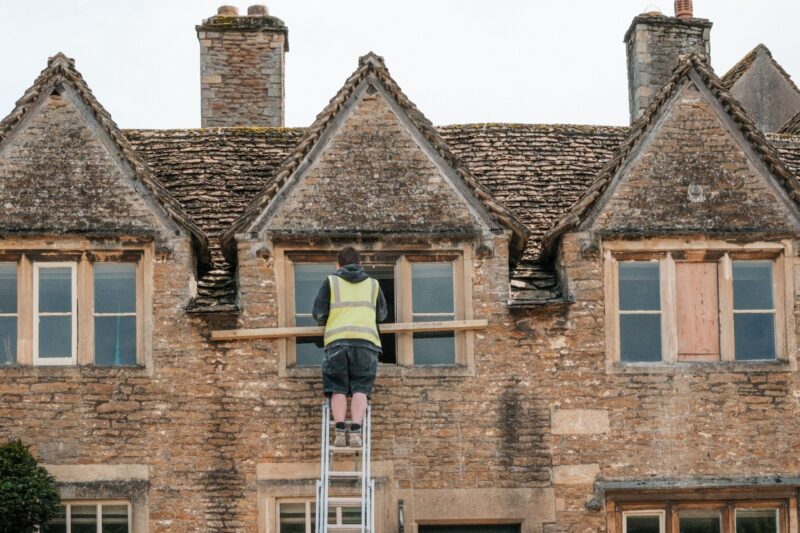
Damaged roofing, flashing, seals around roof penetrations, or other openings can allow rainwater to enter the attic. Water stains, damp roof sheathing, discolored framing, or wet insulation may indicate a current or previous leak. Roofing problems should be appropriately repaired before affected insulation is replaced or additional insulation is installed.
Plumbing Leaks
Plumbing lines or connections located in or near the attic can become another source of moisture. Even a relatively small leak may repeatedly expose insulation, framing, or ceiling materials to water. If plumbing is suspected, the source should be identified and repaired, and affected materials should be evaluated for moisture damage before insulation work continues.
High Humidity and Condensation
Humid air can contribute to condensation when it encounters surfaces cold enough for moisture to form. In Florida’s hot and humid climate, moisture conditions can be influenced by outdoor air, air leakage, HVAC operation, ductwork, and the attic’s overall design. Condensation should be investigated rather than assuming that adding more ventilation will automatically solve the problem.
Air Leakage From the Living Space
Uncontrolled air can move between conditioned rooms and the attic through gaps around wiring, plumbing, attic hatches, duct chases, framing connections, and other ceiling penetrations. This air movement can transport moisture into the attic and affect conditions around cooler surfaces. Appropriate air sealing can help limit unwanted air exchange while preserving required clearances and the attic’s intended ventilation strategy.
Bathroom Exhaust Venting Into the Attic
Bathroom exhaust contains moisture that should terminate through an appropriate exterior outlet rather than intentionally discharge into the attic. Disconnected, damaged, or improperly routed exhaust ducts can release humid air around insulation, roof sheathing, and framing. Correcting the exhaust route addresses the moisture source more directly than relying on attic ventilation to disperse it.
Attic Ventilation Problems
In a conventional vented attic, blocked soffit vents, damaged baffles, obstructed exhaust openings, or an improperly configured ventilation system can interfere with the attic’s intended airflow. However, more ventilation is not always the answer, particularly in humid climates where outdoor air can carry substantial moisture. The existing attic design should be evaluated before adding vents or changing its ventilation strategy.
HVAC and Ductwork-Related Moisture
HVAC equipment and ductwork located in the attic can contribute to moisture concerns when condensate drainage problems, damaged duct insulation, air leakage, or condensation are present. Cold duct surfaces exposed to warm, humid air may develop condensation under certain conditions. HVAC and duct problems should be evaluated and corrected separately rather than expecting additional attic insulation to resolve them.
How Mold Can Affect Attic Insulation
Mold-like growth and moisture problems can affect attic insulation differently depending on the material, severity of exposure, and length of time the area remains damp. In many cases, the larger concern is not simply what is visible on the insulation but why excess moisture is present in the first place. Evaluating both the insulation and the surrounding attic conditions can help determine what needs to be cleaned, removed, repaired, or replaced.
Moisture Can Reduce Insulation Performance
Insulation works best when it remains in the condition and configuration for which it was designed. Significant moisture exposure can affect certain insulation materials and may reduce their ability to provide consistent thermal resistance. The extent of the impact depends on the insulation type, how wet it became, and whether it can dry appropriately without remaining damaged or contaminated.
Wet Insulation Can Become Compressed or Matted
Some insulation materials can settle, clump, compress, or become matted after significant water exposure. These changes may create uneven coverage or reduce the material’s effective thickness, potentially lowering thermal performance in affected areas. Wet insulation should be evaluated rather than simply allowed to dry and assumed to perform as it did before.
Contamination Can Affect Whether Insulation Should Remain
Insulation exposed to suspected mold growth or other contamination does not automatically require complete attic-wide removal. The appropriate response depends on the insulation material, extent of contamination, moisture exposure, and condition of surrounding materials. Significantly affected areas may require removal or professional remediation, while unaffected insulation elsewhere may be suitable to remain.
Mold May Indicate a Larger Moisture Problem
Visible mold-like growth can be a symptom of an underlying moisture issue rather than an isolated insulation problem. Roof or plumbing leaks, condensation, air leakage, improperly routed exhaust ducts, and other conditions may contribute to excess moisture. Identifying and correcting these sources is important for reducing the likelihood of the problem returning after insulation work is completed.
Covering Affected Insulation Does Not Fix the Cause
Adding fresh insulation over wet, damaged, or contaminated material does not repair a leak, control condensation, or correct another underlying moisture source. It may also conceal affected areas and make future inspection more difficult. Moisture sources and suspected contamination should be appropriately evaluated and addressed before additional attic insulation is installed.
7 Signs of a Possible Mold or Moisture Problem in Your Attic
1. Musty or Unusual Odors
A persistent musty or earthy odor near the attic access or in rooms below may indicate damp materials or another moisture-related condition. Odors alone cannot identify mold or determine their source, so the attic should be inspected for leaks, wet insulation, condensation, or other potential causes.
2. Visible Discoloration or Mold-Like Growth
Dark, white, greenish, or otherwise unusual discoloration on roof sheathing, framing, insulation, or other surfaces may warrant closer evaluation. Not every stain or discolored area is mold, and appearance alone may not reliably identify the substance. Suspected growth should be evaluated appropriately, particularly when accompanied by evidence of moisture.
3. Wet, Damp, or Matted Insulation
Insulation that feels damp, appears matted, has clumped together, or shows signs of water exposure can indicate a current or previous moisture problem. Depending on the insulation material and severity of exposure, moisture can affect its condition and thermal performance. The source should be identified before affected insulation is covered or replaced.
4. Water Stains on Roof Sheathing or Framing
Stains or discoloration on roof decking, rafters, trusses, or other framing can indicate past or active water intrusion. Possible sources include roof leaks, condensation, or moisture entering around roof penetrations. Because older stains may remain after a problem has been corrected, further evaluation may be needed to determine whether moisture is still present.
5. Condensation on Ductwork or Other Surfaces
Visible water droplets or recurring dampness on ductwork, pipes, fasteners, or other attic surfaces may indicate condensation. This can occur when humid air contacts a sufficiently cool surface and may be influenced by damaged duct insulation, air leakage, or other attic conditions. The cause should be investigated rather than assuming additional attic insulation alone will correct it.
6. Ceiling Stains Below the Attic
Brown, yellow, or otherwise discolored areas on ceilings beneath the attic may indicate water traveling from a roof leak, plumbing problem, HVAC condensate issue, or another moisture source. Ceiling stains do not automatically indicate mold, but they are a reason to investigate both the attic and the affected ceiling area.
7. Rust or Corrosion on Attic Components
Rust or corrosion on metal fasteners, HVAC components, electrical enclosures, or other attic materials can sometimes indicate repeated or prolonged moisture exposure. While corrosion can have several causes, widespread or recurring signs may warrant investigation of attic humidity, condensation, or water intrusion to determine whether an underlying moisture problem is present.
How Moisture Affects Attic Insulation
Attic insulation is designed to provide thermal resistance, but significant moisture exposure can change its condition and performance. Roof or plumbing leaks, condensation, humid air, and HVAC-related moisture can affect insulation as well as nearby framing and roof materials. When wet insulation is discovered, identifying and correcting the moisture source should come before simply adding or replacing insulation.
Why Insulation Needs to Remain Dry
Insulation generally performs best when it remains dry and maintains its intended thickness, density, and coverage. Significant water exposure can cause some materials to settle, clump, compress, or become contaminated. The effects vary by insulation type and severity of exposure, so wet material should be evaluated rather than assumed to remain suitable.
How Moisture Can Affect R-Value and Thermal Performance
R-value measures an insulation material’s resistance to heat flow under specified conditions. When moisture causes insulation to compress, mat, settle, or lose consistent coverage, its effective thermal resistance may be reduced. The extent of the change depends on the material, moisture level, installed condition, and whether the insulation returns to an appropriate condition after drying.
Why Wet Insulation Should Not Simply Be Covered
Adding new insulation over wet material can conceal the warning signs without correcting the underlying problem. If a roof leak, condensation issue, plumbing problem, or other moisture source remains active, the new insulation may also be exposed to moisture. The source should be identified and addressed, and affected insulation should be evaluated before additional material is installed.
How Repeated Moisture Exposure Can Affect Surrounding Materials
Moisture problems rarely affect insulation alone. Repeated or prolonged exposure can also affect roof sheathing, wood framing, drywall, fasteners, ductwork, and other attic components. Damp conditions may also support mold growth on susceptible materials. Addressing the source early can help limit continued exposure and determine which attic materials need repair, drying, cleaning, remediation, or replacement.
What to Do If You Suspect Mold in Your Attic Insulation
If you notice mold-like growth, damp insulation, musty odors, or other signs of an attic moisture problem, avoid simply covering the area with new insulation. The priority is to understand what is causing the moisture and how much of the attic has been affected. Depending on the conditions, evaluation by an insulation contractor, HVAC technician, roofer, plumber, or qualified mold professional may be appropriate before insulation work proceeds.
Avoid Disturbing Suspected Contaminated Material
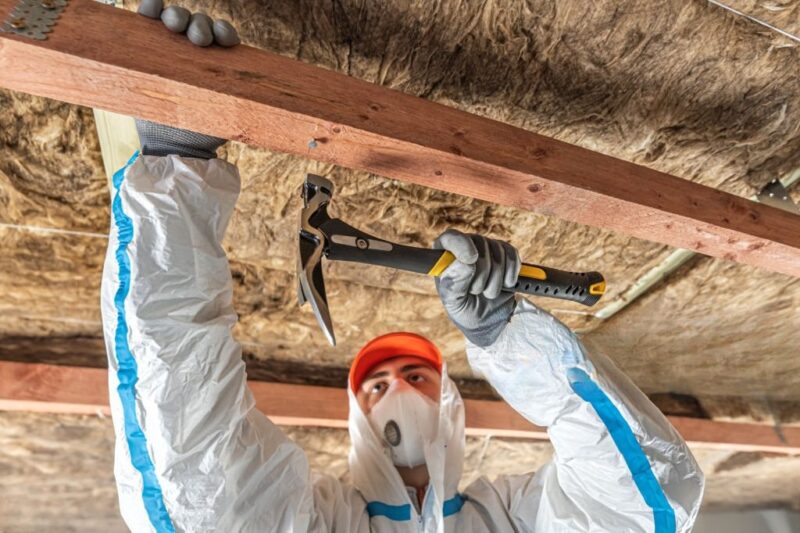
Avoid unnecessarily handling, moving, or spreading insulation that appears significantly contaminated. Disturbing affected material can release dust, fibers, and other particles into the surrounding area. Instead, limit unnecessary activity around the suspected area until its condition and the appropriate response can be determined.
Identify the Moisture Source First
Mold-like growth generally indicates that conditions have provided sufficient moisture to support growth on susceptible materials. Potential sources include roof or plumbing leaks, condensation, air leakage, improperly routed bathroom exhaust, and HVAC or ductwork problems. Finding the source is essential because removing or replacing insulation without correcting the moisture problem may allow the same conditions to return.
Determine the Extent of the Affected Area
Check whether the concern appears limited to one location or whether signs of moisture or contamination are present across a larger portion of the attic. Insulation, roof sheathing, framing, drywall, and nearby building components may all need to be considered. The extent of the affected area can help determine which type of professional evaluation or remediation may be appropriate.
Have Suspected Mold Evaluated When Appropriate
Visible discoloration or staining does not always confirm mold, and appearance alone may not identify what is growing on a surface. When the affected area is extensive, the source is unclear, contamination appears significant, or there are other concerns about the attic’s condition, an appropriately qualified mold professional can help evaluate the situation and recommend next steps.
Address Roof, Plumbing, Ventilation, or HVAC Problems
Once the moisture source has been identified, the underlying problem should be appropriately corrected. That may involve roof or plumbing repairs, correcting exhaust venting, evaluating attic ventilation, repairing duct insulation, addressing HVAC condensate drainage, or reducing uncontrolled air leakage. Insulation replacement alone cannot correct these separate building-system problems.
Determine Whether Insulation Can Remain or Requires Removal
Suspected mold or moisture exposure does not automatically mean all attic insulation must be removed. The decision depends on the insulation material, amount of water exposure, extent of contamination, physical condition, and whether the material can appropriately remain after the underlying problem is corrected. Significantly wet, damaged, or contaminated insulation may require removal, while unaffected material elsewhere in the attic may be suitable to remain.
How to Help Prevent Future Attic Mold and Moisture Problems
Reducing the likelihood of recurring attic mold starts with moisture management rather than focusing on insulation alone. Roof and plumbing leaks, uncontrolled air movement, improper exhaust venting, ductwork problems, and other moisture sources can all affect attic conditions. Regular inspection and maintenance can help identify these concerns before they lead to more extensive moisture damage.
Address Roof and Plumbing Leaks Promptly
Roof and plumbing leaks can expose insulation, framing, sheathing, and other attic materials to repeated moisture. Water stains, damp insulation, or visible dripping should be investigated rather than simply allowed to dry between occurrences. Correcting the source promptly can help limit continued moisture exposure.
Keep Bathroom Exhaust Directed Outdoors
Bathroom exhaust fans should terminate through an appropriate exterior outlet rather than intentionally releasing moisture-laden air into the attic. Periodically check accessible exhaust ducts for loose, disconnected, damaged, or improperly routed sections. Correcting these problems helps prevent bathroom moisture from being discharged directly around attic insulation and framing.
Maintain Appropriate Attic Ventilation
In a conventional vented attic, designated intake and exhaust openings should remain functional and appropriately configured. However, increasing ventilation is not automatically the solution to a moisture problem, particularly in Florida’s humid climate. Ventilation should match the attic’s intended design and be considered alongside air sealing, insulation, and other moisture-control measures.
Keep Soffit Vents and Baffles Clear
Insulation, debris, and stored materials should not block soffit vents or the airflow pathways created by baffles in an attic designed to be vented. Check accessible areas for loose-fill insulation that has shifted toward the eaves or damaged baffles that no longer maintain a clear pathway. Appropriate barriers or baffles can help keep insulation in place without obstructing intended airflow.
Air Seal Appropriate Ceiling Penetrations
Gaps around plumbing, wiring, attic access points, duct chases, and other ceiling penetrations can allow uncontrolled air movement between conditioned rooms and the attic. Appropriate air sealing can help limit this movement and the moisture it may carry. Electrical, combustion-safety, and other applicable clearance requirements should be considered before sealing penetrations.
Maintain Consistent Insulation Coverage
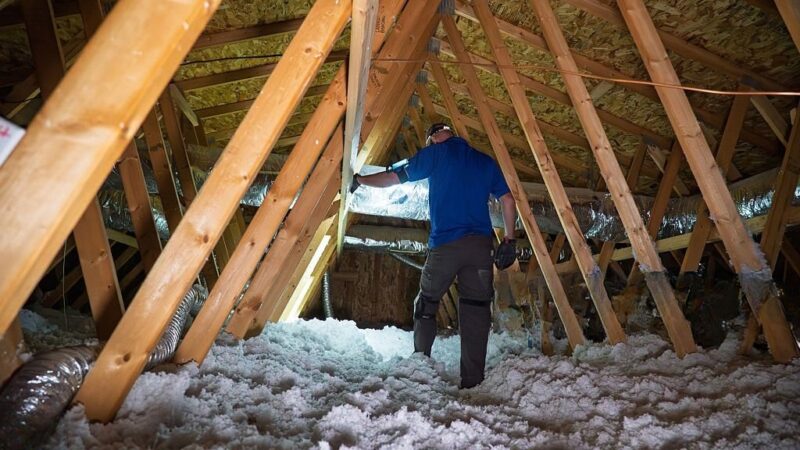
Gaps, compression, displaced insulation, and uneven coverage can create thermal weak points within the ceiling assembly. Periodically inspect accessible insulation, particularly after HVAC, electrical, plumbing, or roofing work that may have disturbed it. Maintaining the intended depth and coverage helps insulation provide more consistent thermal resistance.
Inspect Attic Ductwork
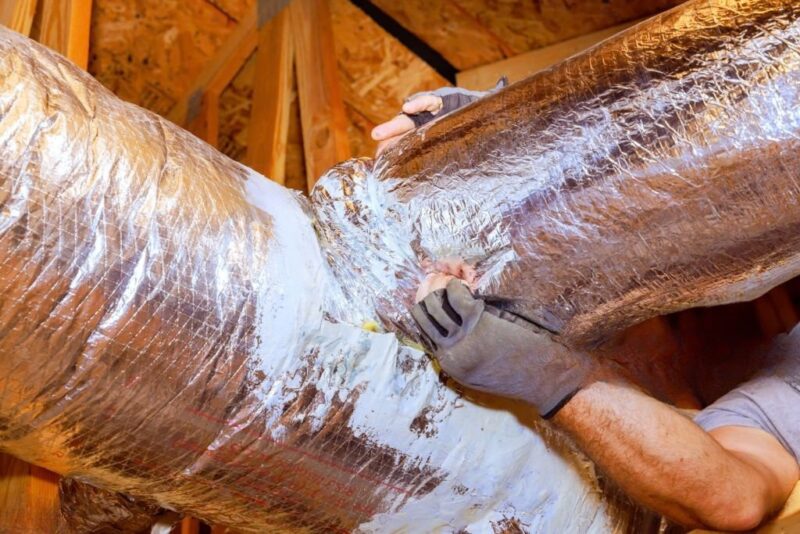
Check accessible attic ducts for damaged insulation, loose connections, visible condensation, or other signs that warrant further evaluation. Because cool duct surfaces can interact with warm, humid attic air, damaged duct insulation or other HVAC issues may contribute to moisture concerns. These problems should be addressed separately rather than relying on additional building insulation to correct them.
Monitor for Recurring Moisture
After a moisture problem has been corrected, continue watching the affected area for damp insulation, water stains, condensation, musty odors, or renewed discoloration. Recurring signs may indicate that the original source was not fully resolved or that another moisture source is present. Early evaluation can help address the problem before additional attic materials are affected.
8 Common Mistakes to Avoid With Mold and Attic Insulation
1. Do Not Simply Cover Mold-Affected Insulation
Adding a fresh layer of insulation over material with suspected mold growth or significant contamination does not address why the problem developed. It may also make the affected area harder to inspect later. The moisture source and condition of the existing insulation should be evaluated before additional material is installed.
2. Do Not Install New Insulation Over Wet Material
Wet insulation should not simply be buried beneath new fiberglass, cellulose, or other insulation. Depending on the material and severity of exposure, moisture can cause insulation to mat, compress, settle, or become unsuitable to remain. Determine where the water is coming from and evaluate the affected material before reinsulating.
3. Do Not Assume Ventilation Alone Will Fix the Problem
Ventilation can play a role in moisture management in a conventional vented attic, but increasing airflow cannot repair roof leaks, plumbing problems, damaged ducts, or improperly routed exhaust. In Florida’s humid climate, outdoor air can also contain substantial moisture. The cause of the moisture problem should be identified before changing the attic’s ventilation strategy.
4. Do Not Ignore Roof or Plumbing Leaks
Even relatively small leaks can repeatedly expose insulation, framing, sheathing, and ceiling materials to moisture. Allowing the area to dry temporarily does not mean the underlying problem has been corrected. Roof and plumbing leaks should be appropriately repaired before affected insulation is replaced or covered.
5. Do Not Allow Bathroom Exhaust to Terminate in the Attic
Bathroom exhaust carries moisture-laden air that should terminate through an appropriate exterior outlet rather than intentionally discharging into the attic. Damaged, disconnected, or improperly routed exhaust ducts can introduce moisture near insulation and other attic materials. Correct the exhaust path instead of relying on attic ventilation to disperse the moisture.
6. Do Not Block Soffit Vents With Insulation
In a conventional vented attic, insulation should not obstruct soffit vents or their intended airflow pathways. Fiberglass batts and loose-fill insulation can restrict intake openings when improperly installed. Baffles or vent chutes may be appropriate for maintaining airflow while allowing insulation coverage near the eaves.
7. Do Not Assume Every Discolored Surface Is Mold
Dark stains, white deposits, water marks, and other discoloration can have several possible causes. Appearance alone may not reliably confirm whether a substance is mold or determine why it developed. When the cause is uncertain or the affected area is significant, appropriate professional evaluation can help determine the next steps.
8. Do Not Remove Large Areas of Suspected Contaminated Material Without Appropriate Evaluation
Removing or disturbing extensive areas of insulation with suspected contamination can spread dust, fibers, and other particles through the attic and potentially into nearby spaces. The extent of the problem, insulation type, moisture source, and condition of surrounding materials should be evaluated first. When contamination appears extensive or conditions are uncertain, an appropriately qualified mold or remediation professional may be needed.
Why Professional Attic Evaluation Matters
Suspected attic mold is often connected to moisture conditions that involve more than the insulation itself. Roof leaks, air leakage, condensation, ventilation, ductwork, and HVAC equipment can all influence attic moisture. A professional evaluation can help identify contributing conditions before insulation is removed, replaced, or covered, while determining when another qualified specialist should be involved.
Mold Problems Often Have More Than One Contributing Factor
An attic moisture problem may involve several conditions at the same time. For example, air leakage could occur alongside damaged duct insulation or a roof leak, making it difficult to identify the problem based on one visible symptom. Evaluating the attic as a complete system can provide a clearer picture of what may need attention.
The Moisture Source Needs to Be Identified
Cleaning or replacing affected insulation without addressing the moisture source may allow the same conditions to return. A professional evaluation can help identify visible signs of roof or plumbing leaks, condensation, improper exhaust venting, air leakage, or HVAC-related moisture. Problems outside the evaluator’s scope should be referred to an appropriately qualified professional.
Insulation Condition Should Be Evaluated Before Replacement
Suspected mold or moisture exposure does not automatically mean every piece of attic insulation needs to be removed. The insulation type, extent of water exposure or contamination, physical condition, and coverage should be considered before deciding what can remain. Significantly affected material may require removal, while suitable insulation elsewhere in the attic may not need replacement.
HVAC, Ductwork, and Ventilation May Also Need Attention
When HVAC equipment or ducts are located in the attic, damaged duct insulation, condensation, air leakage, or condensate drainage problems may contribute to moisture concerns. In a conventional vented attic, blocked intake or exhaust pathways may also warrant attention. Evaluating these components alongside the insulation helps avoid treating an HVAC or ventilation problem as an insulation-only issue.
Mold Assessment or Remediation May Require a Qualified Specialist
An insulation or HVAC contractor should not be expected to diagnose every suspected mold condition or perform work outside their expertise. When mold-like growth is extensive, contamination appears significant, the source is uncertain, or specialized remediation may be necessary, an appropriately qualified mold assessment or remediation professional should be consulted. Other conditions may similarly require a roofer, plumber, electrician, or additional specialist before attic insulation work proceeds.
Why Port Charlotte Homeowners Choose Dale’s AC
Attic moisture concerns can involve insulation, ductwork, HVAC equipment, air leakage, ventilation, and other parts of the home. At Dale’s Air Conditioning & Heating, we evaluate the areas within our expertise to help homeowners understand how attic and HVAC conditions may be affecting their home. When suspected mold, roofing, plumbing, or other concerns require specialized attention, the appropriate qualified professional may need to be involved before insulation work continues.
Serving Southwest Florida Since 1974
Dale’s AC has served Port Charlotte and surrounding Southwest Florida communities since 1974. Our decades of local experience have given us familiarity with the cooling, ductwork, attic insulation, and indoor comfort considerations commonly encountered in homes throughout the region.
Experience With Florida Attics
Florida attics can experience substantial heat and humid conditions, particularly during the warmer parts of the year. We understand that attic insulation should be considered alongside ventilation, air leakage, ductwork, HVAC equipment, and visible moisture conditions rather than treated as an isolated part of the home.
Understanding Florida Heat and Humidity
Southwest Florida’s climate makes heat and moisture important considerations when evaluating an attic. High outdoor humidity, condensation, air leakage, and HVAC-related conditions can all influence attic moisture. We consider these factors when evaluating insulation and HVAC concerns rather than assuming that adding insulation or ventilation alone will correct the problem.
HVAC, Ductwork, and Attic Insulation Experience
Because we work with HVAC systems, ductwork, and attic insulation, we can evaluate how these components may interact within the attic. Damaged duct insulation, visible condensation, HVAC condensate issues, or inadequate insulation coverage may warrant attention. Suspected mold or other conditions outside our scope may require evaluation by an appropriately qualified specialist.
Recommendations Based on Your Home
Every attic has a different combination of insulation, ductwork, HVAC equipment, ventilation, and building conditions. We base our recommendations on what we find rather than using a one-size-fits-all approach. Our goal is to help homeowners identify appropriate next steps for their attic insulation and HVAC needs while recognizing when another qualified professional should address a separate moisture, roofing, plumbing, or mold-related concern.
FAQs About Mold in Attic Insulation
Does Wet Insulation Always Need to Be Replaced?
Not necessarily. Whether wet insulation needs replacement depends on the material, amount and duration of moisture exposure, contamination, and its condition after the moisture source is corrected. Insulation that remains significantly matted, compressed, damaged, or contaminated may require removal, while material that can appropriately dry and retain its intended condition may be able to remain.
Can New Insulation Be Installed Over Moldy Insulation?
New insulation should not simply be installed over material with suspected mold growth or significant contamination. Doing so can conceal the affected area without correcting the moisture conditions that contributed to the problem. The moisture source and existing insulation should be appropriately evaluated before additional material is installed.
Can Attic Mold Affect Insulation Performance?
Moisture associated with mold conditions can affect certain insulation materials by causing them to settle, mat, compress, or lose consistent coverage. These changes may reduce effective thermal resistance. The impact depends on the insulation type, extent of moisture exposure, and physical condition of the material.
Can Poor Attic Ventilation Contribute to Mold?
In a conventional vented attic, blocked or improperly configured ventilation can contribute to moisture conditions under certain circumstances. However, ventilation is only one factor. Roof leaks, air leakage, bathroom exhaust, condensation, ductwork, and outdoor humidity can also contribute, so adding more ventilation should not be treated as a universal solution.
Can Too Much Attic Humidity Lead to Mold Growth?
Persistently elevated moisture levels can create conditions that support mold growth on susceptible attic materials when other necessary conditions are present. In Florida, outdoor humidity can also influence attic conditions. The source of excessive moisture should be identified rather than assuming insulation or ventilation alone is responsible.
Can Air Leaks Contribute to Attic Moisture?
Yes. Uncontrolled air movement through gaps around plumbing, wiring, attic hatches, duct chases, and other ceiling penetrations can transport moisture between conditioned rooms and the attic. Appropriate air sealing can help limit this movement, but it should be coordinated with the home’s ventilation and other building requirements.
Should Mold Be Removed Before Installing New Insulation?
Suspected mold growth and significant contamination should be appropriately evaluated and addressed before new insulation covers the affected area. Depending on the extent and materials involved, professional remediation may be appropriate. The underlying moisture source should also be corrected to reduce the likelihood of the same conditions returning.
How Can I Tell Whether My Attic Insulation Has Mold?
Possible warning signs include mold-like discoloration, musty odors, damp or matted insulation, water stains, and evidence of recurring moisture. However, appearance and odor alone cannot always confirm mold or identify the type of growth present. When the condition is unclear or extensive, an appropriately qualified professional can evaluate the affected area.
Can HVAC Ductwork Contribute to Attic Moisture?
Yes, under certain conditions. Damaged duct insulation, condensation on cool surfaces, air leakage, or HVAC condensate drainage problems may contribute to moisture in an attic. These HVAC and ductwork issues should be evaluated separately because adding or replacing attic insulation will not correct the underlying mechanical problem.
When Moisture Raises the Roof, Call Dale’s AC!
Moisture and suspected mold can affect attic insulation as well as surrounding materials, but replacing insulation alone does not address the underlying cause. Roof or plumbing leaks, condensation, air leakage, improper exhaust venting, ventilation concerns, and HVAC or ductwork problems may all contribute to attic moisture. Before installing new attic insulation in Port Charlotte, identifying and addressing the source can help protect the new material and reduce the likelihood of recurring moisture problems.
At Dale’s AC as a reliable HVAC company in Port Charlotte, we can evaluate your attic insulation, ductwork, and HVAC system to help identify conditions within our expertise and recommend appropriate next steps. In addition to attic insulation in Port Charlotte, we provide AC maintenance in Port Charlotte, AC installation in Port Charlotte, AC replacement in Port Charlotte, air conditioning repair in Port Charlotte, Indoor air quality in Port Charlotte, residential HVAC services in Port Charlotte, and Commercial HVAC services in Port Charlotte, along with financing options for qualifying projects. Call us at (941) 629-1712 or contact us, and we’ll help you determine what your attic and HVAC system may need while recognizing when a qualified mold, roofing, plumbing, or other specialist should be involved.