

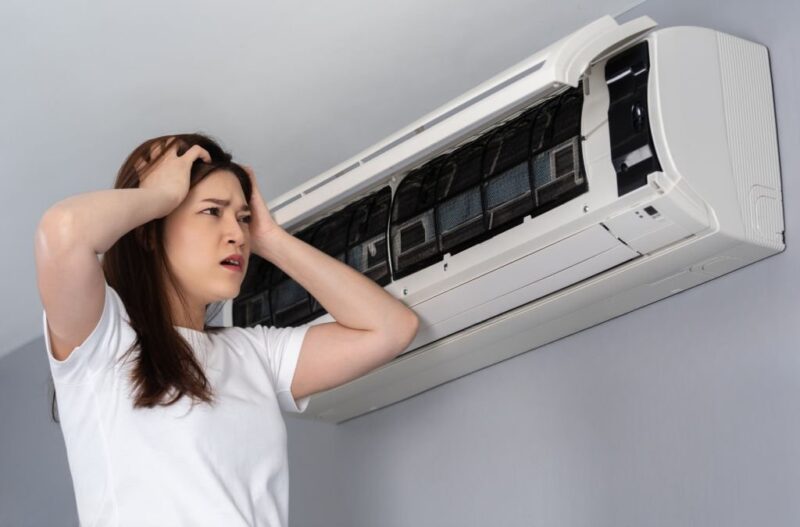
Installing a new air conditioning system is one of the most important investments homeowners can make for comfort, energy efficiency, and indoor air quality. However, even the best AC equipment can fail to deliver its full potential if it is installed incorrectly. Mistakes made during the installation process can lead to higher energy bills, uneven cooling, humidity problems, frequent breakdowns, and a shorter system lifespan. In some cases, poor installation can create issues that homeowners may not notice until months or even years later.
The good news is that many common AC installation mistakes can be avoided with proper planning, professional expertise, and attention to detail. From choosing the right system size and evaluating ductwork to ensuring proper refrigerant charging and airflow, every step of the installation process plays a role in long-term performance. In this guide, we’ll explore the most common AC installation mistakes, explain why they matter, and show how a quality installation can help maximize comfort, efficiency, and reliability in your Florida home.
Why Proper AC Installation Matters
Proper AC installation is just as important as choosing the right equipment. A high-quality air conditioner can only perform well if it is sized correctly, connected properly, charged accurately, and tested thoroughly. When installation is rushed or done incorrectly, the system may struggle with airflow, efficiency, humidity control, and reliability from the start. For Florida homeowners, where cooling systems work hard for much of the year, proper installation helps protect comfort, energy savings, and long-term equipment performance.
The Impact Installation Has on System Performance
Installation directly affects how well your AC cools your home. If the system is too large, too small, poorly placed, incorrectly connected, or installed with ductwork issues, it may not deliver steady comfort. You may notice hot spots, weak airflow, short cycling, long run times, or rooms that never cool properly. A professional installation ensures the system is matched to the home and set up to perform as intended.
How Installation Affects Energy Efficiency
Even an energy-efficient AC system can waste electricity if it is not installed correctly. Leaky ducts, improper refrigerant levels, poor airflow, and incorrect thermostat setup can all force the system to work harder than necessary. This can lead to higher energy bills and reduced cooling performance. Proper installation helps the system operate efficiently, maintain consistent temperatures, and avoid unnecessary energy waste.
The Connection Between Installation and Equipment Lifespan
A poorly installed AC system often experiences more strain, which can shorten its lifespan. Problems like restricted airflow, incorrect refrigerant charge, poor drainage, or electrical issues can cause components to wear out faster. Over time, this may lead to more frequent repairs and premature replacement. Proper installation helps the equipment run under the right conditions, reducing stress on important components such as the compressor, blower motor, and coils.
Why Even High-Quality AC Systems Can Underperform
A top-rated AC system can still underperform if the installation is flawed. Equipment quality matters, but installation quality determines how well that equipment works in your specific home. Incorrect sizing, poor duct design, bad placement, or skipped testing can prevent the system from reaching its expected comfort and efficiency levels. That is why working with an experienced HVAC professional is essential for getting the full value from your new AC system.
Understanding the AC Installation Process
Understanding the AC installation process helps homeowners see why professional planning and workmanship matter. A successful installation involves more than setting a new unit in place. It requires proper sizing, equipment selection, ductwork evaluation, electrical setup, refrigerant handling, thermostat configuration, and final performance testing. When each step is done correctly, the system can cool more efficiently, manage humidity better, and provide reliable comfort through Florida’s long cooling season.
What Happens During a Professional AC Installation
During a professional AC installation, the contractor first evaluates the home’s cooling needs, existing equipment, ductwork, electrical connections, and airflow. The old system may be removed, the new indoor and outdoor components are installed, refrigerant lines are connected, electrical wiring is completed, and the thermostat is set up. Once installation is complete, the system should be tested to confirm proper cooling, airflow, drainage, and overall operation.
Key Components Involved in the Installation
A typical AC installation includes several important components working together. These may include the outdoor condenser, indoor air handler or evaporator coil, refrigerant lines, drain lines, thermostat, ductwork, electrical connections, and air filtration. If one part is installed incorrectly, the entire system can be affected. Proper installation ensures each component supports efficient cooling and safe operation.
The Importance of System Design and Planning
Good system design and planning help prevent many common installation mistakes. Before installing new equipment, an HVAC professional should consider home size, insulation, ductwork condition, window exposure, ceiling height, humidity concerns, and comfort goals. This helps ensure the system is properly sized and matched to the home. Careful planning can reduce the risk of short cycling, weak airflow, uneven cooling, and high energy bills.
Why Every Home Requires a Customized Approach
Every home has different cooling needs, especially in Florida where heat and humidity can vary based on home layout, insulation, sun exposure, and duct design. A system that works well in one home may not be the right fit for another. That is why AC installation should never be treated as a one-size-fits-all project. A customized approach helps homeowners get better comfort, improved efficiency, and stronger long-term performance from their new cooling system.
1. Choosing the Wrong Size Air Conditioner
Choosing the wrong size air conditioner is one of the most common and costly AC installation mistakes. Many homeowners assume that a larger unit will cool the home faster or that a smaller unit will save money, but both choices can lead to comfort and efficiency problems. The right AC system needs to match the home’s actual cooling load, including its size, layout, insulation, ductwork, sun exposure, windows, and humidity needs. Proper sizing helps the system cool efficiently, run consistently, and manage indoor comfort more effectively.
Why Bigger Is Not Always Better
A bigger air conditioner is not automatically better. An oversized system may cool the home quickly, but it can shut off before completing a full cooling cycle. This short cycling can prevent the system from removing enough humidity, leaving the home feeling damp or clammy. Oversized units may also use more energy, create uneven temperatures, and place extra stress on components due to frequent starts and stops.
Problems Caused by Oversized AC Systems
Oversized AC systems often cycle on and off too frequently. This can increase wear on the compressor, reduce energy efficiency, and make indoor temperatures feel inconsistent. In Florida homes, oversized systems can also struggle with humidity control because they do not run long enough to properly dehumidify the air. Over time, this can lead to comfort complaints, higher operating costs, and more frequent repairs.
Problems Caused by Undersized AC Systems
An undersized AC system may run constantly and still fail to cool the home properly. During Florida’s hottest days, it may struggle to reach the thermostat setting, leaving rooms warm and uncomfortable. Continuous operation can increase energy use, strain system components, and shorten equipment lifespan. An undersized unit may seem like a lower-cost choice at first, but it can become expensive through higher bills and reduced comfort.
How HVAC Professionals Perform Load Calculations
HVAC professionals use load calculations to determine the correct system size for a home. These calculations consider more than square footage. They may include insulation levels, ceiling height, window size and direction, ductwork condition, air leakage, home layout, number of occupants, and local climate. A proper load calculation helps ensure the AC system is neither too large nor too small for the home’s actual cooling needs.
The Importance of Proper System Sizing
Proper system sizing helps protect comfort, efficiency, humidity control, and equipment lifespan. A correctly sized AC system runs long enough to cool and dehumidify the home without excessive cycling or constant operation. This helps reduce energy waste, lower repair risks, and improve indoor comfort. For Florida homeowners, proper sizing is especially important because cooling systems must handle both heat and humidity for much of the year.
2. Skipping a Professional Load Calculation
Skipping a professional load calculation can lead to one of the biggest AC installation problems: choosing equipment that does not match the home’s actual cooling needs. Some installers may estimate system size based only on square footage or replace the old unit with the same size, but this approach can overlook important comfort and efficiency factors. A proper load calculation helps ensure the new AC system is sized correctly for the home, not guessed based on general rules.
What a Load Calculation Measures
A load calculation measures how much cooling your home actually needs to stay comfortable. It considers how quickly heat enters the home, how well the home holds conditioned air, and how much cooling is required to maintain indoor comfort. This calculation helps determine the proper AC capacity so the system can cool effectively without short cycling, running constantly, or struggling with humidity.
Factors That Affect Cooling Requirements
Several factors influence your home’s cooling requirements, including square footage, ceiling height, insulation levels, window size, sun exposure, ductwork condition, air leaks, home layout, number of occupants, and local climate. In Florida, humidity is also an important consideration because the AC must help remove moisture from indoor air. Ignoring these factors can result in a system that looks right on paper but performs poorly in real life.
Why Square Footage Alone Is Not Enough
Square footage is only one piece of the sizing puzzle. Two homes with the same floor area can have very different cooling needs depending on insulation, windows, shade, ductwork, air leakage, and orientation to the sun. An older home with poor insulation may need a different cooling strategy than a newer, well-sealed home of the same size. Relying only on square footage can lead to oversized or undersized equipment.
How Improper Calculations Lead to Comfort Problems
Improper calculations can cause ongoing comfort issues after installation. An oversized system may cool too quickly without removing enough humidity, leaving the home feeling damp or uneven. An undersized system may run constantly and still fail to reach the thermostat setting. Both problems can lead to hot spots, high indoor humidity, longer run times, short cycling, and frustrated homeowners.
Long-Term Consequences of Incorrect Sizing
Incorrect sizing can affect the system for its entire lifespan. Poorly sized equipment may use more energy, require more repairs, wear out faster, and deliver less consistent comfort. Homeowners may end up paying for a new system that never performs as expected. A professional load calculation helps prevent these issues and sets the installation up for better efficiency, reliability, and long-term value.
3. Ignoring Existing Ductwork Problems
Installing a new AC system without checking the ductwork can limit the performance of the entire system. Even if the new equipment is properly sized and energy efficient, damaged or poorly designed ducts can waste cooled air, restrict airflow, and create uneven comfort throughout the home. In Florida homes, where air conditioners work hard to manage heat and humidity, ductwork issues can make a brand-new system feel less effective than it should.
How Ductwork Affects Cooling Performance
Ductwork is responsible for moving cooled air from the HVAC system into each room. If the ducts are too small, poorly sealed, damaged, or badly routed, the system may not be able to deliver enough air where it is needed. This can cause weak airflow, warm rooms, longer cooling cycles, and higher energy use. Proper ductwork helps the AC system cool the home evenly and operate more efficiently.
Common Duct Issues Found During Installations
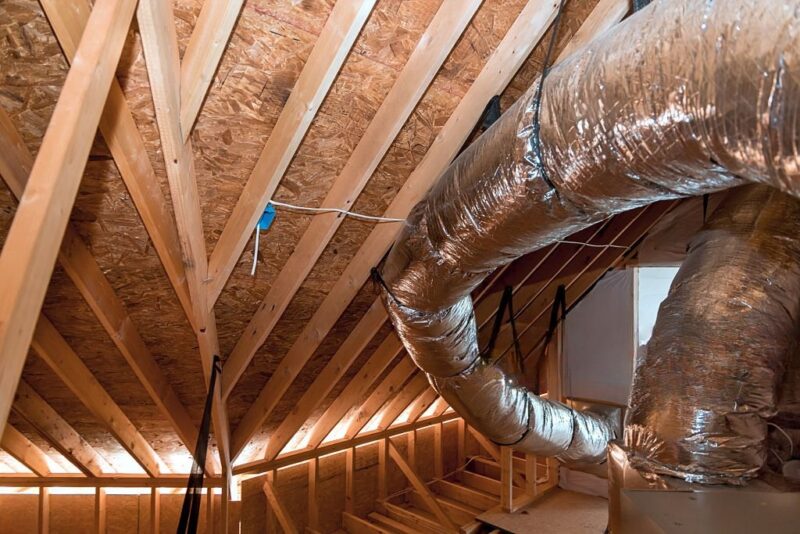
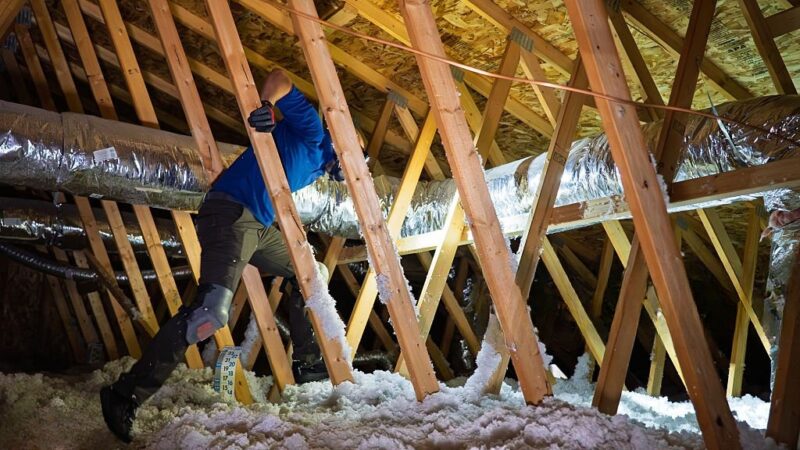
Common duct problems include leaks, loose connections, crushed sections, disconnected runs, poor insulation, undersized ducts, and inadequate return airflow. Older homes may also have ductwork that was never designed for modern cooling equipment. If these issues are ignored during installation, the new AC system may struggle from the start. A duct inspection helps identify problems before they affect performance.
Leaky Ducts and Energy Loss
Leaky ducts allow conditioned air to escape into attics, crawl spaces, walls, or other unconditioned areas instead of reaching the living space. This wastes energy and forces the AC to run longer to maintain the thermostat setting. Leaks can also pull hot, humid, dusty air into the duct system, affecting comfort and indoor air quality. Sealing duct leaks can improve efficiency and help the new system perform as intended.
Airflow Restrictions and Uneven Cooling
Airflow restrictions can cause some rooms to feel too warm while others feel too cold. Restrictions may come from crushed ducts, poor duct sizing, clogged filters, blocked vents, or limited return air. When airflow is unbalanced, the system may short cycle, run longer, or fail to control humidity properly. Addressing airflow restrictions during installation helps prevent comfort complaints after the new AC is installed.
When Duct Modifications or Replacement Are Necessary
Duct modifications or replacement may be needed if the existing ductwork is severely damaged, poorly sized, leaking heavily, or unable to support the new AC system. In some cases, sealing and insulating ducts may be enough. In others, redesigning or replacing sections of ductwork may provide better airflow and efficiency. A professional HVAC contractor can determine whether your duct system needs minor repairs or larger upgrades before installation.
4. Poor Placement of the Outdoor Condenser Unit
The outdoor condenser unit needs the right location to release heat efficiently and operate safely. Poor placement can restrict airflow, expose the unit to excess heat, increase storm or flooding risks, and make maintenance more difficult. In Florida homes, where AC systems run heavily for much of the year, condenser placement can have a major impact on cooling performance, efficiency, and long-term reliability.
Why Condenser Location Matters
The condenser’s job is to release heat from inside the home to the outdoors. If the unit is installed in a cramped, poorly ventilated, or excessively hot area, it may struggle to complete this process efficiently. Poor placement can cause the system to run longer, use more energy, and experience extra strain. A properly placed condenser helps the AC cool more effectively and reduces unnecessary wear on major components.
Airflow Requirements Around Outdoor Units
Outdoor AC units need enough open space around them for proper airflow. If the condenser is too close to walls, fences, shrubs, storage items, or other equipment, airflow can become restricted. This makes it harder for the system to release heat and can lead to overheating or reduced efficiency. Proper clearance also helps technicians access the unit for cleaning, inspection, and repairs.
Avoiding Areas With Excessive Heat Exposure
Installing the condenser in an area with intense heat exposure can make the system work harder. Locations near dryer vents, reflective walls, enclosed patios, or direct afternoon sun may increase the temperature around the unit. While outdoor units are built to handle heat, excessive heat buildup can reduce efficiency. When possible, the condenser should be placed where it has good airflow and is not exposed to avoidable heat sources.
Drainage and Flooding Considerations
Drainage is especially important in Florida because heavy rain and hurricane-season weather can create standing water around outdoor equipment. A condenser should be installed on a stable, level pad in an area where water does not pool. Poor drainage can damage electrical components, cause corrosion, shift the equipment pad, or create unsafe operating conditions. Homes in low-lying areas may need extra planning to reduce flood exposure.
Accessibility for Future Maintenance
The condenser should be installed where HVAC technicians can easily inspect, clean, and service it. If the unit is placed too close to landscaping, fencing, walls, or tight corners, routine maintenance may become harder and more time-consuming. Easy access allows for better coil cleaning, electrical checks, refrigerant testing, and repairs. Proper placement from the start helps protect both system performance and long-term serviceability.
5. Improper Refrigerant Charging
Improper refrigerant charging is a serious AC installation mistake because refrigerant is essential to the cooling process. The system must have the correct amount of refrigerant to absorb heat from inside the home and release it outdoors. Too much or too little refrigerant can reduce cooling performance, increase energy use, strain major components, and lead to costly repairs. Refrigerant charging should always be handled by a qualified HVAC professional with the right tools and training.
Why Refrigerant Levels Matter
Refrigerant allows your AC system to move heat out of your home. When the charge is correct, the system can cool efficiently, maintain steady temperatures, and support proper humidity control. If refrigerant levels are off, the system may struggle to remove heat and moisture effectively. This can lead to longer run times, poor comfort, and unnecessary stress on the compressor.
Risks of Overcharging an AC System
Overcharging occurs when too much refrigerant is added to the system. This can increase pressure inside the refrigerant circuit and make it harder for the system to operate properly. An overcharged system may cool poorly, use more energy, make unusual noises, or place extra strain on the compressor. Over time, excessive pressure can contribute to component damage and reduced system reliability.
Risks of Undercharging an AC System
Undercharging occurs when the system does not have enough refrigerant. This can happen during poor installation, improper line setup, or because of an undetected leak. Low refrigerant can cause weak cooling, frozen evaporator coils, longer cooling cycles, and compressor strain. If the system is undercharged from the start, homeowners may experience comfort problems even with brand-new equipment.
How Improper Refrigerant Levels Affect Efficiency
Incorrect refrigerant levels prevent the AC from transferring heat efficiently. When this happens, the system may run longer to reach the thermostat setting, which increases energy use and raises utility bills. It may also struggle with humidity control, leaving the home feeling warmer or more uncomfortable than expected. A correctly charged system helps protect efficiency, comfort, and long-term performance.
Why Professional Testing Is Essential
Professional testing is essential because refrigerant charging requires accurate measurements, proper equipment, and knowledge of the manufacturer’s specifications. HVAC technicians check system pressures, temperature readings, airflow, and refrigerant charge to confirm the system is operating correctly. Guessing or adding refrigerant without testing can create bigger problems. Proper charging during installation helps ensure the new AC system starts its service life safely and efficiently.
6. Poor Electrical Connections and Wiring
Poor electrical connections and wiring can create serious problems during AC installation. Your air conditioning system depends on safe, properly installed electrical components to start, run, communicate with the thermostat, and protect major parts from damage. If wiring is loose, incorrect, undersized, or not installed to code, the system may become unreliable, inefficient, or unsafe. Electrical work should always be handled by qualified professionals who understand both HVAC equipment and local requirements.
The Importance of Correct Electrical Installation
Correct electrical installation helps the AC system operate safely and consistently. The equipment needs the right voltage, secure wiring connections, proper breaker sizing, and safe disconnect setup. When the electrical side is done correctly, the system can start and run as designed without unnecessary stress on motors, control boards, contactors, capacitors, or the compressor. This is especially important in Florida, where AC systems often run for long periods.
Common Wiring Mistakes
Common wiring mistakes include loose connections, incorrect thermostat wiring, improper breaker sizing, poorly secured wires, missing disconnects, damaged insulation, and mismatched electrical components. These issues may cause the system to short cycle, fail to start, trip breakers, or respond incorrectly to thermostat commands. Some wiring problems may not show up immediately but can lead to performance issues over time.
Safety Risks Associated With Electrical Errors
Electrical errors can create safety concerns, including overheating, sparks, equipment damage, breaker trips, or fire hazards. Moisture exposure, poor grounding, and loose wiring can make these risks even more serious. Because AC systems combine high-voltage power with sensitive control wiring, mistakes can put both the equipment and the home at risk. Homeowners should never attempt major AC wiring work without proper training and licensing.
Effects on System Reliability and Performance
Poor wiring can make a new AC system unreliable from the start. The system may turn on and off unexpectedly, fail to cool properly, blow fuses, trip breakers, or damage sensitive components. Electrical problems can also reduce efficiency by making the system work harder or preventing it from operating at the correct capacity. Proper wiring helps protect performance, comfort, and long-term reliability.
Why Licensed HVAC Professionals Matter
Licensed HVAC professionals have the training to install AC systems safely, follow code requirements, and verify that electrical components are connected correctly. They can check voltage, wiring, breakers, disconnects, thermostat connections, and system startup performance before the installation is complete. Working with qualified professionals helps prevent unsafe shortcuts, protects equipment warranties, and gives homeowners confidence that the system is installed properly.
8. Failing to Seal and Insulate Components Properly
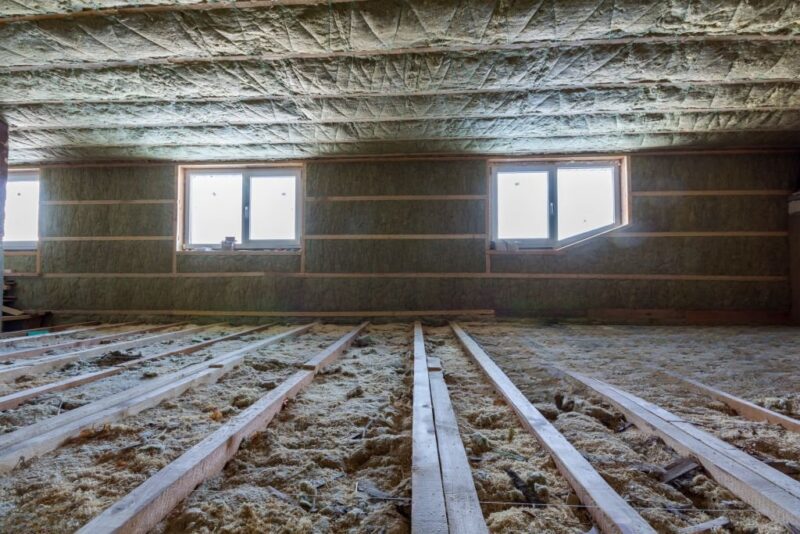
Failing to seal and insulate AC components properly can lead to energy loss, moisture problems, weak cooling, and unnecessary strain on the system. During installation, connections, ducts, refrigerant lines, and other key areas must be sealed and insulated correctly so the system can operate efficiently. In Florida’s hot and humid climate, poor sealing or missing insulation can quickly affect comfort, indoor air quality, and long-term HVAC performance.
Air Leaks Around Connections and Ducts
Air leaks around duct connections, plenums, vents, or equipment transitions can allow cooled air to escape before it reaches the living space. This forces the AC to run longer and work harder to maintain the thermostat setting. Leaky ducts can also pull hot, humid, dusty air into the system, which may affect comfort and indoor air quality. Proper sealing helps keep conditioned air moving where it belongs.
Refrigerant Line Insulation Requirements
Refrigerant lines need proper insulation to help maintain system efficiency and prevent condensation problems. If insulation is missing, damaged, or poorly installed, the lines can lose cooling capacity and collect moisture. This can affect performance and may contribute to water damage or corrosion over time. Professional installation ensures refrigerant lines are protected and insulated according to equipment requirements.
Condensation and Moisture Concerns
Poor sealing and insulation can create condensation issues, especially in humid Florida homes. When cold surfaces meet warm, humid air, moisture can form on ducts, refrigerant lines, or equipment connections. Over time, this moisture can lead to water stains, mold concerns, damaged insulation, musty odors, or corrosion. Proper insulation helps control condensation and protects both the HVAC system and surrounding areas.
Energy Efficiency Consequences
When air leaks or uninsulated components allow cooling loss, the AC system has to use more energy to deliver the same comfort. This can increase utility bills and reduce the efficiency benefits of a new installation. Even a high-efficiency AC system can underperform if cooled air is escaping through poorly sealed ducts or if refrigerant lines are not properly protected. Good sealing and insulation help the system operate closer to its intended efficiency.
Long-Term Performance Impacts
Poor sealing and insulation can affect AC performance for years after installation. The system may experience longer run times, uneven cooling, humidity problems, higher energy bills, and increased wear on components. Over time, these issues can contribute to more frequent repairs and a shorter equipment lifespan. Taking care of sealing and insulation during installation helps protect comfort, efficiency, and long-term reliability.
8 Neglecting Airflow Requirements
Neglecting airflow requirements during AC installation can cause comfort and efficiency problems from the very beginning. Your air conditioner needs the right balance of supply air and return air to cool properly, remove humidity, and protect major components. If airflow is restricted, unbalanced, or poorly designed, even a new system may struggle to perform as expected. In Florida homes, proper airflow is especially important because the AC must handle both heat and moisture for long periods.
Why Airflow Is Critical for HVAC Performance
Airflow allows the AC system to move warm indoor air across the evaporator coil, remove heat, and circulate cooled air back through the home. When airflow is too low, the system may run longer, cool unevenly, or develop frozen coil problems. When airflow is unbalanced, some rooms may receive too much cooling while others stay warm. Proper airflow helps maintain comfort, efficiency, humidity control, and system reliability.
Return Air and Supply Air Considerations
A good installation must account for both supply air and return air. Supply vents deliver cooled air into the rooms, while return vents pull air back to the system for conditioning. If there are too few return vents, blocked return pathways, or undersized ducts, the system may struggle to move air properly. Balanced supply and return airflow helps the AC operate smoothly and keeps temperatures more consistent throughout the home.
Blocked Vents and Poor Vent Placement
Blocked vents and poorly placed vents can reduce the effectiveness of a new AC system. Furniture, curtains, rugs, or built-in features can obstruct airflow and prevent cooled air from circulating. Vents placed too close to walls, doors, windows, or heat-producing areas may also affect comfort and thermostat accuracy. During installation, vent placement and clearance should be reviewed to support even cooling.
How Airflow Problems Affect Comfort
Airflow problems can make a home feel uncomfortable even when the AC is running. Common issues include hot spots, weak airflow from vents, rooms that take too long to cool, high indoor humidity, and inconsistent temperatures. Poor airflow can also cause the system to run longer than necessary, increasing energy use and strain on components. Correcting airflow issues helps the system deliver the comfort it was designed to provide.
Signs of Airflow Issues After Installation
After installation, homeowners should watch for signs that airflow is not properly balanced. Warning signs include weak air from vents, noisy ducts, uneven room temperatures, short cycling, frozen coils, rising energy bills, or a home that feels humid despite cooling. If these problems appear soon after installation, the system may need airflow testing, duct adjustments, or additional balancing to ensure it operates correctly.
9. Improper Thermostat Installation and Setup
Improper thermostat installation can affect the way a new AC system cycles, cools, and responds to indoor conditions. The thermostat acts as the control center for the HVAC system, so incorrect placement, wiring, calibration, or programming can lead to comfort problems even when the AC equipment itself is installed correctly. A properly installed thermostat helps the system read indoor temperatures accurately, run efficient cooling cycles, and maintain consistent comfort throughout the home.
Choosing the Right Thermostat Location
Thermostat location matters because the device uses nearby air temperature to decide when the AC should turn on and off. It should be installed in a central area of the home where it can read typical indoor conditions. A good location is usually away from direct sunlight, exterior doors, windows, supply vents, kitchens, appliances, and areas with unusual temperature swings. Proper placement helps the system respond to the home’s actual comfort needs instead of a misleading temperature reading.
Common Thermostat Placement Errors
Common placement errors include installing the thermostat near a sunny window, above a supply vent, close to a door, in a hallway with poor airflow, or near heat-producing appliances. These locations can cause the thermostat to misread the indoor temperature. For example, direct sunlight may make the thermostat think the home is warmer than it is, causing overcooling. A vent blowing directly on the thermostat may make it shut the system off too soon, leaving other rooms uncomfortable.
Smart Thermostat Compatibility Considerations
Smart thermostats can improve comfort and energy management, but they must be compatible with the HVAC system. Some models require a C-wire, specific voltage, or compatibility with heat pumps, multi-stage systems, or variable-speed equipment. Installing an incompatible thermostat can cause system errors, short cycling, poor communication, or unreliable operation. Before installation, an HVAC professional should verify that the thermostat matches the system’s wiring and control requirements.
Programming and Calibration Issues
Even when the thermostat is installed in the right location, incorrect programming or calibration can cause cooling problems. Schedules that are too aggressive, temperature settings that change constantly, or incorrect system mode settings can increase energy use and reduce comfort. Calibration issues can also make the thermostat read the wrong temperature. Proper setup ensures the thermostat controls the AC accurately and efficiently.
How Thermostat Problems Affect Cooling
Thermostat problems can make a new AC system seem like it is not working properly. The system may cycle too often, run too long, shut off too soon, or fail to maintain the desired temperature. These issues can lead to uneven cooling, higher energy bills, humidity problems, and unnecessary strain on equipment. Proper thermostat installation and setup help the entire AC system operate as intended.
10. Skipping Post-Installation Testing
Skipping post-installation testing can leave hidden problems behind after the new AC system is installed. Even if the equipment turns on, that does not always mean it is operating correctly. A professional installation should include testing to confirm airflow, refrigerant charge, electrical performance, thermostat operation, drainage, and overall cooling efficiency. This final step helps ensure the system is ready to perform reliably in Florida’s heat and humidity.
Why Testing Is Essential Before Completion
Testing is essential because it confirms that every part of the AC system is working together properly. Without it, issues such as weak airflow, incorrect refrigerant levels, wiring problems, poor drainage, or thermostat errors may go unnoticed. These problems can lead to comfort complaints, higher energy bills, and early system wear. A thorough final check helps catch problems before the installation is considered complete.
Verifying Airflow and Temperature Performance
Airflow and temperature testing helps confirm that the system is moving enough air and cooling it properly. Technicians may check supply and return airflow, temperature differences, vent performance, and room comfort. If airflow is weak or temperatures are inconsistent, the system may need duct adjustments, balancing, or further inspection. Proper testing helps prevent uneven cooling and humidity issues.
Checking Refrigerant and Electrical Systems
Refrigerant and electrical checks are critical for safe and efficient operation. The technician should verify that refrigerant levels match manufacturer specifications and that system pressures are correct. Electrical testing should confirm secure wiring, proper voltage, breaker performance, and safe startup operation. These checks help protect major components such as the compressor, blower motor, and control board.
Confirming Thermostat Operation
The thermostat should be tested to make sure it communicates properly with the AC system. This includes checking cooling mode, temperature readings, cycle operation, smart thermostat settings, and any programmed schedules. If the thermostat is miswired, poorly calibrated, or installed in the wrong location, the system may cycle incorrectly or fail to maintain comfort. Confirming thermostat operation helps ensure the homeowner can control the system accurately.
Ensuring the System Is Running Efficiently
The final goal of post-installation testing is to make sure the AC system is running efficiently and safely. A properly tested system should cool consistently, manage humidity effectively, drain condensation correctly, and operate without unusual noise, vibration, or short cycling. For homeowners, this step provides peace of mind that the new installation is set up for long-term comfort, reliability, and energy efficiency.
Professional AC Installation Services in Port Charlotte, FL
Professional AC installation helps ensure your new system is set up for reliable cooling, energy efficiency, and long-term performance. In Port Charlotte, FL, where heat and humidity place heavy demand on air conditioners, proper installation is especially important. Dale’s AC helps homeowners avoid common installation mistakes by focusing on accurate sizing, careful setup, airflow performance, and thorough system testing.
Proper System Sizing and Design
The right AC system starts with proper sizing and design. Dale’s AC evaluates your home’s cooling needs, layout, insulation, ductwork, sun exposure, and humidity concerns to recommend equipment that fits your space. A properly sized system helps prevent short cycling, constant runtime, uneven cooling, and poor humidity control.
Ductwork Evaluation and Airflow Optimization
Even a new AC system can underperform if the ductwork is leaking, damaged, undersized, or poorly designed. Dale’s AC can inspect your ducts, check airflow, identify restrictions, and recommend sealing, repairs, or improvements when needed. Better airflow helps your system cool more evenly and operate more efficiently.
Professional Refrigerant and Electrical Setup
Refrigerant charging and electrical connections must be handled correctly for safe and efficient operation. Dale’s AC ensures refrigerant levels are set according to system requirements and electrical components are properly connected and tested. This helps protect major parts like the compressor, blower motor, control board, and thermostat.
Thorough Testing and Quality Assurance
Before completing an installation, Dale’s AC verifies system performance through careful testing. This may include checking airflow, temperature output, refrigerant performance, thermostat operation, drainage, electrical readings, and overall cooling function. Thorough testing helps confirm that your new AC system is ready for Florida’s cooling demands.
Trusted Installation Services From Dale’s AC
Dale’s AC provides trusted AC installation services for Port Charlotte homeowners who want comfort, efficiency, and honest guidance. From equipment selection to final testing, our team focuses on doing the job right so your new system can deliver dependable cooling for years to come.
FAQs About AC Installation Mistakes
What is the most common AC installation mistake?
One of the most common AC installation mistakes is choosing the wrong system size. An oversized unit may short cycle and fail to control humidity, while an undersized unit may run constantly and still struggle to cool the home. Other common mistakes include skipping load calculations, ignoring ductwork problems, poor thermostat placement, and failing to test the system after installation.
Can improper installation increase energy bills?
Yes, improper AC installation can increase energy bills. If the system is the wrong size, ducts are leaking, refrigerant levels are incorrect, airflow is restricted, or the thermostat is not set up properly, the AC may use more energy than necessary. Even a high-efficiency system can waste electricity if it is not installed correctly.
How do I know if my AC was installed correctly?
A properly installed AC system should cool your home evenly, run without short cycling, manage humidity well, and operate without unusual noises or frequent breaker trips. You should also notice steady airflow from vents and consistent thermostat response. If your new system struggles to cool, runs constantly, creates hot spots, or causes higher energy bills, it may need a professional inspection.
Why is AC sizing so important?
AC sizing is important because the system must match your home’s actual cooling needs. A unit that is too large may cool too quickly without removing enough humidity, while a unit that is too small may run nonstop and still fail to keep the home comfortable. Proper sizing helps improve comfort, efficiency, humidity control, and equipment lifespan.
Can bad ductwork affect a new AC installation?
Yes, bad ductwork can seriously affect a new AC installation. Leaky, damaged, undersized, or poorly insulated ducts can waste cooled air and reduce airflow. This may cause uneven cooling, higher energy bills, weak airflow, and longer run times. Ductwork should be inspected before installing a new AC system to ensure the equipment can perform properly.
How long should a professional AC installation take?
A standard professional AC installation can often be completed in one day, but timing depends on the system type, home layout, ductwork condition, electrical requirements, and installation complexity. If duct repairs, electrical upgrades, or major modifications are needed, the process may take longer. Your HVAC contractor should explain the expected timeline before installation begins.
What should be checked after a new AC installation?
After installation, the HVAC technician should check airflow, refrigerant charge, electrical connections, thermostat operation, temperature performance, drainage, duct connections, and overall system efficiency. The system should also be tested for proper startup, cooling cycles, unusual noises, and safe operation. Post-installation testing helps confirm that the AC is ready for long-term use.
Should I replace my ductwork when installing a new AC?
You do not always need to replace ductwork when installing a new AC, but it should be inspected. If the ducts are leaking, damaged, poorly sized, contaminated, or unable to support the new system’s airflow requirements, repairs or replacement may be recommended. In some cases, sealing and insulating existing ducts may be enough to improve performance.
Don’t Let a Bad Install Leave You Out in the Heat!
Proper AC installation in Port Charlotte is one of the most important steps in protecting your comfort, energy efficiency, and long-term HVAC investment. A new system can only perform its best when it is correctly sized, properly placed, professionally connected, accurately charged, and fully tested before use. By avoiding common mistakes like skipped load calculations, poor ductwork evaluation, improper refrigerant levels, bad thermostat placement, and weak airflow planning, homeowners can reduce the risk of high energy bills, uneven cooling, humidity problems, frequent repairs, and premature system wear.
At Dale’s AC as a professional HVAC company in Port Charlotte, we help homeowners start strong with AC installation services built around accuracy, comfort, and reliability. From proper system sizing and ductwork checks to refrigerant setup, electrical connections, thermostat configuration, and final performance testing, we make sure every important detail is handled with care. We also offer AC maintenance in Port Charlotte, AC replacement in Port Charlotte, air conditioning repair in Port Charlotte, indoor air quality in Port Charlotte, attic insulation in Port Charlotte, and financing options. Call us today at (941) 629-1712 or contact us and let us install your new AC the right way, so your home can stay cool, efficient, and comfortable for years to come.