

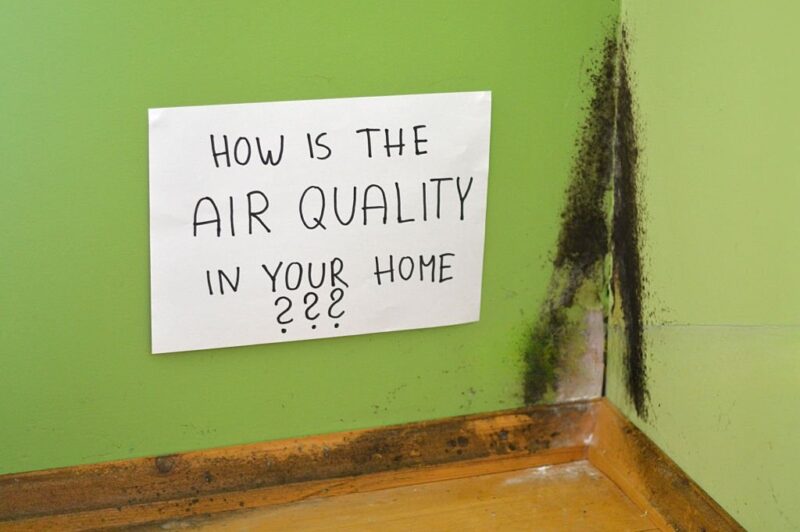
Mold prevention is one of the most important steps homeowners can take to maintain good indoor air quality. Mold spores are naturally present both indoors and outdoors, but they only become a problem when they find the moisture they need to grow. In Florida’s warm, humid climate, excess humidity, water leaks, poor ventilation, and condensation can create ideal conditions for mold to develop in areas such as bathrooms, kitchens, attics, air ducts, and around HVAC equipment. Left unchecked, these moisture issues can affect your home’s comfort, air quality, and building materials.
The good news is that preventing mold is often much easier and less costly than addressing widespread mold growth after it occurs. By controlling indoor humidity, improving ventilation, maintaining your HVAC system, and responding quickly to water intrusion, you can significantly reduce the conditions that allow mold to thrive. In this guide, we’ll cover practical mold prevention strategies, explain how your HVAC system supports healthier indoor air quality, and discuss the steps Florida homeowners can take to keep moisture under control year-round.
Why Mold Affects Indoor Air Quality
Mold can affect indoor air quality because it releases microscopic spores and fragments into the air as it grows. These particles may circulate through rooms, settle on surfaces, and move through the HVAC system. Although mold spores are a normal part of the environment, ongoing indoor growth usually signals a moisture problem that should be addressed.
What Mold Is
Mold is a type of naturally occurring fungus that helps break down organic material outdoors. It reproduces by releasing microscopic spores that travel through the air and settle on surfaces. Because mold spores are commonly present both indoors and outdoors, completely eliminating them is not realistic. The goal is to prevent those spores from finding enough moisture to grow inside the home.
How Mold Spreads Inside Homes
Mold spores can enter through open doors and windows or attach to clothing, shoes, and pets. Once indoors, airborne spores may travel through HVAC airflow and settle on damp building materials such as drywall, insulation, wood, carpet, and ceiling tiles. When moisture remains present, mold can continue growing and release additional spores into nearby rooms.
Why Florida Homes Are More Vulnerable
Florida homes face a higher risk of moisture problems because of persistent humidity, frequent rainfall, long cooling seasons, and tropical storms. Hurricanes and heavy rain can introduce water through damaged roofs, windows, walls, and foundations, while humid outdoor air can enter through leaks in the building envelope. Even during normal weather, condensation and poor humidity control can create damp conditions that support mold growth.
Common Areas Where Mold Develops
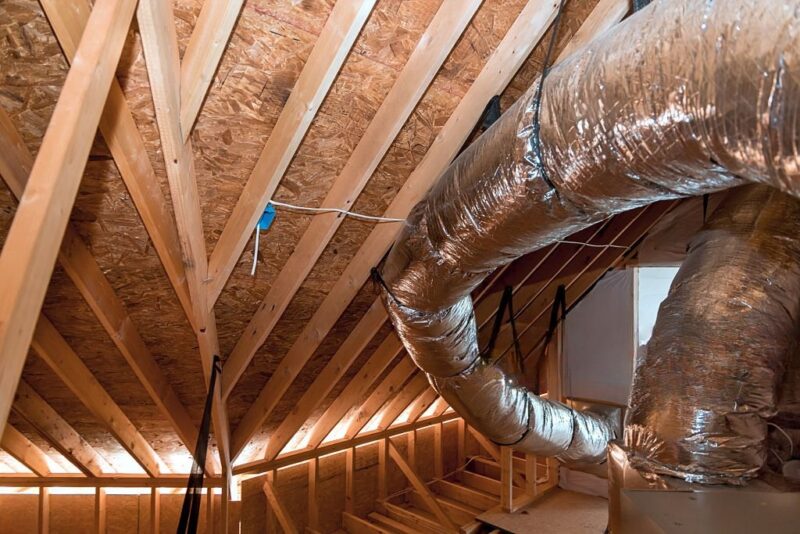
Mold often develops in areas where moisture collects or airflow is limited. Common locations include bathrooms, kitchens, laundry rooms, attics, crawl spaces, window frames, and hidden spaces behind drywall. It may also appear around air handlers, evaporator coils, condensate drain pans, and ductwork when moisture, dust, and inadequate maintenance create favorable conditions. Regular inspections and prompt moisture control can help prevent small problems from becoming widespread.
Conditions That Allow Mold to Grow
Mold needs moisture, a suitable surface, and enough time to develop. While spores are commonly present in the environment, they are much more likely to grow when indoor humidity remains high or water is allowed to collect in hidden areas. Understanding the conditions that support mold growth can help homeowners address problems before they affect larger parts of the home.
Excess Indoor Humidity
Indoor humidity should generally be kept between 30% and 50% to help reduce the risk of mold growth. When humidity remains above this range, moisture can settle on walls, ceilings, furniture, and other surfaces, especially in rooms with limited airflow. In Florida, long periods of hot, humid weather can make indoor moisture harder to control without proper air conditioning, ventilation, or dehumidification.
Water Leaks
Plumbing leaks, roof leaks, and leaking appliances can create damp conditions that allow mold to grow quickly. A slow leak under a sink, around a water heater, behind a refrigerator, or beneath a damaged roof may go unnoticed for weeks. Because moisture can spread into drywall, insulation, flooring, and cabinetry, even a small leak should be repaired promptly and the affected area dried completely.
Condensation Problems
Condensation forms when warm, humid air comes into contact with a cooler surface. It commonly appears on windows, pipes, air ducts, and HVAC vents, especially when insulation is damaged or indoor humidity is too high. Repeated condensation can keep nearby materials damp and create an environment where mold may develop over time.
Poor Ventilation
Bathrooms, kitchens, and laundry rooms generate significant amounts of moisture through showering, cooking, and drying clothes. Without proper exhaust fans or airflow, that moisture can remain trapped indoors and settle on nearby surfaces. Using vent fans that exhaust outdoors and allowing damp areas to dry can help prevent moisture buildup in these high-risk rooms.
Flooding and Storm Damage
Flooding, hurricanes, and severe storms can introduce large amounts of water into a home through roofs, windows, doors, walls, and foundations. Water-damaged materials should be dried as quickly as possible, ideally within 24 to 48 hours, to help limit mold growth. Prompt water removal, dehumidification, and professional evaluation may be necessary when moisture has reached insulation, drywall, flooring, or HVAC components.
6 Warning Signs of Potential Mold Problems
1. Persistent Musty Odors
A lingering musty or earthy smell is often one of the earliest indicators of mold growth. These odors may become more noticeable after the air conditioner starts, during humid weather, or in rooms with poor ventilation. Even if no mold is visible, a persistent musty smell can suggest hidden moisture or mold growing behind walls, under flooring, or within HVAC components.
2. Visible Discoloration on Surfaces
Dark spots, staining, or discoloration on walls, ceilings, baseboards, and around air vents may indicate mold or ongoing moisture exposure. While not every stain is mold, recurring discoloration that appears after humidity, leaks, or water damage should be inspected. Addressing both the visible growth and the underlying moisture source is essential to help prevent the problem from returning.
3. Condensation and Damp Areas
Frequent condensation on windows, HVAC vents, pipes, or other cool surfaces may indicate excessive indoor humidity. Damp areas that never seem to dry completely provide favorable conditions for mold growth. Paying attention to recurring moisture can help homeowners identify humidity or ventilation issues before mold develops.
4. Increased Indoor Humidity
If your home consistently feels damp or sticky despite running the air conditioner, indoor humidity may be too high. Humidity levels above the recommended range can increase condensation and allow moisture to accumulate on building materials. Monitoring indoor humidity with a hygrometer or smart indoor air quality monitor can help identify when additional humidity control may be needed.
5. Allergy-Like Symptoms Indoors
Some people may notice allergy-like symptoms that seem worse while spending time inside the home. Sneezing, nasal congestion, and irritated eyes can have many possible causes, including dust, pollen, pet dander, or mold exposure. While these symptoms alone do not confirm the presence of mold, recurring indoor discomfort combined with moisture issues may warrant further investigation.
6. Recurring HVAC Moisture Issues
An HVAC system that frequently develops moisture problems may contribute to conditions that support mold growth. Wet condensate drain pans, dirty evaporator coils, clogged drain lines, or poor drainage can allow moisture to linger inside the system. Routine HVAC maintenance helps identify and correct these issues, supporting better system performance while reducing excess moisture around critical components.
Control Indoor Humidity First
Controlling indoor humidity is one of the most effective ways to reduce the conditions that allow mold to grow. In Florida, moisture can build up quickly because of warm temperatures, frequent rainfall, and long periods of high outdoor humidity. A well-maintained cooling system, proper ventilation, and dedicated humidity control can help keep indoor spaces more comfortable while protecting walls, flooring, furniture, and HVAC components from excess moisture.
Maintain Recommended Indoor Humidity
Indoor humidity should generally remain between 30% and 50%. This range helps limit condensation and makes it more difficult for mold to grow on damp surfaces. When humidity stays above 50% for extended periods, moisture may collect on windows, walls, air vents, and other cool surfaces. Homeowners should pay particular attention to bathrooms, laundry rooms, closets, and areas near exterior walls, where airflow may be limited.
Use Your Air Conditioner Properly
Your air conditioner removes both heat and moisture as it cools the home, but it must operate properly to manage humidity effectively. Avoid turning the system off for long periods during humid weather, since indoor moisture can rise quickly. Proper system sizing also matters. An oversized air conditioner may cool the home too quickly and shut off before it has enough time to remove sufficient moisture, while a correctly sized system can provide longer, more consistent cycles that support better humidity control.
Install a Whole-Home Dehumidifier
A whole-home dehumidifier can provide additional moisture control when the air conditioner alone cannot maintain comfortable humidity levels. Unlike portable units that treat one room at a time, a whole-home system connects to the HVAC system and helps manage humidity throughout the house. This can be especially useful in Florida homes with persistent dampness, musty odors, condensation, or seasonal humidity problems. By operating independently of the cooling cycle, a whole-home dehumidifier can continue removing moisture even when the thermostat does not call for cooling.
Monitor Humidity Levels
Monitoring indoor humidity helps homeowners identify moisture problems before they become more serious. A basic hygrometer can provide a quick reading in individual rooms, while smart indoor air quality monitors can track humidity trends throughout the day and send alerts when levels rise. These devices do not prevent mold on their own, but they provide useful information that can help homeowners adjust ventilation, cooling, or dehumidification as needed.
Improve Ventilation Throughout the Home
Proper ventilation helps remove excess moisture, stale air, odors, and other indoor pollutants before they accumulate. This is especially important in bathrooms, kitchens, and laundry rooms, where everyday activities can release significant amounts of water vapor. In Florida, ventilation should be balanced carefully so that humid outdoor air is not introduced faster than the HVAC system can manage it.
Bathroom Exhaust Fans
Bathroom exhaust fans help remove moisture created by showers, baths, and hot water use. Fans should vent directly outdoors rather than into an attic or other enclosed space, where moisture could contribute to mold growth. Running the fan during bathing and for about 20 minutes afterward can help surfaces dry more quickly. Homeowners should also clean fan grilles regularly and confirm that the unit provides enough airflow for the size of the bathroom.
Kitchen Range Hoods
Cooking releases steam, grease, smoke, odors, and moisture into the air. A range hood that vents outdoors can remove these contaminants before they spread through the kitchen and nearby rooms. For the best results, use the hood while cooking and allow it to run briefly afterward. Recirculating range hoods may help capture grease and some odors, but they do not remove moisture from the home as effectively as systems that exhaust outside.
Laundry Room Ventilation
Laundry rooms can become humid because of washing machines, utility sinks, and clothes dryers. Dryers should be vented directly outdoors through a properly installed and maintained duct. The vent should be inspected regularly for lint buildup, damage, or disconnected sections that could release warm, moist air indoors. Additional exhaust ventilation may be helpful when the room feels damp, develops condensation, or lacks sufficient airflow.
Whole-Home Ventilation Systems
Whole-home ventilation systems provide a controlled way to replace stale indoor air with filtered outdoor air. Energy recovery ventilators, or ERVs, are often well suited to warm, humid climates because they transfer some heat and moisture between outgoing and incoming air streams. This can reduce the amount of humidity introduced during fresh air exchange compared with simply opening windows. A properly designed system should be matched to the home, local climate, and HVAC equipment so it improves ventilation without creating new moisture problems.
Prevent Water Intrusion
Keeping water out of the home is one of the most important parts of mold prevention. Even small leaks can soak into drywall, insulation, wood, flooring, and other porous materials where moisture may remain hidden. Regular inspections and prompt repairs help protect the structure while reducing the damp conditions that allow mold to grow.
Repair Plumbing Leaks Quickly
Dripping pipes, loose fittings, worn seals, and leaking fixtures can create ongoing moisture problems inside cabinets, walls, ceilings, and floors. Homeowners should check under sinks, around toilets, near water heaters, and behind appliances for stains, dampness, or musty odors. Repairing leaks quickly and drying the surrounding area thoroughly can help prevent moisture from spreading into nearby building materials.
Inspect the Roof Regularly
A damaged roof can allow rainwater to enter attics, ceilings, walls, and insulation. Missing shingles, cracked flashing, clogged roof drains, and storm damage should be addressed before the next period of heavy rain. Regular roof inspections are especially important in Florida, where frequent storms and strong winds can create openings that are not always visible from the ground.
Seal Windows and Doors
Gaps, cracked caulking, and damaged weatherstripping around windows and doors can allow wind-driven rain and humid outdoor air to enter the home. Check frames, sills, and surrounding walls for peeling paint, soft materials, stains, or condensation. Replacing worn seals and repairing damaged areas can help reduce water intrusion while supporting better indoor humidity control.
Maintain Gutters and Drainage
Gutters and downspouts help direct rainwater away from the roof, siding, and foundation. When they become clogged or damaged, water may overflow and collect near exterior walls or seep into the home. Keep gutters clear, extend downspouts away from the foundation, and make sure the surrounding ground slopes away from the house so water does not pool after heavy rain.
Dry Wet Materials Promptly
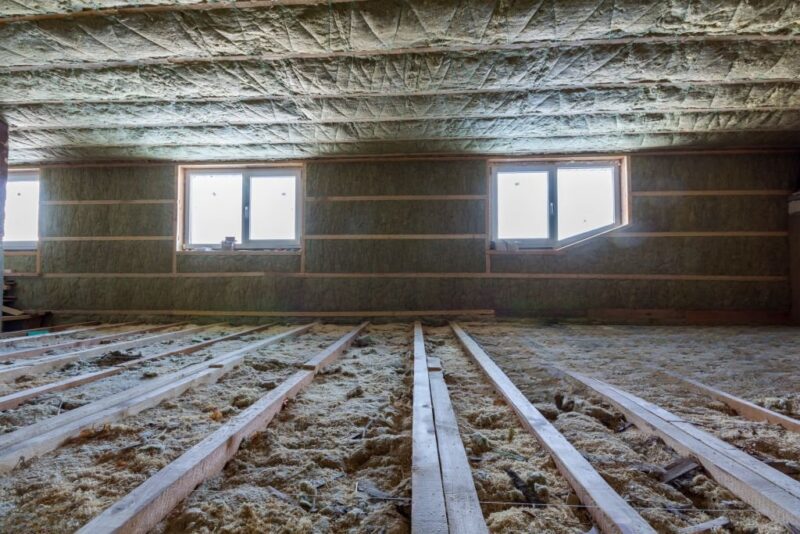
Timing matters after a leak, flood, or storm because mold can begin growing when wet materials remain damp for an extended period. Water should be removed and affected areas should be dried as soon as possible, ideally within 24 to 48 hours. Fans, dehumidifiers, and professional drying equipment may be needed, but materials such as soaked insulation, carpet padding, and heavily damaged drywall may require removal. The source of the water must also be repaired before restoration begins, or the moisture problem may return.
Keep Your HVAC System Mold Resistant
Your HVAC system plays an important role in managing both indoor comfort and humidity. When the system is clean, properly maintained, and operating efficiently, it helps remove excess moisture from the air and supports healthier indoor air quality. While no HVAC system can guarantee mold prevention, routine maintenance can reduce the moisture and debris that create favorable conditions for mold growth.
Replace HVAC Filters Regularly
Air filters capture dust, pollen, and other airborne particles before they circulate throughout the home. As filters become clogged, airflow may decrease, making the HVAC system work harder and potentially affecting its ability to remove humidity efficiently. Replacing filters according to the manufacturer’s recommendations, or more frequently in homes with pets or heavy use, helps maintain proper airflow and supports overall system performance.
Keep Evaporator Coils Clean
The evaporator coil removes heat and moisture from indoor air during the cooling process. Over time, dust and debris can accumulate on the coil, reducing its efficiency and creating surfaces where moisture may linger. Keeping the evaporator coil clean helps improve airflow, supports effective humidity removal, and reduces the buildup of dirt that can contribute to moisture-related issues within the HVAC system.
Maintain Condensate Drain Lines
As your air conditioner removes humidity, the collected moisture drains away through the condensate drain line. If this line becomes clogged with algae, dirt, or debris, water may back up into the drain pan or overflow around the air handler. Regular inspection and cleaning of the condensate drain line help ensure moisture drains properly and reduce the risk of standing water inside the system.
Schedule Professional HVAC Maintenance
Routine HVAC maintenance allows technicians to identify and address moisture-related concerns before they become larger problems. During a maintenance visit, components such as the evaporator coil, condensate drain pan, drain line, blower assembly, and air filter can be inspected and cleaned as needed. The technician can also verify proper airflow, refrigerant performance, and overall system operation to help the air conditioner manage humidity as efficiently as possible.
Improve Air Circulation
Good air circulation helps reduce areas where moisture can become trapped. Keep supply and return vents open and unobstructed by furniture, curtains, or storage items so conditioned air can move freely throughout the home. Ceiling fans can also help circulate air, particularly in rooms that tend to feel damp or stagnant. Consistent airflow, combined with effective humidity control, can help surfaces dry more evenly and reduce the likelihood of moisture accumulating in isolated areas.
4 HVAC Add-ons That May Help Reduce Mold Risk
1. Whole-Home Dehumidifiers
A whole-home dehumidifier removes excess moisture from the air throughout the house rather than treating only one room. It can operate alongside the HVAC system and may continue controlling humidity even when there is little demand for cooling. This is especially helpful in Florida homes where high outdoor humidity, rainy weather, or oversized air conditioners make it difficult to maintain indoor humidity between 30% and 50%. By reducing persistent dampness and condensation, a whole-home dehumidifier can help create conditions that are less favorable for mold growth.
2. UV-C Lights
UV-C lights are installed inside the HVAC system to expose specific components or sections of moving air to ultraviolet energy. Coil-mounted systems are positioned near the evaporator coil and drain pan, where moisture frequently collects. They may help limit microbial growth on illuminated surfaces and support cleaner HVAC components. In-duct systems treat air as it moves through a designated section of ductwork, but their effectiveness depends on proper placement, exposure time, airflow, and equipment design.
UV-C lights should be viewed as a supplemental indoor air quality tool rather than a complete mold-prevention solution. They do not remove dust, pollen, or mold spores from the air, and they cannot correct roof leaks, plumbing problems, high humidity, or contaminated building materials. Professional installation and regular lamp replacement are also important because UV output decreases over time.
3. High-Efficiency Air Filtration
High-efficiency media filters can capture smaller airborne particles than basic one-inch HVAC filters, including some mold spores, dust, pollen, and pet dander. Their deeper design often provides more filtration surface area while supporting longer service intervals. However, the filter must be compatible with the HVAC system because excessive resistance can reduce airflow and affect comfort, efficiency, and humidity removal.
HEPA filtration captures a very high percentage of fine particles, but a standard residential HVAC system may not be designed to handle a true HEPA filter directly. Some homes may require a dedicated bypass HEPA system that treats a portion of the air without placing excessive strain on the main blower. Filtration can reduce airborne spores, but it does not remove established mold growth or address the moisture source allowing it to develop.
4. Smart Humidity Controls
Smart thermostats, humidistats, and indoor air quality monitors can track humidity levels and help homeowners respond before moisture becomes a persistent problem. Some controls can coordinate the air conditioner and whole-home dehumidifier, adjust fan operation, or send alerts when humidity rises above a selected setting. These systems do not remove mold or repair moisture damage, but they provide useful information and more precise control over indoor conditions that may contribute to mold growth.
Reduce Mold-Friendly Conditions During Everyday Activities
Many mold prevention habits involve small, consistent actions rather than major home improvements. Everyday moisture from cooking, showering, cleaning, watering plants, or storing household items can gradually create damp areas if left unchecked. Making a few simple adjustments to daily routines can help reduce the conditions that allow mold to develop.
Wipe Up Moisture Quickly
Water left on countertops, windowsills, bathroom floors, shower walls, or around sinks can provide the moisture mold needs to grow. Cleaning up spills, drying wet surfaces after showers, and addressing condensation as soon as it appears help limit prolonged dampness. Promptly drying small amounts of moisture is often much easier than dealing with hidden water damage later.
Avoid Overwatering Houseplants
Houseplants can add beauty to a home, but excessive watering may leave potting soil constantly damp and increase indoor humidity. Empty standing water from drip trays, ensure pots have proper drainage, and water plants only when needed. Keeping plants healthy without creating persistently wet soil can help reduce excess moisture indoors.
Keep Furniture Away From Exterior Walls
Large pieces of furniture placed tightly against exterior walls can restrict airflow and allow moisture to become trapped, particularly in humid climates. Leaving a few inches of space behind sofas, dressers, bookshelves, and cabinets encourages better air circulation and helps walls dry more evenly. This simple adjustment can be especially helpful on walls that are prone to condensation.
Allow Airflow Inside Closets
Closets often have limited ventilation, making them more susceptible to trapped humidity. Avoid overpacking shelves and clothing racks so air can circulate freely. Leaving closet doors open occasionally, particularly after humid days, may also help reduce moisture buildup and prevent musty odors from developing.
Store Items in Dry Conditions
Cardboard boxes, paper products, fabrics, and other porous materials can absorb moisture when stored in damp areas such as garages, attics, crawl spaces, or unfinished basements. Whenever possible, keep belongings in clean, dry locations and consider using sealed plastic storage containers instead of cardboard for long-term storage. Regularly checking stored items for signs of moisture can help catch small problems before they become larger ones.
5 Eco-Friendly Mold Prevention Strategies
1. Reduce Indoor Moisture Naturally
Simple habits can help limit excess moisture indoors. Wipe down wet bathroom surfaces, use lids while cooking, avoid drying damp clothes inside when possible, and fix dripping faucets promptly. Allowing wet towels, bath mats, and cleaning cloths to dry completely before storing them can also reduce lingering moisture. These small steps can lessen the burden on the air conditioner and dehumidification equipment.
2. Improve Natural Airflow When Conditions Permit
Opening windows and doors can improve airflow when outdoor conditions are mild and relatively dry. Cross-ventilation may help remove stale air and allow damp indoor areas to dry more quickly. In Florida, however, natural ventilation should be used carefully because hot, humid outdoor air can raise indoor moisture levels. Check the weather and indoor humidity before opening the home for extended periods.
3. Choose Low-VOC Building and Cleaning Products
Low-VOC paints, sealants, adhesives, and cleaning products can help reduce the release of certain chemical vapors into indoor air. They do not prevent mold directly, but they may support a more comfortable indoor environment during repairs, renovations, and routine cleaning. When cleaning damp-prone areas, follow product directions, provide adequate ventilation, and avoid mixing household chemicals.
4. Maintain a Clean Home Without Excess Moisture
Regular cleaning removes dust and organic debris that may collect on damp surfaces. Use only the amount of water needed for mopping, carpet cleaning, and wiping surfaces, then allow the area to dry fully. Vacuuming with an appropriate filter, cleaning bathroom exhaust fans, and removing dust from vents can also support better airflow. Avoid soaking porous materials unnecessarily, since retained moisture can create new problems.
5.. When Natural Solutions Are Not Enough
Natural airflow and daily habits may not be sufficient when indoor humidity regularly remains above 50%, condensation keeps returning, or the home feels damp even while the air conditioner is running. Mechanical humidity control may be necessary in homes with persistent Florida humidity, poor ventilation, oversized cooling equipment, or recurring moisture problems. A properly sized air conditioner, whole-home dehumidifier, or balanced ventilation system can provide more consistent control than natural methods alone. Mechanical equipment should be professionally evaluated and installed so it manages moisture without reducing airflow or creating additional humidity concerns.
What to Do If You Find Mold
Finding mold in your home does not always mean the problem is widespread, but it should never be ignored. The most effective response is to identify the source of the moisture, assess the extent of the affected area, and determine whether the cleanup can be handled safely or requires professional assistance. Acting promptly can help limit additional damage and reduce the likelihood of mold spreading to other parts of the home.
Determine the Size of the Affected Area
Start by inspecting the visible mold and looking for signs that it extends beyond the surface. Check nearby walls, ceilings, flooring, insulation, and surrounding materials for stains, dampness, or musty odors. Small, isolated areas may be manageable if the moisture source has been corrected, while larger or recurring growth may indicate hidden damage that requires a more thorough evaluation.
Address the Moisture Source First
Removing visible mold without correcting the underlying moisture problem is only a temporary solution. Plumbing leaks, roof damage, condensation, poor ventilation, clogged HVAC drain lines, or high indoor humidity should be identified and repaired before cleanup begins. If moisture remains, mold is likely to return even after the affected surfaces have been cleaned.
Safe Cleanup for Small Areas
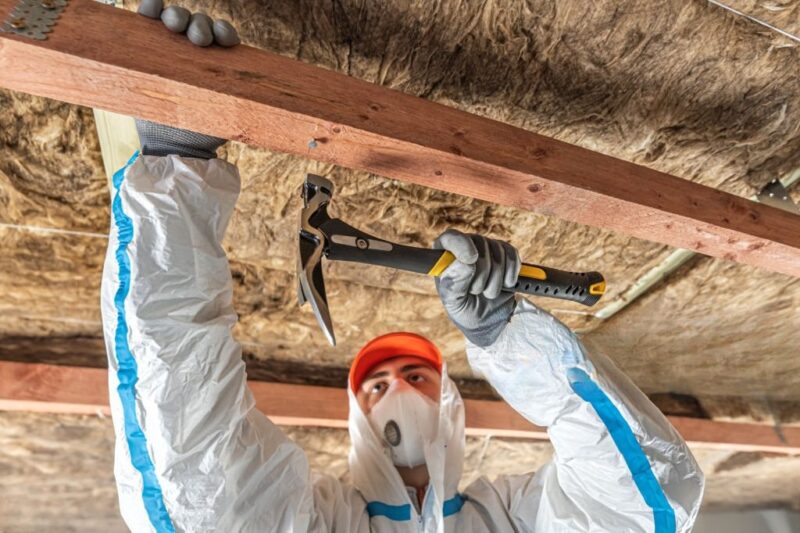
For limited areas of mold growth, the U.S. Environmental Protection Agency (EPA) recommends wearing appropriate personal protective equipment, such as gloves, eye protection, and an N-95 or equivalent respirator when conditions warrant. The affected area should be cleaned using suitable methods and allowed to dry completely afterward. Never mix cleaning chemicals, such as bleach and ammonia, because doing so can produce hazardous fumes. If porous materials remain heavily contaminated or water-damaged, they may need to be removed and replaced rather than cleaned.
When to Call a Mold Remediation Professional
Professional mold remediation is generally recommended when mold covers a large area, contamination has spread into the HVAC system or ductwork, mold is suspected behind walls or beneath flooring, or the home has experienced significant water damage after flooding or severe storms. Professionals have specialized equipment and procedures to evaluate the extent of contamination, contain affected areas, and address moisture problems safely while helping reduce the spread of mold during the remediation process.
Why Simply Cleaning Visible Mold Isn’t Enough
Visible mold is often only part of the problem. Moisture can remain trapped behind drywall, beneath flooring, inside insulation, or within HVAC components long after the surface appears clean. Unless the underlying cause of the moisture is identified and corrected, mold may continue to grow in hidden areas or return to the same location. Lasting mold prevention depends on combining proper cleanup with effective moisture control, ventilation, and ongoing home maintenance.
6 Common Mold Prevention Mistakes
1. Ignoring Small Leaks
A slow drip under a sink or a small roof leak may not seem urgent, but even minor water intrusion can keep nearby materials damp over time. Moisture that seeps into drywall, wood, insulation, or flooring often goes unnoticed until mold or water damage becomes visible. Repairing leaks as soon as they are discovered helps prevent small problems from becoming expensive repairs.
2. Relying Only on Air Fresheners
Air fresheners may temporarily mask musty odors, but they do not eliminate mold or remove excess moisture. If a persistent earthy smell continues after cleaning, it may indicate hidden dampness or mold growth somewhere in the home. Instead of covering up odors, homeowners should investigate the source and address the underlying moisture problem.
3. Turning Off the AC During Humid Weather
Some homeowners turn off their air conditioner when leaving for work or traveling to save energy. During Florida’s humid weather, however, indoor humidity can rise quickly when cooling and moisture removal stop. Maintaining an appropriate thermostat setting while away helps the air conditioner continue controlling humidity and may reduce the conditions that support mold growth.
4. Blocking Air Vents
Furniture, rugs, curtains, or storage boxes placed over supply or return vents can restrict airflow throughout the home. Poor air circulation may allow moisture to linger in certain rooms or around exterior walls, increasing the likelihood of condensation and damp spots. Keeping vents open and unobstructed helps conditioned air circulate more evenly and supports effective humidity control.
5. Skipping HVAC Maintenance
Routine HVAC maintenance helps keep the system operating efficiently while reducing moisture-related issues. Dirty evaporator coils, clogged condensate drain lines, worn components, and restricted airflow can affect the system’s ability to remove humidity properly. Regular inspections and maintenance help identify these issues early and keep the HVAC system performing as intended.
6. Waiting Too Long After Water Damage
After a plumbing leak, roof leak, flood, or severe storm, every hour matters. Wet building materials should be dried as quickly as possible because prolonged moisture increases the likelihood of mold growth. Delaying cleanup or assuming materials will dry on their own can allow moisture to spread deeper into walls, flooring, insulation, and other hidden areas, making restoration more difficult and costly.
FAQs About Mold Prevention Strategies
What indoor humidity level helps prevent mold?
Indoor humidity should generally stay between 30% and 50%. Keeping humidity within this range can help reduce condensation and make indoor conditions less favorable for mold growth. In Florida, homeowners may need a properly sized air conditioner, a whole-home dehumidifier, or both to maintain consistent humidity control.
Can air conditioners prevent mold?
Air conditioners can help reduce mold risk by cooling the home and removing moisture from the air. However, they cannot guarantee mold prevention. The system must be properly sized, maintained, and operated consistently. Leaks, poor ventilation, standing water, and hidden moisture can still create conditions where mold may develop.
Do HEPA filters remove mold spores?
HEPA filters can capture a high percentage of airborne mold spores and other fine particles. However, they do not remove mold growing on walls, ceilings, ducts, or building materials. HEPA filtration works best as part of a broader strategy that includes moisture control, proper cleaning, and source removal.
Will UV lights kill mold in my HVAC system?
UV-C lights may help limit microbial growth on illuminated HVAC surfaces, particularly around the evaporator coil and drain pan. Their effectiveness depends on placement, exposure time, lamp strength, and system design. UV lights do not remove airborne particles, repair leaks, or eliminate mold growing outside the treated area, so they should complement rather than replace filtration and moisture control.
Does a dehumidifier prevent mold growth?
A dehumidifier can help reduce mold risk by lowering excess moisture in the air. Whole-home dehumidifiers are especially useful in humid climates because they manage moisture throughout the house and may operate even when the air conditioner is not actively cooling. They do not remove existing mold or correct water leaks, but they can make indoor conditions less favorable for future growth.
Can mold grow inside air ducts?
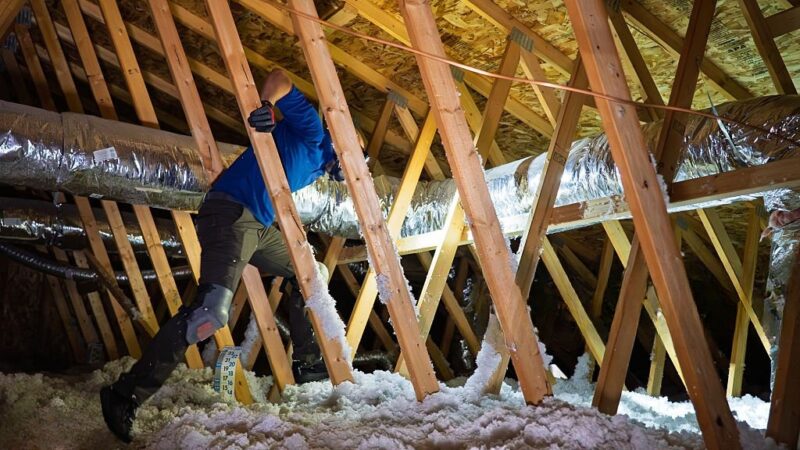
Mold may grow inside ductwork when moisture, dust, and organic debris are present. Condensation, damaged duct insulation, air leaks, high humidity, or water intrusion can contribute to these conditions. Suspected duct contamination should be evaluated by a qualified professional rather than cleaned with household sprays or chemicals.
How quickly should water damage be dried?
Wet materials should be dried as quickly as possible, ideally within 24 to 48 hours. Prompt water removal, dehumidification, and airflow can help limit mold growth. Materials such as soaked drywall, insulation, carpet padding, or ceiling tiles may need to be removed if they cannot be dried thoroughly.
When should I call a professional for mold?
Professional help is recommended when mold covers a large area, returns after cleaning, is hidden behind walls or beneath flooring, involves the HVAC system, or follows significant flooding or storm damage. You should also seek professional assistance when the moisture source is unclear or when the affected materials cannot be cleaned and dried safely.
Beat the Humidity Before it Beats Your Home!
Mold prevention starts with controlling moisture before it has a chance to become a larger problem. Keeping indoor humidity between 30% and 50%, repairing leaks quickly, improving ventilation, drying wet materials promptly, and maintaining your HVAC system can all help protect indoor air quality in Port Charlotte. Proper AC installation in Port Charlotte also matters because a correctly sized system can cool the home without short cycling, while regular AC maintenance in Port Charlotte helps support airflow, drainage, and humidity removal.
At Dale’s AC as a professional HVAC company in Port Charlotte, we provide air conditioning repair in Port Charlotte, residential HVAC services in Port Charlotte, and practical solutions for improving indoor air quality in Port Charlotte. We can inspect your system, identify moisture-related concerns, and recommend options such as maintenance, dehumidification, filtration, or ventilation based on your home’s needs. Call us today at (941) 629-1712 or contact us and let us help keep moisture out of the picture before mold moves in.