

Hurricane season brings more than heavy rain and strong winds. It can also create serious risks for your air conditioning system. Outdoor condenser units are exposed to flying debris, flooding, electrical surges, and prolonged power outages, all of which can damage important HVAC components and lead to costly repairs. For Florida homeowners, preparing an AC system before a storm arrives is an important part of protecting both home comfort and a valuable HVAC investment.
Taking a few preventive steps before hurricane season can help reduce the risk of storm-related damage and make recovery easier once the weather clears. From securing outdoor equipment and clearing debris to installing surge protection and scheduling professional inspections, proper preparation can help your system withstand severe weather more effectively. Whether you are a first-time homeowner or a long-time Florida resident, understanding how to prepare your AC for hurricane season can help keep your cooling system safer, more reliable, and ready to perform when you need it most.
Why Hurricane Season Preparation Matters for Your AC System
Hurricane season preparation matters because your AC system is one of the most exposed and expensive mechanical systems around your home. While the indoor components may be somewhat protected, the outdoor condenser unit sits outside where it can be hit by wind-driven debris, heavy rain, flooding, and electrical surges. In Florida, where air conditioning is essential for comfort after a storm, protecting the system before severe weather arrives can help reduce damage, avoid unsafe operation, and make post-storm recovery easier.
How Hurricanes Can Damage HVAC Equipment
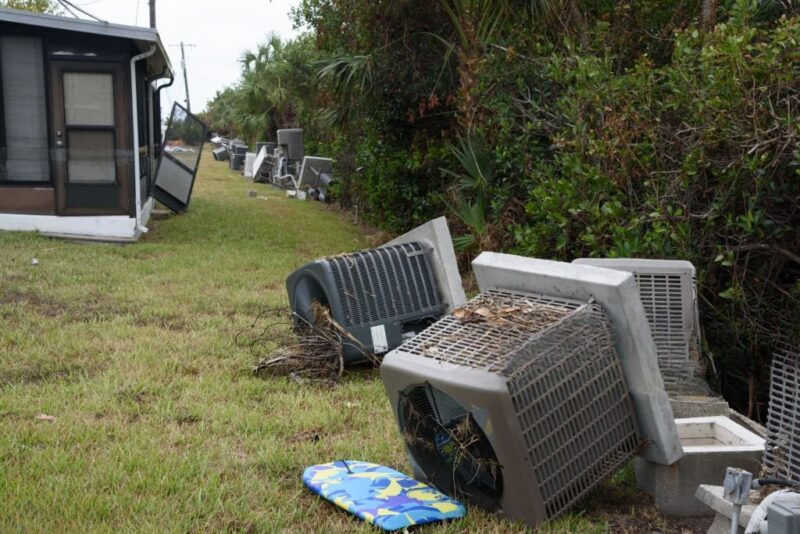
Hurricanes can damage HVAC equipment in several ways. Strong winds can shift or loosen outdoor units, flying debris can bend condenser fins or damage refrigerant lines, and heavy rain can expose electrical components to moisture. Power surges and outages can also affect sensitive controls, motors, capacitors, and circuit boards. Even if the system appears fine after the storm, hidden damage can reduce cooling performance or create safety risks if the AC is turned on too soon.
Risks From High Winds, Flooding, and Flying Debris
High winds, flooding, and flying debris are some of the biggest risks to outdoor AC units during hurricane season. Loose patio furniture, branches, tools, planters, and other objects can become projectiles and strike the condenser. Floodwater can damage motors, wiring, and electrical controls, especially if the unit sits in a low-lying area. Wind can also push debris into the unit, block airflow, or cause physical damage that affects the system’s ability to release heat properly.
Why Florida Homeowners Should Plan Ahead
Florida homeowners should plan ahead because storms can develop quickly, and AC preparation is easier before watches and warnings are issued. Waiting until the last minute can make it harder to schedule service, secure outdoor equipment, clear debris, or install surge protection. A pre-season inspection gives homeowners time to address loose components, drainage concerns, electrical issues, or existing performance problems before severe weather arrives. Planning ahead helps protect comfort, safety, and long-term HVAC reliability.
The Cost of Waiting Until a Storm Is Approaching
Waiting until a storm is already approaching can leave homeowners with fewer options. HVAC companies may be fully booked, stores may run out of supplies, and outdoor cleanup may become unsafe as weather conditions worsen. Last-minute preparation can also lead to rushed decisions, missed damage risks, or improper covering and securing of equipment. Taking care of AC preparation early can help avoid expensive repairs, reduce post-storm downtime, and give homeowners more confidence that their cooling system is better protected.
Understanding the Risks Hurricanes Pose to AC Systems
Hurricanes can affect an AC system before, during, and after the storm. The outdoor condenser unit is especially vulnerable because it is exposed to wind, rain, debris, flooding, and changing outdoor conditions. Even when the unit looks intact from the outside, storm-related damage can affect electrical components, refrigerant lines, coils, airflow, and overall cooling performance. Understanding these risks helps Florida homeowners prepare early, protect their equipment, and avoid turning on a damaged system after severe weather.
Wind Damage to Outdoor Condenser Units
High winds can loosen, shift, or damage outdoor condenser units, especially if the equipment is not properly secured to a stable pad. Strong gusts may also bend condenser fins, damage fan blades, or disturb refrigerant lines and electrical connections. If the unit moves even slightly, it may affect refrigerant line integrity or cause vibration problems when the system restarts. Homeowners should have the unit inspected if it appears tilted, displaced, noisy, or physically damaged after a storm.
Flooding and Water Intrusion Concerns
Flooding is one of the most serious hurricane-related risks for HVAC equipment. If floodwater reaches the outdoor unit, electrical parts, motors, wiring, and controls may become damaged or unsafe to operate. Standing water can also carry dirt, salt, and debris into the unit, increasing the risk of corrosion and mechanical issues. Homeowners should never restart an AC system that has been exposed to floodwater until it has been inspected by a qualified HVAC professional.
Electrical Surges and Power Outages
Hurricanes often bring power outages, flickering electricity, and sudden power restoration, all of which can affect HVAC equipment. Electrical surges can damage sensitive components such as capacitors, contactors, control boards, thermostats, and motors. Even after power returns, the system may not operate correctly if surge damage has occurred. Surge protection and proper shutdown before severe weather can help reduce the risk of electrical damage.
Debris Accumulation Around HVAC Equipment
Branches, leaves, palm fronds, mulch, and wind-blown debris can collect around or inside the outdoor AC unit during a hurricane. Debris can block airflow, bend coil fins, jam the fan, or prevent the condenser from releasing heat properly. After the storm, homeowners should visually inspect the area around the unit and remove loose debris from the outside. If debris appears lodged inside the equipment, it is safer to call an HVAC technician rather than opening the unit or forcing the system to run.
Salt Air and Moisture Exposure After Storms
In coastal and humid Florida areas, salt air and lingering moisture can increase the risk of corrosion after a hurricane. Even if the system avoids major wind or flood damage, storm moisture can settle on metal components, coils, electrical parts, and fasteners. Over time, corrosion can weaken equipment and reduce efficiency. A post-storm inspection and cleaning can help identify early signs of corrosion, restore proper airflow, and protect the system from long-term damage.
Schedule a Professional AC Inspection Before Hurricane Season
Scheduling a professional AC inspection before hurricane season helps homeowners catch system issues before severe weather puts extra stress on the equipment. A pre-season inspection gives an HVAC technician a chance to check the outdoor condenser, indoor components, electrical connections, drainage system, airflow, and overall cooling performance before storms become a threat. For Florida homeowners, this step is especially important because the AC system may be needed immediately after a storm passes, when heat and humidity return quickly and repair appointments may be harder to schedule.
Checking System Condition and Performance
A professional inspection helps confirm that the AC system is operating properly before hurricane season begins. The technician can evaluate cooling performance, airflow, refrigerant levels, coil condition, thermostat operation, and overall system efficiency. If the system is already struggling before a storm, severe weather, power interruptions, or debris exposure can make the problem worse. Checking performance early gives homeowners time to address weak cooling, unusual noises, short cycling, or other warning signs before an emergency develops.
Inspecting Electrical Connections and Components
Electrical components are especially vulnerable during hurricane season because storms can bring power outages, voltage fluctuations, and electrical surges. During an inspection, an HVAC professional can check wiring, capacitors, contactors, control boards, disconnect boxes, and other electrical parts for signs of wear or damage. Loose connections or weakened components may fail during or after a storm, leaving the system unable to restart. Identifying these risks early can help improve reliability and reduce the chance of electrical-related breakdowns.
Evaluating Drainage and Moisture Management
Heavy rain and high humidity can make drainage and moisture management more important during hurricane season. Your AC system removes moisture from indoor air and sends condensation through a drain line, but clogs or drainage issues can cause water leaks, musty odors, or system shutdowns. A technician can inspect and clear condensate drain lines, check drain pans, and look for signs of moisture buildup. Proper drainage helps protect the home from water damage and supports better indoor comfort after storms.
Identifying Existing Problems Before a Storm Arrives
Hurricane season is not the time to discover that your AC has a weak capacitor, clogged drain line, dirty coils, loose wiring, or poor airflow. Existing problems can become more serious when the system is exposed to storm conditions or has to work hard after power is restored. A pre-season inspection helps identify these issues before they turn into major repairs. This gives homeowners more time to schedule service, replace worn parts, and prepare the system before severe weather is on the way.
Why Preventive Maintenance Matters Before Hurricane Season
Preventive maintenance matters because it helps your AC system enter hurricane season in the best possible condition. A clean, inspected, and properly functioning system is more likely to recover well after power outages, heavy rain, and high humidity. Maintenance can also reduce the risk of emergency breakdowns during a time when HVAC service demand may be high. For Port Charlotte homeowners, scheduling AC maintenance before hurricane season is a smart way to protect comfort, improve reliability, and reduce post-storm stress.
Secure Your Outdoor AC Unit
Your outdoor AC unit is one of the most exposed parts of your HVAC system during hurricane season. Because the condenser sits outside year-round, it can be affected by strong winds, flying debris, shifting ground, and heavy rain. Securing the unit before severe weather arrives can help reduce the risk of movement, impact damage, refrigerant line stress, and electrical issues after a storm. For Florida homeowners, especially in storm-prone areas like Port Charlotte, checking the stability of the outdoor unit should be part of every hurricane season preparation plan.
Why Outdoor Condenser Units Are Vulnerable During Storms
Outdoor condenser units are vulnerable because they are exposed directly to wind, rain, branches, loose yard items, and debris. High winds can push against the unit or send objects into the condenser coil, fan grille, or refrigerant lines. If the unit shifts from its base, even slightly, it can strain connected electrical wiring and refrigerant lines. This can lead to leaks, poor cooling performance, unusual vibration, or unsafe operation once the system is turned back on after the storm.
Inspecting Existing Mounting and Anchoring Systems
Before hurricane season begins, homeowners should inspect whether the outdoor unit is properly mounted and stable. Look for loose bolts, rusted brackets, cracked fasteners, or signs that the unit has shifted on its pad. The condenser should sit level and should not wobble when lightly checked from the outside. If the current anchoring system looks worn, damaged, or missing, it is best to have an HVAC professional evaluate it before severe weather becomes a threat.
Hurricane Straps and Tie-Down Options
Hurricane straps, tie-downs, or approved anchoring systems can help keep an outdoor AC unit more secure during high winds. These supports are designed to reduce movement and help hold the condenser in place when storm conditions intensify. The right option depends on the unit type, installation location, equipment pad, and local building requirements. Because improper securing can damage the unit or interfere with operation, homeowners should avoid makeshift tie-downs and ask a professional about safe, code-appropriate options.
Ensuring the Equipment Pad Is Stable
The equipment pad beneath the outdoor unit is just as important as the unit itself. If the pad is cracked, sinking, uneven, or surrounded by eroded soil, the condenser may become unstable during heavy rain or flooding. A shifting pad can cause the unit to tilt, which may affect refrigerant lines, drainage, and vibration during operation. Before hurricane season, homeowners should check that the pad is level, solid, and properly supported. Any signs of movement or settling should be addressed before storms arrive.
When Professional Securing Is Recommended
Professional securing is recommended if the unit is not anchored, the pad is unstable, the equipment has shifted, or the home is in an area prone to high winds or flooding. An HVAC technician can check the outdoor unit, mounting hardware, refrigerant lines, electrical connections, and clearance around the condenser. Professional help ensures the unit is secured without damaging sensitive components or blocking airflow. This gives homeowners more confidence that their AC system is better prepared for hurricane season.
Clear Debris Around Your HVAC System
One of the simplest ways to prepare your AC for hurricane season is to clear debris from around the outdoor unit. During a storm, loose objects, branches, leaves, and landscaping materials can become airborne and damage HVAC equipment. Even after the storm passes, debris buildup can block airflow, trap moisture, and reduce system performance. Taking time to clean and secure the area around your condenser before hurricane season helps protect the equipment and supports safer operation once the weather improves.
Remove Loose Yard Items Before a Storm
Loose yard items can quickly become dangerous projectiles during hurricane-force winds. Patio furniture, potted plants, garden tools, decorations, grills, and outdoor storage items should be secured or moved indoors before a storm arrives. Even smaller objects can strike the outdoor condenser and damage coils, fan components, refrigerant lines, or the unit cabinet. Creating a hurricane preparation checklist can help ensure nothing is overlooked when severe weather is approaching.
Trim Trees and Overhanging Branches
Trees and large branches near the outdoor unit can become a significant hazard during storms. Strong winds may break limbs and send them crashing into the condenser, causing physical damage that can affect cooling performance or require expensive repairs. Trimming overhanging branches and removing dead or weak limbs before hurricane season can help reduce this risk. Regular tree maintenance also helps keep leaves and debris from collecting around the HVAC system throughout the year.
Clean Leaves, Mulch, and Debris Around the Unit
Leaves, grass clippings, mulch, pine needles, and other landscaping materials can collect around the outdoor condenser and restrict airflow. Before hurricane season, homeowners should clear away debris from the area surrounding the unit and inspect the condenser for any buildup along the exterior coils. A clean area not only helps protect the equipment during storms but also supports efficient heat transfer and cooling performance throughout the cooling season.
Maintain Proper Clearance for Airflow and Safety
Outdoor AC units need adequate clearance on all sides to operate properly. Shrubs, fencing, decorative landscaping, and stored items placed too close to the condenser can restrict airflow and make maintenance more difficult. Hurricane season is a good time to evaluate the area around the unit and ensure there is enough open space for airflow and service access. Maintaining proper clearance can help the system operate more efficiently and reduce the chance of debris becoming trapped during a storm.
Why Debris Can Cause Damage During High Winds
Debris becomes much more dangerous when exposed to high winds. Objects that seem harmless under normal conditions can be lifted, thrown, or driven into HVAC equipment with significant force during a hurricane. Flying debris can bend condenser fins, damage fan blades, puncture refrigerant lines, and dent the unit housing. Even if damage is not immediately visible, debris impact can affect system performance and lead to problems after the storm. Clearing the area around your HVAC system before hurricane season is a simple step that can help prevent costly repairs and protect your cooling equipment.
Protect Your AC From Flooding Risks
Flooding is one of the most serious threats to an outdoor AC system during hurricane season. While rain alone is usually not a problem for equipment designed to sit outside, rising water and prolonged standing water can damage electrical components, motors, wiring, controls, and metal parts. In Florida homes, especially those in low-lying or coastal areas, protecting the outdoor unit from flood exposure should be part of storm preparation. Taking steps before hurricane season can help reduce damage risks and keep the system safer after severe weather passes.
Understanding Flood-Prone Areas Around Your Home
Before hurricane season begins, homeowners should look at how water moves around their property during heavy rain. Low spots, poor grading, clogged gutters, blocked drainage paths, and areas where water pools near the outdoor condenser can increase the risk of flood exposure. If the AC unit sits close to the ground or in an area that regularly collects water, it may be more vulnerable during a hurricane. Identifying these areas early gives homeowners time to make improvements before a major storm arrives.
Why Standing Water Can Damage HVAC Components
Standing water can damage an AC system by reaching electrical connections, fan motors, contactors, capacitors, control wiring, and other sensitive components inside the outdoor unit. Floodwater can also carry mud, salt, debris, and contaminants that may corrode metal parts or interfere with system operation. Even if the unit dries out after the storm, internal damage may still remain. Running an AC system after flood exposure can be unsafe and may cause further damage to the equipment.
Elevating Equipment in Vulnerable Locations
For homes in flood-prone areas, elevating the outdoor AC unit may help reduce the risk of water damage. This usually involves placing the equipment on an approved elevated platform or properly designed stand that meets local code and manufacturer requirements. Elevation should always be handled by professionals because the unit must remain level, securely supported, and properly connected to refrigerant and electrical lines. If your unit has flooded before or sits in a low area, ask an HVAC professional whether elevation is a good option.
Drainage Improvements Around Outdoor Units
Improving drainage around the outdoor unit can help move stormwater away from the equipment. This may include clearing gutters, extending downspouts, improving soil grading, removing debris from drainage paths, or correcting areas where water pools near the condenser pad. The goal is to prevent water from collecting around the unit during heavy rain. Good drainage also helps protect the equipment pad from erosion or shifting, which can affect the stability and alignment of the outdoor condenser.
What to Do if Floodwater Reaches Your AC System
If floodwater reaches your outdoor AC unit, do not turn the system back on until it has been inspected by a licensed HVAC professional. Even if the unit looks normal from the outside, electrical components and internal parts may be damaged or unsafe. Turn off power to the system if it is safe to do so, avoid touching wet equipment, and document visible damage for insurance purposes. A professional inspection can determine whether the system can be safely repaired or whether replacement may be necessary.
Prepare for Power Outages and Electrical Surges
Hurricanes can create serious electrical risks for your air conditioning system. Power outages, flickering electricity, lightning, downed lines, and sudden power restoration can all affect HVAC components. Even if your outdoor unit avoids wind or flood damage, the system may still be vulnerable to electrical surges that can damage controls, motors, capacitors, contactors, and thermostats. Preparing for power interruptions before hurricane season helps protect your AC system and reduces the risk of expensive post-storm repairs.
How Hurricanes Affect Electrical Systems
Hurricanes can disrupt electrical systems through high winds, lightning, heavy rain, flooding, and utility grid interruptions. Power may flicker repeatedly, shut off completely, or return suddenly after an outage. These sudden changes can place stress on HVAC electrical components, especially if the AC is running when the surge occurs. Turning off the system before severe weather arrives can help reduce the risk of damage from unstable power and make it safer to inspect the equipment after the storm.
The Importance of Surge Protection for HVAC Equipment
Surge protection helps defend your HVAC system from sudden voltage spikes. Air conditioners contain sensitive electrical components that can be damaged by lightning-related surges or power fluctuations when electricity returns after an outage. A surge protector cannot prevent every type of storm damage, but it can provide an added layer of protection for valuable equipment. For Florida homeowners, surge protection is especially worth considering because storms and power disruptions are common during hurricane season.
Whole-Home vs Dedicated HVAC Surge Protectors
Whole-home surge protectors are installed at the electrical panel to help protect many connected devices and appliances throughout the house. Dedicated HVAC surge protectors are installed specifically to protect the air conditioning system. Both options can be useful, and some homeowners may benefit from using them together for stronger protection. An HVAC professional or licensed electrician can help determine which type of surge protection is appropriate based on your home, equipment, and electrical setup.
Backup Generator Considerations
A backup generator can help restore power during outages, but it must be properly sized and installed to support HVAC equipment safely. Air conditioners require a significant amount of power, especially during startup, so not every generator can run a central AC system. Improper generator use can damage equipment or create safety hazards. Homeowners should work with qualified professionals to determine whether their generator can support the AC system, how to operate it safely, and whether transfer switches or load management are needed.
Protecting Sensitive HVAC Electronics
Modern HVAC systems often include control boards, smart thermostats, sensors, communicating equipment, and variable-speed components that can be sensitive to power fluctuations. These parts can be expensive to replace if damaged by surges or unstable electricity. Before hurricane season, homeowners should consider surge protection, check thermostat batteries if applicable, and shut off the AC at the breaker when severe weather is approaching. After the storm, avoid restarting the system if there are signs of electrical damage, flooding, burning smells, tripped breakers, or unusual operation.
What to Do With Your AC Before the Hurricane Arrives
Preparing your AC system before a hurricane can help reduce the risk of storm-related damage and make it easier to safely restart the system afterward. While many homeowners focus on windows, roofs, and outdoor belongings, the HVAC system often gets overlooked until the last minute. Taking a few simple precautions before severe weather arrives can help protect electrical components, reduce surge risks, and prevent avoidable damage caused by power interruptions or flooding.
When to Turn Off Your Air Conditioner
Your air conditioner should generally be turned off before hurricane conditions become severe, especially when strong winds, flooding, or power outages are expected. Running the AC during unstable weather can expose the system to power fluctuations and sudden outages that may damage electrical components. Many homeowners choose to cool the home beforehand and then shut the system down once storm conditions are approaching. Following local emergency guidance and manufacturer recommendations can help determine the best timing.
Why You Should Shut Off Power at the Breaker
Turning off the AC at the breaker provides an extra layer of protection against electrical surges and sudden power restoration. Even if the thermostat is set to off, power can still reach parts of the HVAC system. Shutting off the breaker helps reduce the risk of damage from lightning strikes, voltage spikes, and unstable utility power during and after the storm. Once the weather has passed, power should only be restored after the equipment has been visually inspected and determined to be safe to operate.
Thermostat Preparation Tips
Before the storm arrives, make sure the thermostat is functioning properly and set the system to off before shutting down power. If your thermostat uses batteries, it may be a good time to replace them so the device is ready once power returns. Smart thermostat users should familiarize themselves with any backup settings or reconnect procedures that may be needed after an outage. Keeping thermostat settings simple before the storm can make restarting the system easier later.
Avoiding Last-Minute HVAC Mistakes
Last-minute preparation often leads to rushed decisions that may do more harm than good. Avoid wrapping the condenser tightly in plastic, placing heavy objects on top of the unit, or attempting repairs without proper training. Do not wait until high winds or heavy rain begin to secure outdoor equipment or clear debris. Hurricane preparation is most effective when completed well before severe weather arrives, giving homeowners time to inspect the system and address any concerns safely.
Creating a Hurricane Readiness Checklist
A hurricane readiness checklist can help ensure important HVAC preparation steps are not forgotten. Consider including tasks such as scheduling a pre-season AC inspection, clearing debris around the outdoor unit, trimming nearby branches, securing loose yard items, checking surge protection, shutting off power at the breaker, and inspecting drainage around the condenser. Having a checklist in place allows homeowners to prepare more confidently and helps reduce stress when a storm is approaching.
Should You Cover Your Outdoor AC Unit?
Covering an outdoor AC unit before a hurricane can be helpful in certain situations, but it needs to be done carefully. The goal is to protect the condenser from wind-driven debris, not to trap moisture or block airflow while the system is running. Since outdoor units are built to handle normal rain, a cover is usually not needed for everyday weather. However, temporary protection before a severe storm may reduce the chance of leaves, branches, and loose debris entering the unit, as long as the cover is removed before the system is turned back on.
Pros and Cons of Covering an AC Unit
The main benefit of covering an AC unit before a storm is protection from flying debris. A properly secured temporary cover may help keep branches, leaves, and small objects from getting inside the condenser. However, covering also has risks. If the cover traps moisture, fits too tightly, or stays on too long after the storm, it can encourage rust, corrosion, mold, or electrical moisture problems. A cover should never be used while the AC is running, and it should not replace proper securing, debris removal, or professional storm preparation.
Manufacturer Recommendations to Consider
Before covering your outdoor unit, check the manufacturer’s recommendations for your specific AC model. Some manufacturers may advise against full covers because outdoor condensers need ventilation and are designed to withstand rain. Others may recommend specific types of breathable or temporary covers for storm protection. Following the manufacturer’s guidance helps avoid accidental damage, warranty concerns, or unsafe operation. If you are unsure, ask an HVAC professional before using any cover.
When Temporary Protection May Help
Temporary protection may help when a major storm is expected and the unit is at risk of being hit by flying debris. This is especially true if the condenser sits near trees, loose landscaping materials, fences, outdoor furniture, or other objects that could break loose during high winds. A temporary cover can also help keep debris out of the top grille and coil area. The key is to install it only after the system has been turned off and to remove it promptly once the storm has passed and the unit is safe to inspect.
Why Improper Covers Can Cause Problems
Improper covers can cause problems by trapping moisture inside the unit, blocking ventilation, or creating a false sense of protection. Plastic tarps wrapped tightly around the condenser can hold humidity against metal parts and electrical components, increasing the risk of corrosion. Loose covers can also become projectiles during high winds if they are not secured properly. Heavy objects should never be placed on top of the unit to hold a cover down, because they can damage the cabinet, fan grille, or internal components.
Safe Covering Practices Before a Storm
If you choose to cover your outdoor AC unit before a hurricane, turn the system off first and shut off power at the breaker. Use a breathable, properly fitted, temporary cover if recommended for your equipment, and secure it so it cannot blow away. Avoid wrapping the unit tightly in plastic or blocking it for long periods. After the storm, remove the cover, inspect the unit for visible damage or debris, and do not restart the system if there are signs of flooding, electrical damage, unusual noises, or physical impact.
4 AC Safety Tips During the Hurricane
1. Keep the System Shut Down During Severe Weather
Once severe weather conditions arrive, the AC system should remain turned off. Running the air conditioner during a hurricane can expose it to power fluctuations, electrical surges, debris-related damage, and unsafe operating conditions. Even if the system appears to be functioning normally, unstable utility power can affect sensitive HVAC components. Keeping the system shut down until the storm passes helps reduce the chance of electrical damage and protects the equipment from unnecessary stress.
2. Avoid Operating the AC During Flood Conditions
If floodwater is present around the outdoor unit or there is any concern that water has reached HVAC equipment, do not operate the system. Water can damage electrical components, motors, wiring, and controls, creating both safety hazards and potential equipment failure. Running the AC after flood exposure may worsen the damage and increase repair costs. If flooding occurs, wait for a professional inspection before attempting to restart the system.
3. Electrical Safety Precautions for Homeowners
Electrical safety should always be a priority during a hurricane. Avoid touching outdoor HVAC equipment during severe weather, especially if standing water is present nearby. Do not attempt to inspect, repair, or restart the system while storm conditions are ongoing. If the AC was shut off at the breaker before the storm, leave it off until conditions improve and the equipment can be safely inspected. Homeowners should also be cautious around damaged electrical panels, exposed wiring, or any signs of electrical problems after the storm.
4. Monitoring Indoor Comfort During Power Outages
Power outages are common during hurricanes, which means air conditioning may not be available for an extended period. To help maintain comfort, keep blinds and curtains closed, limit opening exterior doors, stay hydrated, and use battery-powered fans if available. If a backup generator is being used, follow manufacturer guidelines and never operate generators indoors or near windows and doors. Once power is restored, avoid immediately turning the AC back on if there are signs of flooding, physical damage, unusual odors, or electrical concerns. A quick inspection can help prevent additional problems and ensure the system is safe to operate.
Post-Hurricane AC Inspection Checklist
1. Check for Visible Physical Damage
Start by visually inspecting the outdoor condenser unit and any exposed HVAC equipment. Look for dents, bent panels, damaged fan grilles, loose components, shifted equipment, or signs that the unit moved during the storm. Also check refrigerant lines and exposed piping for visible damage. If the unit appears tilted, unstable, or physically damaged, do not attempt to operate it until it has been inspected by an HVAC professional.
2. Inspect for Debris Around the Outdoor Unit
Remove branches, leaves, palm fronds, and other debris that may have collected around the condenser. Debris can block airflow, damage condenser coils, or interfere with fan operation. Before turning the system on, make sure the area around the unit is clear and that nothing is lodged inside the top grille or coil surfaces. If debris appears trapped inside the equipment, avoid reaching into the unit and contact a professional for assistance.
3. Look for Signs of Floodwater Exposure
Check for water lines, mud deposits, sediment, corrosion, or other evidence that floodwater reached the outdoor unit. Even shallow flooding can damage motors, electrical connections, controls, and wiring. If there is any indication that the unit was submerged or exposed to standing water, do not restart the system. Flood-damaged HVAC equipment should be professionally inspected to determine whether repairs or replacement are necessary.
4. Examine Electrical Components and Wiring
Inspect visible electrical components for signs of damage, including burned wiring, loose connections, corrosion, melted insulation, or unusual odors. Also check the electrical disconnect box near the outdoor unit if it can be safely viewed from the outside. If breakers are tripped, avoid repeatedly resetting them without understanding the cause. Electrical damage is not always visible, so any concerns should be evaluated by a qualified HVAC technician or electrician.
5. Verify Proper Airflow and Cooling Performance
If the system appears safe and has not been exposed to flooding, restore power and monitor operation carefully. Pay attention to airflow from vents, cooling performance, thermostat response, and unusual sounds or smells. The system should cool normally, maintain airflow, and operate without excessive vibration or noise. Weak airflow, warm air, short cycling, or unusual operation may indicate hidden storm-related damage that requires professional attention.
6. When to Call an HVAC Professional Before Restarting
Homeowners should call an HVAC professional before restarting the system if there are signs of flooding, physical damage, electrical concerns, refrigerant line damage, unusual odors, or debris lodged inside the equipment. It is also wise to schedule a professional inspection if the system is older, experienced power surge exposure, or is not operating normally after the storm. A post-hurricane evaluation can help identify hidden issues, prevent additional damage, and ensure the AC system is safe and reliable before returning to regular use.
5 Common AC Problems After Hurricanes
1. Water-Damaged Components
Water damage is one of the most serious AC problems after a hurricane. If floodwater reaches the outdoor condenser or indoor HVAC components, it can damage motors, wiring, capacitors, contactors, control boards, and other electrical parts. Moisture can also lead to corrosion over time, especially in humid or coastal areas. If your AC system was exposed to standing water or floodwater, do not turn it on until a licensed HVAC professional has inspected it.
2. Electrical Failures and Tripped Breakers
Power outages and electrical surges during hurricanes can cause breakers to trip or HVAC components to fail. If the AC will not turn on after power is restored, the issue may involve a damaged capacitor, contactor, control board, thermostat, wiring, or compressor. Avoid repeatedly resetting a tripped breaker, especially if it trips again immediately. Frequent breaker trips may signal an electrical problem that needs professional diagnosis.
3. Blocked Condenser Coils and Airflow Issues
Storm debris can block condenser coils and reduce outdoor airflow. Leaves, branches, dirt, mulch, and palm fronds may collect around or inside the outdoor unit, making it harder for the AC to release heat. When airflow is restricted, the system may run longer, cool poorly, or overheat. Homeowners can clear loose debris from around the unit, but debris lodged inside the equipment should be removed by an HVAC technician to avoid damaging the fan, coils, or electrical parts.
4. Refrigerant Line Damage
High winds, falling branches, shifting equipment, or debris impact can damage refrigerant lines connected to the outdoor unit. A bent, cracked, or loosened refrigerant line can cause leaks that reduce cooling performance and place strain on the compressor. Signs of refrigerant problems may include warm air from vents, hissing sounds, ice buildup, or longer cooling cycles. Refrigerant issues should always be handled by a licensed HVAC professional.
5. Unusual Noises or Cooling Problems After the Storm
If your AC makes banging, buzzing, rattling, grinding, or screeching sounds after a hurricane, turn it off and schedule an inspection. Unusual noises may indicate loose parts, fan damage, debris inside the unit, electrical issues, or storm-related impact damage. Poor cooling, weak airflow, short cycling, or strange odors after the storm are also warning signs that the system may need service before it can operate safely and efficiently.
Professional Hurricane Season AC Preparation in Port Charlotte, FL
Preparing your AC system for hurricane season is easier and safer with help from a local HVAC professional. In Port Charlotte, FL, homeowners face heavy rain, high winds, humidity, power outages, and potential flooding during storm season, all of which can affect air conditioning equipment. Dale’s AC helps homeowners prepare before storms arrive and recover after severe weather passes with practical inspections, maintenance, repairs, and honest recommendations designed for Florida homes.
Pre-Season HVAC Inspections
A pre-season HVAC inspection helps identify AC issues before hurricane season creates additional stress on the system. Technicians can check cooling performance, airflow, refrigerant levels, coils, drain lines, electrical components, thermostat operation, and outdoor unit condition. Addressing small problems early can reduce the risk of breakdowns after a storm, when reliable cooling becomes especially important.
Outdoor Unit Safety and Stability Checks
The outdoor condenser unit is one of the most vulnerable parts of the AC system during severe weather. Dale’s AC can inspect the unit’s placement, equipment pad, mounting condition, refrigerant lines, and surrounding clearance to help determine whether it is stable and properly protected. If the unit appears loose, tilted, poorly supported, or exposed to debris risks, professional guidance can help homeowners take the right steps before a storm threatens the area.
Surge Protection Recommendations
Power surges and outages are common during hurricane season and can damage sensitive HVAC components. Dale’s AC can help homeowners understand surge protection options for their air conditioning system, including dedicated HVAC surge protection or recommendations for whole-home protection when appropriate. Protecting electrical components can help reduce the risk of costly damage to control boards, capacitors, motors, thermostats, and other important parts.
Post-Storm AC Inspections and Repairs
After a hurricane, it is important to make sure the AC system is safe before turning it back on. Dale’s AC can inspect for floodwater exposure, debris damage, electrical issues, refrigerant line problems, airflow restrictions, and unusual system operation. If repairs are needed, prompt service can help prevent further damage and restore cooling safely. A professional post-storm inspection is especially important if the unit was exposed to standing water, heavy debris, or power surge activity.
Trusted Hurricane Season Support From Dale’s AC
Dale’s AC provides trusted hurricane season support for Port Charlotte homeowners who want to protect their cooling systems before and after severe weather. From preventive maintenance and system inspections to storm-related repairs and honest equipment guidance, our team helps homeowners make smart decisions for comfort, safety, and long-term HVAC reliability. During Florida’s storm season, having a dependable local HVAC partner can make recovery less stressful and help keep your home ready for the heat that follows.
FAQs About Preparing Your AC for Hurricane Season
Should I turn off my AC before a hurricane?
Yes, it is usually best to turn off your AC before severe hurricane conditions arrive. Power outages, lightning, and voltage fluctuations can damage electrical components if the system is running during unstable weather. Many homeowners cool the home ahead of the storm, then shut the AC off at the thermostat and breaker once conditions begin to worsen. This helps reduce the risk of surge damage and makes it safer to inspect the system after the storm passes.
Can floodwater damage my air conditioner?
Yes, floodwater can seriously damage an air conditioner, especially the outdoor condenser unit. Standing water can reach motors, wiring, capacitors, contactors, control boards, and other electrical components. Floodwater may also carry mud, salt, and debris that can cause corrosion or internal damage. If floodwater reaches your AC system, do not turn it back on until it has been inspected by a licensed HVAC professional.
Do I need to cover my outdoor AC unit during a storm?
You may use a temporary cover before a hurricane if it is recommended for your equipment and installed safely, but outdoor AC units should not stay covered long-term. A cover can help protect against flying debris, but it can also trap moisture if used incorrectly. Avoid wrapping the unit tightly in plastic or placing heavy objects on top of it. If you cover the unit, turn the system off first, secure the cover properly, and remove it after the storm before restarting the AC.
How can I protect my AC from power surges?
You can protect your AC from power surges by installing surge protection, shutting the system off before severe weather, and turning off power at the breaker when a hurricane is approaching. Whole-home surge protectors and dedicated HVAC surge protectors can both help reduce the risk of electrical damage. Since AC systems have sensitive components like capacitors, control boards, motors, thermostats, and sensors, surge protection is a smart investment for Florida homeowners.
When is it safe to turn my AC back on after a hurricane?
It is safe to turn your AC back on only after the storm has passed and the system has been visually inspected for damage. Check for flooding, debris, loose wiring, damaged panels, shifted equipment, unusual odors, or signs that the unit was hit by debris. If the system was exposed to floodwater, has visible damage, or the breaker keeps tripping, do not restart it. Call an HVAC professional first to make sure the equipment is safe to operate.
What should I inspect after a hurricane passes?
After a hurricane, inspect the outdoor AC unit for dents, debris, bent panels, damaged fan grilles, shifted equipment, and signs of floodwater exposure. Check the area around the condenser for branches, leaves, mulch, or objects blocking airflow. Also look for damaged refrigerant lines, loose electrical connections, tripped breakers, or unusual smells. If anything looks unsafe or unfamiliar, leave the system off and schedule a professional inspection.
Can high winds damage an outdoor condenser unit?
Yes, high winds can damage an outdoor condenser unit by pushing debris into the equipment, bending coil fins, damaging fan blades, shifting the unit from its pad, or stressing refrigerant and electrical connections. Even if the unit does not move, wind-blown debris can block airflow or cause hidden damage inside the condenser. After a hurricane, the outdoor unit should be checked carefully before the system is restarted.
Should I schedule professional AC maintenance before hurricane season?
Yes, scheduling professional AC maintenance before hurricane season is a smart way to prepare your system for severe weather. A technician can inspect electrical components, clean coils, check refrigerant levels, clear drain lines, test airflow, evaluate outdoor unit stability, and identify existing problems before storms arrive. For Port Charlotte homeowners, pre-season maintenance can help improve system reliability, reduce storm-related risks, and make post-hurricane recovery less stressful.
Storm-Proof Your Cool Before the Clouds Make Their Move!
Preparing your AC for hurricane season can help protect your system from wind, debris, flooding, power surges, and post-storm cooling problems. By scheduling a pre-season inspection, securing the outdoor unit, clearing nearby debris, planning for outages, and checking the system carefully after severe weather, Florida homeowners can reduce repair risks and keep their cooling equipment safer during storm season.
At Dale’s AC as a reliable HVAC company in Port Charlotte, we help homeowners prepare their AC systems before hurricane season and recover safely after storms pass. Whether you need preventive AC maintenance in Port Charlotte, routine AC replacement in Port Charlotte, proper AC installation in Port Charlotte, outdoor unit checks, surge protection guidance, or post-storm HVAC inspections and air conditioning repair in Port Charlotte, we are here to help protect your comfort and your equipment. Call us today at (941) 629-1712 or contact us and let us help your AC weather the storm.