

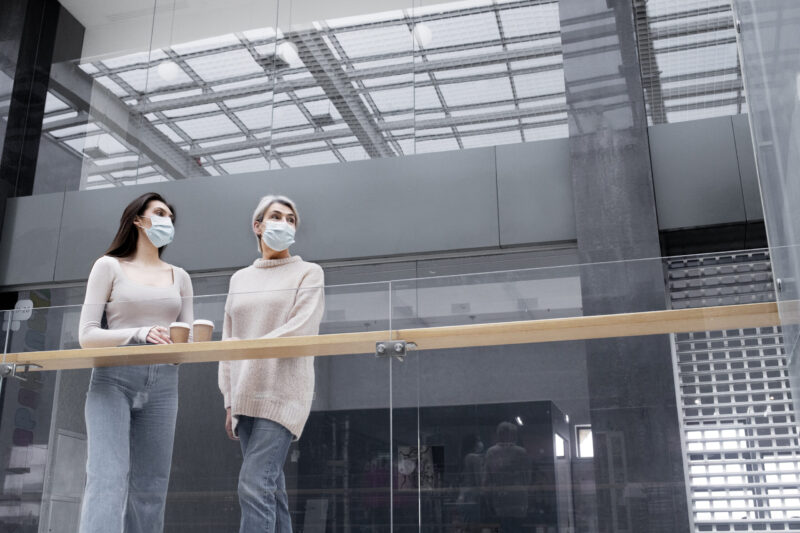
Retail environments depend heavily on creating a comfortable and inviting atmosphere for customers. Temperature, airflow, and indoor air quality can significantly influence how long shoppers stay in a store and how enjoyable their experience feels. When the indoor climate is too warm, too cold, or poorly ventilated, customers may leave sooner than expected, which can directly impact sales. Employees also rely on stable indoor conditions to stay comfortable and productive throughout long work shifts.
An effective HVAC system helps retail businesses maintain consistent temperatures, manage humidity, and ensure proper airflow across the entire store. However, retail spaces present unique challenges compared to other commercial environments. High customer traffic, frequent door openings, large storefront windows, lighting heat loads, and varied store layouts all affect HVAC system performance. Understanding the key HVAC considerations for retail spaces can help business owners choose the right equipment, improve energy efficiency, and create a more comfortable shopping environment for both customers and staff.
Unique HVAC Needs of Retail Spaces
Retail environments have different HVAC requirements compared to offices or industrial facilities. The goal is not only to maintain a comfortable indoor climate but also to support customer experience, protect merchandise, and ensure efficient store operations. Because retail spaces experience fluctuating occupancy levels, frequent door openings, and varying heat loads from lighting and equipment, HVAC systems must be carefully designed to maintain consistent temperature and airflow. Effective climate control helps businesses create welcoming spaces for shoppers while also protecting products and maintaining operational efficiency.
Customer Comfort and Shopping Experience
Customer comfort plays a major role in how people experience a retail store. When indoor temperatures remain stable and comfortable, shoppers are more likely to stay longer, browse more products, and enjoy their overall visit. On the other hand, stores that feel too hot, too cold, or poorly ventilated may cause customers to leave sooner than planned. A properly designed HVAC system helps maintain consistent temperatures across the sales floor, ensuring that every part of the store feels comfortable regardless of the weather outside. Maintaining comfortable indoor conditions also supports positive brand perception, as customers often associate a well-maintained environment with professionalism and quality service.
High Occupancy and Foot Traffic
Retail stores frequently experience fluctuating occupancy levels throughout the day, especially during peak shopping hours, promotions, or holiday seasons. High foot traffic introduces additional heat and humidity into the building, while constant door openings allow conditioned air to escape and outside air to enter. These conditions can create temperature swings and uneven airflow across the store if the HVAC system is not properly designed. Effective HVAC systems in retail spaces must be capable of adapting to changing occupancy levels and maintaining consistent airflow even when customer traffic is high. Proper zoning, air balancing, and ventilation strategies help keep indoor conditions stable despite these constant changes.
Product Preservation Requirements
In many retail settings, temperature and humidity control are essential for protecting merchandise. Certain products such as electronics, cosmetics, food items, and specialty goods can be sensitive to heat, moisture, or fluctuating environmental conditions. Excess humidity can lead to packaging damage, mold growth, or deterioration of delicate items, while excessive heat can reduce product quality and shelf life. HVAC systems designed for retail spaces must maintain appropriate temperature and humidity levels throughout the store to prevent product damage and ensure consistent product quality. Reliable climate control not only protects merchandise but also supports inventory management and customer satisfaction.
4 Key HVAC Design Considerations for Retail Stores
1. Store Size and Layout
The size and layout of a retail store play a major role in determining the appropriate HVAC system capacity. Larger spaces with high ceilings require more cooling and heating power to maintain consistent temperatures throughout the building. For example, small boutique shops may only need compact systems designed for limited square footage, while supermarkets and department stores often require larger rooftop units or multiple HVAC systems to handle their extensive floor areas. Ceiling height also affects air distribution, as taller spaces may require specialized airflow strategies to ensure conditioned air reaches the occupied areas where customers and staff are located.
2. Display Layout and Airflow
Product displays, shelving units, and store fixtures can significantly influence airflow patterns inside a retail space. Large displays or tightly packed shelving can block vents and restrict air circulation, which may lead to uneven temperatures or hot and cold spots within the store. Strategic placement of air vents, return registers, and thermostats helps ensure that conditioned air moves freely across the sales floor. HVAC designers often consider the store layout when planning ductwork and airflow distribution so that merchandise displays do not interfere with effective climate control.
3. Lighting and Equipment Heat Loads
Retail lighting and electronic displays can generate substantial amounts of heat, which increases the cooling demand within the store. Bright lighting systems, digital signage, refrigeration equipment, and other electronics all contribute to internal heat loads that HVAC systems must manage. During system design, these heat sources must be carefully considered during load calculations to ensure the HVAC system can maintain comfortable indoor temperatures. Proper planning helps prevent overheating in display areas and ensures that the cooling system can handle the additional heat generated by lighting and equipment.
4. Window Exposure and Solar Heat Gain
Many retail stores feature large storefront windows designed to attract customers and showcase merchandise. While these windows enhance visibility and aesthetics, they can also allow significant solar heat gain during sunny conditions. Direct sunlight entering through large glass surfaces can increase indoor temperatures and create warm zones near the windows. HVAC designers must account for this heat gain when sizing equipment and planning airflow distribution. Solutions such as energy-efficient glazing, window shading, and proper HVAC system sizing can help manage solar heat gain while maintaining comfortable indoor conditions throughout the store.
Choosing the Right HVAC System for Retail Spaces
Selecting the right HVAC system is one of the most important decisions when designing or upgrading climate control in a retail environment. The system must be capable of maintaining consistent temperatures, handling fluctuating occupancy levels, and operating efficiently throughout long business hours. Different types of HVAC systems offer varying levels of flexibility, efficiency, and scalability depending on the size and layout of the retail space. Understanding the strengths of each system type helps business owners choose solutions that meet both comfort and operational needs.
Packaged Rooftop Units (RTUs)
Packaged rooftop units are one of the most common HVAC solutions used in retail buildings. These systems house all major components—including the compressor, condenser, and evaporator—within a single unit installed on the roof. RTUs are particularly well-suited for small to mid-sized retail spaces because they simplify installation and allow technicians to service equipment without disrupting indoor operations. By locating the equipment on the roof, stores can maximize interior space while maintaining centralized climate control. RTUs also allow for scalable capacity, meaning multiple units can be installed to serve larger retail environments or different zones within a store.
Split HVAC Systems
Split HVAC systems are another option commonly used in smaller retail stores or individual commercial spaces. These systems consist of an outdoor condenser unit paired with one or more indoor air-handling units connected through refrigerant lines. Split systems offer flexible installation options because indoor units can be positioned in different parts of the building to distribute conditioned air more effectively. For smaller retail locations or stores located within multi-tenant buildings, split systems provide a reliable and cost-effective solution for maintaining indoor comfort without requiring large rooftop installations.
Variable Refrigerant Flow (VRF) Systems
Variable refrigerant flow systems provide advanced climate control capabilities that are particularly beneficial for larger retail environments or multi-tenant commercial spaces. VRF systems use advanced technology to regulate the flow of refrigerant to multiple indoor units, allowing precise temperature control in different areas of a building. This zoning capability enables retailers to maintain separate temperature settings for sales floors, storage areas, offices, and other spaces. VRF systems are also known for their high energy efficiency because they adjust output based on demand rather than running at full capacity all the time. This flexibility makes them a strong option for large retail complexes and shopping centers.
Ductless Mini-Split Systems
Ductless mini-split systems are a practical solution for retail spaces that require targeted climate control or have limited space for ductwork. These systems consist of a compact outdoor unit connected to one or more indoor wall-mounted units. Because ductwork is not required, ductless systems are often used in boutique stores, kiosks, or retrofit projects where installing traditional duct systems would be difficult or expensive. Ductless mini-splits provide precise cooling and heating in specific areas, making them ideal for maintaining comfort in smaller retail environments while minimizing installation disruption.
Zoning and Temperature Control Strategies
Retail spaces often contain multiple areas with different temperature needs, such as entrance zones, sales floors, storage rooms, and employee offices. Without proper zoning, a single thermostat may struggle to maintain consistent comfort across the entire store. Zoning strategies allow HVAC systems to deliver conditioned air more efficiently by dividing the building into independently controlled sections. When combined with smart controls and automation, zoning not only improves indoor comfort but also helps reduce energy waste by cooling or heating only the areas that need it.
Zoning for Different Store Areas
Zoning divides a retail space into separate areas that can be controlled independently based on their specific heating or cooling requirements. For example, entrance areas may experience frequent temperature fluctuations due to door openings, while storage rooms and offices may require more stable conditions. Sales floors often need stronger cooling during busy shopping hours because of increased customer traffic and lighting heat loads. By maintaining separate temperature controls for each zone, HVAC systems can respond more accurately to the needs of different parts of the store. This targeted climate control helps maintain consistent comfort for customers and staff while improving overall system efficiency.
Smart Thermostats and Building Automation
Smart thermostats and building automation systems provide retailers with greater control over HVAC performance. Programmable thermostats allow store owners to adjust temperature settings based on operating hours, reducing energy usage during off-hours or when the store is closed. Advanced building management systems can integrate HVAC controls with lighting, occupancy sensors, and other building systems to optimize overall energy efficiency. These automated controls also allow facility managers to monitor system performance, adjust temperature settings remotely, and respond quickly to changing conditions within the retail environment.
Managing Temperature Fluctuations
Retail entrances often experience frequent temperature fluctuations due to constant customer traffic and door openings. These temperature changes can allow conditioned air to escape while outdoor air enters the building, placing additional strain on HVAC systems. To manage this challenge, retailers can implement solutions such as air curtains or vestibules that help minimize energy loss at entry points. Air curtains create a controlled stream of air that acts as a barrier between indoor and outdoor environments, while vestibules provide a buffer zone that reduces direct air exchange. These strategies help maintain stable indoor temperatures and improve energy efficiency during busy shopping periods.
Indoor Air Quality in Retail Environments
Indoor air quality in Port Charlotte is an essential component of a comfortable and healthy retail environment. Poor air quality can negatively affect both customers and employees, leading to discomfort, unpleasant odors, and reduced overall satisfaction inside the store. Retail spaces often experience high foot traffic, which increases the presence of airborne particles, allergens, and pollutants. A properly designed HVAC system helps maintain clean, breathable air by managing ventilation, filtration, and humidity levels. These systems ensure that indoor air remains fresh, comfortable, and compliant with commercial air quality standards.
Ventilation and Fresh Air Exchange
Proper ventilation ensures that fresh outdoor air is regularly introduced into the retail space while stale indoor air is removed. This continuous air exchange helps maintain healthy oxygen levels and reduces the buildup of pollutants such as carbon dioxide, dust, and odors. Adequate ventilation also supports compliance with commercial building standards and ventilation regulations that aim to maintain safe indoor environments. In retail stores with high occupancy and frequent customer turnover, consistent fresh air circulation is essential for maintaining a pleasant shopping atmosphere.
Air Filtration and Contaminant Control
Air filtration systems within commercial HVAC equipment help capture airborne particles that may circulate throughout the store. Filters remove dust, allergens, and other contaminants that could otherwise accumulate inside the retail environment. In busy retail spaces, where people constantly enter and exit the building, filtration plays an important role in maintaining clean air. Effective filtration systems can also help reduce odors and improve overall air freshness, creating a more comfortable and inviting environment for customers and employees.
Humidity Control
Maintaining balanced humidity levels is another critical aspect of indoor air quality in retail spaces. Excess humidity can create conditions that encourage mold growth, cause condensation on surfaces, and lead to discomfort for customers and staff. On the other hand, extremely dry air can also affect comfort levels and product conditions. HVAC systems equipped with humidity control features help regulate moisture levels inside the building, ensuring that indoor air remains comfortable while protecting merchandise and preventing moisture-related issues.
Energy Efficiency Considerations
Energy efficiency is a major priority for retail businesses because HVAC systems often operate for long hours each day. Heating and cooling large retail spaces can consume significant amounts of energy, especially during peak seasons. By choosing energy-efficient HVAC equipment and implementing smart operational strategies, businesses can reduce energy consumption while still maintaining a comfortable shopping environment. Efficient HVAC systems not only lower utility costs but also help extend equipment lifespan and support more sustainable building operations.
High-Efficiency HVAC Equipment
Selecting high-efficiency HVAC equipment is one of the most effective ways to reduce energy consumption in retail spaces. Modern systems are designed to operate more efficiently while delivering consistent heating and cooling performance. Efficiency ratings such as Seasonal Energy Efficiency Ratio (SEER), Energy Efficiency Ratio (EER), and ENERGY STAR certifications help businesses compare system performance and select equipment that meets higher energy standards. Systems with higher efficiency ratings generally consume less electricity to produce the same level of cooling or heating, which helps lower operating costs over time.
Demand-Controlled Ventilation
Demand-controlled ventilation systems improve energy efficiency by adjusting airflow based on real-time occupancy levels within the building. Instead of operating at full ventilation capacity at all times, the system increases or decreases fresh air intake depending on how many people are present in the space. This approach helps maintain good indoor air quality while reducing unnecessary energy use when occupancy levels are lower. Retail stores with varying customer traffic throughout the day can benefit significantly from this type of adaptive ventilation strategy.
Smart HVAC Controls and Scheduling
Smart HVAC controls allow retail businesses to automate system operation based on store hours and occupancy patterns. Programmable thermostats and building automation systems can adjust temperature settings during opening and closing times, ensuring the system operates efficiently without wasting energy when the store is unoccupied. These controls can also help maintain consistent indoor conditions during busy periods while reducing system activity during off-hours. Over time, smart scheduling helps optimize energy usage and lower utility expenses.
Economizers and Energy Recovery Systems
Economizers and energy recovery systems provide additional opportunities for improving HVAC efficiency in retail environments. Economizers allow HVAC systems to use cooler outdoor air for indoor cooling when external conditions are favorable, reducing the need for mechanical cooling. Energy recovery systems capture and reuse energy from exhaust air to precondition incoming fresh air, improving overall system efficiency. These technologies help retail businesses maintain comfortable indoor temperatures while minimizing energy consumption and operational costs.
HVAC Installation and System Sizing
Proper AC installation in Port Charlotte and system sizing are essential for maintaining consistent comfort and efficient operation in retail environments. Installing a system that is too small may result in insufficient cooling or heating during peak conditions, while oversized systems can cycle on and off too frequently, leading to uneven temperatures and unnecessary energy consumption. Accurate planning during installation ensures the HVAC system is capable of handling the building’s unique heating and cooling demands while distributing conditioned air evenly throughout the retail space.
Load Calculations
Load calculations are used to determine the exact heating and cooling requirements of a retail building. These calculations consider factors such as the building’s square footage, ceiling height, insulation levels, number of occupants, lighting systems, and equipment heat loads. Retail stores also require consideration of large storefront windows and frequent door openings, which can introduce additional heat and temperature fluctuations. By analyzing these factors, HVAC professionals can select equipment with the appropriate capacity to maintain stable indoor temperatures while operating efficiently.
Ductwork Design and Air Distribution
Ductwork plays a crucial role in delivering conditioned air throughout the retail space. Poorly designed duct systems can lead to uneven airflow, resulting in hot or cold spots across the sales floor. Effective duct design ensures that air reaches all areas of the store, including corners, display sections, and checkout areas. Proper air distribution also helps maintain consistent temperatures for customers and employees, while improving the overall performance of the HVAC system.
Equipment Placement and Accessibility
The placement of HVAC equipment also affects system performance and maintenance accessibility. Many retail buildings use rooftop installations for packaged HVAC units, which helps free up valuable indoor space and reduce noise within the store. In some cases, indoor mechanical rooms may be used to house HVAC equipment depending on the building design. Regardless of the installation location, equipment should always be positioned in areas that allow easy access for technicians to perform inspections, repairs, and routine maintenance. Proper accessibility helps ensure the system remains reliable and operates efficiently over time.
HVAC Maintenance for Retail Businesses
Regular AC maintenance in Port Charlotte is essential for retail businesses that rely on consistent indoor comfort throughout operating hours. Retail HVAC systems often run for extended periods each day, especially in busy shopping environments. Without proper maintenance, systems may lose efficiency, experience unexpected failures, or struggle to maintain stable indoor temperatures. Implementing routine maintenance practices helps ensure the system operates reliably while supporting energy efficiency and customer comfort.
Routine Maintenance and Inspections
Routine maintenance and inspections help keep HVAC systems operating efficiently and reliably. Regular filter replacement, coil cleaning, and system inspections prevent dust and debris from restricting airflow or damaging internal components. Technicians also check refrigerant levels, electrical connections, and airflow performance to ensure the system continues to function properly. These routine service tasks help maintain consistent temperature control and reduce the risk of performance issues during busy store hours.
Preventative Maintenance Contracts
Preventative maintenance contracts provide retail businesses with scheduled HVAC service throughout the year. These agreements typically include periodic inspections, system cleaning, and performance checks designed to identify potential problems before they lead to system failures. By addressing minor issues early, businesses can avoid costly repairs and unexpected downtime that could disrupt store operations. Maintenance contracts also help ensure HVAC systems operate efficiently while extending the overall lifespan of the equipment.
Monitoring System Performance
Monitoring HVAC system performance allows retail businesses to track energy usage and identify potential efficiency problems. Facility managers can review energy consumption patterns, monitor temperature consistency, and detect unusual performance changes that may signal maintenance needs. Modern HVAC systems may include monitoring tools or building automation systems that provide real-time performance data. Early detection of inefficiencies helps businesses address small issues before they escalate into larger mechanical problems.
Seasonal HVAC Tune-Ups
Seasonal HVAC tune-ups prepare systems for the demands of peak heating and cooling seasons. Before summer or winter arrives, technicians can inspect system components, adjust controls, and verify that the equipment is operating at optimal efficiency. These tune-ups help ensure the system can handle increased workloads during extreme weather conditions. Preparing the HVAC system ahead of time reduces the likelihood of breakdowns during critical business periods when maintaining indoor comfort is most important.
Choosing the Right HVAC Contractor for Retail Spaces
Selecting the right HVAC contractor is an important step in ensuring that a retail store’s heating and cooling system operates efficiently and reliably. Retail environments have unique climate control requirements due to high customer traffic, fluctuating occupancy levels, and varying temperature demands across different store areas. An experienced contractor can help design, install, and maintain HVAC systems that support customer comfort while minimizing operational disruptions. Partnering with a qualified HVAC professional also helps ensure that systems remain compliant with building regulations and perform efficiently over the long term.
Experience with Retail HVAC Systems
Retail spaces require HVAC systems that can handle unique challenges such as frequent door openings, varying occupancy levels, and uneven heat loads from lighting and equipment. Contractors with experience in retail HVAC systems understand how to design airflow and zoning strategies that maintain consistent temperatures across the sales floor, storage areas, and employee spaces. Their familiarity with retail environments allows them to recommend system configurations that provide reliable performance while supporting customer comfort and operational efficiency.
Proper Licensing and Certifications
Working with a licensed and certified HVAC contractor helps ensure that all installation and service work complies with commercial building codes and industry standards. Licensed contractors are trained to follow proper safety practices and regulatory requirements when installing or servicing HVAC systems. Certifications also demonstrate that technicians have received professional training in HVAC design, installation, and maintenance. Choosing a properly credentialed contractor provides confidence that the work will be performed correctly and that the system will operate safely and efficiently.
Emergency Service and Ongoing Support
Retail businesses rely on consistent indoor comfort to maintain a positive shopping environment. HVAC failures during business hours can create uncomfortable conditions for customers and employees, potentially affecting sales and operations. A contractor that offers emergency service and ongoing support can respond quickly when problems arise, minimizing downtime and restoring indoor comfort as soon as possible. Reliable service providers also offer routine maintenance programs that help prevent unexpected breakdowns and ensure the HVAC system continues operating efficiently throughout the year.
FAQs About HVAC Retail for Spaces
What type of HVAC system is best for retail stores?
The best HVAC system for a retail store depends on factors such as building size, layout, occupancy levels, and budget. Packaged rooftop units are commonly used in retail spaces because they provide centralized heating and cooling while saving interior space. Split systems may be suitable for smaller retail locations, while larger stores or shopping centers may benefit from advanced systems such as variable refrigerant flow systems that allow zoning and improved energy efficiency. A professional HVAC assessment helps determine the most appropriate system based on the specific requirements of the retail environment.
How does HVAC affect the shopping experience?
HVAC systems play an important role in shaping the overall shopping experience. Comfortable indoor temperatures and proper airflow help create a pleasant environment where customers feel relaxed while browsing. When a store feels too warm, too cold, or poorly ventilated, customers may shorten their visit or leave sooner than intended. Maintaining stable indoor conditions helps encourage longer shopping times and contributes to a more positive impression of the store and its brand.
Why is zoning important in retail HVAC systems?
Zoning allows different areas of a retail store to maintain separate temperature settings based on their individual needs. For example, entrance areas may experience frequent temperature changes due to door openings, while storage rooms and offices require more stable conditions. Zoning systems divide the store into multiple climate-controlled sections, allowing the HVAC system to deliver heating or cooling where it is needed most. This improves comfort across the store while reducing unnecessary energy usage.
How often should retail HVAC systems be serviced?
Retail HVAC systems should typically be inspected and serviced at least two to four times per year. Seasonal maintenance before summer and winter helps ensure the system operates efficiently during periods of high demand. Routine service visits may include filter replacement, cleaning of system components, inspection of electrical connections, and airflow testing. Regular maintenance helps prevent unexpected system failures and supports consistent indoor comfort for customers and employees.
What factors affect HVAC energy costs in retail spaces?
Several factors influence HVAC energy costs in retail environments. Building size, ceiling height, insulation levels, lighting systems, and the number of occupants all affect heating and cooling demand. Frequent door openings, large storefront windows, and internal heat loads from lighting or electronic displays can also increase energy consumption. Choosing energy-efficient equipment, implementing zoning strategies, and maintaining the HVAC system regularly can help reduce operating costs.
How do large storefront windows impact HVAC performance?
Large storefront windows can significantly influence indoor temperature because they allow sunlight to enter the building. Solar heat gain from direct sunlight can raise indoor temperatures, particularly during warmer months. This increases the cooling demand placed on the HVAC system. Proper system sizing, energy-efficient window glazing, shading solutions, and effective airflow distribution can help manage the heat gain from large windows and maintain comfortable indoor conditions.
Can HVAC systems improve indoor air quality in retail stores?
Yes, modern HVAC systems can play a major role in improving indoor air quality in retail spaces. Proper ventilation introduces fresh outdoor air while removing stale indoor air that may contain pollutants. Air filtration systems help capture dust, allergens, and airborne particles, while humidity control helps maintain balanced moisture levels in the building. Together, these functions help create cleaner, healthier air conditions that improve comfort for both customers and employees.
Keep the Air Fresh So Customers Stay Longer!
Maintaining a comfortable retail environment requires more than simply installing an HVAC system. Proper system design, zoning strategies, indoor air quality management, regular AC replacement in Port Charlotte, routine AC installation in Port Charlotte, residential HVAC services in Port Charlotte and regular maintenance all play a role in creating a consistent and welcoming shopping atmosphere. When HVAC systems are properly sized, efficiently operated, and professionally maintained, retail businesses can improve customer comfort, protect merchandise, and control operating costs. Investing in the right HVAC solutions helps ensure that your retail space remains comfortable and efficient throughout the year.
If you want to make sure your retail HVAC system is designed and maintained for optimal performance, Dales AC is a trusted HVAC company in Port Charlotte and we’re here to help. We specialize in commercial HVAC services in Port Charlotte tailored to retail spaces, from system design and installation to inspections and preventative maintenance. Whether you’re planning a new system or improving an existing one, give us a call at (941) 629-1712or contact us, and we’ll help you create a more comfortable and efficient environment for your customers and staff.