


Ductless mini-split air conditioning systems have become a popular cooling solution for homeowners who want energy-efficient comfort, flexible installation, and better temperature control without relying on traditional ductwork. These systems are designed to cool specific rooms or zones independently, making them a practical option for older homes, home additions, garages, guest suites, sunrooms, and spaces that struggle to stay comfortable with a central HVAC system. Unlike traditional air conditioners that push cooled air through long duct systems, ductless mini-splits deliver conditioned air directly into the living space, helping reduce energy loss while providing more targeted cooling. In Florida, where air conditioning systems often run for much of the year, that added efficiency can make a noticeable difference in both comfort and monthly utility costs.
Modern mini-split systems also offer advanced features that go beyond simple cooling. Many units include inverter-driven compressors, variable-speed operation, smart controls, and built-in heating capabilities, allowing homeowners to maintain steady indoor temperatures while using less energy. Their ability to control humidity, cool individual zones, and operate quietly makes them especially appealing for Florida homes dealing with hot temperatures and high moisture levels. Whether you are looking for a cooling solution for one room or considering a whole-home ductless setup, understanding how mini-split systems work can help you decide if they are the right fit for your home, comfort needs, and long-term energy-saving goals.
What Is a Ductless Mini-Split Air Conditioning System?
A ductless mini-split air conditioning system is a cooling system that delivers conditioned air directly into specific rooms or zones without using traditional ductwork. Instead of relying on one central system to push air through a network of ducts, a mini-split uses an outdoor unit connected to one or more indoor air handlers. This setup gives homeowners more control over where cooling is needed, making it especially useful for room additions, garages, older homes, guest suites, enclosed patios, and areas that are difficult to cool with a standard central AC system. Because ductless mini-splits avoid the energy losses associated with ductwork, which can account for more than 30% of cooling energy use in some homes, they can be an efficient option for targeted comfort and lower energy waste.
How Mini-Split Systems Work
Mini-split systems work by transferring heat rather than generating cool air from scratch. The indoor air handler pulls warm air from the room, passes it over a cold evaporator coil, and sends cooled air back into the space. At the same time, refrigerant carries the absorbed heat to the outdoor unit, where it is released outside. Many modern mini-splits use inverter-driven technology, which allows the system to adjust its output based on the room’s cooling needs instead of turning fully on and off throughout the day. This steady operation can help maintain more consistent temperatures, improve humidity control, and reduce energy waste, especially in Florida homes where cooling demand can change throughout the day.
Main Components of a Ductless System
A ductless mini-split system typically includes an outdoor condenser unit, one or more indoor air handlers, refrigerant lines, electrical wiring, and a small condensate drain line. The outdoor unit houses key components such as the compressor and condenser coil, while the indoor unit delivers cooled air directly into the room. The indoor and outdoor units are connected through a small wall opening, which allows refrigerant, power, and drainage lines to pass between them. Depending on the setup, a home may use a single indoor unit for one room or multiple indoor units connected to one outdoor unit for zoned comfort in several areas.
Difference Between Mini-Splits and Central Air Conditioning
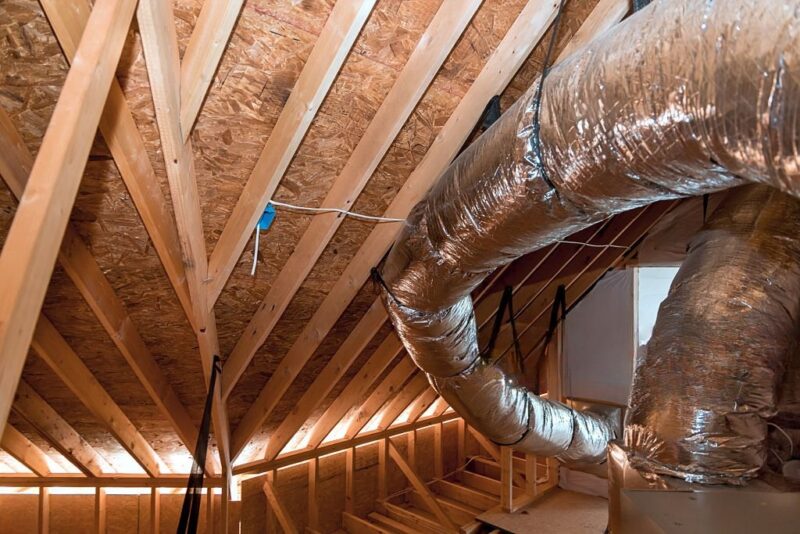
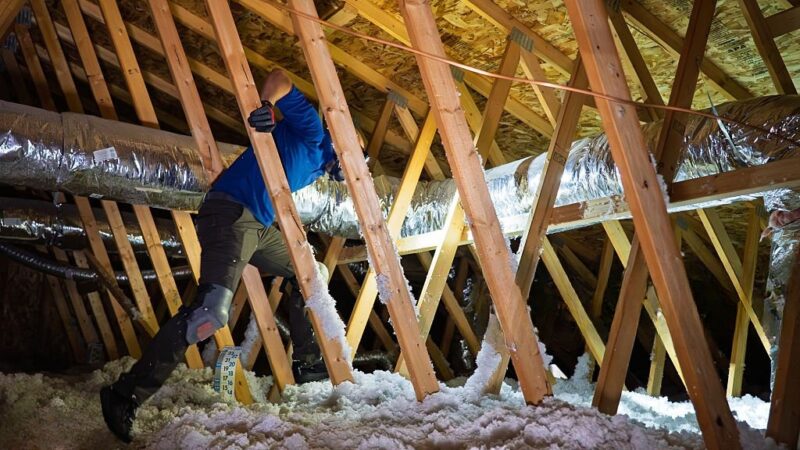
The biggest difference between mini-splits and central air conditioning is how cooled air is delivered. Central air conditioning uses ductwork to distribute air throughout the entire home, while ductless mini-splits deliver air directly into individual spaces. Central AC is often a strong fit for whole-home cooling when ductwork is already in good condition, but it may waste energy if ducts are leaky, poorly insulated, or routed through hot attic spaces. Mini-splits provide more room-by-room control, allowing homeowners to cool only the areas they are using. This makes them a practical solution for spaces that need extra comfort without replacing or extending a full ducted system.
Why Mini-Splits Are Called “Ductless” Systems
Mini-splits are called “ductless” systems because they do not need a traditional duct network to move cooled air through the home. Instead, each indoor air handler conditions the space where it is installed, sending cool air directly into the room. This design can reduce energy loss, simplify installation, and give homeowners more flexibility when adding cooling to spaces where ducts are not available or practical. For Florida homeowners, ductless cooling can be especially helpful in rooms that stay warm, additions that were not connected to the central HVAC system, or areas where extending ductwork would be costly or disruptive.
6 Benefits of Ductless Mini-Split Air Conditioning Systems
1. Energy-Efficient Cooling for Florida Homes
Mini-split systems are known for their energy efficiency because they use advanced technology to cool spaces more precisely. Many systems include inverter-driven compressors and variable-speed operation, allowing the unit to adjust output based on the room’s cooling demand instead of constantly cycling fully on and off. This helps reduce electricity use while maintaining more stable indoor temperatures. In Florida homes, where AC systems may run daily during hot and humid months, that improved efficiency can help lower energy waste and support more manageable cooling costs over time.
2. Zoned Comfort for Different Rooms
One of the biggest advantages of a ductless mini-split system is zoned cooling. Mini-splits allow independent room-by-room temperature control, helping reduce wasted energy in unused spaces. Instead of cooling the entire home to the same temperature, homeowners can adjust each zone individually based on comfort preferences and occupancy. This can be especially helpful for households where certain rooms stay warmer than others or where family members prefer different temperatures. Zoned cooling also helps reduce unnecessary runtime by focusing cooling only where it is needed.
3. Lower Energy Loss Without Ductwork
Traditional ducted systems can lose a significant amount of cooled air through leaks, poor insulation, or inefficient duct routing, especially when ducts run through hot attic spaces. Because mini-splits do not rely on ductwork, they avoid many of these energy losses. Conditioned air is delivered directly into the room through the indoor unit, which helps improve efficiency and reduce wasted cooling. For homes with aging or damaged duct systems, switching to a ductless solution may help improve overall cooling performance and reduce energy consumption.
4. Quiet Indoor and Outdoor Operation
Ductless mini-split systems are generally quieter than many traditional air conditioning systems. Indoor air handlers are designed to operate with low noise levels, making them a comfortable option for bedrooms, offices, guest rooms, and living spaces where loud equipment can become distracting. Outdoor units are also often quieter because inverter-driven technology allows the system to run more steadily instead of constantly powering up and shutting down at full capacity. This quieter operation can help create a more comfortable indoor environment without the noticeable noise associated with some older HVAC systems.
5. Improved Indoor Air Quality
Many mini-split systems include built-in filtration that helps reduce airborne dust, allergens, and other particles circulating through the home. Since ductless systems do not rely on long duct networks, there is also less opportunity for dust and debris to collect inside ductwork and spread throughout the house. Some advanced mini-split models include enhanced filtration features that support cleaner indoor air and help create a fresher-feeling living environment. Combined with better humidity control, this can improve overall indoor comfort for Florida homeowners.
6. Flexible Installation Options
Mini-split systems offer flexible installation options that work well in many types of homes and spaces. Indoor air handlers can be mounted on walls, ceilings, or other locations depending on the room layout and cooling needs. Because installation only requires a small opening for refrigerant and electrical lines, mini-splits can often be installed faster and with less disruption than extending traditional ductwork. They are commonly used in room additions, garages, older homes without ducts, enclosed patios, workshops, detached buildings, and areas where central air does not cool effectively. This flexibility makes them a practical option for homeowners looking to improve comfort without major remodeling.
How Ductless Mini-Splits Improve Energy Efficiency
Ductless mini-split systems are widely known for their strong energy efficiency, making them an attractive cooling option for homeowners looking to reduce energy waste and lower monthly utility costs. Unlike traditional central air systems that rely on duct networks to distribute cooled air throughout the home, mini-splits deliver conditioned air directly into individual rooms or zones. This direct cooling approach, combined with advanced compressor technology and flexible zoning controls, allows mini-split systems to cool spaces more efficiently while using less electricity. In Florida, where cooling systems often run for much of the year, these efficiency advantages can help homeowners maintain comfort without putting unnecessary strain on their HVAC system or energy budget.
Eliminating Energy Loss From Air Ducts
One of the biggest ways ductless mini-splits improve efficiency is by eliminating the energy loss associated with traditional ductwork. In many homes, cooled air can escape through leaks, gaps, poor insulation, or damaged ducts before it ever reaches the living spaces. Duct losses are especially common when ductwork runs through hot attic spaces, which can reduce overall cooling performance and increase energy use. Because mini-splits do not rely on ducts, they avoid these losses entirely and deliver cooled air directly into the room where it is needed. This direct delivery system helps improve efficiency while supporting more consistent indoor comfort.
Variable-Speed and Inverter Technology
Many modern mini-split systems use variable-speed and inverter-driven technology to improve energy performance. Instead of constantly turning fully on and off like older single-stage systems, inverter-driven compressors adjust their speed based on the room’s cooling demand. During mild conditions, the system can run at lower speeds using less electricity while still maintaining steady comfort. This smoother operation helps reduce energy spikes, improve humidity control, and place less wear on major system components. In Florida homes, where temperatures and humidity can change throughout the day, this adaptive cooling approach can provide more stable comfort while improving efficiency.
Zoned Cooling Reduces Unnecessary Energy Use
Zoned cooling is another major efficiency advantage of ductless mini-splits. Instead of cooling the entire home to one temperature, mini-splits allow homeowners to independently control different rooms or areas. This means unused guest rooms, offices, or bonus spaces do not need to be cooled constantly if they are not occupied. By focusing cooling only where it is needed, homeowners can reduce unnecessary energy use while still maintaining comfort in active living spaces. This room-by-room control is especially valuable in larger homes, multi-story properties, or homes where certain rooms tend to stay warmer than others.
High SEER2 Ratings Compared to Traditional Systems
Ductless mini-splits are known for offering very high efficiency ratings compared to many traditional air conditioning systems. Some mini-split systems can reach up to 28.5 SEER2 efficiency ratings, which is significantly higher than the minimum efficiency standards required for many central AC systems. These high ratings are possible because of advanced compressor technology, efficient airflow design, and the elimination of duct-related energy loss. While the exact efficiency level depends on the model and installation, mini-splits are often among the most energy-efficient residential cooling systems available.
How Mini-Splits Help Lower Utility Bills
Because mini-splits use energy more efficiently, many homeowners notice lower cooling costs after installation, especially in areas with heavy AC use like Florida. Reduced duct losses, variable-speed operation, zoned cooling, and high SEER2 ratings all work together to lower overall electricity consumption. While actual savings depend on home size, cooling habits, insulation, and system usage, mini-splits can help reduce wasted energy while keeping indoor spaces comfortable throughout the year. Over time, these energy savings may help offset the higher upfront cost of installing a ductless system while also providing quieter operation and more precise comfort control.
Single-Zone vs Multi-Zone Mini-Split Systems
Ductless mini-split systems can be installed as either single-zone or multi-zone setups, depending on how many areas of the home need dedicated cooling. A single-zone system is designed for one room or space, while a multi-zone system can serve multiple rooms using separate indoor air handlers connected to one outdoor unit. Both options can provide efficient, targeted comfort, but the right choice depends on your home’s layout, cooling needs, budget, and whether you are solving one problem area or improving comfort across several spaces. For Florida homeowners, choosing the right setup is especially important because proper zoning can help manage heat, humidity, and energy use more effectively.
What Is a Single-Zone Mini-Split?
A single-zone mini-split uses one outdoor unit connected to one indoor air handler. This setup is ideal when you only need to cool one specific area, such as a garage, sunroom, home office, guest room, workshop, or room addition. Because the system is dedicated to one space, it can provide precise temperature control without affecting the rest of the home. Single-zone systems are often more straightforward to install than larger multi-zone setups and can be a cost-effective choice when the main goal is to fix one room that stays too warm or is not connected to the central AC system.
What Is a Multi-Zone Mini-Split?
A multi-zone mini-split connects one outdoor unit to multiple indoor air handlers placed in different rooms or areas of the home. Each indoor unit can usually be controlled separately, allowing homeowners to set different temperatures for different spaces. This type of setup works well for homes with several comfort problem areas, older homes without ductwork, multi-story homes with uneven cooling, or households where different rooms are used at different times of day. Multi-zone systems can provide whole-home or partial-home comfort without requiring a traditional duct system.
Choosing the Right Setup for Your Home
Choosing between a single-zone and multi-zone mini-split depends on how many areas need cooling and how you use those spaces. If one room is consistently uncomfortable, a single-zone system may be the simplest and most affordable solution. If several rooms have cooling challenges or you want independent temperature control throughout the home, a multi-zone system may offer better long-term value. Home size, insulation, room layout, sun exposure, ceiling height, and daily usage patterns should all be considered before selecting a setup. A professional HVAC evaluation can help determine how many zones are needed and where indoor units should be placed for the best comfort and efficiency.
Benefits of Zoned Cooling in Florida Homes
Zoned cooling is especially useful in Florida because homes often deal with strong sun exposure, high humidity, and rooms that heat up differently throughout the day. With a mini-split system, you can cool occupied spaces without wasting energy on rooms that are not being used. This can help lower energy use, reduce strain on the system, and improve comfort in problem areas like upstairs bedrooms, enclosed patios, garages, and bonus rooms. Zoned control also allows family members to choose the temperature that feels best in their own spaces, making the home more comfortable without constantly adjusting the main thermostat.
Ductless Mini-Split Installation Process
1. Indoor and Outdoor Unit Placement
Proper indoor and outdoor unit placement plays a major role in mini-split performance, comfort, and efficiency. The indoor air handler should be placed where it can distribute air evenly across the room without being blocked by furniture, curtains, shelving, or architectural features. Placement also affects how well the unit senses room temperature and manages humidity, which is especially important in Florida homes. The outdoor unit should be installed on a stable, level surface with enough clearance for airflow, service access, and drainage. It should also be positioned where it is protected from excessive debris, flooding concerns, and restricted ventilation. Good placement helps the system cool more evenly, operate quietly, and avoid unnecessary strain.
2. Refrigerant Line and Electrical Connections
Once the indoor and outdoor units are positioned, the installer connects them using refrigerant lines, electrical wiring, and a condensate drain line. The refrigerant lines move heat between the indoor and outdoor units, while the electrical connections provide power and communication between system components. The condensate drain removes moisture collected during the cooling process, helping prevent water buildup inside the home. These connections usually pass through a small opening in the wall, making the installation less disruptive than adding ductwork. Proper line sizing, insulation, sealing, and drainage are essential because mistakes can lead to refrigerant issues, water leaks, reduced efficiency, or system performance problems.
3. Why Installation Is Faster Than Traditional HVAC Systems
Mini-split installation is often faster than traditional HVAC installation because it does not require a full duct network. Traditional ducted systems may involve opening walls, modifying ceilings, running ducts through attic spaces, or making major changes to the home’s structure. A ductless system avoids much of that work by delivering conditioned air directly into the room through the indoor unit. This makes mini-splits especially useful for garages, additions, older homes, guest suites, offices, workshops, and enclosed patios where extending ductwork would be expensive or impractical. While the timeline depends on the number of zones and the complexity of the installation, ductless systems are generally a more flexible and less disruptive cooling solution.
4. Importance of Professional Sizing and Installation
Professional sizing and installation are essential for getting the full benefit of a ductless mini-split system. A unit that is too small may run constantly and struggle to cool the space, while an oversized unit may short cycle, waste energy, and fail to remove humidity properly. Proper sizing should consider square footage, ceiling height, insulation, windows, sun exposure, room use, and Florida’s heat and humidity. Professional installation also ensures the system is mounted securely, refrigerant lines are correctly connected, electrical components are safely installed, and drainage is properly routed. When a mini-split is sized and installed correctly, it can provide better comfort, stronger efficiency, quieter operation, and longer system life.
5. Common Installation Mistakes to Avoid
Common mini-split installation mistakes include choosing the wrong system size, placing the indoor unit where airflow is blocked, installing the outdoor unit with poor clearance, failing to seal the wall opening properly, using incorrect refrigerant line lengths, and routing the condensate drain poorly. These issues can lead to weak cooling, water leaks, higher energy use, humidity problems, or premature equipment wear. Another mistake is treating mini-split installation as a simple plug-in project rather than a full HVAC installation that requires technical knowledge and proper setup. Working with a licensed HVAC professional helps avoid these problems and protects the long-term performance of the system.
6 Features to Look for in a Ductless Mini-Split System
1. Inverter-Driven Compressors
Inverter-driven compressors are one of the most important features to look for in a ductless mini-split system. Instead of turning fully on and off like a basic cooling system, an inverter compressor adjusts its speed based on the room’s temperature needs. This allows the mini-split to run more steadily at lower speeds, using less energy while maintaining consistent comfort. In Florida’s hot and humid climate, this smoother operation can also help with moisture control because the system has more time to remove humidity from the air.
2. Smart Thermostat and Wi-Fi Controls
Smart thermostat and Wi-Fi controls make it easier to manage comfort and energy use from anywhere. Many modern mini-split systems allow homeowners to adjust temperatures, create schedules, change modes, and monitor system performance through a remote control or mobile app. This is especially useful for guest rooms, home offices, garages, and bonus spaces that are not used all day. With smart controls, you can cool a room only when needed instead of leaving the system running unnecessarily, helping reduce wasted energy.
3. High SEER2 Ratings
A high SEER2 rating indicates stronger cooling efficiency, which can help lower energy use over time. Since mini-splits already avoid duct-related energy loss, choosing a model with a strong SEER2 rating can make the system even more efficient. This is especially valuable in Florida homes where cooling demand is high for much of the year. While the highest rating is not always necessary for every space, a high-efficiency model can be a smart investment for rooms used frequently or areas that are difficult to cool with a traditional system.
4. Advanced Air Filtration Systems
Advanced air filtration systems can help improve indoor air quality by capturing dust, allergens, pet dander, and other airborne particles before they circulate through the room. Since mini-splits deliver air directly into a specific zone, good filtration can make that space feel fresher and more comfortable. Some systems include washable filters, multi-stage filtration, or enhanced air-cleaning features. For Florida homeowners dealing with humidity, pollen, and everyday indoor air concerns, filtration is an important feature to consider alongside cooling performance.
5. Quiet Mode and Sleep Mode Features
Quiet mode and sleep mode features help make mini-split systems more comfortable for bedrooms, offices, guest rooms, and living areas. Quiet mode reduces fan speed and operating noise, allowing the system to cool the room without becoming distracting. Sleep mode may gradually adjust the temperature overnight to support comfort while reducing energy use. These features are especially helpful in spaces where steady comfort and low noise matter, such as nurseries, home offices, or rooms used for overnight guests.
6. Heating and Cooling Capabilities in One System
Many ductless mini-split systems function as heat pumps, meaning they can provide both cooling and heating from the same unit. This can be useful in Florida homes where heating needs are limited but still necessary during occasional cooler weather. Instead of relying on separate equipment for supplemental heating, a mini-split can provide efficient year-round comfort in the rooms where it is installed. This makes it a flexible option for garages, additions, sunrooms, guest suites, and other spaces that need reliable temperature control beyond the summer months.
5 Common Problems Ductless Mini-Splits Can Solve
1. Hot and Cold Spots Throughout the Home
Hot and cold spots are a common issue in homes with uneven airflow, poor duct design, strong sun exposure, or multi-story layouts. Some rooms may cool quickly while others remain noticeably warmer throughout the day. This often causes homeowners to lower the thermostat further, which can overcool comfortable areas while still failing to fix the problem room. A ductless mini-split can provide dedicated cooling to those warmer spaces, helping create more balanced temperatures throughout the home without forcing the entire HVAC system to work harder.
2. Rooms That Never Cool Properly
Certain rooms simply never seem to cool the way the rest of the home does. This is especially common in garages converted into living spaces, bonus rooms above garages, enclosed patios, upstairs bedrooms, home additions, and sunrooms with large windows. In many cases, the existing HVAC system was never designed to handle the extra cooling load in those areas. A mini-split allows homeowners to add direct cooling exactly where it is needed without extending ductwork or replacing the entire central system.
3. Expensive Ductwork Repairs or Replacements
Damaged, leaking, poorly insulated, or aging ductwork can reduce HVAC efficiency and become expensive to repair or replace, especially in older homes. In some situations, adding or rebuilding duct systems may require opening walls, ceilings, or attic spaces, leading to higher labor costs and greater disruption. Ductless mini-splits avoid this issue entirely because they do not require traditional ducts to deliver conditioned air. For homeowners dealing with severe duct problems or homes without existing ductwork, a mini-split system can provide efficient comfort without major reconstruction.
4. High Cooling Costs From Unused Rooms
Traditional central air systems cool the entire home at one temperature, even when many rooms are rarely used. This can waste energy and increase utility costs, especially in larger homes. Mini-split systems solve this problem with zoned cooling, allowing homeowners to control temperatures independently in different rooms or areas. Instead of cooling unused guest rooms, offices, or bonus spaces all day, homeowners can focus cooling only where it is needed. In Florida homes where AC systems may run for much of the year, this targeted approach can help reduce unnecessary energy use and lower cooling costs over time.
5. Humidity and Airflow Issues
Humidity and airflow problems can make a home feel uncomfortable even when the thermostat says the temperature is correct. Some traditional systems cool quickly but do not run long enough to remove enough moisture from the air, leaving rooms feeling damp or sticky. Poor airflow can also make certain areas feel stale, weakly cooled, or uncomfortable during peak heat. Many ductless mini-split systems use inverter-driven technology that allows them to run longer at lower speeds, helping improve humidity removal and maintain steadier airflow. This can create a cooler, cleaner, and more comfortable indoor environment, especially during Florida’s humid summer months.
How to Maintain a Ductless Mini-Split System
Regular maintenance is important for keeping a ductless mini-split system efficient, reliable, and capable of delivering steady comfort throughout the year. Like any HVAC equipment, mini-splits collect dust, experience normal wear, and work harder over time if airflow becomes restricted or components are neglected. In Florida, where cooling systems often run for long periods due to heat and humidity, maintenance becomes even more important for protecting efficiency and preventing avoidable breakdowns. Simple upkeep combined with professional service can help extend system lifespan, improve indoor comfort, support better air quality, and reduce the risk of expensive repairs.
Cleaning Air Filters Regularly
Cleaning the air filters regularly is one of the easiest and most important parts of mini-split maintenance. Since the indoor air handler pulls air directly from the room, dust and debris can build up on the filters fairly quickly, especially in homes with pets, high foot traffic, or frequent AC use. Dirty filters restrict airflow, force the system to work harder, reduce cooling performance, and may increase energy use over time. Most mini-split filters can be removed, cleaned, and reinstalled following the manufacturer’s recommendations. Keeping filters clean helps maintain proper airflow, supports better efficiency, and improves indoor air quality.
Keeping Indoor Units Free of Dust and Blockages
The indoor air handler should remain free of dust, furniture obstructions, curtains, shelving, and anything else that could interfere with airflow. If the airflow around the indoor unit becomes restricted, the system may struggle to cool the room evenly or remove humidity effectively. Dust buildup on the indoor coil or vents can also reduce performance and create unnecessary strain on the system. Wiping down accessible surfaces and keeping the area around the unit clear can help support better operation and more consistent comfort.
Checking Outdoor Unit Airflow
The outdoor condenser unit also needs proper airflow to operate efficiently. Leaves, dirt, grass clippings, plants, and debris around the unit can block ventilation and force the system to work harder during hot weather. Homeowners should periodically check the outdoor unit to make sure there is enough open space around it and that airflow is not restricted. Keeping the outdoor unit clean and clear can help improve cooling performance, reduce strain on the compressor, and support better long-term efficiency.
Scheduling Professional Tune-Ups
Professional tune-ups help catch small problems before they become larger repair issues. During a maintenance visit, an HVAC technician can inspect refrigerant levels, test electrical connections, clean coils, check condensate drainage, inspect airflow, verify system performance, and look for signs of wear. This type of preventive maintenance is especially valuable in Florida because mini-split systems often operate heavily during long cooling seasons. Routine service can help maintain energy efficiency, improve humidity control, reduce the likelihood of unexpected breakdowns, and keep the system running reliably during peak heat.
Signs Your Mini-Split Needs Service
A ductless mini-split may need professional service if you notice weak airflow, uneven cooling, unusual noises, water leaks, bad odors, rising energy bills, or rooms that no longer stay comfortable. Ice buildup, short cycling, poor humidity control, or a system that struggles to maintain the set temperature can also indicate underlying issues. Ignoring these warning signs may allow minor problems to become more expensive repairs over time. Having the system inspected early can help restore performance and prevent additional wear on important components.
Signs It May Be Time to Replace Your Existing Cooling System With a Mini-Split
1. Your Home Has No Existing Ductwork
If your home does not have existing ductwork, installing a traditional central HVAC system can become expensive and disruptive. Running ducts through walls, ceilings, crawl spaces, or attic areas often requires major modifications to the home’s structure. A ductless mini-split avoids this problem because it delivers cooled air directly into the room without needing a full duct network. This makes mini-splits especially useful for older homes, converted buildings, guest suites, workshops, and additions where adding ducts would be difficult or impractical.
2. Your Current System Struggles With Certain Rooms
Some homes have rooms that never seem to cool properly no matter how low the thermostat is set. Upstairs bedrooms, garages converted into living spaces, sunrooms, enclosed patios, and additions often experience uneven temperatures because the original HVAC system was not designed to handle the extra cooling demand. If your current system struggles with specific rooms, a mini-split can provide direct cooling exactly where it is needed without overworking the entire central AC system. This targeted approach can improve comfort while helping reduce unnecessary energy use in the rest of the home.
3. Your Energy Bills Continue to Rise
Rising energy bills can be a sign that your current cooling system is losing efficiency or wasting energy. Older HVAC systems, leaky ducts, poor airflow, and oversized or undersized equipment can all increase electricity use over time. A ductless mini-split may help reduce cooling costs because it avoids duct-related energy loss and allows homeowners to cool only the spaces they are actively using. Many modern mini-splits also use inverter-driven technology that adjusts output automatically, helping reduce wasted energy during lighter cooling demand.
4. Your AC Requires Frequent Repairs
Frequent repairs can quickly become frustrating and expensive, especially if your current system is older and struggling to keep up with Florida’s climate. Replacing major components repeatedly may not always make financial sense if the system still performs poorly or uses excessive energy. A ductless mini-split can provide a more efficient and reliable alternative for certain spaces, particularly if you are tired of dealing with recurring comfort issues or repair calls. In some homes, mini-splits are also used to reduce strain on an aging central system by taking over cooling duties in problem areas.
5. You Want More Room-by-Room Temperature Control
Traditional central air systems usually cool the entire home using one thermostat setting, even though different rooms may have different comfort needs. If you want more control over temperatures in individual rooms or zones, a ductless mini-split system may be a better fit. Mini-splits allow separate temperature control for each indoor unit, giving homeowners the flexibility to cool occupied spaces without wasting energy on unused rooms. This room-by-room control can improve comfort for households with different temperature preferences while helping lower unnecessary cooling costs throughout the year.
Professional Ductless Mini-Split Installation in Port Charlotte, FL
Professional ductless mini-split installation helps ensure your system is set up for efficient cooling, reliable performance, and long-term comfort in Florida’s hot and humid climate. While mini-splits are known for flexible installation, they still require proper planning, sizing, placement, refrigerant line setup, electrical connections, and drainage to work the way they should. For homeowners in Port Charlotte, FL, Dale’s AC provides local guidance and professional service to help match the right mini-split system to your home, whether you need targeted cooling for one room or zoned comfort across several spaces.
Expert Recommendations Based on Your Home Layout
Every home has different cooling challenges, and the right ductless mini-split setup depends on how your space is designed and used. A garage conversion, sunroom, guest suite, upstairs bedroom, or home office may each require a different indoor unit placement, capacity, and control setup. Dale’s AC evaluates your home layout, room size, sun exposure, insulation, ceiling height, and comfort concerns before recommending a system. This helps ensure your mini-split is not only efficient on paper but practical for everyday use in your specific space.
Proper Sizing for Energy Efficiency and Comfort
Proper sizing is essential for getting the best performance from a ductless mini-split system. A unit that is too small may run constantly and struggle to cool the room, while a unit that is too large may short cycle, waste energy, and fail to remove humidity effectively. In Florida, humidity control is just as important as temperature control, so accurate sizing matters. Dale’s AC helps homeowners choose equipment that matches the cooling load of the room or zone, supporting steady comfort, lower energy waste, and better indoor air quality.
Quality Installation That Protects Long-Term Performance
A ductless mini-split can only perform efficiently if it is installed correctly. Indoor unit placement, outdoor unit clearance, refrigerant line connections, electrical setup, wall penetration sealing, and condensate drainage all affect long-term performance. Poor installation can lead to weak cooling, water leaks, higher energy use, noise issues, or premature system wear. With quality installation from Dale’s AC, every part of the system is carefully set up and tested to help protect your investment and keep your home comfortable through Port Charlotte’s toughest cooling seasons.
Ongoing Maintenance and Mini-Split Repairs
After installation, regular maintenance helps keep your ductless mini-split running efficiently year after year. Filters need to stay clean, coils should be inspected, drain lines must remain clear, and system performance should be checked before small issues turn into costly repairs. Dale’s AC provides ongoing mini-split maintenance and repair support to help homeowners preserve comfort, efficiency, and reliability. With routine service, your system can continue delivering quiet, targeted cooling while staying ready for Florida’s heat and humidity.
FAQs About Ductless Mini-Split Air Conditioning Systems
Do ductless mini-splits use a lot of electricity?
Ductless mini-splits are generally designed to use electricity efficiently, especially compared to older window units, portable ACs, or traditional systems with leaky ductwork. Many mini-splits use inverter-driven technology, which allows the system to adjust its output instead of constantly turning fully on and off. This helps the unit use only the energy needed to maintain the room’s temperature. Actual electricity use depends on the system size, room insulation, thermostat settings, outdoor temperatures, and how often the unit runs, but mini-splits are often a strong option for lowering wasted cooling energy.
Can a mini-split cool an entire house?
Yes, a mini-split can cool an entire house if the system is designed as a properly sized multi-zone setup. In this type of system, one outdoor unit can connect to multiple indoor air handlers placed in different rooms or zones. However, whole-home ductless cooling requires careful planning to make sure each area gets enough capacity and airflow. For some homes, mini-splits work best as a supplemental solution for problem rooms, additions, garages, or sunrooms, while central AC handles the main living spaces.
Are ductless systems good for Florida humidity?
Ductless systems can be very helpful for Florida humidity when they are correctly sized and professionally installed. Many mini-splits run in longer, steadier cycles, which gives the system more time to remove moisture from the air. This can help rooms feel cooler, fresher, and less sticky without needing to lower the thermostat as much. However, sizing matters. An oversized unit may cool too quickly and shut off before removing enough humidity, so professional installation is important for comfort and moisture control.
How long do mini-split systems last?
A well-installed and properly maintained ductless mini-split system can last many years, often around the same general lifespan as other quality HVAC equipment. Longevity depends on the brand, installation quality, usage, maintenance, and local climate conditions. In Florida, where cooling systems may run heavily for much of the year, routine maintenance is especially important. Cleaning filters, keeping coils clear, checking drainage, and scheduling professional tune-ups can help protect performance and extend system life.
Are mini-splits quieter than central AC systems?
Mini-splits are often very quiet because the indoor air handlers are designed for low-noise operation, and many systems use variable-speed technology that runs smoothly instead of cycling loudly on and off. This makes them a good fit for bedrooms, home offices, guest rooms, nurseries, and living areas where noise matters. Central AC can also be quiet when properly installed and maintained, but mini-splits often provide quieter room-level operation because air is delivered directly from the indoor unit without the sound of duct airflow.
Can mini-splits provide both heating and cooling?
Yes, many ductless mini-split systems are heat pumps, which means they can provide both cooling and heating from the same equipment. In cooling mode, they remove heat from the room and release it outside. In heating mode, they reverse the process and bring heat into the space. This can be useful in Florida homes where heating needs are usually limited but still needed during cooler days. A mini-split can provide efficient year-round comfort for rooms that need their own temperature control.
How often should mini-splits be serviced?
Mini-splits should be maintained regularly, with filters cleaned according to the manufacturer’s recommendations and professional service scheduled at least once a year. In Florida homes where the system runs heavily, twice-a-year maintenance may be a better choice, especially for systems used daily. Professional tune-ups help check refrigerant levels, clean coils, inspect electrical components, clear drain lines, and confirm the system is cooling efficiently. Regular service helps prevent performance issues, water leaks, odors, weak airflow, and unnecessary energy waste.
Is a ductless mini-split better than window AC units?
A ductless mini-split is usually a better long-term cooling solution than a window AC unit because it is more efficient, quieter, more secure, and better at maintaining steady comfort. Window units can be useful for temporary cooling, but they often block windows, create more noise, and may not control humidity as effectively. Mini-splits are professionally installed, offer stronger efficiency, and can provide both heating and cooling in many models. For homeowners who want a cleaner, quieter, and more permanent comfort solution, a ductless mini-split is often the better choice.
Cool Where You Need It, Save Where You Don’t!
Ductless mini-split air conditioning systems offer a flexible and energy-efficient way to improve comfort in homes that struggle with uneven cooling, rising energy costs, or spaces without existing ductwork. Whether you need targeted cooling for a garage conversion, sunroom, guest suite, home office, or multiple rooms throughout the house, mini-splits can provide direct comfort without the energy loss associated with traditional ducts. With features like zoned temperature control, inverter-driven efficiency, quiet operation, and improved humidity management, these systems have become a practical cooling solution for many Florida homeowners looking for better comfort and long-term energy savings.
At Dale’s AC as a reliable HVAC company in Port Charlotte, we help homeowners in choosing ductless mini-split systems that fit their home layout, cooling needs, and budget. We take the time to properly size and install each system so you can get dependable comfort, strong efficiency, and reliable performance through Florida’s heat and humidity. We also offer air conditioning repair in Port Charlotte, AC replacement in Port Charlotte, AC maintenance in Port Charlotte, AC installation in Port Charlotte, and attic insulation in Port Charlotte. Whether you are adding cooling to one room or exploring a whole-home ductless setup, we are here to help you find the right solution for your space. Call us today at (941) 629-1712or contact us and let us help you stay comfortable with efficient, room-by-room cooling designed for the way you live.