


If you have been shopping for a new air conditioner, chances are you have come across the term “SEER rating” while comparing systems. At first glance, the numbers can seem confusing, especially when different units advertise different efficiency levels, energy savings, and cooling performance claims. However, understanding SEER ratings is one of the most important parts of choosing the right AC system for your home. SEER, which stands for Seasonal Energy Efficiency Ratio, measures how efficiently an air conditioner cools your home over an entire cooling season. In simple terms, the higher the SEER rating, the less energy the system typically uses to deliver the same amount of cooling. For homeowners in Florida, where air conditioners run frequently due to long periods of heat and humidity, that efficiency can directly affect monthly utility bills, indoor comfort, and long-term operating costs.
Still, a higher SEER rating does not automatically mean a system is the perfect fit for every home. Factors like home size, insulation, ductwork condition, humidity levels, installation quality, and cooling habits all influence how efficiently an AC system will perform in real-world conditions. Some homeowners may benefit from investing in a higher-efficiency variable-speed system, while others may find that a mid-range SEER2 unit offers the best balance of comfort and value. Understanding what SEER and SEER2 ratings actually mean can help you avoid overspending on features you may not need while making sure your new system can handle Florida’s demanding climate efficiently. This guide explains how SEER ratings work, what counts as a good efficiency rating, how they affect cooling costs, and what buyers should consider before investing in a new air conditioning system for their home.
What Is a SEER Rating?
A SEER rating is one of the main efficiency measurements buyers use when comparing air conditioning systems. It helps show how much cooling an AC unit can provide compared to the amount of electricity it uses over a typical cooling season. For homeowners, this rating is useful because it gives a clearer way to compare different systems beyond price, size, or brand name alone. In Florida, where air conditioners often run for long stretches of the year, understanding SEER ratings can help you choose a system that keeps your home comfortable without using more energy than necessary.
What SEER Stands For
SEER stands for Seasonal Energy Efficiency Ratio. It measures the cooling efficiency of an air conditioner or heat pump over an entire cooling season rather than during one short test period. This matters because your AC does not operate under the exact same conditions every day. Outdoor temperatures change, humidity levels rise and fall, and your home’s cooling needs shift throughout the season. SEER gives buyers a seasonal efficiency number that helps estimate how well a system performs across a range of cooling conditions.
How SEER Measures AC Efficiency
SEER measures AC efficiency by comparing the amount of cooling a system produces to the amount of electricity it consumes. In simple terms, it looks at how much cooled air the system can deliver for the energy it uses. A system with a higher SEER rating is designed to provide more cooling using less electricity than a system with a lower rating. This does not mean every high-SEER system will perform perfectly in every home, but it does give buyers an important benchmark when evaluating efficiency and long-term operating costs.
Why Higher SEER Ratings Usually Mean Lower Energy Use
Higher SEER ratings usually mean lower energy use because the system is built to cool more efficiently. Many higher-rated systems include advanced components like better compressors, improved fan motors, enhanced coils, and smarter controls that help reduce wasted energy. Instead of using more power to maintain the same indoor temperature, these systems are designed to do the job with less electricity. Over time, this can help lower monthly cooling costs, especially in homes where the air conditioner runs often.
Why SEER Matters When Buying a New Air Conditioner
SEER matters when buying a new air conditioner because it affects both the upfront decision and the long-term cost of owning the system. A lower-priced unit with a lower SEER rating may cost less to install, but it may use more electricity over time. A higher-SEER system may cost more upfront, but it can provide better efficiency, improved comfort features, and potential savings during years of regular use. For Port Charlotte homeowners, where heat and humidity make dependable cooling essential, SEER ratings can help guide a smarter purchase that balances comfort, budget, and long-term energy savings.
SEER vs. SEER2: What AC Buyers Need to Know
If you have recently started shopping for a new air conditioner, you may have noticed that many systems now use SEER2 ratings instead of the older SEER measurement. While both ratings are used to measure cooling efficiency, SEER2 was introduced to provide a more accurate picture of how modern air conditioning systems perform under real-world operating conditions. Understanding the difference between SEER and SEER2 can help homeowners compare systems more confidently and avoid confusion when looking at efficiency numbers during the buying process.
Why SEER2 Replaced the Older SEER Testing Standard
SEER2 replaced the older SEER testing standard because HVAC technology and installation practices have changed over time, making updated testing methods necessary. The original SEER system measured seasonal cooling efficiency under laboratory-style conditions that did not always reflect how systems perform inside actual homes. SEER2 was introduced to use newer testing procedures that account for factors like higher external static pressure, which better represents the airflow resistance caused by real ductwork and modern HVAC system setups. By updating the testing process, SEER2 gives buyers a more realistic understanding of how efficiently a system may operate once installed in a home.
How SEER2 Better Reflects Real-World AC Performance
SEER2 better reflects real-world AC performance because it evaluates systems using conditions that more closely match how air conditioners operate in everyday residential environments. In real homes, airflow is affected by ductwork design, filters, vents, insulation, and other factors that create resistance the system must work against. The updated SEER2 testing standards account for these conditions, helping homeowners get a more accurate estimate of actual efficiency and energy use. This is especially important in Florida homes, where long cooling seasons and high humidity place greater demands on HVAC systems throughout the year.
Why SEER2 Numbers May Look Lower Than Older SEER Ratings
One of the biggest reasons homeowners get confused about SEER2 is that the numbers may appear lower than older SEER ratings, even for similarly efficient equipment. This does not necessarily mean the system performs worse. Instead, the updated testing standards are stricter and more realistic, which naturally results in slightly lower published ratings. For example, a system previously labeled under older SEER standards may now have a slightly lower SEER2 rating even though the equipment itself has not changed significantly. The difference is mainly tied to the updated testing process rather than a drop in actual system quality.
What This Means When Comparing New AC Systems
When comparing new AC systems, it is important to compare SEER2 ratings against other SEER2-rated equipment rather than comparing them directly to older SEER numbers. Since the testing methods are different, looking at the ratings side by side without understanding the change can make efficiency comparisons misleading. Homeowners should also remember that efficiency ratings are only one part of overall system performance. Proper sizing, installation quality, airflow setup, insulation, duct condition, and humidity control all affect how efficiently an air conditioner will operate in a real Florida home. Working with an experienced HVAC professional can help ensure you choose a system that balances energy savings, comfort, and long-term reliability rather than focusing only on the rating itself.
What Is a Good SEER Rating for an Air Conditioner?
A good SEER rating depends on where you live, how often you use your air conditioner, your home’s cooling needs, and how much you want to balance upfront cost with long-term energy savings. In Florida, where AC systems work hard through long cooling seasons, choosing a system that meets or exceeds current efficiency standards can make a meaningful difference in comfort and monthly utility costs. While a higher SEER or SEER2 rating generally means better efficiency, the best choice is not always the highest number available. The right system should match your home, budget, ductwork, insulation, and comfort goals so you get dependable cooling without overspending on efficiency you may not fully use.
Minimum SEER2 Requirements for New AC Systems
For southern U.S. homes, the 2023 minimum for central AC increased to 15 SEER, or 14.3 SEER2. This means new air conditioning systems installed in Florida must meet higher efficiency standards than many older units currently operating in homes. If your existing AC is 10 to 15 years old, it may have a much lower efficiency rating than today’s minimum requirements, which can lead to higher energy use and weaker performance during long periods of heat. Replacing an outdated system with one that meets current SEER2 standards can help reduce energy waste, improve cooling consistency, and give homeowners a more efficient baseline for comfort.
Mid-Range SEER Ratings for Balanced Cost and Efficiency
Mid-range SEER and SEER2 systems are often a practical choice for homeowners who want better efficiency without the higher upfront cost of premium equipment. These systems typically offer stronger performance than minimum-standard units while still keeping installation costs more manageable. For many Florida homes, a mid-range system can provide a good balance of lower energy use, dependable cooling, improved comfort, and reasonable long-term savings. This option may be especially appealing if your current AC is older, your utility bills are rising, or you want a more efficient system without investing in the highest-rated model available.
High-SEER Systems for Maximum Energy Savings
High-SEER systems are designed for homeowners who want maximum energy efficiency, stronger comfort features, and the greatest potential for long-term cooling savings. These systems often include advanced technologies such as variable-speed compressors, inverter-driven operation, enhanced airflow control, and improved humidity management. Because they can adjust cooling output more precisely, high-SEER systems may use less electricity during lighter cooling demand while still keeping the home comfortable during Florida’s hottest days. Although they usually cost more upfront, the savings on monthly cooling bills, quieter performance, and better humidity control can make them a smart investment for homes with heavy AC use.
Why the “Best” SEER Rating Depends on Your Home and Budget
The best SEER rating is not the same for every homeowner because every home has different comfort needs and energy challenges. A larger home, poor attic insulation, leaky ductwork, high sun exposure, or uneven airflow may require a different system strategy than a smaller, well-sealed home. Budget also matters, since a higher-SEER unit may offer better long-term savings but may not always provide the fastest return depending on your energy rates and cooling habits. The smartest approach is to compare system efficiency, installation quality, comfort features, warranty coverage, and expected lifetime costs together. With the right guidance, you can choose a SEER2 rating that gives you reliable Florida cooling, lower energy use, and strong long-term value without paying for more system than your home truly needs.
Why SEER Ratings Matter for Florida Homeowners
1. Florida’s Long Cooling Season Increases Energy Use
Florida homes often rely on air conditioning for much of the year, which means cooling systems have more operating hours compared to homes in milder climates. Every extra hour of runtime adds to energy use, especially if the system is older, inefficient, or struggling to keep up with indoor comfort demands. A lower-efficiency unit may still cool the home, but it can use more electricity to do the same job as a newer, higher-rated system. Because AC use is so consistent in Florida, the efficiency rating of your system can have a bigger impact over time, making SEER an important factor when planning an AC replacement.
2. Higher SEER Ratings Can Help Lower Monthly Cooling Costs
A higher SEER rating generally means the air conditioner can provide cooling while using less electricity. For Florida homeowners, this can be especially valuable because cooling costs can make up a large part of monthly energy expenses during hot and humid months. When a higher-SEER system is properly sized and professionally installed, it can reduce wasted energy, run more efficiently, and help keep utility bills more manageable. While the upfront cost of a higher-efficiency system may be greater, the long-term energy savings can make the investment worthwhile, especially for homes where the AC runs almost daily.
3. Better Efficiency Supports More Reliable Comfort in Hot Weather
Efficiency is not only about saving money. It also affects how consistently your home stays comfortable during extreme heat. Many higher-efficiency systems include advanced features such as variable-speed compressors, improved airflow control, and better humidity management, which allow the system to adjust cooling output more precisely. This can help reduce temperature swings, improve room-to-room comfort, and keep indoor air feeling less heavy or damp. In Florida’s climate, where humidity can make a home feel warmer than the thermostat reading, better efficiency often supports better overall comfort.
4. Why Port Charlotte Homes Benefit From Energy-Smart Cooling
Port Charlotte homeowners deal with long cooling seasons, strong sun exposure, high humidity, and frequent AC use, all of which make energy-smart cooling especially important. Choosing a system with the right SEER2 rating can help reduce energy waste while keeping the home comfortable through Florida’s toughest weather. However, the best system is not always the one with the highest rating. It is the one that is properly sized, installed, and matched to your home’s layout, insulation, ductwork, and comfort needs. Dale’s AC helps homeowners choose efficient cooling solutions built for local conditions, with honest recommendations that balance upfront cost, long-term savings, and dependable comfort.
How SEER Ratings Affect Your Energy Bills
SEER ratings directly affect how much electricity your air conditioning system uses to keep your home comfortable. Since cooling is one of the largest energy expenses for many Florida homeowners, the efficiency level of your AC system can make a noticeable difference in monthly utility costs over time. A system with a higher SEER or SEER2 rating is designed to deliver the same amount of cooling while using less energy than a lower-rated unit. However, actual savings depend on more than just the number on the label. Factors like installation quality, system sizing, insulation, airflow, thermostat settings, and maintenance habits all influence how efficiently the equipment performs in real-world conditions.
The Link Between Cooling Efficiency and Monthly Utility Costs
Cooling efficiency and energy bills are closely connected because the harder your air conditioner has to work, the more electricity it uses. A higher-SEER system is built to cool your home more efficiently, which means it can maintain comfortable temperatures while consuming less power. In Florida, where AC systems often run daily for much of the year, even small improvements in efficiency can help reduce overall cooling costs. The more frequently your system operates, the more opportunities there are for a higher-efficiency unit to lower energy use and help stabilize monthly utility expenses.
Why Older Low-SEER Systems Cost More to Run
Older air conditioners with low SEER ratings generally cost more to run because they were built to older efficiency standards and often use more electricity to produce the same cooling output as newer systems. Over time, aging components like compressors, blower motors, and coils can also lose efficiency, forcing the unit to work longer and harder to cool the home. In many cases, homeowners with older systems notice rising utility bills even if their cooling habits have not changed. Replacing a low-SEER system with a newer energy-efficient model can help reduce wasted energy while improving comfort and humidity control.
How Long-Term Savings Can Offset a Higher Upfront Cost
Higher-SEER systems usually come with a larger upfront investment, but the long-term savings can help offset that initial cost over the life of the equipment. Because the system uses less electricity during daily operation, homeowners may spend less on monthly cooling bills year after year. In Florida homes where air conditioners run heavily, those savings can add up more quickly than in cooler climates. Many high-efficiency systems also include advanced comfort features, quieter operation, and better humidity management, which can add value beyond energy savings alone. When comparing systems, it is important to consider total lifetime operating costs rather than focusing only on installation price.
Why Installation Quality Still Impacts Real-World Savings
Even the highest-SEER air conditioner may not deliver expected energy savings if it is not installed correctly. Poor installation practices, incorrect refrigerant charge, airflow restrictions, duct leaks, or improper system sizing can reduce efficiency and make the equipment work harder than it should. In some cases, these issues can cancel out many of the benefits of a high-efficiency system. Professional installation helps ensure the system operates the way it was designed to, allowing homeowners to get the best possible balance of comfort, humidity control, energy savings, and long-term performance.
5 Factors That Affect AC Efficiency Beyond SEER Ratings
1. Proper AC Sizing
Proper AC sizing is one of the most important factors affecting energy efficiency, comfort, and long-term system performance. Many homeowners assume a larger air conditioner will cool the home better, but an oversized system can actually create major comfort and efficiency problems. When an AC is too large, it cools the home too quickly and shuts off before it has enough time to remove moisture from the air, leaving the home feeling damp, sticky, or uncomfortable. Frequent short cycling can also increase wear on major components and waste energy. On the other hand, an undersized system may run almost constantly while struggling to maintain comfortable temperatures, causing higher utility bills and excessive strain on the equipment. Proper sizing requires a detailed load calculation that considers square footage, insulation levels, windows, ceiling height, sun exposure, occupancy, and Florida’s climate conditions. When the system is correctly sized, it can cool efficiently, control humidity properly, and maintain steadier indoor comfort.
2. Ductwork Condition and Air Leaks
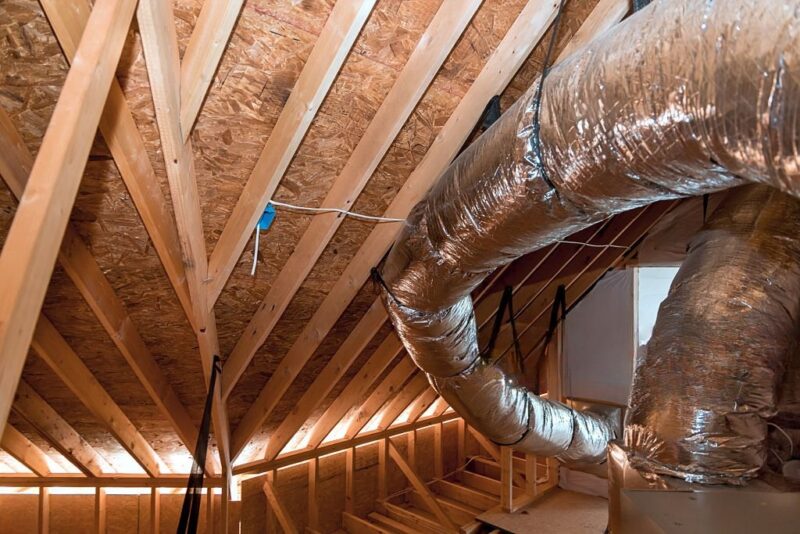
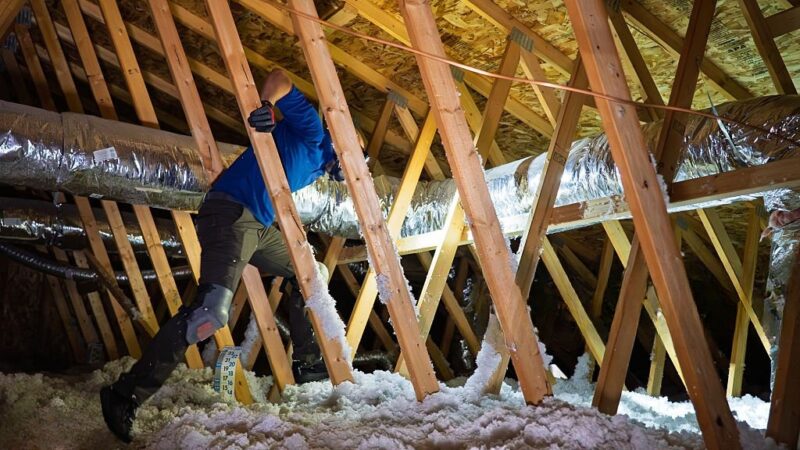
Ductwork conditions have a major impact on how efficiently cooled air moves throughout the home. Even a high-efficiency AC system can lose a significant amount of conditioned air if the ductwork is leaking, poorly insulated, disconnected, or damaged. In many homes, cooled air escapes into attics, crawl spaces, garages, or wall cavities before it ever reaches the rooms it is supposed to cool. This forces the air conditioner to work harder and run longer to compensate for the lost airflow, increasing energy use and reducing overall comfort. Dirty ductwork can also restrict airflow and contribute to indoor air quality issues by circulating dust and debris throughout the home. Properly sealed, clean, and well-designed ducts help improve airflow distribution, maintain more consistent temperatures, and support the efficiency level the system was designed to deliver.
3. Attic Insulation and Home Sealing
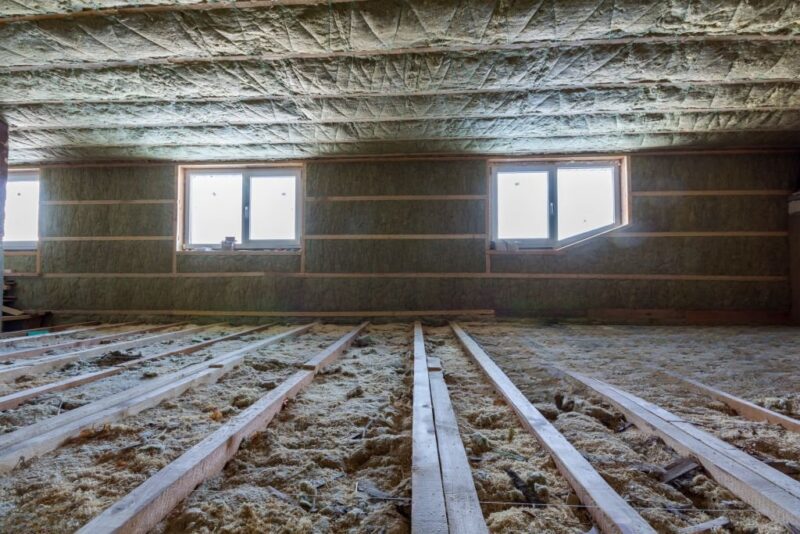
Attic insulation in Port Charlotte and home sealing are critical for reducing heat gain and helping your air conditioner operate more efficiently. In Florida, attic temperatures can rise significantly during the day, allowing heat to transfer into living spaces below. If insulation is weak or uneven, your AC has to work harder to offset that heat and maintain comfortable indoor temperatures. Air leaks around windows, doors, recessed lighting, vents, and other openings can also allow conditioned air to escape while letting hot, humid outdoor air enter the home. These small gaps may not seem important individually, but together they can create a constant drain on your cooling system. Improving insulation and sealing leaks helps reduce cooling demand, stabilize indoor temperatures, lower humidity intrusion, and reduce unnecessary strain on the AC system.
4. Thermostat Settings and Cooling Habits
Daily thermostat settings and cooling habits can also affect how efficiently your AC system operates. Setting the thermostat extremely low, frequently adjusting temperatures throughout the day, or cooling an empty home can increase energy use without providing meaningful comfort improvements. Many homeowners unintentionally force their systems to work harder by overcooling the home or making large temperature changes too quickly. A programmable thermostat or smart thermostat can help improve efficiency by automatically adjusting temperatures based on occupancy, time of day, and household routines. Consistent settings, reasonable temperature adjustments, and smart cooling schedules can help reduce unnecessary runtime while still maintaining comfort during Florida’s hottest months.
5. Regular AC Maintenance
Regular AC maintenance in Port Charlotte plays a major role in preserving efficiency, preventing breakdowns, and extending system lifespan. Over time, dust buildup, clogged filters, dirty coils, blocked drain lines, low refrigerant levels, and worn components can all reduce performance and force the system to work harder than necessary. Even a high-SEER air conditioner can lose efficiency if it is not properly maintained. Seasonal maintenance visits allow HVAC professionals to inspect, clean, test, and tune important components before small issues become larger problems. Routine maintenance can help improve airflow, protect system efficiency, support better humidity control, and reduce the risk of expensive repairs during periods of heavy summer use. In Florida homes, where AC systems often run almost year-round, keeping up with maintenance is one of the most effective ways to protect comfort and long-term energy savings.
5 SEER Ratings and AC System Types
1. Central Air Conditioners
Central air conditioners are one of the most common cooling systems found in Florida homes. These systems use a central outdoor condenser unit, indoor evaporator coil, and ductwork to distribute cooled air throughout the house. SEER ratings are especially important for central AC systems because they often cool the entire home for long periods each day. Higher-SEER central air conditioners are designed to provide the same cooling output while using less electricity, which can help reduce monthly utility costs over time. Many newer central systems also include upgraded airflow technology and improved humidity control that help maintain more consistent indoor comfort.
2. Heat Pumps
Heat pumps work similarly to central air conditioners when cooling a home, but they can also reverse operation to provide heating during cooler weather. Because they handle both cooling and heating functions, heat pumps are often evaluated using both SEER2 ratings for cooling efficiency and HSPF2 ratings for heating efficiency. In Florida, where heating needs are usually lighter than cooling demands, heat pumps can be an energy-efficient option because they provide year-round comfort in one system. Many modern heat pumps also include advanced compressor technology that improves energy savings and indoor comfort during extended cooling seasons.
3. Ductless Mini-Splits
Ductless mini-split systems are designed for homes or spaces where traditional ductwork may not be practical. These systems use one or more indoor air handlers connected to an outdoor unit, allowing homeowners to cool specific rooms or zones independently. Because they avoid energy loss through ductwork, mini-splits can achieve very strong efficiency performance and often carry high SEER ratings. Ductless systems are commonly used for room additions, garages, guest suites, older homes, and areas with uneven cooling problems. Their zoned cooling design can help homeowners reduce energy waste by cooling only the spaces being used.
4. Variable-Speed AC Systems
Variable-speed AC systems are built to adjust cooling output based on the home’s changing needs rather than running at full power all the time. Instead of cycling completely on and off like a traditional single-stage system, variable-speed units can operate at lower speeds for longer periods. This helps improve energy efficiency, humidity removal, temperature consistency, and indoor comfort. Many high-SEER systems use variable-speed technology because it allows the system to reduce unnecessary energy use while still maintaining steady cooling performance. In Florida homes, where humidity control is a major part of comfort, variable-speed systems can make indoor air feel cooler and more balanced.
5. Inverter-Driven Cooling Systems
Inverter-driven cooling systems use advanced compressor technology that continuously adjusts system output in real time based on cooling demand. Rather than repeatedly stopping and restarting, the compressor can speed up or slow down gradually to maintain stable temperatures with less energy waste. This smoother operation often leads to quieter performance, lower electricity consumption, fewer temperature swings, and better humidity management. Inverter-driven systems are among the most energy-efficient cooling options available and are commonly found in high-SEER central systems, heat pumps, and ductless mini-splits. For homeowners looking for premium comfort and long-term efficiency in Florida’s demanding climate, inverter-driven technology can provide excellent overall performance.
How to Compare SEER Ratings When Shopping for a New AC
Comparing SEER ratings is an important part of shopping for a new air conditioner, but it should not be the only factor guiding your decision. A higher SEER2 rating can indicate better efficiency, but the best system for your home also depends on cooling demand, humidity control, system type, installation quality, warranty coverage, available incentives, and long-term operating costs. For Florida homeowners, where air conditioners often run for much of the year, choosing the right system means looking at both upfront value and lifetime performance. The goal is to find an AC system that keeps your home comfortable, controls humidity, uses energy wisely, and fits your budget beyond the day it is installed.
Look at SEER2, EER2, and Overall System Performance
When comparing new AC systems, look at SEER2 alongside other performance indicators like EER2, compressor type, airflow control, and humidity management. SEER2 shows seasonal cooling efficiency, while EER2 helps reflect how efficiently the system performs under specific high-demand conditions. This matters in Florida because an AC system must perform well not only across the season but also during hot, humid days when cooling demand is highest. A system with a strong SEER2 rating, reliable EER2 performance, and features like variable-speed operation or improved airflow control may deliver better real-world comfort than a system selected by SEER2 alone.
Compare Lifetime Operating Costs, Not Just Installation Price
The lowest installation price is not always the most affordable option over time. A lower-efficiency system may cost less upfront, but it can use more electricity month after month, especially in homes where the AC runs frequently. A higher-efficiency system may require a larger initial investment, but it can help reduce monthly cooling costs and provide better comfort throughout its lifespan. When comparing systems, consider the total cost of ownership, including installation, energy use, repair expectations, maintenance needs, and expected system lifespan. This approach gives you a clearer picture of which AC provides the best long-term value.
Ask About Rebates, Financing, and Incentives
Rebates, financing options, and manufacturer incentives can make a higher-efficiency system more accessible. Some energy-efficient AC systems may qualify for utility rebates, seasonal promotions, or financing plans that help reduce the upfront burden of replacement. These offers can change, so it is helpful to ask your HVAC professional what options are currently available for the system you are considering. In some cases, incentives can narrow the price difference between a basic system and a higher-efficiency model, making the better-performing option more practical for your budget.
Review Warranty Coverage and Maintenance Requirements
Warranty coverage is another important factor when comparing AC systems. A strong warranty can help protect your investment by covering certain parts or components if issues occur during the warranty period. However, warranty terms can vary by brand, model, registration requirements, and maintenance expectations. Some warranties may require regular professional maintenance to remain valid. Before choosing a system, review what is covered, how long coverage lasts, what exclusions apply, and what maintenance is recommended. A system with better warranty protection and clear maintenance support may offer more peace of mind over the life of the equipment.
Work With a Licensed HVAC Professional Before Choosing
Working with a licensed HVAC professional helps ensure you are comparing systems based on your home’s actual needs rather than numbers on a brochure. A professional can evaluate your home size, insulation, ductwork, airflow, sun exposure, humidity concerns, and budget before recommending the right system. This is especially important because improper sizing or poor installation can reduce efficiency and comfort, even with a high-SEER2 unit. Dale’s AC helps Port Charlotte homeowners compare energy-efficient AC options with honest guidance, proper sizing, and professional installation designed for Florida’s climate.
5 Common SEER Rating Mistakes AC Buyers Make
1. Assuming the Highest SEER Rating Is Always the Best Choice
One common mistake is assuming the highest SEER rating is automatically the best choice. While a higher rating usually means better energy efficiency, it does not always mean the system is the most practical option for your home or budget. A premium high-SEER unit may offer excellent long-term savings and comfort features, but it may not provide the best return if your home has low cooling demand, poor ductwork, or insulation problems that limit performance. The best system is the one that balances efficiency, comfort, installation quality, and cost in a way that makes sense for your home.
2. Ignoring Ductwork and Insulation Problems
A high-SEER air conditioner can only perform efficiently if the home supports efficient cooling. Leaky ducts, dirty ductwork, poor attic insulation, and air leaks around the home can force the system to work harder than necessary. If cooled air escapes into the attic or outdoor heat keeps entering the home, even an efficient system may run longer and use more energy. Before investing in a new AC, homeowners should consider the condition of their ductwork, insulation, and home sealing so the new system can deliver the savings and comfort it was designed to provide.
3. Replacing Equipment Without a Load Calculation
Replacing an air conditioner without a proper load calculation can lead to sizing problems that reduce efficiency and comfort. Some buyers assume they should replace their old unit with the same size system, but the home’s needs may have changed over time due to insulation upgrades, window changes, room additions, duct issues, or lifestyle differences. A professional load calculation considers factors like square footage, ceiling height, insulation, windows, sun exposure, occupancy, and local climate. Without this step, the new system may be too large or too small, which can lead to short cycling, poor humidity removal, higher energy use, and premature wear.
4. Comparing Old SEER Ratings Directly With New SEER2 Ratings
Another mistake is comparing older SEER ratings directly with newer SEER2 ratings as if they were measured the same way. SEER2 uses updated testing standards that better reflect real-world system operation, which means SEER2 numbers may appear slightly lower than older SEER numbers even when the equipment is similarly efficient. This can make system comparisons confusing if buyers do not understand the change. When shopping for a new AC, it is better to compare SEER2 ratings with other SEER2-rated systems and ask an HVAC professional to explain how the numbers relate to expected performance.
5. Forgetting About Humidity Control in Florida Homes
In Florida, cooling efficiency is only part of the comfort equation. Humidity control is just as important because indoor air can feel warm, sticky, or uncomfortable even when the thermostat shows the right temperature. Some buyers focus only on SEER ratings and overlook whether the system can run long enough and steadily enough to remove moisture from the air. Oversized systems, poor installation, and basic single-stage equipment may struggle with humidity even if they cool quickly. Choosing a properly sized system with strong airflow, efficient operation, and good humidity management can help Port Charlotte homeowners enjoy cooler, cleaner, and more comfortable indoor air.
Professional SEER2 AC System Guidance in Port Charlotte, FL
Choosing a new SEER2-rated air conditioning system is easier when you have a local HVAC team that understands both equipment efficiency and Florida comfort needs. In Port Charlotte, an AC system has to do more than meet a rating on paper. It needs to cool consistently, manage humidity, support cleaner airflow, and operate reliably through long stretches of heat. Dale’s AC helps homeowners compare energy-efficient options with practical guidance, proper system evaluation, and professional installation focused on long-term comfort and value.
Honest Recommendations Based on Your Home
The right SEER2 system depends on your home’s size, layout, insulation, ductwork, comfort concerns, and budget. Dale’s AC provides honest recommendations based on how your home actually uses cooling, not just the highest efficiency number available. This helps homeowners choose a system that balances upfront cost, long-term energy savings, dependable performance, and everyday comfort. Whether you need a basic upgrade or a high-efficiency system with advanced features, the goal is to recommend what truly fits your home.
Proper System Sizing for Efficiency and Humidity Control
Proper sizing is essential for getting the full benefit of a SEER2-rated AC system. A unit that is too large may cool too quickly and shut off before removing enough moisture, while a unit that is too small may run constantly and struggle to keep up. Both can waste energy and reduce comfort. Dale’s AC evaluates your home’s cooling needs so the system can run efficiently, maintain steady temperatures, and manage Florida humidity more effectively.
Quality Installation That Protects Your SEER2 Performance
Even a high-efficiency system can underperform if it is installed incorrectly. Poor airflow, duct issues, incorrect refrigerant charge, or weak system setup can reduce efficiency and shorten equipment life. Quality installation helps protect the SEER2 performance you paid for by making sure the equipment is properly connected, calibrated, and tested. With Dale’s AC, homeowners get installation support designed to help their new system cool efficiently from day one.
Ongoing Maintenance to Keep Your AC Running Efficiently
After installation, regular maintenance helps preserve efficiency and prevent performance issues. Seasonal tune-ups allow technicians to clean key components, check refrigerant levels, inspect electrical parts, test airflow, clear drain lines, and catch small concerns early. For Port Charlotte homeowners, routine maintenance is especially important because AC systems work hard for much of the year. With ongoing service from Dale’s AC, your system can stay efficient, reliable, and ready for Florida’s hottest days.
FAQs About SEER Ratings
What does SEER mean on an air conditioner?
SEER stands for Seasonal Energy Efficiency Ratio. It is a measurement used to show how efficiently an air conditioner or heat pump cools a home over an entire cooling season. In simple terms, SEER compares the amount of cooling a system produces with the amount of electricity it uses to create that cooling. A higher SEER rating usually means the system is designed to use less energy while delivering dependable comfort. For Florida homeowners, this rating matters because air conditioners often run for long periods, so even small efficiency improvements can affect monthly utility costs over time.
What is the difference between SEER and SEER2?
SEER and SEER2 both measure cooling efficiency, but they use different testing standards. SEER is the older rating system, while SEER2 uses updated testing conditions that better reflect how air conditioning systems operate in real homes. SEER2 accounts for more realistic airflow resistance, which means the rating gives buyers a better idea of expected performance after installation. Because the newer test is stricter, SEER2 ratings may appear slightly lower than older SEER ratings, even when the equipment is similarly efficient. When comparing new AC systems, buyers should compare SEER2-rated units against other SEER2-rated units for a clearer evaluation.
What SEER rating should I buy in Florida?
The right SEER or SEER2 rating for a Florida home depends on your cooling needs, budget, home size, insulation, ductwork, and comfort goals. Since Florida has a long cooling season, homeowners often benefit from choosing a system that offers stronger efficiency than the minimum requirement. A mid-range or higher-efficiency system can help reduce energy use, improve comfort, and provide better humidity control when properly installed. However, the best option is not always the highest number available. A licensed HVAC professional can help determine which system offers the right balance of upfront cost, long-term savings, and performance for your home.
Does a higher SEER rating always save money?
A higher SEER rating can help lower energy use, but savings are not automatic. The system must be properly sized, professionally installed, and supported by good ductwork, insulation, airflow, and maintenance. If a high-SEER unit is installed incorrectly or connected to leaky ducts, it may not deliver the savings homeowners expect. Your thermostat habits and daily cooling use also affect results. In Florida, where AC systems run often, a higher-SEER unit has more opportunities to reduce energy costs, but the entire cooling setup must work efficiently for the rating to translate into real savings.
Is 16 SEER good for an AC system?
A 16 SEER system is generally considered a good efficiency option, especially when compared to many older air conditioners still running in homes today. It can offer a practical balance between installation cost and energy savings for many homeowners. However, buyers should pay attention to whether the system is rated under older SEER standards or newer SEER2 standards, since the ratings are not measured exactly the same way. A 16 SEER system may be a strong fit for some homes, while others may benefit from a higher-efficiency model with variable-speed technology, better humidity control, or quieter operation.
How do I know if my current AC has a low SEER rating?
You may be able to find your current AC system’s SEER rating on the manufacturer label, owner’s manual, original installation paperwork, or model information. If the unit is 10 to 15 years old or older, there is a good chance it has a much lower efficiency rating than today’s newer systems. Other signs of a low-efficiency AC include rising utility bills, long run times, uneven cooling, weak airflow, frequent repairs, and poor humidity control. If you are unsure, an HVAC professional can inspect the system, identify its approximate efficiency rating, and explain whether replacement is worth considering.
Can a high-SEER system help with humidity?
Yes, a high-SEER system can help with humidity when it is properly sized and installed. Many higher-efficiency systems include variable-speed or multi-stage technology, allowing the unit to run longer at lower speeds instead of constantly turning fully on and off. These longer, steadier cycles give the system more time to remove moisture from indoor air, which is especially helpful in Florida’s humid climate. Better humidity control can make your home feel cooler, fresher, and more comfortable without forcing you to keep lowering the thermostat. However, an oversized system can still short cycle and struggle with humidity, even if it has a high SEER rating.
Should I replace my AC just to get a better SEER rating?
You do not always need to replace your air conditioner just to get a better SEER rating. If your current system is newer, reliable, efficient, and keeping your home comfortable, routine maintenance may be the better choice for now. However, replacement may make sense if your AC is older, expensive to repair, using too much energy, or struggling to cool your home evenly. A better SEER2 rating can be one reason to upgrade, but the full decision should also include system age, repair history, energy bills, comfort issues, humidity control, and long-term ownership costs.
Stay Cool in Florida without Your Wallet Overheating!
Understanding SEER and SEER2 ratings can help you make a smarter decision when choosing a new air conditioning system for your home. While higher efficiency ratings can help reduce energy use and improve long-term comfort, the best AC system is not determined by the number alone. Proper sizing, installation quality, humidity control, ductwork condition, insulation, and ongoing maintenance all play a major role in how efficiently your system performs in real-world Florida conditions. By taking the time to compare system types, efficiency levels, comfort features, and long-term operating costs, homeowners can invest in a cooling solution that delivers dependable performance, cleaner indoor comfort, and lower energy bills for years to come.
At Dale’s AC, as a trusted HVAC company in Port Charlotte, we help homeowners choose energy-efficient cooling systems that are built for Florida heat, humidity, and everyday comfort. We believe in honest recommendations, proper system sizing, and professional AC installation in Port Charlotte that helps you get the full value from your investment. Whether you are replacing an older AC, comparing SEER2 ratings, or looking for better comfort and lower cooling costs, we are here to help you find the right solution for your home. We also provide AC replacement in Port Charlotte, air conditioning repair in Port Charlotte, residential HVAC services in Port Charlotte, commercial HVAC services in Port Charlotte, indoor air quality in Port Charlotte, and financing options to help your home be safe and strong during storms and holiday seasons. Call us today at (941) 629-1712or contact us and let us help you stay comfortable with reliable, energy-smart cooling you can count on.