

When temperatures rise in Florida, homeowners often look for the most effective way to keep their homes cool and comfortable without driving up energy costs. Two common options are portable air conditioners and central air conditioning systems, but these cooling solutions are designed for very different needs. Portable AC units are typically used for temporary or room-specific cooling, while central air systems are built to deliver consistent whole-home comfort through a connected HVAC system. At first glance, portable units may seem more affordable and convenient, especially for smaller spaces or occasional use, but long-term comfort, efficiency, humidity control, and cooling performance can vary significantly between the two options.
Choosing between portable AC and central air is not just about the upfront price. Home size, cooling habits, Florida humidity, energy efficiency, noise levels, installation requirements, and long-term operating costs all play a role in determining which solution makes the most sense for your home. In some cases, a portable AC may work well as supplemental cooling for one room, while central air may be the better long-term investment for dependable comfort throughout the entire house. Understanding how each system works, where each performs best, and how they affect comfort and energy use can help homeowners make a smarter cooling decision for Florida’s demanding climate.
What Is the Difference Between Portable AC and Central Air?
The main difference between portable AC and central air is the size of the space each system is designed to cool. Portable AC units are designed for single-room cooling, while central air systems are built for whole-home comfort. A portable unit is usually placed in one room and vented through a nearby window, making it useful for temporary cooling, rentals, or spaces that need extra support. Central air, on the other hand, uses a larger HVAC system and ductwork to distribute cooled air throughout the entire home. For Florida homeowners, this difference matters because cooling needs often go beyond temperature alone. Humidity control, airflow, energy use, noise, and long-term comfort all affect which system makes the most sense.
How Portable Air Conditioners Work
Portable air conditioners pull warm air from the room, cool it using a refrigerant cycle, and release the cooled air back into the space. The heat removed from the room is pushed outside through an exhaust hose, usually connected to a window vent kit. Because the unit sits inside the room, it takes up floor space and may produce more noticeable noise than a central AC system. Portable ACs are typically best for cooling one enclosed area, such as a bedroom, small office, garage, or temporary living space. They can be convenient, but they are not usually designed to cool large open areas or an entire home.
How Central Air Conditioning Systems Work
Central air conditioning systems cool the home using an outdoor condenser unit, indoor air handler or evaporator coil, refrigerant lines, and ductwork. Warm indoor air is pulled through return vents, cooled as it passes over the evaporator coil, and then distributed through supply ducts into different rooms. Central air systems are controlled by a thermostat and are designed to maintain consistent temperatures throughout the house. When properly sized, installed, and maintained, central AC can provide stronger whole-home comfort, better humidity control, and quieter indoor operation than relying on multiple portable units.
Key Differences in Cooling Capacity
Cooling capacity is one of the biggest differences between portable AC and central air. Portable units are measured for smaller spaces and are usually intended to cool one room at a time. If the room is too large, poorly insulated, or exposed to heavy sunlight, the unit may struggle to keep up. Central air systems are sized to cool the entire home based on square footage, insulation, ductwork, windows, ceiling height, and local climate conditions. This makes central AC a better fit for larger homes, open layouts, and households that need steady comfort in multiple rooms at once.
Why These Systems Serve Different Cooling Needs
Portable AC units and central air systems serve different cooling needs because they are built for different levels of comfort and performance. A portable AC can be helpful when you need quick, temporary, or supplemental cooling in one room. It may also be useful during an AC repair, in a rental property, or in a space where permanent installation is not possible. Central air is better suited for homeowners who want reliable whole-home cooling, better air distribution, improved humidity control, and long-term efficiency. In Florida, where heat and humidity can make indoor comfort more demanding, central air is often the stronger choice for full-time cooling, while portable ACs work best as short-term or room-specific support.
Pros and Cons of Portable Air Conditioners
Portable air conditioners can be a convenient cooling solution for certain situations, especially when homeowners need temporary or room-specific comfort without installing a full HVAC system. These units are popular in apartments, garages, offices, workshops, guest rooms, and homes where central air is unavailable or needs supplemental support. However, while portable AC units offer flexibility and lower upfront costs, they also come with limitations in cooling power, efficiency, humidity control, and noise. Portable air conditioners are generally less efficient and noisier than central AC systems, especially when used heavily, so understanding both the advantages and drawbacks can help homeowners decide whether they are the right fit.
Lower Upfront Cost
One of the biggest advantages of portable air conditioners is the lower initial cost compared to installing a central air conditioning system. Portable units are usually much more affordable upfront because they do not require ductwork, major installation work, or professional HVAC modifications. This makes them appealing for homeowners looking for a short-term cooling solution or those who only need to cool a small area. However, while the purchase price may be lower, the long-term operating costs can become higher if the unit runs heavily or struggles to cool larger spaces efficiently.
Easy Setup and Mobility
Portable AC units are designed for flexibility and convenience. Most systems can be set up relatively quickly using a nearby electrical outlet and a window vent kit to exhaust hot air outside. Because the unit is movable, homeowners can reposition it between rooms if needed, making it useful for temporary cooling situations. This mobility can be helpful in rental properties, workshops, garages, or homes where installing permanent cooling equipment is not practical. However, portability also means the unit takes up indoor floor space and may require frequent repositioning if cooling needs change.
Good for Temporary or Small-Space Cooling
Portable air conditioners work best in small, enclosed spaces where targeted cooling is needed for limited periods. They can provide relief in bedrooms, offices, apartments, converted garages, or rooms that become warmer than the rest of the house. Portable units are also useful during HVAC repairs or when homeowners need supplemental cooling in one area without lowering the temperature throughout the entire home. In these situations, a portable AC can provide convenient short-term comfort without the commitment of installing a larger HVAC system.
Limited Cooling Power for Larger Homes
While portable AC units can cool small rooms reasonably well, they often struggle in larger open spaces or homes with high cooling demands. Their cooling capacity is limited compared to central air systems, and they may run constantly during Florida’s hotter months without fully cooling the space. Rooms with high ceilings, poor insulation, heavy sun exposure, or multiple occupants can place even more strain on a portable unit. Trying to cool several rooms with multiple portable ACs may also become inefficient and expensive compared to using a properly sized central air system.
Noise Levels and Indoor Space Concerns
Portable air conditioners tend to be louder than central AC systems because all major components operate inside the room itself. The compressor, fan, and airflow noise are much more noticeable than with central air, where much of the equipment remains outside or hidden within the HVAC system. This can become distracting in bedrooms, offices, or living spaces where quieter operation is preferred. Portable units also occupy indoor floor space and may create clutter with hoses, vent kits, and drainage setups, which can affect room layout and aesthetics.
Why Portable Units May Use More Energy Than Expected
Many homeowners assume portable AC units always save energy because they cool smaller areas, but that is not always the case. Portable systems often work harder than expected because they have limited cooling capacity and may struggle to remove heat and humidity efficiently in Florida’s climate. Some units can also create negative air pressure inside the room, which may pull warm outdoor air back into the home through gaps and leaks. If the portable AC runs constantly to keep up with demand, electricity use can increase quickly. In many cases, central air systems are more energy efficient for whole-home cooling because they are designed to distribute air more evenly and operate more effectively over larger spaces.
Pros and Cons of Central Air Conditioning Systems
Central air conditioning systems are designed to provide steady, whole-home cooling through a connected HVAC system and duct network. For homeowners in Florida, central air is often the more practical long-term solution because it can cool multiple rooms at once, manage indoor humidity more effectively, and maintain consistent comfort during long stretches of heat. Central air systems are typically more energy-efficient for cooling larger spaces and can improve overall home comfort, especially when the equipment is properly sized, professionally installed, and supported by clean, sealed ductwork. However, central AC also comes with higher upfront installation costs and depends heavily on the condition of the home’s duct system.
Whole-Home Cooling Performance
One of the biggest advantages of central air conditioning is its ability to cool the entire home from one system. Instead of relying on individual units in different rooms, central AC distributes conditioned air through supply vents to help maintain a consistent temperature throughout the house. This is especially useful for families, larger homes, open floor plans, and households that need dependable comfort in multiple rooms at the same time. When properly sized and installed, a central air system can handle Florida’s demanding cooling needs more effectively than portable units, which are typically limited to one room.
Better Humidity Control in Florida Homes
Humidity control is a major reason central air can be a better fit for Florida homes. A properly sized central AC system does more than lower the temperature. It also removes moisture from the indoor air as part of the cooling process. This helps reduce that sticky, damp feeling that can make a home uncomfortable even when the thermostat is set low. Better humidity control can also support cleaner indoor air and help the home feel cooler without constantly lowering the temperature. For year-round comfort in Port Charlotte’s humid climate, central air often provides a more balanced indoor environment.
Quieter Indoor Operation
Central air systems usually offer quieter indoor operation compared to portable air conditioners because the loudest components, including the condenser and compressor, are located outside the home. Indoors, cooled air is distributed through vents, which can make the system feel less intrusive during daily use. While any HVAC system can make noise if it has airflow issues, loose parts, or aging components, a well-maintained central AC system typically operates more quietly than a portable unit sitting inside the room. This can make a big difference in bedrooms, living rooms, offices, and other areas where peace and comfort matter.
Higher Installation Costs
The main drawback of central air conditioning is the higher upfront cost. Installing or replacing a central AC system requires professional equipment selection, proper sizing, installation labor, refrigerant connections, electrical work, and in some cases duct repairs or modifications. If a home does not already have ductwork, the cost can increase significantly. While central air may require a larger investment than a portable unit, it often provides better long-term value for homeowners who need reliable cooling throughout the entire home. Lower operating costs, improved comfort, and longer-lasting performance can help offset the initial expense over time.
Dependence on Ductwork Condition
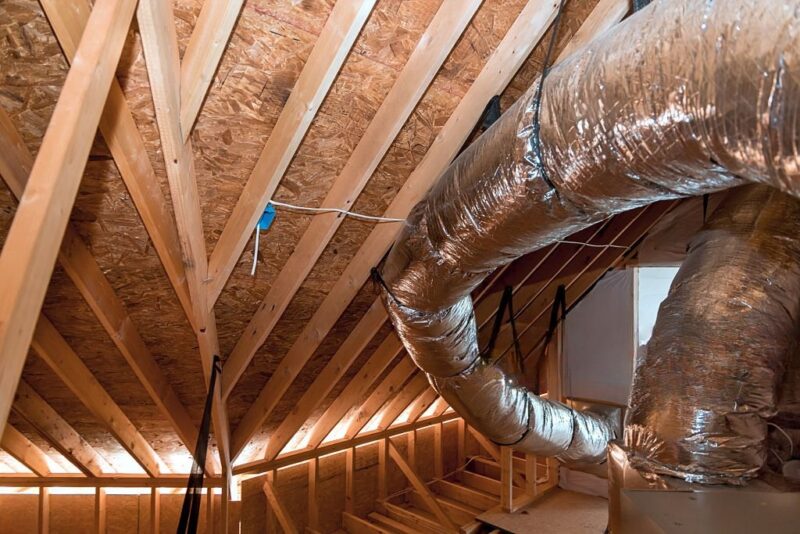
Central air performance depends heavily on the condition of the home’s ductwork. Leaky, dirty, poorly insulated, or damaged ducts can waste cooled air, reduce efficiency, and create uneven temperatures from room to room. In Florida homes, ducts that run through hot attic spaces can lose even more cooling if they are not properly sealed and insulated. Before installing a new central AC system, it is important to evaluate the ductwork to make sure the system can deliver cooled air efficiently. Clean, sealed ducts help protect comfort, airflow, energy savings, and overall system performance.
Long-Term Comfort and Home Value Benefits
Although central air requires a larger upfront investment, it can provide strong long-term benefits for comfort, convenience, and home value. A properly installed central AC system offers dependable whole-home cooling, better humidity management, improved filtration options, and more consistent indoor comfort than relying on portable units. It can also make the home more appealing to future buyers, especially in Florida where air conditioning is considered essential. For homeowners planning to stay in their home long term, central air can be a worthwhile investment in daily comfort, energy efficiency, and reliable cooling performance.
Energy Efficiency Comparison: Portable AC vs Central Air
Energy efficiency is one of the biggest differences between portable AC units and central air conditioning systems. While a portable AC may seem like the more efficient choice because it cools only one room, that is not always the case in real-world use. Portable AC units generally use more energy to cool the same space compared to central air systems, especially when they run for long hours or struggle against heat and humidity. Central air systems require more power overall because they cool the whole home, but they are designed to distribute conditioned air more efficiently across larger spaces when properly sized, installed, and maintained.
Which System Uses More Electricity?
The answer depends on what you are trying to cool. A single portable AC unit may use less total electricity than a central AC system if it is only cooling one small room for a short period. However, if the portable unit runs constantly, is used in a large room, or multiple portable units are needed throughout the home, electricity use can rise quickly. Central air may use more total electricity at one time, but it is usually more efficient for whole-home cooling because the system is built to handle larger cooling loads with better airflow, stronger humidity control, and more consistent performance.
Why Portable AC Units Often Work Harder
Portable AC units often work harder because they have limited cooling capacity and must reject heat through an exhaust hose connected to a window. In Florida’s heat, that setup can be less efficient because the hose itself may radiate heat back into the room, and poorly sealed window kits can allow warm outdoor air to leak inside. Some single-hose portable units can also create negative pressure, pulling hot, humid air into the home through gaps around doors, windows, or walls. As a result, the unit may run longer to maintain the set temperature, using more energy than expected while still delivering less consistent comfort.
SEER2 Ratings vs Portable AC Efficiency Ratings
Central air conditioning systems are commonly rated using SEER2, which measures seasonal cooling efficiency under updated testing conditions. This helps homeowners compare how efficiently different central AC systems perform over a cooling season. Portable AC units are often rated differently, commonly using measurements such as CEER, EER, or BTU capacity, which can make direct comparisons confusing. A portable unit may have a lower purchase cost, but its efficiency rating does not always translate into lower operating costs, especially when used heavily. When comparing options, homeowners should look at the system’s intended use, room size, runtime, and efficiency rating rather than relying on the sticker price alone.
Cooling One Room vs Cooling an Entire Home
Portable AC units can be efficient when used strategically to cool one small occupied room instead of lowering the temperature throughout the whole house. For example, using a portable unit in a home office during the day may reduce the need to cool unused bedrooms or living areas. However, this advantage disappears if the portable unit is expected to cool large open spaces or several rooms at once. Central air is usually the better choice when the goal is steady comfort throughout the entire home. A properly sized central system can cool multiple rooms evenly and manage airflow more effectively than several portable units working separately.
How Florida Heat and Humidity Affect Efficiency
Florida’s climate makes efficiency more complicated because cooling is not just about lowering temperature. Humidity removal is a major part of indoor comfort, and portable AC units may struggle to manage moisture as effectively as a properly sized central air system. When humidity remains high, the room can still feel warm or sticky even if the temperature drops. This can lead homeowners to set the portable unit lower, increasing energy use. Central AC systems are generally better equipped for long cooling cycles, whole-home airflow, and humidity control, making them a stronger long-term solution for Florida homes that need dependable comfort through extended heat and humidity.
Portable AC vs Central Air Cost Comparison
Cost is one of the first things homeowners consider when comparing portable AC units and central air conditioning systems. Portable air conditioners usually cost less upfront and can be purchased without major installation work, which makes them attractive for temporary cooling or single-room use. Central air systems require a larger initial investment, but they are designed for whole-home comfort, stronger humidity control, and better long-term performance. For Florida homeowners, the real cost comparison should include more than the purchase price. Monthly energy use, repair needs, maintenance, lifespan, comfort level, and long-term value all matter when deciding which cooling option makes the most sense.
Initial Purchase and Installation Costs
Portable AC units typically have a much lower upfront cost because they do not require professional installation, ductwork, or major HVAC equipment. Most units only need a window vent kit and access to an electrical outlet, making them easy to set up in bedrooms, offices, garages, or temporary spaces. Central air conditioning systems cost more upfront because they involve professional sizing, equipment installation, refrigerant connections, electrical work, and ductwork evaluation. If a home needs duct repairs or new duct installation, the initial cost can increase. However, central air is a permanent comfort solution, while portable AC is usually better suited for limited or short-term cooling needs.
Monthly Energy Costs
Monthly energy costs depend on how often the system runs and how much space it needs to cool. A portable AC may cost less to operate if it is used occasionally in one small room. However, if it runs all day, struggles with Florida heat, or several units are needed throughout the home, energy costs can rise quickly. Portable units may also be less efficient at removing heat and humidity, causing longer run times. Central air systems use more power overall because they cool the entire home, but a properly sized and well-maintained system can be more efficient for whole-home cooling. For families using AC daily, central air often provides better comfort per dollar over time.
Repair and Maintenance Expenses
Portable AC units generally have lower repair and maintenance costs because they are smaller and simpler than central HVAC systems. Basic maintenance may include cleaning filters, draining collected moisture, checking the exhaust hose, and keeping the unit free of dust. However, portable units are often replaced rather than repaired when major issues occur. Central air systems require more structured maintenance, including filter changes, coil cleaning, refrigerant checks, drain line service, electrical inspections, and ductwork evaluations. While maintenance costs are higher, routine service helps protect system efficiency, prevent breakdowns, and extend the life of the equipment.
Long-Term Operating Costs
Long-term operating costs are where the comparison often shifts. A portable AC may be cheaper at first, but it may cost more over time if it is used heavily or expected to cool spaces beyond its capacity. Constant runtime, limited efficiency, noise, and shorter equipment lifespan can reduce its long-term value. Central air requires a larger investment upfront, but it can provide years of dependable whole-home cooling when properly installed and maintained. It can also improve humidity control, indoor air quality, and overall comfort, which is especially important in Florida’s climate. For homeowners planning to stay in their home long term, central AC usually offers stronger value.
Which Option Provides Better Long-Term Value?
Portable AC units provide better value when the cooling need is temporary, limited to one small room, or used as backup during HVAC repairs. They are affordable, flexible, and convenient for short-term comfort. Central air provides better long-term value when the goal is reliable whole-home cooling, better humidity control, quieter operation, and improved energy efficiency across larger spaces. In Florida homes, where air conditioning is used often, central AC is usually the stronger investment for comfort and performance. The best choice depends on your home size, budget, cooling habits, and whether you need a quick fix or a long-term solution.
Cooling Performance and Comfort Differences
Cooling performance is where portable AC units and central air systems feel most different in daily use. Portable air conditioners can provide relief in one specific room, but central air systems are designed to cool the entire home with more balanced airflow and stronger comfort control. In Florida, where heat and humidity can make indoor spaces feel heavy and uncomfortable, the difference matters. Central air systems generally provide more even cooling and stronger humidity control for larger homes, while portable units are better suited for temporary spot cooling or smaller enclosed areas.
Whole-Home Cooling vs Spot Cooling
Portable AC units are built for spot cooling, which means they are best used in one room or small area at a time. They can be helpful in a bedroom, office, garage, or temporary space that needs extra cooling, but they are not designed to manage comfort across an entire home. Central air systems provide whole-home cooling by distributing conditioned air through ductwork and vents. This makes central AC a better fit for families, larger homes, open layouts, and households that need steady comfort in multiple rooms throughout the day.
Temperature Consistency Throughout the House
Temperature consistency is usually stronger with central air, especially when the system is properly sized and the ductwork is in good condition. A central system can help maintain a more even temperature from room to room, reducing hot spots and constant thermostat adjustments. Portable AC units only cool the room where they are placed, so nearby spaces may remain warm or uncomfortable. If doors are left open, the portable unit may struggle even more because it is trying to cool beyond its intended capacity.
Humidity Removal Capabilities
Humidity removal is especially important in Florida homes. Portable AC units can remove some moisture from the air, but they may not manage humidity as effectively as a properly sized central air system. If a portable unit is too small, it may run constantly without fully drying the air. If it is poorly vented or used in a leaky room, humid outdoor air may continue entering the space. Central air systems are designed for longer cooling cycles and whole-home airflow, which can help remove moisture more consistently and make the home feel cooler, cleaner, and more comfortable.
Airflow and Indoor Comfort Levels
Central air systems usually provide stronger and more balanced airflow throughout the home. Conditioned air is delivered through vents, helping circulate cool air into bedrooms, living areas, kitchens, and other spaces. Portable AC units have a limited airflow range, so comfort can drop off quickly farther away from the unit. This can create uneven cooling within the same room, with one area feeling cold while another stays warm. For everyday comfort, central air generally offers a smoother and more reliable cooling experience.
Noise Level Comparison
Portable AC units are often louder because the compressor, fan, and motor are all located inside the room. This can be distracting in bedrooms, offices, or living spaces, especially when the unit runs for long periods. Central air systems are typically quieter indoors because the loudest equipment is located outside or away from the main living areas. While central AC still produces some airflow sound through vents, it is usually less noticeable than having a portable unit operating directly in the room.
Portable AC vs Central Air for Florida Homes
For Florida homeowners, the choice between portable AC and central air comes down to more than convenience or upfront cost. Florida homes deal with long cooling seasons, high humidity, strong sun exposure, and heavy AC use, so the system you choose needs to provide more than temporary cold air. Portable AC units can help in specific situations, especially when cooling one small occupied room for a short period. However, central air is usually the stronger option for full-time comfort because it is designed to cool larger spaces evenly, manage humidity more effectively, and support whole-home airflow.
Why Humidity Matters in Florida
Humidity plays a major role in how comfortable a Florida home feels. Even when the temperature is lower, excess moisture in the air can make rooms feel sticky, heavy, and warmer than they actually are. Portable AC units can remove some moisture, but they may struggle if the room is large, poorly sealed, or exposed to constant heat gain. A properly sized central air system is generally better equipped to remove humidity during regular cooling cycles, helping the home feel cooler, fresher, and more comfortable without constantly lowering the thermostat.
Cooling Demands During Long Summer Seasons
Florida’s cooling season is long, which means air conditioners often run for many months of the year. A portable AC may be helpful for short-term use, but it may not be ideal for daily, heavy cooling. If a portable unit runs constantly, energy use can rise quickly, and the unit may wear out faster. Central air systems are built for longer cooling demands and can maintain comfort across the home more consistently. For homeowners who rely on AC every day, central air usually offers better durability, comfort, and long-term performance.
Which System Handles Extreme Heat Better?
Central air typically handles extreme heat better because it is sized for the home’s total cooling load and designed to distribute conditioned air through multiple rooms. Portable AC units have limited cooling capacity and may struggle during peak heat, especially in rooms with large windows, poor insulation, high ceilings, or direct sun exposure. In Florida’s hottest months, a portable unit may run continuously and still fail to keep the space comfortable. A well-maintained central AC system can provide more stable cooling and better humidity control during high-demand conditions.
Why Central Air Often Performs Better for Full-Time Cooling
Central air often performs better for full-time cooling because it is designed as a complete home comfort system. It can cool multiple rooms at once, filter indoor air, remove humidity, and maintain more consistent temperatures throughout the house. Portable AC units are better for spot cooling, but they are not typically designed to replace a whole-home HVAC system. If your goal is everyday comfort for bedrooms, living areas, kitchens, and shared spaces, central air is usually the more reliable and practical solution for Florida living.
Using Portable Units Strategically to Supplement Central AC
Portable AC units can still be useful when used strategically. Experts note portable ACs can help lower energy use only when cooling small occupied spaces strategically. For example, a homeowner may use a portable unit in a home office during the day instead of lowering the thermostat for the entire house. Portable units can also help during AC repairs, in garages, or in rooms that need temporary extra cooling. The key is to use them as supplemental support rather than expecting them to handle the full cooling needs of a Florida home.
5 Common Mistakes Homeowners Make When Choosing Between Portable AC and Central Air
1. Using Portable ACs to Cool Large Open Spaces
Portable AC units are designed for smaller, enclosed rooms, not large open spaces or whole-home cooling. When homeowners try to use a portable unit in a large living room, open floor plan, or connected multi-room area, the unit often runs nonstop and still struggles to reach the desired temperature. This can increase electricity use while leaving the space unevenly cooled. If your goal is to cool several rooms or an entire home, central air is usually the better option because it is designed to handle larger cooling loads and distribute air more evenly.
2. Ignoring Humidity Control Needs
In Florida, cooling is not just about temperature. Humidity control is a major part of indoor comfort. A portable AC may lower the temperature in a small room, but it may not remove enough moisture to make the space feel truly comfortable, especially during humid weather. If humidity remains high, rooms can still feel sticky, heavy, or warm even when the thermostat setting looks reasonable. A properly sized central air system is generally better equipped to manage humidity across the home, making it a stronger choice for everyday comfort in Florida’s climate.
3. Choosing the Wrong BTU Size
BTU size matters when choosing any cooling system. A portable AC that is too small will run constantly and struggle to cool the room, while one that is too large may cycle too quickly and fail to remove enough humidity. Central air systems also need proper sizing based on a professional load calculation, not just square footage. Factors like insulation, ceiling height, window exposure, ductwork, and local climate all affect cooling needs. Choosing the wrong size can lead to higher energy use, uneven comfort, and shorter equipment life.
4. Overlooking Long-Term Energy Costs
Portable AC units may cost less upfront, but they are not always cheaper over time. If a portable unit runs for long hours every day or if multiple units are needed throughout the home, monthly energy costs can rise quickly. Central air systems require a larger initial investment, but they are usually more efficient for cooling larger spaces and can provide stronger long-term value when properly installed and maintained. Homeowners should compare the total cost of comfort, including energy use, repairs, maintenance, lifespan, and daily performance, not just the purchase price.
5. Skipping HVAC Maintenance
Skipping maintenance can reduce efficiency no matter which cooling option you choose. Portable AC units need filter cleaning, proper drainage, hose inspection, and regular cleaning to keep airflow strong. Central air systems need routine tune-ups, filter changes, coil cleaning, refrigerant checks, drain line service, and duct inspections. Without maintenance, both types of systems can lose efficiency, use more energy, and become more likely to break down. For Florida homeowners, regular AC maintenance is especially important because cooling systems often run for long periods and need to stay ready for heavy use.
Portable AC vs Central Air: Which One Is Right for Your Home?
Choosing between a portable AC unit and a central air conditioning system depends on how you use your home, how much cooling you need, and what type of comfort you expect long term. Portable AC units can work well for temporary or single-room cooling, while central air is designed for consistent whole-home comfort and better humidity control. The right option is not always about choosing the cheapest system upfront. Home size, cooling habits, Florida’s climate, energy efficiency, and long-term operating costs all play a role in determining which system will actually meet your needs over time.
Questions to Ask Before Choosing
Before choosing between portable AC and central air, homeowners should ask a few important questions. Do you need cooling for one room or the entire house? Is the cooling need temporary or long term? Does your home already have ductwork? Are humidity problems part of the issue? How often will the system run during the year? Thinking through these questions can help narrow down whether a portable solution is enough or whether a permanent HVAC system would provide better comfort and efficiency.
Budget vs Long-Term Comfort Considerations
Portable AC units usually cost less upfront, which makes them appealing for short-term or occasional use. However, lower purchase cost does not always mean lower long-term value. If a portable unit runs constantly, struggles with Florida heat, or multiple units are needed throughout the home, energy costs can add up quickly. Central air requires a larger initial investment, but it can provide stronger long-term comfort, quieter operation, better humidity control, and more efficient whole-home cooling. Homeowners should balance immediate budget concerns with how they want the home to feel every day.
Home Size and Layout Factors
Home size and layout matter when choosing a cooling system. Portable AC units are generally best for smaller enclosed rooms where cooling can stay concentrated. Large open floor plans, multi-story homes, and homes with multiple occupied rooms often need the airflow and cooling capacity of a central air system. Rooms with strong sun exposure, high ceilings, poor insulation, or airflow issues may also be difficult for portable units to handle effectively. A properly sized central AC system is usually better equipped to manage cooling demands across larger living spaces.
Cooling Habits and Daily Usage
How often you use your cooling system can affect which option makes more sense. If cooling is only needed occasionally in one room, a portable AC may be enough. If the system runs daily for most of the year, central air often becomes the more practical and comfortable choice. Florida homeowners usually rely heavily on air conditioning due to long cooling seasons and high humidity, so systems built for full-time operation often provide better long-term performance and reliability. The more consistently your home needs cooling, the more important efficiency, airflow, and humidity control become.
Why Professional HVAC Guidance Matters
Professional HVAC guidance can help homeowners avoid choosing the wrong system for their home’s actual cooling needs. Factors like square footage, insulation, ductwork condition, humidity levels, airflow balance, room usage, and energy goals should all be considered before making a decision. An HVAC professional can evaluate whether a portable unit will realistically solve the problem or whether a central air upgrade, ductless mini-split, or other solution would perform better long term. In Florida, proper sizing and system selection are especially important because the wrong setup can lead to poor comfort, high energy bills, and humidity problems.
FAQs About Portable AC vs Central Air Systems
Is portable AC cheaper to run than central air?
A portable AC can be cheaper to run if you only use it for short periods in one small, enclosed room. However, it is not always cheaper in real-world use. If the unit runs constantly, struggles against Florida heat, or is used to cool a larger area than it was designed for, energy costs can add up quickly. Central air may use more electricity overall because it cools the entire home, but it is usually more efficient and comfortable for whole-home cooling when properly sized, installed, and maintained.
Can a portable AC cool an entire house?
A portable AC is not designed to cool an entire house. It is built for spot cooling in one room or small area at a time. Trying to cool multiple rooms with one portable unit usually leads to weak performance, uneven temperatures, and higher energy use. If you need consistent comfort throughout the home, central air conditioning is usually the better choice. For homes with problem areas, a portable AC may work as temporary support, but it should not be treated as a full replacement for a whole-home system.
Does central air use more electricity overall?
Central air can use more electricity at one time because it is cooling the entire home, but that does not automatically mean it is less efficient. A modern central AC system is designed to handle larger cooling loads and distribute air evenly through ductwork. For full-home cooling, it can often provide better comfort per unit of energy than running multiple portable units. Energy use depends on system efficiency, home size, insulation, ductwork condition, thermostat settings, and how often the system runs.
Which system is better for Florida humidity?
Central air is usually better for Florida humidity because it is designed to cool and dehumidify the entire home during normal operation. A properly sized central AC system can remove moisture more consistently, helping the home feel cooler, cleaner, and less sticky. Portable AC units can remove some humidity from a single room, but they may struggle if the space is large, poorly sealed, or exposed to heavy heat gain. In Florida, humidity control is a major reason many homeowners prefer central air for everyday comfort.
Are portable AC units noisy?
Portable AC units are often noisier than central air systems because the compressor, fan, and motor are located inside the room. This can make the sound more noticeable in bedrooms, offices, or living areas, especially if the unit runs for long periods. Central air systems are generally quieter indoors because the loudest components are usually located outside or away from main living spaces. If quiet comfort is important, central air often provides a better experience.
How long do portable AC units last compared to central air?
Portable AC units usually have a shorter lifespan than central air conditioning systems, especially when used heavily. A portable unit may last several years with proper care, but it is often replaced rather than repaired when major problems develop. Central air systems are built for long-term whole-home cooling and can often last 10 to 15 years or more with professional installation and regular maintenance. In Florida, where cooling systems work hard, routine service is important for extending the life of any AC system.
Can a portable AC help lower cooling costs?
A portable AC can help lower cooling costs when used strategically. For example, if you only need to cool a small home office during the day, using a portable unit may reduce the need to lower the thermostat for the entire house. However, savings depend on how often the unit runs, how well the room is sealed, and whether the portable AC is properly sized. If the unit runs nonstop or if multiple portable units are needed, energy use can increase instead of decrease.
Is central air worth the investment for Florida homeowners?
Central air is often worth the investment for Florida homeowners who want dependable whole-home cooling, better humidity control, quieter operation, and long-term comfort. While it costs more upfront than a portable AC, a properly sized and professionally installed central system can provide stronger performance, better energy efficiency for larger spaces, and more consistent indoor comfort. For homes in Port Charlotte and nearby areas, where heat and humidity make air conditioning essential, central air is usually the better long-term solution.
Stop Sweating the Choice and Start Cooling Smarter!
Choosing between a portable AC unit and a central air conditioning system depends on your home’s size, cooling demands, comfort expectations, and long-term goals. Portable AC units can work well for temporary spot cooling, smaller rooms, or supplemental comfort, but they are not designed to replace the consistent performance of a properly sized central air system. For many Florida homeowners, central air provides stronger whole-home cooling, better humidity control, quieter operation, and more reliable long-term comfort during long stretches of heat and humidity. Understanding how each option performs in real-world conditions can help you make a smarter investment for your home and your daily comfort.
At Dale’s AC as a trusted HVAC company in Port Charlotte, we help homeowners to find cooling solutions that actually fit the way they live. Whether you need help deciding between a portable AC and central air system, upgrading an older HVAC setup, improving humidity control, or solving uneven cooling problems, we are here to guide you toward the right solution for your home and budget. We also offer routine AC maintenance in Port Charlotte, proper AC installation in Port Charlotte, air conditioning repair in Port Charlotte, AC replacement in Port Charlotte, indoor air quality in Port Charlotte, and attic insulation in Port Charlotte. We take the time to recommend systems that deliver dependable comfort, energy efficiency, and long-term performance for Florida living. Call us today at (941) 629-1712or contact us and let us help you stay cool without overworking your comfort or your energy bills.