

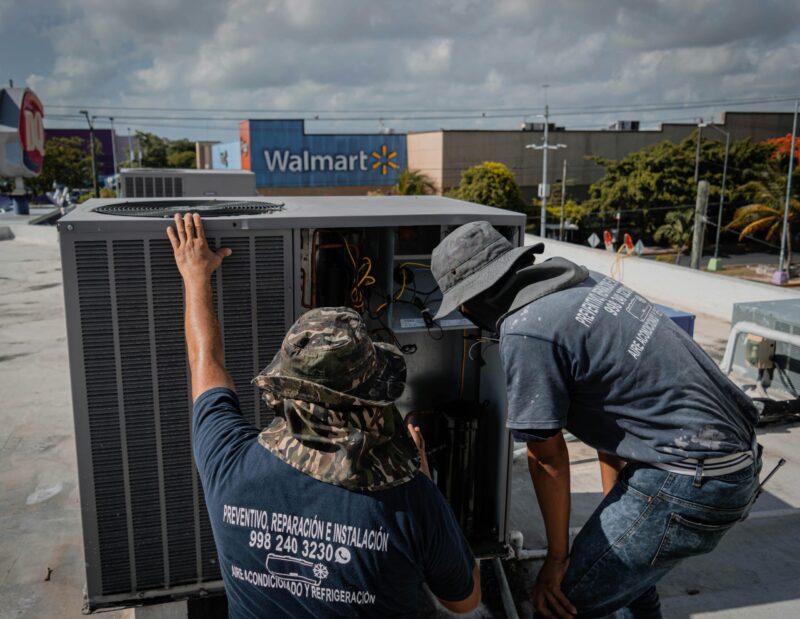
When your air conditioner starts having problems, one of the first questions that comes to mind is whether it makes more sense to repair the system or invest in a new installation. The answer is not always straightforward. A minor repair on a relatively new system may be a smart and cost-effective solution, while an older unit with recurring issues may be costing more to keep running than it is worth. Choosing between AC repairs and replacement often involves balancing upfront costs, long-term savings, system reliability, and overall comfort.
For Florida homeowners, this decision can be even more important because air conditioners work hard for much of the year. Frequent cooling demands, high humidity, and long operating hours can accelerate wear and tear on HVAC equipment. Understanding the signs that point toward repair versus replacement can help you avoid unnecessary expenses and make a more informed decision for your home. In this guide, we’ll compare AC repairs and new installations, explain the factors that influence the decision, and help you determine which option may offer the best value for your comfort and budget.
Understanding the Repair vs Replacement Decision
Deciding between AC repair and new installation is not always easy because both options can make sense in different situations. A repair may be the better choice when the system is still fairly new, the issue is minor, and the unit has been reliable overall. Replacement may be smarter when the system is aging, inefficient, or requiring repeated repairs. For Florida homeowners, this decision matters even more because air conditioners often run for long periods and play a major role in daily comfort, humidity control, and energy costs.
Why This Is One of the Most Common HVAC Questions
Homeowners often ask whether they should repair or replace their AC because the answer affects both immediate comfort and long-term expenses. When the system breaks down, repairing it may seem like the fastest and least expensive option. However, if the same system keeps failing or struggles to cool the home, replacement may offer better value over time. Since every AC problem feels urgent in Florida heat, it is important to look beyond the current repair and consider the system’s overall condition.
The Financial Impact of the Decision
The repair vs replacement decision can have a significant financial impact. A small repair may restore cooling at a reasonable cost, while a major repair on an older system may only delay a larger investment. On the other hand, a new AC installation costs more upfront but may reduce energy bills, improve reliability, and lower repair costs over time. Homeowners should consider repair cost, system age, efficiency, warranty coverage, and how likely the system is to need additional service soon.
Factors That Influence Whether Repair or Replacement Makes Sense
Several factors can help determine whether AC repair or replacement is the better option. These include the age of the system, repair cost, frequency of breakdowns, energy efficiency, comfort performance, refrigerant type, and maintenance history. If the system is newer, well-maintained, and only needs a minor part replacement, repair may be practical. If the system is older, inefficient, noisy, unreliable, or struggling with Florida humidity, replacement may be the wiser long-term choice.
Why Every HVAC Situation Is Different
No two HVAC systems age or perform exactly the same way. A 10-year-old system with regular maintenance may still have useful life left, while a newer system that was poorly installed or neglected may have recurring problems. Home layout, ductwork condition, insulation, thermostat settings, and cooling demands also affect performance. That is why a professional HVAC evaluation is important before making a final decision. The right choice should be based on the system’s condition, your comfort needs, and the long-term value for your home.
When AC Repairs May Be the Better Option
AC repairs may be the better option when the system is still in good overall condition and the issue is limited, affordable, and unlikely to return soon. Not every AC problem means the system needs to be replaced. In many cases, a professional repair can restore cooling, improve performance, and extend the equipment’s useful life without the cost of a full installation. For Florida homeowners, repair often makes sense when the unit is relatively new, well-maintained, efficient, and still keeping the home comfortable.
Your System Is Relatively New
If your AC system is still fairly new, repairing it is often the more practical choice. Newer systems usually have more life left, and some parts may still be covered under manufacturer warranty. A minor issue on a newer unit does not usually justify the cost of full replacement unless there are serious installation problems or repeated failures. When the system has been reliable overall, repair can help you get more value from the equipment you already invested in.
The Repair Is Minor and Affordable
A minor, affordable repair is often worth completing, especially if it restores the system to proper operation. Common repairs such as replacing a capacitor, fixing a thermostat issue, clearing a drain line, or replacing a small electrical component may cost far less than a new installation. If the repair is straightforward and the system is otherwise healthy, repairing the unit can be a smart way to restore comfort without taking on a larger expense.
Your Energy Bills Have Remained Stable
Stable energy bills are a good sign that your AC system is still operating reasonably efficiently. If your utility costs have not increased significantly and your system is not running longer than usual, the current problem may be isolated rather than a sign of overall decline. In that case, repair may make more sense than replacement. However, if energy bills are climbing despite normal use and regular maintenance, it may be time to evaluate whether the system is losing efficiency.
The System Has a Strong Maintenance History
An AC system with a strong maintenance history is often a better candidate for repair. Regular tune-ups, clean filters, coil cleaning, drain line care, and timely service help reduce wear and keep components in better condition. If your system has been maintained consistently and has not needed frequent repairs, fixing the current issue may help extend its lifespan. Maintenance records can also help an HVAC technician understand whether the problem is a one-time repair or part of a larger pattern.
Cooling Performance Is Still Consistent
If your AC still cools the home evenly, controls humidity well, and reaches the thermostat setting without excessive runtime, repair may be the best option. Consistent cooling performance suggests that the system is still capable of meeting your home’s comfort needs. A single repair may be enough to restore normal operation. On the other hand, if rooms stay warm, airflow is weak, humidity remains high, or the system struggles during Florida heat, replacement may deserve closer consideration.
6 Common AC Problems That Are Often Worth Repairing
1. Capacitor Failures
Capacitors help power the motors inside your AC system. When a capacitor fails, the system may struggle to start, make a humming sound, shut off unexpectedly, or stop cooling altogether. This is a common AC repair and is often worth fixing, especially if the rest of the system is operating properly. Replacing a failed capacitor can quickly restore cooling and help prevent additional strain on the compressor or fan motor.
2. Thermostat Issues
Sometimes the problem is not the air conditioner itself but the thermostat controlling it. Incorrect settings, dead batteries, poor placement, wiring issues, or calibration problems can cause the AC to cycle incorrectly or fail to reach the desired temperature. Thermostat repairs or upgrades are usually much less expensive than replacing the entire cooling system. If your AC still runs well once the thermostat issue is corrected, repair is typically the better choice.
3. Refrigerant Recharge and Minor Leak Repairs
Low refrigerant can cause warm air, weak cooling, frozen coils, and longer run times. If the issue is caused by a minor, repairable leak, fixing the leak and recharging the system may be worthwhile. However, refrigerant problems should always be handled by a licensed HVAC professional. If leaks keep returning or the system uses outdated refrigerant, replacement may eventually become the smarter long-term option.
4. Condensate Drain Line Clogs
Condensate drain line clogs are common in Florida because AC systems remove a lot of moisture from indoor air. When the drain line becomes blocked, water can back up, cause leaks, trigger safety shutoffs, or create musty odors. In many cases, clearing the drain line is a straightforward and affordable repair. Regular maintenance can also help prevent future clogs and protect your home from moisture-related problems.
5. Contactor and Electrical Component Replacements
Contactors, relays, wiring, and other electrical components can wear out over time, especially when the AC runs heavily during hot weather. If one of these parts fails, the system may not turn on, may short cycle, or may trip breakers. When the issue is limited to a specific electrical part and the system is otherwise reliable, repair is often a practical choice. Electrical AC repairs should always be handled professionally for safety.
6. Blower Motor Repairs
The blower motor moves cooled air through your ductwork and into your living spaces. If it weakens or fails, you may notice poor airflow, uneven cooling, or little air coming from the vents. Depending on the system’s age and condition, repairing or replacing the blower motor may be worth it. If the AC is newer and the rest of the equipment is in good shape, blower motor repair can help restore comfort without replacing the whole system.
6 Signs It May Be Time for a New AC Installation
1. Your Air Conditioner Is Nearing the End of Its Lifespan
If your air conditioner is approaching 10 to 15 years old, replacement may be worth considering, especially if performance has started to decline. Older systems often lose efficiency, require more repairs, and may struggle to keep up with Florida’s cooling demands. While age alone does not always mean replacement is necessary, an older unit with recurring issues may cost more to keep running than it is worth.
2. Frequent Breakdowns and Repeated Repairs
Frequent breakdowns are a strong sign that your AC system may be nearing the end of its useful life. If you find yourself calling for repairs every season or replacing one part after another, those costs can add up quickly. Repeated repairs can also create stress and uncertainty, especially during hot weather when dependable cooling is essential. In many cases, investing in a new installation can provide greater reliability and fewer surprise service calls.
3. Rising Energy Bills Despite Maintenance
If your energy bills continue to rise even after regular maintenance, clean filters, and thermostat adjustments, your AC may be losing efficiency. Older systems often have to run longer to deliver the same cooling, which increases electricity use. A newer, energy-efficient system can help reduce wasted energy and may lower monthly cooling costs over time. This can be especially valuable in Florida homes where AC systems run for much of the year.
4. Uneven Cooling and Comfort Problems
Uneven cooling, weak airflow, hot spots, and high indoor humidity can all suggest that your current system is no longer meeting your home’s comfort needs. If certain rooms never cool properly or the system runs constantly without keeping the home comfortable, repairs may only provide temporary relief. A properly sized new AC system can improve temperature consistency, airflow, and humidity control throughout the home.
5. Major Component Failure
Major component failures often make replacement a more practical option, especially for older systems. Problems involving the compressor, evaporator coil, condenser coil, or refrigerant system can be expensive to repair. If a major repair costs a large portion of what a new system would cost, replacement may offer better long-term value. This is especially true if the system already has a history of repairs or poor performance.
6. Outdated Refrigerant Concerns
Older AC systems may use outdated refrigerants that are more expensive, harder to source, or less practical to service. If your system has refrigerant leaks and relies on older refrigerant, repair costs may become difficult to justify. In this situation, upgrading to a new AC system can provide better efficiency, improved reliability, and modern refrigerant compatibility.
The Cost Comparison: AC Repair vs New Installation
Cost is often the deciding factor when homeowners are choosing between repairing an existing air conditioner and investing in a new installation. While repairs usually require less money upfront, they are not always the most economical choice over the long term. A proper comparison should consider not only the immediate expense but also future repair costs, energy consumption, reliability, and the expected lifespan of the equipment. Looking at the bigger picture can help homeowners make a more informed financial decision.
Understanding Short-Term Costs
In most cases, repairing an AC system costs less upfront than replacing it. Minor repairs such as replacing a capacitor, fixing a thermostat, clearing a drain line, or repairing electrical components can restore cooling at a fraction of the cost of a new installation. For newer systems or isolated problems, repair may be the most practical and budget-friendly solution. This is often why homeowners choose repair first when the system still has many years of expected service remaining.
Evaluating Long-Term Ownership Costs
While repair may save money today, it is important to consider what the system will cost over the next several years. Long-term ownership costs include energy bills, maintenance expenses, future repairs, and overall reliability. An aging system that needs frequent service may ultimately cost more than replacing it with a newer, more efficient model. Evaluating these ongoing expenses helps homeowners determine which option provides the best overall value.
The Hidden Cost of Frequent Repairs
One repair may not seem expensive, but repeated service calls can quickly add up. Multiple repairs over a short period may indicate that several components are reaching the end of their lifespan. Beyond the repair costs themselves, homeowners also face the inconvenience of unexpected breakdowns and the possibility of losing cooling during Florida’s hottest weather. When repair bills start accumulating, replacement may become the more financially responsible choice.
Energy Savings From New Equipment
Modern air conditioners are often significantly more energy efficient than older systems. New equipment can cool a home using less electricity while providing better airflow and humidity control. Over time, lower utility bills can help offset part of the installation cost. For Florida homeowners who rely heavily on air conditioning throughout the year, energy savings can become a meaningful factor when comparing repair versus replacement.
Why the Cheapest Option Is Not Always the Best Value
The least expensive option today is not always the most cost-effective option in the long run. A low-cost repair may seem appealing, but if the system continues to break down or operates inefficiently, those savings can disappear quickly. On the other hand, replacing a system too early may not provide a strong return if the existing equipment still has years of reliable service left. The best value comes from balancing repair costs, system age, efficiency, comfort, and future reliability rather than focusing solely on the lowest upfront price.
Energy Efficiency Considerations
Energy efficiency is one of the most important factors when deciding between AC repair and new installation. An older air conditioner may still run, but it may need more electricity to deliver the same level of cooling. In Florida homes, where AC systems operate through long periods of heat and humidity, even small efficiency losses can lead to higher monthly energy bills. Comparing the current system’s efficiency with the potential savings of new equipment can help homeowners decide whether repair or replacement offers better long-term value.
How Older AC Systems Lose Efficiency
Older AC systems naturally lose efficiency as parts wear down and performance declines. Dirty coils, aging motors, weakened electrical components, refrigerant issues, duct leaks, and reduced airflow can all make the system work harder than it should. Even with regular maintenance, an older unit may not cool as efficiently as newer equipment. If the system runs longer, struggles to maintain temperature, or causes rising utility bills, efficiency loss may be a sign that replacement is worth considering.
Understanding SEER2 Ratings
SEER2 ratings measure the cooling efficiency of air conditioning systems under updated testing standards. In general, a higher SEER2 rating means the system can provide cooling using less energy. When comparing repair and replacement, homeowners should look at the efficiency rating of their existing system versus newer installation options. A properly sized, professionally installed high-efficiency unit can help reduce energy waste while improving comfort and humidity control.
Potential Utility Savings With New Equipment
New AC equipment may help lower utility costs by cooling the home more efficiently and reducing unnecessary runtime. This can be especially valuable in Florida, where air conditioners often run for much of the year. While the exact savings depend on your current system, home layout, insulation, ductwork, thermostat habits, and energy rates, newer systems often provide better performance with less energy use. Over time, those monthly savings can help offset the cost of installation.
Environmental Benefits of Higher-Efficiency Systems
Higher-efficiency AC systems can reduce overall energy consumption, which may lower the home’s environmental impact. Newer systems may also use updated refrigerants and advanced technology designed to improve cooling performance while using less electricity. For homeowners who want to reduce energy waste, a high-efficiency installation can be a practical step toward a more efficient home without sacrificing comfort.
Balancing Efficiency Improvements Against Installation Costs
Efficiency gains should always be weighed against the cost of new installation. If your existing system is newer, well-maintained, and only needs a minor repair, replacement may not offer enough savings to justify the upfront investment. However, if the system is older, inefficient, and requiring frequent service, a new AC may provide stronger long-term value. The best decision comes from comparing repair costs, energy savings, comfort improvements, and expected system lifespan.
Comfort and Indoor Air Quality Considerations
The repair vs new installation decision should not be based on cost alone. Comfort and indoor air quality also matter, especially in Florida homes where heat and humidity can make a struggling AC system feel even more noticeable. If your current system still cools evenly, controls moisture well, and keeps airflow steady, repair may be enough. But if comfort problems keep returning, a new AC installation may provide better long-term results.
Consistent Cooling Throughout the Home
A reliable AC system should cool your home evenly without leaving certain rooms too warm or too cold. If your current system has ongoing hot spots, long cooling cycles, or rooms that never reach the thermostat setting, repairs may only provide temporary relief. A properly sized new installation can help improve temperature consistency and create a more balanced indoor environment.
Improved Humidity Control
Humidity control is especially important in Florida. An aging or poorly performing AC may cool the air somewhat but still leave the home feeling damp, sticky, or uncomfortable. A newer system, when properly sized and installed, can help remove moisture more effectively during normal cooling cycles. Better humidity control can make the home feel cooler without constantly lowering the thermostat.
Better Airflow Performance
Weak airflow can make an AC system feel less effective even when it is technically running. Airflow problems may come from dirty components, blower issues, ductwork problems, or an aging system that no longer performs well. If airflow issues continue after maintenance and repairs, replacement may be worth considering. A new system can improve air movement, reduce strain, and help conditioned air reach more areas of the home.
Opportunities to Improve Indoor Air Quality
Replacing an AC system can also be a good opportunity to improve indoor air quality. Homeowners may choose better filtration, ductwork improvements, humidity control solutions, air purification, or ventilation upgrades during installation. These improvements can help reduce dust, allergens, stale air, and excess moisture. If indoor air quality has been a recurring concern, a new installation may allow you to solve more than just cooling problems.
Smart Thermostat and Comfort Technology Benefits
New AC systems can often be paired with smart thermostats, zoning options, variable-speed technology, and advanced comfort controls. These features can help improve temperature management, reduce energy waste, and make day-to-day comfort easier to control. Smart thermostats may also provide energy reports, maintenance reminders, humidity monitoring, and remote access. For homeowners looking for more control and convenience, a new installation can open the door to modern comfort technology.
5 Benefits of Choosing AC Repair
1. Lower Upfront Cost
One of the biggest advantages of AC repair is the lower upfront cost. Repairs typically require a much smaller investment than replacing an entire cooling system. For homeowners dealing with a minor component failure or isolated issue, repairing the unit can restore comfort without the expense of a full installation. This can be especially appealing when the system still has several years of useful life remaining.
2. Faster Restoration of Cooling
In many cases, AC repairs can be completed quickly, allowing homeowners to regain cooling without waiting for a full system replacement. Whether the issue involves a capacitor, thermostat, drain line, electrical component, or another repairable part, service can often be performed faster than planning and installing a new system. During Florida’s hottest months, getting cooling restored quickly can be a major benefit.
3. Extending Equipment Life
A timely repair can help extend the lifespan of an AC system that is otherwise operating well. Replacing worn or failed components before they cause additional damage can keep the system running efficiently and reliably for years to come. When combined with regular maintenance, repairs can help homeowners maximize the return on their original HVAC investment.
4. Delaying a Larger Investment
Even if replacement may eventually be necessary, repair can sometimes provide additional time to plan and budget for a future installation. This can be helpful when the system still performs adequately and the repair cost is reasonable. Instead of rushing into a major purchase, homeowners may be able to continue using the existing system while preparing for a replacement at a more convenient time.
5. Ideal Situations for Repair
Repair is often the best option when the AC system is relatively new, has a strong maintenance history, operates efficiently, and has not required frequent service. It also makes sense when the repair is affordable compared to the cost of replacement and when cooling performance remains consistent throughout the home. In these situations, repairing the system can provide a practical balance between comfort, reliability, and cost.
5 Benefits of Choosing a New AC Installation
1. Improved Energy Efficiency
One of the biggest advantages of a new AC installation is improved energy efficiency. Newer systems are built to meet higher efficiency standards and often use less electricity to produce the same amount of cooling. This can be especially beneficial in Florida, where air conditioners run for much of the year. A more efficient system can help reduce energy waste while maintaining consistent indoor comfort during hot and humid weather.
2. Increased Reliability
A new air conditioner can provide greater peace of mind by reducing the likelihood of unexpected breakdowns. Older systems often experience more frequent component failures as parts wear out over time. Replacing aging equipment eliminates many of these concerns and gives homeowners a fresh start with new components and manufacturer warranty protection. This can reduce repair costs and minimize disruptions during peak cooling season.
3. Better Cooling and Humidity Control
Modern AC systems are designed to deliver more consistent cooling and improved humidity management. Older units may struggle to maintain comfortable temperatures or remove moisture effectively, leaving the home feeling sticky or unevenly cooled. A properly sized and professionally installed new system can help create a more comfortable indoor environment by improving temperature control, airflow, and dehumidification performance.
4. Modern Features and Smart Technology
Today’s air conditioning systems often include advanced features that were not available on older equipment. Many new systems can be paired with smart thermostats, variable-speed technology, zoning options, and enhanced comfort controls. These features allow homeowners to manage temperatures more precisely, monitor energy usage, adjust settings remotely, and improve overall convenience. Modern technology can also help optimize efficiency and comfort throughout the home.
5. Potential Long-Term Cost Savings
Although a new AC installation requires a larger upfront investment, it may provide long-term savings through lower energy bills, fewer repairs, and improved efficiency. Homeowners with older systems often spend more on maintenance and service as equipment ages. By replacing an inefficient or unreliable unit, it may be possible to reduce ongoing operating costs while enjoying more dependable cooling performance. Over time, these savings can help offset part of the installation expense and provide greater overall value.
Why a Professional HVAC Evaluation Matters
A professional HVAC evaluation helps homeowners make a confident decision between AC repair and new installation. While some warning signs are easy to notice, many system issues are hidden inside electrical components, refrigerant lines, coils, ductwork, airflow performance, and overall equipment operation. A trained technician can look at the full condition of the system instead of focusing only on the immediate problem. This helps determine whether a repair is a practical solution or whether replacement would provide better long-term value.
Assessing Overall System Condition
An HVAC professional can inspect the entire AC system, including the compressor, coils, blower motor, thermostat, electrical components, refrigerant levels, drain lines, and ductwork. This gives homeowners a clearer picture of how healthy the system really is. A unit with one minor issue may be a good repair candidate, while a system with multiple worn parts or performance problems may be closer to replacement.
Evaluating Repair History
Repair history is an important part of the decision. If your AC has only needed occasional minor service, another repair may make sense. However, if the system has required frequent repairs over the past few years, it may be showing signs of long-term decline. A technician can review past issues and help determine whether the current repair is isolated or part of a pattern.
Performing Efficiency and Performance Testing
Efficiency and performance testing can reveal whether your AC is cooling properly, using energy efficiently, and managing humidity as it should. A professional can check airflow, temperature split, refrigerant pressure, electrical readings, and system cycling. These tests help show whether the equipment is still performing well or whether it is losing efficiency despite repairs and maintenance.
Providing Honest Recommendations
A reliable HVAC professional should explain your options clearly and honestly. That means telling you when repair is worthwhile and when replacement may be the better investment. The right recommendation should be based on system age, repair cost, efficiency, comfort, reliability, and your long-term goals. Homeowners should feel informed, not pressured, when making the decision.
Avoiding Unnecessary Expenses
A professional evaluation can help you avoid spending money in the wrong place. Without a full inspection, you may replace a system that only needed a reasonable repair or continue repairing a unit that is no longer worth the cost. By understanding the system’s true condition, you can choose the option that protects your comfort, budget, and long-term HVAC performance.
AC Repair and Installation Services in Port Charlotte, FL
Choosing between AC repair in Port Charlotte and AC installation in Port Charlotte is easier when you have a trusted local HVAC team to guide you. In Port Charlotte, FL, homeowners depend on reliable cooling through long stretches of heat and humidity, so every repair or replacement decision should be made with comfort, efficiency, and long-term value in mind. Dale’s AC provides professional diagnostics, repair services, and energy-efficient installation options to help homeowners make the right choice for their system and budget.
Professional AC Diagnostics and Repair
Professional diagnostics help identify whether your AC problem is minor, serious, or part of a larger system issue. Dale’s AC can inspect key components such as the compressor, coils, refrigerant levels, electrical parts, thermostat, blower motor, drain line, and airflow performance. If repair is the right choice, our team can recommend practical solutions that restore cooling and help extend the life of your current system.
Energy-Efficient AC Installation Options
When replacement makes more sense than repair, Dale’s AC can help you explore energy-efficient AC installation options for your home. A modern cooling system can improve comfort, reduce energy waste, and provide more reliable performance during Florida’s hottest months. Our team can explain available system options clearly so you can choose equipment that fits your home, comfort goals, and long-term efficiency needs.
System Replacement Planning and Sizing
Proper sizing is one of the most important parts of a successful AC installation. A system that is too small may struggle to cool your home, while a system that is too large may short cycle and fail to control humidity properly. Dale’s AC can evaluate your home layout, cooling needs, insulation, ductwork, and comfort concerns to recommend the right system size. Careful planning helps protect energy efficiency, reliability, and long-term comfort.
Financing and Long-Term Comfort Solutions
A new AC installation is a major investment, but it can also be an opportunity to improve your home’s comfort and efficiency for years to come. Financing options can make replacement more manageable when repair is no longer the best choice. Dale’s AC can help homeowners consider not only the upfront cost but also long-term savings, warranty protection, energy efficiency, and reduced repair risks when comparing options.
Honest Recommendations From Dale’s AC
Dale’s AC focuses on honest recommendations that help homeowners make confident decisions. If your system can be repaired affordably and safely, we will explain that option. If a new installation offers better long-term value, we will walk you through the reasons clearly. Our goal is to help Port Charlotte homeowners choose the solution that best protects their comfort, budget, and peace of mind.
Making the Right Choice for Your Home and Budget
Choosing between AC repair and a new installation is not always a simple decision. The best choice depends on your system’s age, condition, repair history, efficiency, and overall ability to keep your home comfortable. While repair can often restore cooling at a lower upfront cost, replacement may provide better long-term value when an older system is becoming unreliable or inefficient. Taking time to evaluate both options carefully can help you make a decision that supports your comfort, budget, and future plans.
Weighing Repair Costs Against Long-Term Value
When comparing repair and replacement, it is important to look beyond the immediate cost. A repair may be the right choice if the system is relatively new and the issue is isolated. However, if repairs are becoming more frequent or expensive, the money spent on keeping an aging system running may eventually exceed the value it provides. Considering future repair costs, energy bills, and expected lifespan can help determine which option makes the most financial sense.
Focusing on Comfort, Efficiency, and Reliability
Your air conditioner should do more than simply turn on and off. It should cool your home consistently, manage humidity effectively, operate efficiently, and provide dependable performance throughout Florida’s long cooling season. If your current system struggles with any of these areas despite repairs and maintenance, replacement may offer noticeable improvements in comfort and reliability. The goal is to choose the option that best meets your household’s everyday needs.
Working With a Trusted HVAC Professional
A trusted HVAC professional can help remove the guesswork from the decision-making process. By evaluating your system’s condition, repair history, efficiency, and overall performance, a technician can provide recommendations based on facts rather than assumptions. Honest guidance allows homeowners to understand the advantages and limitations of both repair and replacement before making a major investment.
Choosing the Best Solution for Your Florida Home
Every home and HVAC system is different, which means there is no one-size-fits-all answer. For some homeowners, a repair may provide years of additional service and excellent value. For others, a new AC installation may be the better path toward lower energy costs, improved comfort, and greater reliability. The right decision is the one that balances your budget, cooling needs, and long-term goals while helping you stay comfortable through Florida’s demanding climate.
FAQs About AC Repairs vs New Installation
How do I know if I should repair or replace my AC?
You should consider repair if your AC system is relatively new, the issue is minor, repair costs are reasonable, and the system still cools your home efficiently. Replacement may be the better choice if the system is older, needs frequent repairs, causes rising energy bills, or no longer keeps your home comfortable. A professional HVAC inspection can help compare the condition of your current system with the long-term value of a new installation.
At what age should an AC system be replaced?
Many central AC systems are replaced around 10 to 15 years of age, but the right timing depends on maintenance history, repair frequency, efficiency, and performance. In Florida, air conditioners often work harder because of long cooling seasons and high humidity, so some systems may wear out sooner. If an older unit is unreliable or inefficient, replacement may make more sense than continued repairs.
Is it worth repairing a 10-year-old air conditioner?
Repairing a 10-year-old air conditioner may be worth it if the repair is minor, the system has been well-maintained, and cooling performance is still strong. However, if the repair is expensive or the system has needed frequent service, replacement may provide better long-term value. At this age, homeowners should compare the repair cost against the expected remaining lifespan of the equipment.
What is the 50% rule for HVAC replacement?
The 50% rule suggests that if the cost of a repair is 50% or more of the cost of a new AC system, replacement may be the better option. This is especially useful when evaluating older systems with limited remaining lifespan. While the rule is a helpful guideline, it should not be the only factor. System age, efficiency, repair history, and comfort performance should also be considered.
Can a new AC lower my energy bills?
Yes, a new AC system can lower energy bills if your current unit is old, inefficient, oversized, undersized, or struggling to cool your home. Newer systems are often designed to use less energy while delivering better cooling and humidity control. The actual savings depend on your home, ductwork, insulation, thermostat habits, and the efficiency rating of the new equipment.
What AC repairs are usually worth fixing?
Repairs such as capacitor replacement, thermostat repair, drain line cleaning, minor electrical part replacement, and certain blower motor repairs are often worth fixing when the system is otherwise in good condition. These issues are usually more affordable than full replacement and can restore normal cooling quickly. Major repairs, such as compressor or coil replacement on an older system, should be evaluated more carefully.
How long does a new AC installation take?
A standard new AC installation can often be completed in one day, depending on the system type, home layout, ductwork condition, equipment accessibility, and installation requirements. More complex projects may take longer if ductwork changes, electrical updates, or additional comfort upgrades are needed. Your HVAC contractor can give you a clearer timeline after evaluating your home.
Should I get a second opinion before replacing my AC?
Yes, getting a second opinion can be helpful if you are unsure about a replacement recommendation or facing a major repair quote. A second evaluation can confirm whether replacement is truly necessary or whether a repair is still practical. This can help you make a more confident decision and avoid spending more than needed.
Keep Your Cool and Let the Pros Handle the Hot Decision!
Deciding between ac repair and new installation comes down to system age, repair cost, energy efficiency, comfort, and long-term reliability. A simple repair may be the right choice for a newer, well-maintained system, while replacement may offer better value if your AC is older, inefficient, or breaking down often. For Florida homeowners, choosing wisely can help improve comfort, reduce cooling costs, and prevent unexpected breakdowns during the hottest months.
At Dale’s AC as a professional HVAC company in Port Charlotte, we help homeowners make confident HVAC decisions with honest diagnostics, reliable repairs, and energy-efficient installation options. Whether your system needs a practical fix, routine AC maintenance in Port Charlotte, reliable AC replacement in Port Charlotte, proper attic insulation in Port Charlotte or it is time to plan for a new AC, we are here to help you choose what makes the most sense for your home and budget. Call us today at (941) 629-1712 or contact us and let us help you repair smart or replace with confidence.