

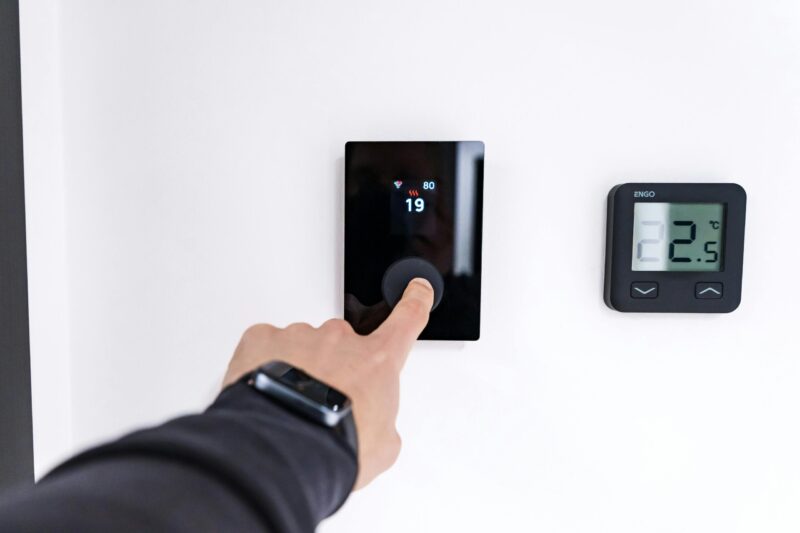
Your thermostat does more than adjust the temperature. It acts as the control center for your entire air conditioning system, determining when your AC turns on, how long it runs, and how efficiently it cools your home. The right thermostat can help improve comfort, reduce unnecessary energy use, manage indoor humidity, and make it easier to maintain steady temperatures throughout the house. In Florida, where air conditioners often run for much of the year, choosing the best thermostat for air conditioning control can make a noticeable difference in both monthly cooling costs and day-to-day comfort.
Today’s homeowners have more thermostat options than ever before, ranging from simple programmable models to advanced smart thermostats with Wi-Fi connectivity, remote access, humidity monitoring, learning technology, and energy usage tracking. Some thermostats are designed for basic temperature control, while others work alongside high-efficiency HVAC systems, heat pumps, zoning systems, and smart home devices to provide more personalized comfort and better energy management. Understanding the differences between thermostat types, features, compatibility requirements, and cooling strategies can help you choose a system that fits your home, lifestyle, and long-term comfort goals.
Why the Right Thermostat Matters for AC Performance
The thermostat plays a major role in how well your air conditioner performs because it controls when the system starts, how long it runs, and when it shuts off. A poorly matched, outdated, or incorrectly placed thermostat can cause comfort problems even when the AC system itself is in good condition. If the thermostat reads the temperature incorrectly, runs the system too often, or fails to communicate properly with the HVAC equipment, your home may experience uneven cooling, higher energy bills, excess humidity, or unnecessary system wear. Choosing the right thermostat helps your AC operate more efficiently, maintain steadier comfort, and respond better to your household’s cooling needs.
How Thermostats Control Cooling Cycles
A thermostat controls cooling cycles by monitoring the indoor temperature and signaling the air conditioner when cooling is needed. When the temperature rises above the set point, the thermostat tells the AC to turn on. Once the room reaches the desired temperature, it tells the system to shut off. If the thermostat is accurate and properly installed, these cycles help maintain steady comfort. If it is poorly calibrated, outdated, or installed in the wrong location, the system may short cycle, run too long, or fail to cool the home evenly.
Why Better Temperature Control Can Lower Energy Waste
Better temperature control can help reduce energy waste by preventing the AC from running longer than necessary. Programmable and smart thermostats allow homeowners to create cooling schedules, adjust settings when the home is empty, and avoid overcooling during low-use times. This is especially helpful in Florida, where small changes in AC runtime can affect monthly energy costs. A thermostat that manages temperature more precisely can help the system cool efficiently without constantly turning on and off or running harder than needed.
The Link Between Thermostat Settings and Indoor Comfort
Thermostat settings directly affect how comfortable your home feels throughout the day. Setting the temperature too low may increase energy use without solving issues like poor airflow or high humidity, while setting it too high can leave rooms feeling warm and uncomfortable. Consistent, realistic settings help the AC maintain a more balanced indoor environment. Some advanced thermostats also include humidity monitoring, scheduling, and room sensor features that support more even comfort across different areas of the home.
Why Florida Homes Need Smarter AC Control
Florida homes face long cooling seasons, high humidity, and heavy AC use, so smarter thermostat control can make a meaningful difference. A well-chosen thermostat can help reduce unnecessary runtime, support better humidity management, remind homeowners about filter changes, and provide alerts when the system may need attention. For Port Charlotte homeowners, smart or programmable thermostat features can help keep cooling more efficient while still maintaining dependable comfort through hot, humid weather.
5 Types of Thermostats for Air Conditioning Systems
1. Manual Thermostats
Manual thermostats are the most basic type of thermostat and usually rely on simple temperature adjustment controls without digital programming features. Homeowners must manually change the temperature whenever they want the AC to run differently. While these thermostats are inexpensive and easy to use, they offer limited energy-saving features and less precise temperature control. In Florida homes where AC systems run frequently, manual thermostats may lead to unnecessary cooling and higher energy use because they cannot automatically adjust settings throughout the day.
2. Digital Non-Programmable Thermostats
Digital non-programmable thermostats offer more accurate temperature readings and easier controls than older manual models. These thermostats display indoor temperatures digitally and allow homeowners to set precise cooling temperatures, but they still require manual adjustments whenever schedules change. They are often a good option for homeowners who want simple operation without advanced automation features. While they improve comfort control compared to manual thermostats, they do not provide the scheduling flexibility that helps reduce energy use during times when the home is empty.
3. Programmable Thermostats
Programmable thermostats allow homeowners to create cooling schedules based on daily routines. For example, the thermostat can automatically raise the temperature while the house is empty and lower it again before family members return home. This helps reduce unnecessary AC runtime without sacrificing comfort. Programmable models are popular because they offer better energy management without requiring constant manual adjustments. In Florida, where cooling costs can stay high for much of the year, programmable scheduling can help improve efficiency and lower utility bills.
4. Wi-Fi Thermostats
Wi-Fi thermostats connect to a home’s wireless internet network, allowing homeowners to control temperature settings remotely through a smartphone, tablet, or computer. This makes it easy to adjust cooling schedules, monitor energy use, or change settings while away from home. Wi-Fi thermostats may also send alerts for filter changes, system issues, or temperature changes inside the home. These features provide added convenience and can help homeowners respond quickly if the AC system is not performing properly.
5. Smart Thermostats
Smart thermostats offer the most advanced level of AC control. In addition to Wi-Fi connectivity, many smart thermostats can learn household routines, adjust temperatures automatically, track energy usage patterns, integrate with smart home systems, and monitor humidity levels. Some models use occupancy sensing or geofencing technology to adjust cooling based on whether people are home. Smart thermostats can be especially useful in Florida homes because they help balance comfort, humidity control, and energy efficiency during long cooling seasons. When paired with a compatible HVAC system, they can help optimize performance while reducing unnecessary energy waste.
5 Thermostat Features That Matter Most in Florida Homes
1. Humidity Control and Moisture Monitoring
Humidity control is one of the most important thermostat features for Florida homes. High indoor humidity can make a room feel warmer than the thermostat reading, which often causes homeowners to lower the temperature and use more energy. A thermostat with humidity monitoring can help you track indoor moisture levels and better understand why your home may feel sticky or uncomfortable. Some advanced thermostats can also work with compatible HVAC equipment to support dehumidification, helping your home feel cooler, fresher, and more balanced without relying only on lower temperature settings.
2. Vacation and Away Modes
Vacation and away modes help reduce wasted cooling when no one is home. Instead of keeping the AC at your normal comfort setting while the house is empty, these modes allow the thermostat to raise the temperature to an energy-saving level and return to comfort settings when needed. This is helpful for Florida homeowners who travel, work outside the home, or spend long hours away during the day. It can also help prevent the home from becoming too hot or humid while still lowering unnecessary AC runtime.
3. Adaptive Scheduling for Long Cooling Seasons
Adaptive scheduling allows the thermostat to adjust cooling patterns based on your routine, comfort preferences, and sometimes even outdoor weather conditions. This is useful in Florida because cooling needs can change throughout the day, especially during long periods of heat and afternoon sun. Instead of running the AC the same way all day, an adaptive thermostat can help create a more efficient schedule that keeps the home comfortable when occupied and reduces cooling demand when it is not. Over time, this can support lower energy use and more consistent comfort.
4. Alerts for System Problems or Filter Changes
Thermostat alerts can help homeowners catch small HVAC issues before they become bigger problems. Many smart thermostats can send reminders for air filter changes, unusual temperature changes, long runtime, or system performance concerns. These alerts are valuable in Florida homes because AC systems often run heavily and need clean airflow to operate efficiently. A simple filter reminder can help prevent airflow restrictions, frozen coils, and higher energy use, while system alerts can encourage faster service when cooling performance starts to change.
5. Compatibility With Heat Pumps and Central AC Systems
Thermostat compatibility is essential for reliable AC control. Not every thermostat works with every HVAC setup, especially if the home has a heat pump, multi-stage system, variable-speed equipment, auxiliary heat, or zoning controls. Choosing a thermostat that matches your system helps prevent performance issues, wiring problems, short cycling, or loss of important comfort features. Before upgrading, homeowners should confirm compatibility with their central AC or heat pump system, and professional installation can help ensure the thermostat is wired, configured, and tested correctly.
Choosing a Thermostat Based on Your HVAC System
Choosing the right thermostat starts with understanding the HVAC system it needs to control. Not every thermostat works with every type of cooling equipment, and choosing the wrong model can lead to wiring issues, limited features, poor temperature control, short cycling, or reduced efficiency. Before buying a new thermostat, homeowners should confirm whether their system is central air, a heat pump, multi-stage equipment, variable-speed HVAC, zoned HVAC, or a ductless mini-split. The more advanced the HVAC system, the more important compatibility becomes.
Central Air Conditioning Systems
For a standard central air conditioning system, many digital, programmable, Wi-Fi, and smart thermostats can work well as long as they are compatible with the system’s wiring and stages. A basic single-stage central AC may only need simple temperature control, while a newer high-efficiency system may benefit from a smart thermostat with scheduling, energy reports, humidity monitoring, and maintenance reminders. In Florida homes, where central AC often runs for long periods, choosing a thermostat with reliable programming and remote access can help reduce unnecessary cooling while keeping the whole home comfortable.
Heat Pump Systems
Heat pump systems require thermostats designed to control both cooling and heating modes. Since heat pumps reverse operation to provide heating during cooler weather, the thermostat must be compatible with the system’s reversing valve and any auxiliary or emergency heat functions. Using the wrong thermostat can cause heating and cooling issues or prevent the system from switching modes correctly. For Florida homeowners, a heat pump-compatible thermostat can provide efficient year-round comfort while helping manage cooling during long warm seasons and heating during occasional cold snaps.
Multi-Stage AC Systems
Multi-stage AC systems need thermostats that can control more than one level of cooling output. Instead of only turning fully on or off, these systems may operate at a lower stage during mild cooling demand and a higher stage when more cooling is needed. A compatible thermostat helps the system use these stages properly, improving comfort, humidity control, and efficiency. If a multi-stage system is paired with a basic thermostat that cannot manage staging, homeowners may not get the full performance benefits of the equipment.
Variable-Speed HVAC Systems
Variable-speed HVAC systems are designed to adjust output more precisely than traditional systems, often running longer at lower speeds for better comfort and efficiency. These systems may require a specific communicating thermostat or manufacturer-approved control to access all available features. A standard thermostat may be able to turn the system on and off, but it may not support advanced variable-speed performance. For Florida homes, where humidity control is especially important, using the right thermostat can help the system maintain steadier temperatures and remove moisture more effectively.
Zoned HVAC Systems
Zoned HVAC systems use multiple thermostats, dampers, or sensors to control different areas of the home independently. These systems require thermostats and controls that can communicate properly with the zoning panel and HVAC equipment. Zoned control can be especially helpful in larger homes, multi-story layouts, or spaces with uneven cooling. The right thermostat setup allows homeowners to cool occupied areas more efficiently instead of forcing the entire home to match one temperature setting.
Ductless Mini-Split Compatibility
Ductless mini-split systems often use their own remote controls, wall-mounted controllers, or brand-specific smart control options rather than traditional thermostats. Some mini-splits can connect to Wi-Fi apps or third-party smart controls, but compatibility varies widely by brand and model. Before choosing a thermostat or smart controller for a ductless system, homeowners should confirm that it can properly control temperature, fan speed, modes, and scheduling. Professional guidance can help avoid compatibility problems and ensure the mini-split delivers efficient, room-by-room comfort.
Thermostat Compatibility: What to Check Before Buying
Thermostat compatibility is one of the most important things to confirm before upgrading, especially if you are considering a Wi-Fi or smart thermostat. Consumer Reports’ buying guide highlights thermostat types, features, and must-know buying considerations, including choosing a model that fits your system and needs. A thermostat may look like the perfect choice based on features, design, or app controls, but it still needs to work with your HVAC equipment, wiring, voltage, and system type. For Florida homeowners relying on AC through long cooling seasons, choosing an incompatible thermostat can lead to poor performance, wiring problems, short cycling, lost efficiency features, or a system that does not operate correctly.
C-Wire Requirements
The C-wire, or common wire, provides continuous power to many Wi-Fi and smart thermostats. Basic thermostats may run on batteries, but smart models often need steady power to support screens, Wi-Fi connectivity, sensors, and app-based controls. Some homes already have a C-wire behind the thermostat, while others may need an adapter or professional wiring update. Before buying a smart thermostat, homeowners should check the existing wiring or ask an HVAC professional to confirm whether a C-wire is available. Installing a smart thermostat without proper power can lead to connection problems, battery drain, or unreliable operation.
Voltage Compatibility
Most residential HVAC thermostats are designed for low-voltage systems, but not all homes use the same setup. Before installing a new thermostat, it is important to confirm that the thermostat matches the voltage requirements of your heating and cooling equipment. Using the wrong thermostat with the wrong voltage can damage the thermostat, affect system operation, or create safety concerns. This is especially important for homes with older equipment, specialty systems, or non-standard wiring. When in doubt, professional installation is the safest way to verify compatibility before anything is connected.
Single-Stage vs Multi-Stage Systems
Thermostats must also match whether your HVAC system is single-stage or multi-stage. A single-stage AC system has one level of cooling output, while a multi-stage system can operate at different levels depending on cooling demand. If you install a thermostat that cannot support multi-stage operation, your system may lose some of its efficiency and comfort benefits. Multi-stage systems are designed to run more efficiently during mild cooling demand and increase output when more cooling is needed. The right thermostat allows those stages to work properly, helping improve comfort, humidity control, and energy savings.
Heat Pump and Auxiliary Heat Compatibility
If your home uses a heat pump, your thermostat must be compatible with heat pump operation, including reversing valve control and any auxiliary or emergency heat functions. A standard thermostat that works with basic central AC may not be able to control a heat pump correctly. This can cause heating or cooling mode issues, inefficient operation, or problems when the system switches between functions. Florida homeowners with heat pumps should make sure the thermostat specifically supports their system type before buying, especially if the unit includes auxiliary heat or advanced staging.
Smart Home Platform Compatibility
Smart home platform compatibility matters if you want your thermostat to work with devices like Amazon Alexa, Google Assistant, Apple Home, or other connected home systems. Some thermostats work best within specific ecosystems, while others offer broader compatibility. Homeowners should also consider whether they want voice control, app access, room sensors, energy reports, or automation features. Choosing a thermostat that fits your preferred smart home setup can make AC control more convenient, but HVAC compatibility should always come first. A thermostat should support your equipment properly before any smart features are considered.
Best Thermostats for Different Homeowner Needs
The best thermostat is not always the most advanced or expensive model. It is the one that fits your HVAC system, daily routine, comfort preferences, and budget. Some homeowners only need simple temperature control, while others want advanced smart features, room sensors, humidity monitoring, or energy usage reports. In Florida homes, where AC systems often run for much of the year, choosing the right thermostat can help improve comfort, reduce wasted cooling, and make it easier to manage monthly energy costs.
Best for Simple AC Control
For homeowners who want straightforward temperature control, a digital non-programmable thermostat may be the best fit. These models are easy to use, display the indoor temperature clearly, and allow more precise settings than older manual thermostats. They are a good option for households that prefer simple controls without Wi-Fi, apps, or automated schedules. However, because they require manual adjustment, they may not provide the same energy-saving benefits as programmable or smart thermostats.
Best for Energy Savings
For energy savings, programmable and smart thermostats are usually the strongest options. A programmable thermostat can reduce unnecessary AC runtime by following a set schedule, while a smart thermostat can adjust automatically based on occupancy, routines, or remote commands. Features like away mode, geofencing, energy reports, and adaptive scheduling can help homeowners avoid cooling an empty house. In Florida, where small changes in AC runtime can affect utility bills, these features can provide meaningful long-term value.
Best for Smart Home Integration
Homeowners who already use smart home devices may prefer a thermostat that works with platforms like Amazon Alexa, Google Assistant, Apple Home, or other connected systems. Smart home compatibility allows for voice control, app-based scheduling, automation routines, and remote temperature adjustments. This can make comfort control more convenient, especially for busy households. Before choosing a model, it is important to confirm both smart home compatibility and HVAC system compatibility.
Best for Humidity Monitoring
For Florida homes, humidity monitoring is one of the most useful thermostat features. A thermostat with built-in humidity tracking can help homeowners understand why the home feels warm or sticky even when the temperature seems low enough. Some advanced thermostats can work with compatible HVAC equipment to support better moisture control. This can improve comfort, reduce the need to overcool, and help the home feel fresher during humid weather.
Best for Multi-Room Comfort
For homes with uneven cooling, hot spots, or multiple comfort zones, a thermostat that supports room sensors or zoning may be the best choice. These systems can monitor temperatures in different rooms and help balance comfort across the home. Some smart thermostats use remote sensors to prioritize occupied spaces, which is helpful for bedrooms, upstairs rooms, home offices, or sun-exposed areas. Multi-room comfort features can reduce overcooling in one area while improving comfort where it is needed most.
Best for Budget-Friendly Upgrades
For homeowners looking for an affordable upgrade, a basic programmable thermostat or entry-level Wi-Fi thermostat can provide better control without the higher cost of premium smart models. These options can still offer useful features like scheduling, remote access, and improved temperature accuracy. A budget-friendly thermostat can be a practical step up from an old manual model, especially if the goal is to improve AC control without investing in advanced automation or smart home features.
5 Common Thermostat Mistakes That Hurt AC Efficiency
1. Setting the Temperature Too Low
One of the most common mistakes is setting the thermostat much lower than necessary in an attempt to cool the home faster. Air conditioners cool at a steady rate regardless of how low the thermostat is set, so lowering the temperature drastically does not speed up cooling. Instead, it forces the system to run longer and use more energy. In Florida homes, this can also increase humidity-related discomfort if the AC is oversized or already struggling with airflow. Keeping the thermostat at a realistic, consistent setting helps improve efficiency while still maintaining comfort.
2. Constantly Changing Thermostat Settings
Frequently adjusting the thermostat throughout the day can make the AC system run less efficiently. Constant changes may cause short cycling, inconsistent cooling, and unnecessary runtime as the system repeatedly tries to respond to new settings. Smart and programmable thermostats work best when homeowners allow schedules or automation features to manage temperature changes gradually. Consistency helps the AC maintain a more balanced indoor environment and reduces unnecessary strain on the equipment.
3. Installing the Thermostat in the Wrong Location
Thermostat placement has a major impact on how accurately the system controls indoor comfort. If the thermostat is installed near direct sunlight, supply vents, exterior doors, kitchens, or other heat-producing areas, it may read temperatures incorrectly and cause the AC to run more often than needed. This can lead to uneven cooling, short cycling, and wasted energy. The thermostat should be installed in a central location where it can measure the home’s average indoor temperature accurately.
4. Ignoring Filter and Maintenance Alerts
Many modern thermostats provide reminders for filter changes, maintenance schedules, or system performance concerns, but homeowners sometimes ignore these alerts. Dirty filters can restrict airflow, reduce cooling efficiency, increase energy use, and contribute to frozen coils or system strain. Routine AC maintenance in Port Charlotte are there to help protect the HVAC system before problems develop. Staying on top of filter replacement and professional tune-ups helps the thermostat and AC system work together more efficiently.
5. Choosing a Thermostat That Is Not Compatible With Your System
Not every thermostat works with every HVAC system. Choosing a thermostat that is not compatible with your AC, heat pump, multi-stage system, variable-speed equipment, or wiring setup can create serious performance issues. Some systems may lose advanced efficiency features, while others may not operate properly at all. Before installing a new thermostat, homeowners should confirm compatibility with their HVAC equipment and smart home setup. Professional installation can help ensure the thermostat is configured correctly and able to support the system’s full performance capabilities.
Where to Place a Thermostat for Better AC Control
Thermostat placement plays a major role in how accurately your air conditioning system responds to your home’s cooling needs. Even a high-quality smart or programmable thermostat can cause comfort issues if it is installed in the wrong location. Since the thermostat reads the temperature around it, poor placement can make the AC turn on too often, shut off too soon, or run longer than necessary. In Florida homes, where heat, humidity, sunlight, and airflow patterns can change throughout the day, proper thermostat placement helps support better comfort, lower energy waste, and more consistent cooling.
Why Thermostat Location Affects Temperature Readings
A thermostat controls your AC based on the temperature it senses nearby. If that location is warmer or cooler than the rest of the home, the system may respond incorrectly. For example, if the thermostat is near a hot window, it may think the entire home is warmer than it really is and run the AC longer than needed. If it is near a supply vent, it may cool down too quickly and shut the system off before the rest of the home is comfortable. Accurate placement helps the thermostat read the home’s average temperature more reliably.
Areas to Avoid, Such as Direct Sunlight and Supply Vents
Thermostats should not be installed near direct sunlight, supply vents, exterior doors, windows, kitchens, laundry rooms, lamps, electronics, or other heat-producing sources. These areas can distort temperature readings and cause the AC to run inefficiently. Hallways with poor airflow or rarely used rooms may also give inaccurate readings because they may not reflect the temperature of the main living areas. Avoiding these problem spots helps prevent short cycling, uneven cooling, and unnecessary energy use.
Best Placement for Accurate Indoor Comfort Control
The best thermostat location is usually on an interior wall in a central part of the home where air circulates naturally and the temperature reflects the main living space. It should be away from direct heat, drafts, sunlight, and vents. A good location helps the thermostat read indoor conditions more accurately so the AC can run only when needed and maintain steadier comfort. For many homes, this may be near a main hallway or living area, as long as the spot has consistent airflow and is not affected by nearby appliances or doors.
When Thermostat Relocation May Be Needed
Thermostat relocation may be needed if your AC short cycles, runs too long, shuts off before rooms feel comfortable, or struggles with uneven temperatures despite being properly maintained. It may also be worth considering if the thermostat is near a window, exterior door, vent, kitchen, or sunny wall. Relocating a thermostat involves wiring and system compatibility, so it should be handled by an HVAC professional. Proper relocation can improve temperature accuracy, reduce energy waste, and help your AC deliver more consistent comfort throughout the home.
Are Smart Thermostats Worth It for Air Conditioning?
Smart thermostats can be worth it for homeowners who want better AC control, lower energy waste, and more convenient comfort management. Instead of relying on manual adjustments or fixed schedules alone, smart thermostats can use features like remote access, learning technology, geofencing, energy reports, humidity monitoring, and maintenance alerts to help your air conditioner run more efficiently. In Florida homes, where cooling systems often work for much of the year, these features can provide real value by reducing unnecessary runtime and helping the home stay comfortable through long periods of heat and humidity.
Upfront Cost vs Long-Term Energy Savings
Smart thermostats usually cost more upfront than basic manual or programmable models, but the long-term savings can help make the upgrade worthwhile. By adjusting temperatures when the home is empty, avoiding overcooling, and helping homeowners track energy use, a smart thermostat can reduce wasted AC runtime. These savings are especially valuable in Florida, where even small improvements in cooling efficiency can add up over time. However, the thermostat must be compatible with the HVAC system and used properly to deliver the best results.
Comfort Benefits Beyond Lower Bills
The value of a smart thermostat is not limited to lower energy costs. Many homeowners appreciate the added comfort and convenience that come with remote control, automatic scheduling, and more precise temperature management. Some smart thermostats can monitor humidity, send filter reminders, and alert homeowners when the system may not be performing as expected. These features can help support cleaner airflow, better humidity awareness, and more consistent comfort throughout the home. For busy households, the ability to adjust the AC from a phone can make day-to-day comfort much easier to manage.
When Smart Features Make the Biggest Difference
Smart thermostat features make the biggest difference when household schedules change often, when the home sits empty for part of the day, or when homeowners want more insight into energy use. They are also helpful in homes with uneven cooling, long AC runtime, or humidity concerns. Features like geofencing, room sensors, adaptive scheduling, and energy reports can help fine-tune how and when the AC runs. When paired with a high-efficiency or multi-stage HVAC system, a compatible smart thermostat can help the equipment operate closer to its full comfort and efficiency potential.
When a Basic Thermostat May Be Enough
A basic thermostat may be enough if your cooling needs are simple, your schedule is consistent, and you do not need remote access, energy reports, or smart home integration. A digital or programmable thermostat can still provide reliable temperature control and may offer enough scheduling support for many homes. If you prefer simple controls or have an older HVAC system with limited compatibility, a basic model may be the more practical choice. The best thermostat is the one that matches your system, comfort goals, and how much control you actually want over your AC.
FAQs About Thermostats for AC Control
What type of thermostat is best for air conditioning?
The best thermostat for air conditioning depends on your HVAC system, comfort goals, and how much control you want. A digital thermostat may be enough for simple temperature control, while a programmable thermostat is better if you want scheduled cooling throughout the day. A smart thermostat is often the best option for homeowners who want remote access, energy reports, learning features, humidity monitoring, and automatic schedule adjustments. For Florida homes, smart or programmable models are especially useful because they can help manage long cooling seasons and reduce unnecessary AC runtime.
Do smart thermostats really save money on cooling?
Smart thermostats can help save money on cooling when they are installed correctly and used properly. They reduce wasted energy by adjusting temperatures when you are away, creating efficient schedules, preventing overcooling, and tracking AC runtime. Savings depend on your current thermostat habits, energy rates, HVAC system efficiency, insulation, and how often your AC runs. In Florida, where air conditioners are used heavily, even small reductions in runtime can help lower monthly cooling costs over time.
Do I need a C-wire for a smart thermostat?
Many smart thermostats need a C-wire, or common wire, to provide continuous power for Wi-Fi, sensors, displays, and smart features. Some models can work without one, while others require an adapter or professional wiring update. Before buying a smart thermostat, it is important to check your existing thermostat wiring and confirm compatibility with your HVAC system. If you are unsure, an HVAC professional can inspect the wiring and safely install the thermostat without risking damage to the equipment.
Can a thermostat cause my AC not to cool properly?
Yes, a thermostat can cause cooling problems if it is miscalibrated, incorrectly wired, poorly placed, low on battery power, or incompatible with your AC system. If the thermostat reads the temperature incorrectly, it may shut the system off too early or run it longer than necessary. If it is installed near sunlight, vents, doors, or heat-producing appliances, it may not reflect the true temperature of the home. Thermostat issues can lead to uneven cooling, short cycling, poor comfort, and higher energy bills.
What temperature should I set my thermostat to in Florida?
The right thermostat setting depends on your comfort preferences, humidity levels, schedule, and energy-saving goals. Many Florida homeowners choose a moderate cooling setting during occupied hours and raise the temperature slightly when the home is empty. Keeping the thermostat too low can increase energy use without always improving comfort, especially if humidity, airflow, or insulation problems are present. A smart or programmable thermostat can help maintain comfortable temperatures while reducing unnecessary cooling when you are away.
Can a smart thermostat control humidity?
Some smart thermostats can monitor indoor humidity, and certain models can work with compatible HVAC systems or whole-home dehumidification equipment to help manage moisture. Humidity monitoring is especially helpful in Florida because high indoor moisture can make a home feel warmer than the actual temperature. While a smart thermostat alone does not remove humidity, it can help homeowners understand indoor conditions and adjust cooling settings more effectively. For stronger humidity control, the thermostat must be paired with the right HVAC equipment and proper system sizing.
How often should a thermostat be replaced?
A thermostat should be replaced when it becomes inaccurate, unresponsive, outdated, incompatible with new HVAC equipment, or unable to support the comfort features you need. Older thermostats may also lack scheduling, remote access, or energy-saving features that can improve AC control. If your AC short cycles, runs too long, fails to turn on, or keeps rooms uncomfortable despite proper maintenance, the thermostat may be part of the problem. Upgrading can improve control, but it is important to confirm the issue is not caused by the HVAC system itself.
Should I install a thermostat myself or call an HVAC professional?
Some basic thermostats may be simple to install, but professional installation is recommended for smart thermostats, heat pumps, multi-stage systems, variable-speed equipment, or any setup with unclear wiring. Incorrect installation can damage the thermostat, affect AC performance, or prevent the system from operating properly. An HVAC professional can confirm compatibility, handle wiring safely, configure system settings, test cooling operation, and make sure the thermostat supports your AC system correctly.
Your Thermostat Should be Smart, Not Stubborn!
The right thermostat can make a major difference in how efficiently and comfortably your air conditioning system performs. From simple programmable models to advanced smart thermostats with humidity monitoring, remote access, energy reports, and automated scheduling, today’s thermostat options give homeowners more control over indoor comfort than ever before. Choosing the right model for your HVAC system, home layout, and lifestyle can help reduce wasted energy, improve cooling consistency, support better humidity control, and make everyday comfort easier to manage, especially during Florida’s long cooling season.
At Dale’s AC as a reliable HVAC company in Port Charlotte, we help homeowners choose and install thermostats that work the right way with their cooling systems. Whether you want a simple upgrade, a smart thermostat with advanced features, better humidity control, or help troubleshooting uneven cooling, we are here to guide you toward the best solution for your home and budget. We take the time to ensure proper compatibility, wiring, setup, and long-term HVAC performance so you can enjoy more reliable comfort and efficiency year-round. We also provide AC installation in Port Charlotte, AC replacement in Port Charlotte, air conditioning repair in Port Charlotte, attic insulation in Port Charlotte, indoor air quality in Port Charlotte, residential HVAC services in Port Charlotte, and commercial HVAC services in Port Charlotte to help your keep your home safe and clean all the time. Call us today at (941) 629-1712or contact us and let us help you take smarter control of your home’s cooling system.