

Your air conditioner does not always need to be replaced to improve comfort and lower energy bills. In many cases, small maintenance steps, airflow improvements, thermostat adjustments, insulation upgrades, and simple efficiency habits can help your existing AC system perform better without the cost of a full replacement. For Florida homeowners, where air conditioners often run through long periods of heat and humidity, improving efficiency can make a noticeable difference in monthly cooling costs, indoor comfort, and overall system performance.
Over time, dirty filters, clogged coils, leaky ductwork, poor airflow, weak insulation, and incorrect thermostat habits can force an AC system to work harder than necessary. Even a relatively newer system can lose efficiency if these issues are ignored. The good news is that many of these problems can be addressed without replacing the entire HVAC unit. Understanding how to improve AC efficiency without upgrading your system can help extend equipment lifespan, reduce unnecessary wear, improve humidity control, and keep your home cooler and more comfortable during Florida’s demanding cooling season.
Why AC Efficiency Matters for Florida Homeowners
AC efficiency matters in Florida because cooling is not a once-in-a-while need. For many homeowners, the air conditioner runs through long stretches of heat, humidity, and strong sun exposure, which means even small inefficiencies can affect monthly energy bills and everyday comfort. When your system is clean, well-maintained, and supported by good airflow, insulation, and thermostat habits, it can cool your home more effectively without working harder than necessary. Improving efficiency can help you get better performance from your current system without immediately investing in a replacement.
Lower Energy Bills Without Replacing Your System
Improving AC efficiency can help lower energy bills even if you are not ready to upgrade your system. Simple steps like changing dirty filters, cleaning coils, sealing air leaks, improving attic insulation, and using thermostat schedules can reduce how often and how hard your AC needs to run. In Florida homes, where cooling costs can add up quickly, these improvements can make your current system more cost-effective while helping you avoid unnecessary energy waste.
Better Comfort During Long Cooling Seasons
An efficient AC system does more than save energy. It also helps your home feel cooler, drier, and more comfortable during Florida’s long cooling season. When airflow is strong, filters are clean, and humidity is better controlled, rooms are less likely to feel stuffy, sticky, or unevenly cooled. Efficiency improvements can help your AC maintain steadier temperatures throughout the home, so you are not constantly lowering the thermostat just to feel comfortable.
Reduced Strain on Your HVAC Equipment
When your AC has to fight dirty filters, blocked vents, clogged coils, leaky ducts, or poor insulation, it works harder than it should. That extra strain can lead to longer run times, more wear on components, and a higher risk of repairs. Improving efficiency helps reduce unnecessary stress on the compressor, blower motor, coils, and electrical parts. Over time, this can support better reliability and help extend the useful life of your HVAC system.
Why Small Efficiency Improvements Add Up Over Time
Small efficiency improvements may not seem dramatic at first, but they can add up over months and years of regular AC use. A clean filter, sealed air leak, shaded window, cleared outdoor unit, or better thermostat schedule can each reduce a little bit of wasted energy. Together, these steps help your system run more smoothly and consistently. For Florida homeowners, where AC systems often operate for much of the year, these small changes can create meaningful savings, better comfort, and fewer performance problems over time.
Start With Regular AC Maintenance
Regular AC maintenance is one of the most effective ways to improve efficiency without replacing your system. Over time, dust, moisture, debris, loose electrical connections, clogged drain lines, and normal wear can make your air conditioner work harder than necessary. A well-maintained system can cool more effectively, use less energy, manage humidity better, and reduce the risk of unexpected breakdowns. For Florida homeowners, where AC systems often run for much of the year, seasonal maintenance is especially important for keeping cooling performance steady and energy costs under control.
Schedule Seasonal Tune-Ups
Seasonal tune-ups help keep your AC system prepared for heavy use during Florida’s hottest months. During a maintenance visit, an HVAC technician can inspect key components, test system performance, check airflow, clean important parts, and look for early signs of wear. These tune-ups help catch small problems before they turn into costly repairs, while also helping the system run closer to its intended efficiency. Regular maintenance is a practical way to protect comfort, reduce energy waste, and extend the life of your current equipment.
Clean Evaporator and Condenser Coils
The evaporator coil absorbs heat from inside your home, while the condenser coil releases that heat outdoors. When either coil becomes covered in dust, dirt, grass clippings, or debris, heat transfer becomes less effective. This forces the AC to run longer and use more energy to cool the same space. Clean coils allow the system to move heat more efficiently, which can improve cooling performance and reduce strain on the compressor. Keeping coils clean is especially important in Florida, where outdoor units are exposed to humidity, landscaping debris, and long cooling seasons.
Check Refrigerant Levels
Proper refrigerant levels are essential for efficient cooling. If refrigerant is low, the system may struggle to absorb and release heat, causing longer run times, weak cooling, frozen coils, and higher energy use. Low refrigerant often points to a leak, so simply adding more is not a lasting solution. A professional technician can check refrigerant levels, inspect for leaks, and make sure the system is operating safely and efficiently. Correct refrigerant charge helps your AC cool better without overworking major components.
Inspect Electrical Components
Electrical components play a major role in how reliably and efficiently your AC operates. Loose connections, worn capacitors, failing contactors, damaged wiring, or weakened electrical parts can cause startup problems, short cycling, poor performance, or complete system failure. During maintenance, a technician can inspect and test these components to make sure they are working properly. Addressing electrical issues early helps prevent unnecessary energy waste and reduces the risk of sudden breakdowns during periods of heavy AC use.
Clear Condensate Drain Lines
Your AC removes moisture from indoor air as part of the cooling process, and that moisture drains away through the condensate line. In humid Florida homes, drain lines can clog with algae, dirt, and debris over time. A clogged drain line can lead to water leaks, musty odors, higher humidity, and system shutdowns if a safety switch is triggered. Clearing the condensate drain line during maintenance helps prevent moisture problems, supports better indoor air quality, and keeps your AC operating efficiently.
Replace or Clean Air Filters Consistently
Replacing or cleaning your AC air filter is one of the simplest and most effective ways to improve cooling efficiency without upgrading your system. The air filter protects the HVAC system by trapping dust, dirt, pet hair, pollen, and other airborne particles before they enter sensitive components like the evaporator coil and blower motor. When the filter becomes clogged, airflow is reduced and the system must work harder to cool the home. In Florida, where air conditioners often run for long periods, staying consistent with filter maintenance can help lower energy use, improve comfort, and reduce strain on the system.
How Dirty Filters Restrict Airflow
A dirty air filter blocks the movement of air through the HVAC system, which makes it harder for the AC to distribute cool air throughout the home. Restricted airflow can lead to weak air from the vents, uneven cooling, frozen evaporator coils, longer cooling cycles, and increased energy consumption. As the system struggles to pull air through a clogged filter, components like the blower motor and compressor may experience extra strain. Over time, this can increase wear on the system and contribute to avoidable repair issues.
How Often to Change AC Filters
How often you should change your AC filter depends on factors like filter type, household size, pets, allergies, dust levels, and how heavily the AC is used. In many Florida homes, filters should be checked monthly because air conditioners often run year-round. Some homes may need filter replacement every 30 to 60 days, while others can go longer depending on usage and filter quality. Homes with pets, smokers, high dust levels, or allergy concerns usually require more frequent filter changes to maintain proper airflow and indoor air quality.
Choosing the Right Filter for Your System
Choosing the right air filter is important because filters vary in thickness, airflow resistance, and particle-trapping ability. A filter that is too restrictive for your HVAC system may reduce airflow and hurt efficiency, even if it captures more particles. On the other hand, a very low-quality filter may not provide enough protection for the system or indoor air quality. Homeowners should use filters recommended for their specific HVAC system and consider factors like allergies, pets, and maintenance frequency. An HVAC professional can help determine the right balance between filtration and airflow.
How Clean Filters Support Indoor Air Quality
Clean filters do more than improve AC efficiency. They also help support healthier indoor air quality by reducing airborne dust, pollen, pet dander, and other particles circulating through the home. In Florida, where homes are often closed tightly to keep heat and humidity outside, indoor air quality can become especially important. A clean filter helps keep air moving properly while reducing buildup inside the HVAC system. This can contribute to fresher indoor air, cleaner components, and a more comfortable living environment overall.
Improve Airflow Throughout Your Home
Good airflow is essential for keeping your air conditioner efficient and your home comfortable. Even if the AC system itself is working properly, poor airflow can make rooms feel warm, reduce cooling performance, increase humidity, and force the system to run longer than necessary. In Florida homes, where air conditioners often operate for much of the year, improving airflow can help reduce strain on the HVAC system while supporting more even temperatures throughout the house. Simple adjustments inside the home can sometimes make a noticeable difference in cooling performance without requiring major repairs or upgrades.
Keep Supply and Return Vents Open
Supply and return vents both play important roles in helping air move properly through the HVAC system. Supply vents deliver cooled air into rooms, while return vents pull indoor air back into the system to be cooled again. Blocking or closing vents can disrupt airflow balance and make the AC work harder. Some homeowners close vents in unused rooms thinking it will save energy, but this can increase pressure inside the duct system and reduce overall efficiency. Keeping vents open and unobstructed helps maintain consistent airflow and allows the system to cool more evenly.
Move Furniture, Curtains, and Rugs Away From Vents
Furniture, curtains, rugs, and other household items can accidentally block airflow from supply or return vents. A couch pushed over a vent or heavy curtains covering airflow paths can reduce the amount of cool air reaching a room. This may cause uneven temperatures and force the AC to run longer to compensate. Moving obstructions away from vents helps cooled air circulate more freely throughout the home and supports better comfort in every room.
Balance Airflow Between Rooms
Some rooms naturally receive more airflow than others because of duct layout, sunlight exposure, ceiling height, or distance from the HVAC system. Balancing airflow helps reduce hot and cold spots throughout the house. This may involve adjusting vent dampers slightly, checking for blocked returns, using ceiling fans to improve circulation, or identifying ductwork issues that limit airflow to certain rooms. In multi-story Florida homes, airflow balancing can be especially important because upper floors often trap more heat during the day.
Check for Weak Airflow Warning Signs
Weak airflow is often an early warning sign that something is reducing HVAC efficiency. Rooms taking longer to cool, weak air from vents, inconsistent temperatures, rising humidity, or longer AC run times may point to clogged filters, blocked vents, dirty coils, blower problems, or ductwork leaks. Ignoring airflow problems can lead to higher energy bills and extra strain on the system over time. If airflow remains weak after changing filters and checking vents, professional HVAC service may be needed to inspect the system more thoroughly.
Seal Air Leaks Around Your Home
Air leaks can make your AC work harder by allowing cooled indoor air to escape and hot, humid outdoor air to enter. Even if your air conditioner is running properly, leaks around windows, doors, attic openings, and other gaps can increase cooling demand and make the home feel less comfortable. In Florida, where humidity is a major part of indoor comfort, sealing air leaks can help your AC maintain steadier temperatures, reduce moisture intrusion, and use energy more efficiently without requiring a full system upgrade.
Common Air Leak Areas Around Windows and Doors
Windows and doors are some of the most common places where air leaks develop. Gaps around frames, worn weatherstripping, loose door sweeps, cracked caulking, and poorly sealed glass panes can all allow outdoor air to seep inside. Leaks may also occur around attic access points, electrical outlets, plumbing penetrations, recessed lighting, and areas where building materials meet. Checking these areas can help homeowners identify where cooled air is escaping and where sealing improvements may be needed.
How Leaks Let Hot, Humid Air Inside
When hot, humid outdoor air enters the home, your AC has to remove both heat and moisture to restore comfort. This can make the system run longer, use more electricity, and struggle to maintain the thermostat setting. Humidity intrusion can also make indoor air feel sticky or warmer than it actually is, causing homeowners to lower the thermostat even more. By reducing air leaks, you help limit the amount of outdoor heat and moisture your AC has to fight throughout the day.
Simple Weatherstripping and Caulking Fixes
Many small air leaks can be reduced with simple sealing fixes like replacing worn weatherstripping around doors, adding door sweeps, and applying caulk around window frames or small gaps. These improvements are often affordable and can make a noticeable difference in comfort when done correctly. Homeowners should look for visible cracks, drafts, light coming through door edges, or areas where old sealant has pulled away. For larger gaps, attic leaks, duct leaks, or whole-home air sealing concerns, professional help may be needed to make sure the repairs are effective and safe.
Why Home Sealing Helps Your AC Work Less
Home sealing helps your AC work less by reducing the amount of heat and humidity entering the house. When the home holds conditioned air more effectively, the system does not have to run as long or as often to maintain comfort. This can lower energy waste, reduce wear on HVAC components, and help rooms stay cooler for longer periods. For Florida homeowners, sealing air leaks is a practical way to improve efficiency, support better humidity control, and get more performance from the AC system you already have.
Upgrade Attic Insulation for Better Cooling Efficiency
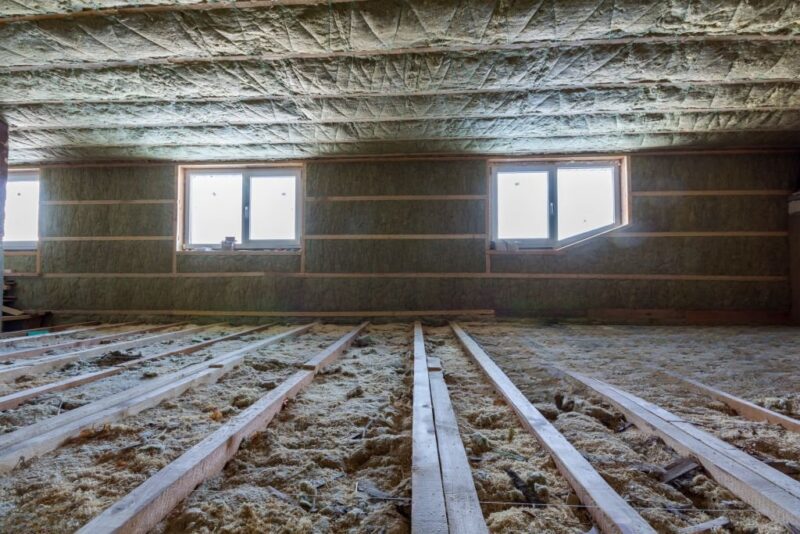
Attic insulation plays a major role in how efficiently your air conditioner cools your home. In Florida, attics can become extremely hot during the day, and that heat can transfer into the living areas below if insulation is thin, uneven, damaged, or outdated. When this happens, your AC has to run longer to maintain the thermostat setting, which increases energy use and puts more strain on the system. Upgrading attic insulation can help your home hold cool air more effectively, reduce heat gain, improve comfort, and support better AC efficiency without replacing the unit.
Why Florida Attics Trap Heat
Florida attics can trap intense heat because they sit directly beneath the roof, where sunlight beats down for hours each day. As roofing materials absorb heat, attic temperatures can rise quickly and radiate into the rooms below. Without enough insulation, that heat moves into your living space and makes the AC work harder to keep the home cool. This can be especially noticeable in upstairs rooms, bedrooms, or areas that feel warm even when the air conditioner is running.
How Poor Insulation Increases AC Runtime
Poor attic insulation increases AC runtime by allowing heat to enter the home faster than the system can remove it. When the living space keeps gaining heat from above, the air conditioner must cycle more often and run longer to maintain comfort. This can lead to higher energy bills, uneven temperatures, and added wear on HVAC components. Improving insulation helps slow heat transfer, allowing your AC to cool more efficiently and maintain indoor comfort with less effort.
Benefits of Blown-In Insulation
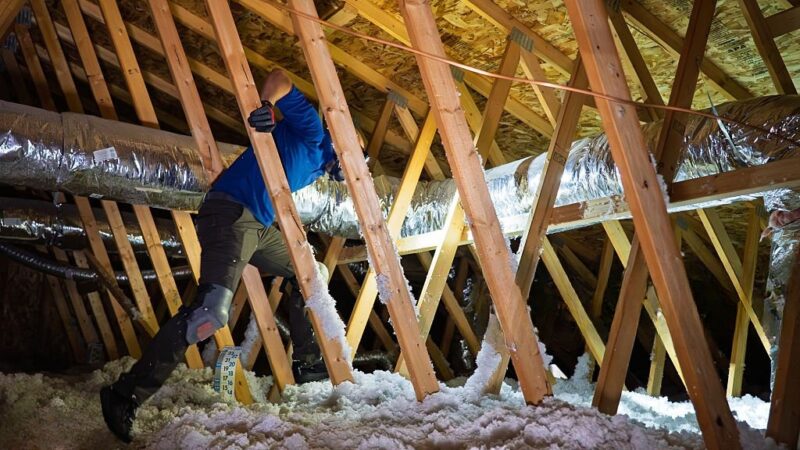
Blown-in insulation is a practical option for improving attic coverage because it can fill gaps, settle around obstacles, and create a more even thermal barrier across the attic floor. This can be especially helpful in older homes or attics where existing insulation has shifted, settled, or become uneven over time. Better insulation coverage helps reduce heat transfer, improve indoor temperature consistency, and lower the cooling load on your AC system. For Florida homeowners, blown-in insulation can also help make rooms feel more comfortable during long stretches of heat.
When to Schedule a Professional Insulation Inspection
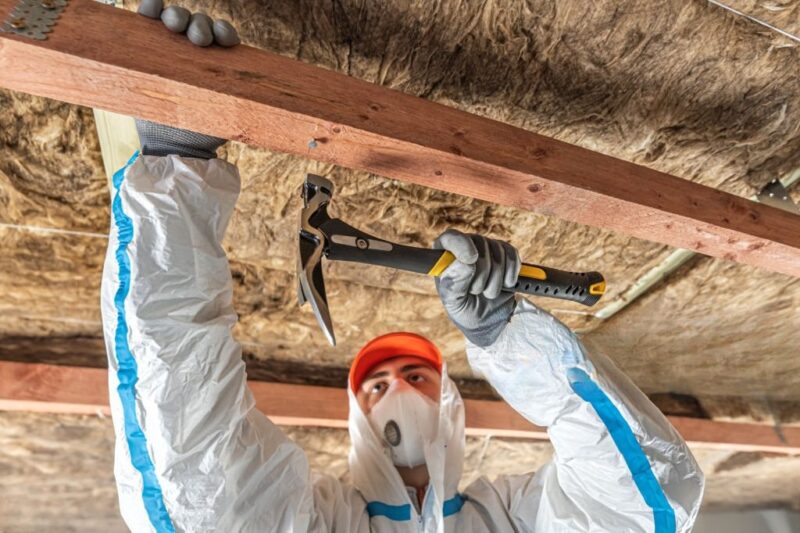
A professional insulation inspection is worth scheduling if your home has high cooling bills, uneven temperatures, hot rooms, or an AC system that seems to run constantly. You should also consider an inspection if your attic insulation looks thin, compressed, damaged, or uneven. An HVAC or insulation professional can evaluate current insulation levels, identify air leaks, check for moisture concerns, and recommend improvements that support better cooling efficiency. For homeowners who want to improve AC performance without replacing the system, attic insulation is one of the most effective areas to review.
Keep Your Outdoor AC Unit Clear and Clean
Your outdoor AC unit, also called the condenser unit, needs proper airflow to release heat from your home efficiently. When the condenser becomes blocked by debris, overgrown landscaping, dirt, or nearby objects, the system has to work harder to push heat outside. This can increase energy use, reduce cooling performance, and place extra strain on important components like the compressor. In Florida, where AC systems often run through long periods of heat and humidity, keeping the outdoor unit clear and clean is a simple but important way to improve efficiency without upgrading the system.
Remove Leaves, Grass, and Debris Around the Unit
Leaves, grass clippings, dirt, mulch, branches, and other outdoor debris can collect around the condenser unit over time. These materials can block airflow through the condenser coils and make it harder for the system to release heat. Homeowners should regularly clear debris from around the unit and gently remove buildup from visible surfaces. This is especially important after storms, lawn maintenance, or windy weather, which can quickly cover the condenser with debris. A cleaner outdoor unit helps support more efficient cooling and better overall system performance.
Maintain Proper Clearance for Airflow
The condenser unit needs open space around it so air can move freely through the coils. If airflow is restricted, heat cannot escape efficiently, and the AC may run longer or struggle to cool the home properly. Maintaining proper clearance around the unit helps improve heat transfer and reduces unnecessary strain on the system. Homeowners should avoid placing objects directly beside the condenser and keep enough open space for air circulation on all sides.
Avoid Blocking the Condenser With Plants or Storage
Shrubs, fences, storage bins, patio furniture, gardening supplies, and decorative landscaping can sometimes crowd the outdoor AC unit. While it may seem harmless, blocking the condenser can trap heat around the system and reduce airflow efficiency. Plants and landscaping should be trimmed back regularly so they do not interfere with ventilation. Homeowners should also avoid storing items directly against the unit or building enclosed barriers that limit airflow. Keeping the condenser accessible also makes professional maintenance and inspections easier.
Why Outdoor Airflow Matters for Heat Release
Your AC system cools the home by transferring indoor heat outside, and the condenser unit is responsible for releasing that heat into the outdoor air. If airflow around the condenser is poor, heat remains trapped in the system longer, forcing the AC to work harder and use more electricity. Reduced heat release can lead to longer cooling cycles, higher energy bills, reduced efficiency, and increased wear on major components. In Florida’s hot climate, strong outdoor airflow is essential for helping your AC operate as efficiently and reliably as possible.
Use Your Thermostat More Efficiently
Your thermostat settings have a direct impact on how efficiently your air conditioner operates. Even a well-maintained AC system can waste energy if the thermostat is used inefficiently. In Florida homes, where cooling systems often run for much of the year, small thermostat adjustments can help reduce unnecessary runtime, lower energy bills, and improve overall comfort. Using smarter temperature habits allows your AC to cool the home more consistently without placing extra strain on the system.
Set Realistic Cooling Temperatures
Setting the thermostat much lower than necessary does not cool your home faster. It only forces the AC to run longer and use more electricity. In many cases, lowering the thermostat too aggressively can also make humidity control less effective and increase wear on the system. A realistic cooling temperature helps balance comfort and efficiency while preventing unnecessary strain on HVAC components. Florida homeowners often benefit from maintaining steady, moderate settings instead of chasing extremely cold indoor temperatures during peak summer heat.
Avoid Constant Temperature Changes
Constantly adjusting the thermostat throughout the day can reduce efficiency and make the AC work harder than needed. Frequent temperature changes may cause short cycling, inconsistent cooling, and unnecessary system starts and stops. Instead of making repeated manual adjustments, it is usually better to allow the system to maintain a stable temperature for longer periods. Consistency helps the AC operate more smoothly and can improve comfort throughout the home.
Use Programmable or Smart Thermostat Schedules
Programmable and smart thermostats can help improve efficiency by automatically adjusting temperatures based on your daily routine. For example, the thermostat can raise the temperature while the house is empty and cool the home again before you return. Smart thermostats may also learn your habits, track energy use, and make automatic adjustments for better efficiency. These scheduling features help reduce wasted cooling time without sacrificing comfort, especially during Florida’s long cooling season.
Adjust Settings When You Are Away
There is no need to keep the home at the same cooling setting when nobody is there. Raising the thermostat slightly while you are away can reduce AC runtime and help lower energy bills. The goal is not to shut the system off completely, especially in Florida’s humid climate, but to reduce unnecessary cooling while still protecting indoor comfort and humidity levels. Smart thermostats with away modes or geofencing features can make these adjustments automatically, helping homeowners save energy without having to remember to change the settings manually.
Reduce Heat Gain Inside Your Home
One of the easiest ways to improve AC efficiency without upgrading your system is to reduce the amount of heat entering or building up inside your home. The less heat your air conditioner has to remove, the less energy it uses to maintain comfortable indoor temperatures. In Florida, where strong sunlight and long summer days can quickly raise indoor temperatures, reducing heat gain can help your AC cool more effectively while lowering strain on the system. Small changes around the home can make a noticeable difference in both comfort and energy use.
Close Curtains and Blinds During Peak Sunlight
Sunlight streaming through windows can significantly increase indoor temperatures, especially during the hottest parts of the day. Rooms with large windows or direct afternoon sun often become much warmer than the rest of the house, forcing the AC to run longer to compensate. Closing curtains, blinds, or shades during peak sunlight hours helps block solar heat before it enters the home. This simple habit can help rooms stay cooler naturally and reduce unnecessary cooling demand on the AC system.
Use Ceiling Fans to Improve Comfort
Ceiling fans help improve comfort by circulating air throughout the room and creating a wind-chill effect that makes the space feel cooler. While fans do not actually lower the room temperature, they can help homeowners feel comfortable at slightly higher thermostat settings. This allows the AC to run less often without sacrificing comfort. In Florida homes, ceiling fans can be especially helpful in bedrooms, living rooms, and spaces where air tends to feel stagnant or warm.
Limit Heat From Appliances During Hot Hours
Appliances such as ovens, stoves, dryers, and dishwashers generate additional indoor heat when they are running. Using these appliances during the hottest hours of the day can increase the cooling load on your AC system and make the home harder to keep comfortable. Whenever possible, homeowners can reduce heat buildup by cooking earlier or later in the day, grilling outdoors, or running heat-producing appliances during cooler evening hours. Reducing indoor heat sources helps your AC maintain temperatures more efficiently.
Switch to LED Lighting Where Possible
Traditional incandescent bulbs produce much more heat than LED lighting. In a home with multiple lights running throughout the day, that extra heat can add to the cooling burden on the AC system. LED bulbs use less energy and produce far less heat, making them a more efficient choice for Florida homes. While the impact may seem small room by room, switching to LED lighting throughout the house can help reduce indoor heat gain and support better overall energy efficiency.
Improve Ductwork Efficiency
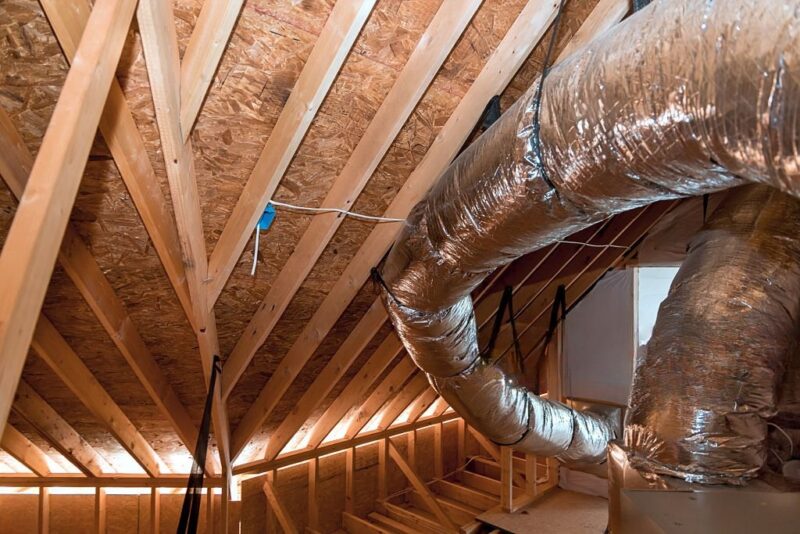
Your ductwork plays a major role in how efficiently cooled air moves through your home. Even if the air conditioner itself is working properly, damaged, dirty, leaking, or poorly insulated ducts can reduce airflow, waste energy, and make certain rooms harder to cool. In Florida homes, where attic temperatures can become extremely hot, inefficient ductwork can force the AC system to work much harder than necessary. Improving duct efficiency can help your home cool more evenly while reducing unnecessary strain on the HVAC system.
Seal Leaky Air Ducts
Leaky air ducts allow cooled air to escape before it reaches the rooms inside your home. In many cases, conditioned air leaks into attics, crawl spaces, or wall cavities instead of flowing through supply vents where it is needed. This forces the AC to run longer to compensate for the lost airflow. Sealing duct leaks helps improve airflow efficiency, reduce wasted energy, and support more consistent cooling throughout the home. Professional duct sealing can also help improve humidity control by limiting the amount of hot attic air entering the duct system.
Clean Dirty Ductwork
Over time, dust, dirt, pet hair, and debris can collect inside ductwork and restrict airflow. Dirty ducts may contribute to weak airflow, uneven temperatures, musty odors, and poor indoor air quality. While not every home requires frequent duct cleaning, heavily contaminated or neglected duct systems can affect AC efficiency and comfort. Cleaning ductwork when needed helps improve airflow circulation and may reduce the amount of dust moving through the home. It can also support cleaner HVAC components and better system performance overall.
Insulate Ducts in Hot Attic Spaces
Many Florida homes have ductwork running through extremely hot attic spaces. Without proper insulation, cooled air traveling through those ducts can absorb heat before it ever reaches the living areas below. This reduces cooling efficiency and forces the AC system to run longer to maintain comfort. Insulating attic ductwork helps keep conditioned air cooler as it moves through the system, which can improve airflow temperatures, reduce cooling loss, and support lower energy use during hot weather.
Watch for Uneven Cooling and Weak Airflow
Uneven temperatures and weak airflow are often signs of ductwork problems. Rooms that stay warmer than others, vents with little airflow, or areas that never seem comfortable may point to leaks, blockages, poor duct design, disconnected sections, or insulation issues. Ignoring these warning signs can lead to longer AC runtime, higher cooling costs, and unnecessary wear on the HVAC system. If airflow problems continue even after replacing filters and adjusting vents, professional duct inspection may help identify hidden efficiency issues inside the system.
Control Indoor Humidity
Controlling indoor humidity is an important part of improving AC efficiency, especially in Florida homes. When humidity levels are high, the air can feel warmer and heavier even if the thermostat is set to a comfortable temperature. This often causes homeowners to lower the thermostat, which makes the AC run longer and use more energy. By managing moisture inside the home, you can improve comfort, reduce unnecessary cooling demand, and help your air conditioner work more efficiently without replacing the system.
Why Humidity Makes Your Home Feel Warmer
Humidity makes your home feel warmer because moisture in the air slows the body’s natural cooling process. When indoor air is too humid, sweat does not evaporate as easily, so rooms can feel sticky, heavy, and uncomfortable even when the temperature is technically low enough. This can lead homeowners to set the thermostat lower than necessary, increasing AC runtime and energy use. Keeping humidity under better control helps the home feel cooler at a more efficient temperature setting.
Use Exhaust Fans in Bathrooms and Kitchens
Bathrooms and kitchens produce a lot of moisture from showers, cooking, dishwashing, and hot water use. If that moisture stays trapped indoors, it can raise humidity levels and make the AC work harder to maintain comfort. Using exhaust fans during and after showers or cooking helps remove warm, humid air before it spreads through the home. This simple habit can support better indoor comfort, reduce moisture buildup, and make it easier for your AC system to manage humidity.
Keep Drain Lines Clear
Your AC removes moisture from indoor air and sends that water out through the condensate drain line. If the drain line becomes clogged with algae, dirt, or debris, moisture can back up into the system and create water leaks, musty odors, or higher indoor humidity. In Florida’s humid climate, keeping drain lines clear is especially important because the AC may remove large amounts of moisture during long cooling cycles. Regular maintenance helps prevent clogs and keeps the system draining properly.
Consider Indoor Air Quality and Dehumidification Solutions
If your home still feels humid even when the AC is running properly, additional indoor air quality or dehumidification solutions may help. A whole-home dehumidifier, improved ventilation, better filtration, or ductwork improvements can support a drier, more comfortable indoor environment. These solutions can reduce the need to overcool the home just to feel comfortable. For Florida homeowners, addressing humidity directly can improve comfort, protect indoor air quality, and help the AC system operate more efficiently.
Avoid Overworking Your AC System
Your air conditioner is designed to maintain comfort steadily, not fight constant heat gain, airflow problems, or unrealistic thermostat demands. When the system is overworked, it may run longer, use more electricity, struggle with humidity, and experience more wear on important components. In Florida, where AC systems often operate for much of the year, reducing unnecessary strain can help improve efficiency, lower cooling costs, and extend the life of the equipment. Small daily habits can make a big difference in how hard your AC has to work.
Do Not Set the Thermostat Too Low
Lowering the thermostat far below a comfortable temperature does not cool your home faster. It only tells the AC to keep running longer until it reaches that setting. This can increase energy use and place extra strain on the system, especially during Florida’s hottest days. Keeping the thermostat at a realistic, consistent temperature helps the AC maintain comfort more efficiently without unnecessary runtime. If the home still feels uncomfortable, the issue may involve humidity, airflow, insulation, or maintenance rather than the thermostat setting itself.
Keep Doors and Windows Closed While Cooling
Open doors and windows allow hot, humid outdoor air to enter the home while conditioned air escapes outside. This forces the AC to constantly replace cooled air and remove additional moisture from the indoor environment. Even small gaps can affect efficiency during long cooling cycles. Keeping windows and exterior doors closed while the AC is running helps maintain stable indoor temperatures and reduces unnecessary cooling demand on the system.
Avoid Blocking Return Airflow
Return vents pull indoor air back into the HVAC system so it can be cooled and circulated again. If return vents are blocked by furniture, curtains, storage items, or other obstructions, airflow becomes restricted and the AC has to work harder to move air through the system. Poor return airflow can lead to uneven cooling, weak airflow from vents, longer run times, and increased strain on the blower motor. Keeping return vents open and unobstructed helps support better circulation and more efficient system performance.
Use Zoning Habits for Rooms You Use Most
While not every home has a true zoned HVAC system, homeowners can still use smart zoning habits to reduce unnecessary cooling. Closing doors to unused spaces, using ceiling fans in occupied rooms, and focusing comfort where people spend the most time can help reduce cooling waste. The goal is not to completely block airflow throughout the home, but to avoid overcooling areas that are rarely used. Smart thermostat scheduling and room-by-room comfort habits can help your AC operate more efficiently while still keeping the main living areas comfortable.
Common Mistakes That Reduce AC Efficiency
Many homeowners unintentionally reduce their air conditioner’s efficiency through small habits or overlooked maintenance issues. Even a relatively new AC system can struggle if airflow is restricted, maintenance is ignored, or the home itself allows too much heat inside. In Florida, where air conditioners often run through long periods of heat and humidity, these mistakes can quickly increase energy bills and place unnecessary strain on HVAC equipment. Avoiding common efficiency problems can help your current system cool more effectively without requiring an upgrade.
Skipping Maintenance
Skipping regular AC maintenance is one of the biggest reasons systems lose efficiency over time. Dirt buildup, worn components, clogged drain lines, loose electrical connections, and low refrigerant levels can all make the system work harder than necessary. Without routine inspections and tune-ups, small problems may go unnoticed until they lead to poor cooling performance or costly repairs. Seasonal maintenance helps keep the system clean, properly adjusted, and operating more efficiently during heavy Florida cooling seasons.
Ignoring Dirty Filters
Dirty air filters restrict airflow and force the AC system to work harder to move cooled air throughout the home. This can lead to weak airflow, uneven cooling, frozen coils, longer run times, and higher energy use. Many homeowners forget to check filters regularly, especially when the system appears to be running normally. In Florida homes where AC systems operate frequently, filters may need to be checked monthly to maintain good airflow and efficient performance.
Closing Too Many Vents
Some homeowners close supply vents in unused rooms thinking it will save energy, but this can actually reduce efficiency. Modern HVAC systems are designed to distribute airflow throughout the entire duct system. Closing too many vents can increase pressure inside the ducts, reduce airflow balance, and make the AC work harder. This may lead to uneven cooling, short cycling, or extra strain on the blower motor and other components. It is usually more effective to improve airflow management and thermostat habits rather than shutting off multiple vents completely.
Letting Outdoor Units Get Blocked
Outdoor condenser units need open airflow to release heat properly. When grass, leaves, shrubs, fencing, storage items, or debris block the condenser, heat becomes trapped around the unit and cooling efficiency drops. A blocked outdoor unit may cause the AC to run longer, use more electricity, and struggle during hot weather. Keeping the area around the condenser clean and open helps improve heat release and supports better overall system performance.
Ignoring Duct Leaks and Insulation Problems
Leaky ductwork and poor insulation can waste large amounts of cooled air before it ever reaches the living space. In Florida homes, duct systems running through hot attics are especially vulnerable to cooling loss if ducts are damaged or poorly insulated. Weak attic insulation can also allow heat to enter the home faster, forcing the AC to run longer to maintain comfort. Ignoring these issues may cause high energy bills, uneven temperatures, humidity problems, and constant AC runtime even if the HVAC system itself is working properly.
Professional AC Efficiency Services in Port Charlotte, FL
Improving AC efficiency does not always mean replacing your system. In many cases, professional maintenance, ductwork improvements, attic insulation, and indoor air quality solutions can help your current air conditioner perform better and work less. For homeowners in Port Charlotte, FL, Dale’s AC provides practical efficiency-focused services designed for Florida heat, humidity, and long cooling seasons. Whether your system runs constantly, your energy bills are rising, or certain rooms never feel comfortable, professional service can help identify what is causing the strain and recommend the right next step.
AC Maintenance and Tune-Ups
Regular AC maintenance and tune-ups help keep your system clean, efficient, and reliable. During a professional service visit, technicians can inspect airflow, clean coils, check refrigerant levels, test electrical components, clear drain lines, and look for worn parts before they become larger problems. This helps your AC cool more effectively while reducing unnecessary strain on the system. For Florida homes, where cooling equipment often runs for much of the year, routine maintenance is one of the best ways to protect comfort and lower energy waste.
Air Duct Cleaning and Sealing Support
Dirty or leaky ductwork can reduce AC efficiency by restricting airflow or allowing cooled air to escape before it reaches your living spaces. Dale’s AC can help evaluate ductwork concerns and recommend cleaning, sealing, or repair solutions when needed. Cleaner, better-sealed ducts can improve airflow, reduce uneven temperatures, support cleaner indoor air, and help your system deliver cooling where it belongs. This is especially important in homes with ducts running through hot attic spaces.
Attic Insulation Services
Attic insulation plays a major role in reducing heat transfer into your home. If insulation is thin, uneven, or outdated, Florida attic heat can move into your living areas and force your AC to run longer. Dale’s AC provides attic insulation services that help reduce cooling demand, improve indoor comfort, and support better energy efficiency. Better insulation can make your home feel more stable during hot weather while helping your current system work less to maintain the thermostat setting.
Indoor Air Quality Solutions
Indoor air quality solutions can also support AC efficiency and comfort. High humidity, dust buildup, poor filtration, and stale airflow can make your home feel warmer or less comfortable than it should. Dale’s AC can recommend solutions such as improved filtration, air purification, duct cleaning, humidity control, or ventilation support based on your home’s needs. By improving the quality and movement of indoor air, your AC system can often maintain comfort more effectively without excessive runtime.
Honest Recommendations From Dale’s AC
Dale’s AC believes in honest, practical recommendations that fit your home, comfort needs, and budget. If your current system can be improved through maintenance, airflow adjustments, insulation, or ductwork solutions, we will help you explore those options. If a larger repair or replacement may eventually make more sense, we will explain why clearly so you can make an informed decision. Our goal is to help Port Charlotte homeowners get better comfort, cleaner air, and lower cooling costs without unnecessary upgrades.
FAQs About Improving AC Efficiency
How can I make my AC more efficient without replacing it?
You can make your AC more efficient without replacing it by improving airflow, keeping filters clean, scheduling regular maintenance, sealing air leaks, clearing debris around the outdoor unit, and using your thermostat more strategically. Attic insulation, duct sealing, and humidity control can also help reduce how hard your system has to work. These improvements allow your current AC to cool more effectively while reducing wasted energy, especially during Florida’s long cooling season.
Does changing the air filter really improve AC efficiency?
Yes, changing the air filter can improve AC efficiency because a clean filter allows air to move more freely through the system. When a filter is clogged with dust, pet hair, and debris, the AC has to work harder to pull air through, which can increase energy use and reduce cooling performance. Dirty filters can also contribute to frozen coils, weak airflow, and extra strain on the blower motor. Replacing filters regularly is one of the easiest ways to protect efficiency and indoor air quality.
What thermostat setting is best for AC efficiency in Florida?
The best thermostat setting for AC efficiency in Florida is one that balances comfort, humidity control, and energy savings. Many homeowners benefit from keeping the thermostat at a moderate, consistent temperature while home and raising it slightly when away. Setting the thermostat too low can increase energy use without cooling the home faster. A programmable or smart thermostat can help create efficient schedules so the system runs less when the home is empty while still maintaining comfort when needed.
Can attic insulation help lower cooling costs?
Yes, attic insulation can help lower cooling costs by reducing heat transfer from the attic into the living space. Florida attics can become extremely hot, and poor insulation allows that heat to move into the home more easily. When this happens, the AC must run longer to maintain the thermostat setting. Better attic insulation helps the home hold cooled air more effectively, improves temperature consistency, and reduces the workload on the air conditioning system.
How do leaky ducts affect AC performance?
Leaky ducts reduce AC performance by allowing cooled air to escape before it reaches your rooms. In many Florida homes, ductwork runs through hot attic spaces, so leaks can waste conditioned air and pull in warm, humid air. This can cause uneven cooling, weak airflow, higher humidity, longer run times, and increased energy bills. Sealing duct leaks helps more cooled air reach the living areas and allows the system to operate more efficiently.
Should I close vents in unused rooms to save energy?
Closing one or two vents occasionally may seem harmless, but closing too many vents can reduce efficiency and create pressure problems inside the duct system. Your AC is designed to move a certain amount of air, and blocked vents can make the system work harder, reduce airflow balance, and increase strain on components. Instead of closing many vents, it is usually better to use thermostat scheduling, improve insulation, seal leaks, and address airflow problems professionally.
How often should I schedule AC maintenance?
Most homeowners should schedule AC maintenance at least once a year, but in Florida, twice-a-year service can be beneficial because cooling systems work so heavily. Regular maintenance helps clean coils, check refrigerant levels, inspect electrical components, clear drain lines, test airflow, and catch small issues early. Staying on top of maintenance helps improve efficiency, reduce repair risks, and keep your system ready for long periods of heat and humidity.
When should I replace my AC instead of trying to improve efficiency?
You may want to replace your AC if the system is 10 to 15 years old or older, needs frequent repairs, struggles to cool your home, causes rising energy bills, or no longer controls humidity well. Efficiency improvements can help many systems perform better, but they cannot always overcome aging equipment or major mechanical problems. If repair costs are adding up or comfort issues keep returning, a professional inspection can help determine whether maintenance, repairs, or replacement makes the most sense.
Stop Making Your AC Sweat the Small Stuff!
Improving AC efficiency does not always require a full system upgrade. With regular maintenance, clean filters, better airflow, sealed leaks, attic insulation, smart thermostat habits, and proper humidity control, homeowners can help their existing AC system cool more effectively while reducing unnecessary strain and energy waste. For Florida homes, these small improvements can add up to better comfort, cleaner indoor air, lower cooling costs, and fewer performance problems during long stretches of heat and humidity. Taking care of the system you already have can also help extend its lifespan and delay replacement when the equipment is still in good condition.
At Dale’s AC as a professional HVAC company in Port Charlotte, we help get more from their current cooling systems with practical, honest solutions built for Florida living. Whether you need AC maintenance in Port Charlotte, ductwork support, attic insulation in Port Charlotte, indoor air quality in Port Charlotte, or guidance on whether air conditioning repair in Port Charlotte or AC replacement in Port Charlotte makes more sense, we are here to help you make the right choice for your home and budget. We focus on dependable comfort, lower energy waste, and long-term system performance, so your AC can keep up without working overtime. Call us today at (941) 629-1712 or contact us and let us help your AC work smarter, not harder.