

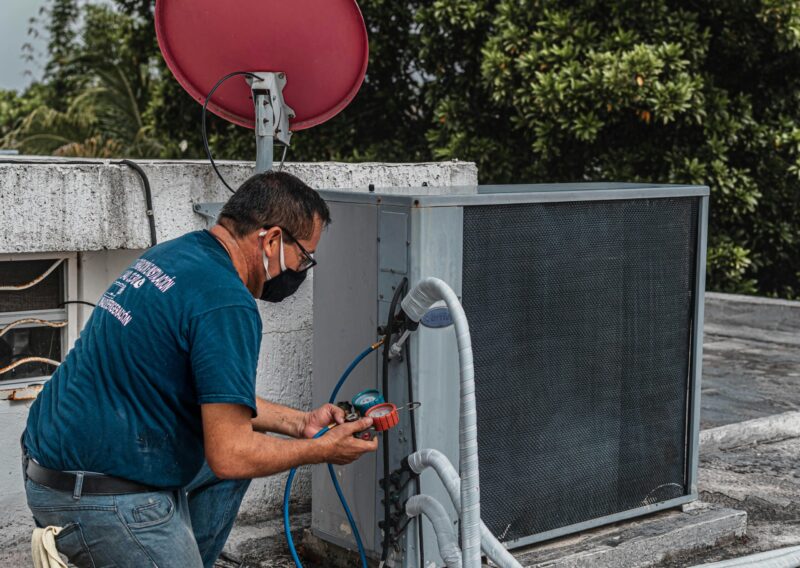
When your air conditioner stops cooling properly in the middle of a Florida summer, comfort can disappear fast. Weak airflow, warm air coming from the vents, strange noises, rising energy bills, excess humidity, or an AC system that constantly turns on and off are all signs that something may be wrong with your HVAC system. While some issues are minor and easy to address, others can quickly turn into expensive repairs or complete system breakdowns if they are ignored for too long. Understanding the most common AC problems and knowing what may be causing them can help homeowners respond early before comfort, efficiency, and indoor air quality start to suffer.
Florida’s heat and humidity place heavy demands on air conditioning systems for much of the year, which means HVAC equipment often works harder and longer than systems in cooler climates. Dirty filters, frozen coils, clogged drain lines, refrigerant problems, airflow restrictions, electrical failures, and thermostat issues are all common causes of cooling trouble. Some problems can be safely checked by homeowners, while others require professional HVAC diagnosis and repair. Learning how to troubleshoot common AC problems can help you identify warning signs early, avoid unnecessary energy waste, and keep your cooling system running more reliably during the hottest months in Port Charlotte and surrounding areas.
Why Air Conditioning Problems Should Never Be Ignored
Air conditioning problems may start small, but they can quickly affect your comfort, energy bills, indoor air quality, and overall system performance. In Florida, where AC systems often run through long stretches of heat and humidity, even minor issues can place extra strain on the equipment. A weak airflow problem, strange noise, clogged drain line, dirty filter, or short cycling system may seem manageable at first, but ignoring these warning signs can lead to more serious damage over time. Addressing AC problems early helps protect your home’s comfort and reduces the risk of being left without cooling when you need it most.
Small AC Issues Can Quickly Become Bigger Repairs
Many major AC repairs begin as smaller problems that were easy to overlook. A dirty air filter can restrict airflow and eventually contribute to frozen coils. A clogged drain line can lead to water leaks and moisture damage. A loose electrical connection can cause system failures or prevent the unit from starting properly. When these issues are not addressed early, the system has to work harder, and other components may begin to wear down faster. Taking care of minor AC problems right away can help prevent more expensive repairs and protect the long-term health of the system.
Florida Heat and Humidity Put Extra Stress on HVAC Systems
Florida’s climate puts heavy demand on air conditioning systems because they often run for much of the year. High outdoor temperatures, strong sun exposure, and constant humidity make cooling equipment work harder to maintain a comfortable indoor environment. This extended runtime can increase wear on components like compressors, blower motors, coils, capacitors, and drain systems. If an AC system is already struggling with airflow issues, dirty parts, or low refrigerant, Florida’s heat can make the problem worse quickly. Regular attention and prompt troubleshooting are especially important in Port Charlotte homes where cooling is essential for daily comfort.
Reduced Efficiency Often Leads to Higher Energy Bills
When an air conditioner is not working properly, it usually uses more energy to deliver less comfort. Problems like dirty coils, clogged filters, leaky ductwork, low refrigerant, or malfunctioning parts can force the system to run longer than necessary. That extra runtime can increase monthly utility bills while still leaving the home feeling warm, humid, or unevenly cooled. If your energy costs are rising and your cooling habits have not changed, your AC system may be losing efficiency. Fixing the underlying issue early can help restore performance and reduce unnecessary energy waste.
Early Troubleshooting Can Prevent System Breakdowns
Early troubleshooting gives homeowners a chance to catch warning signs before the AC stops working completely. Simple steps like checking the thermostat, replacing a dirty filter, clearing debris around the outdoor unit, and listening for unusual noises can help identify potential problems. However, issues involving refrigerant, electrical components, frozen coils, or repeated shutdowns should be handled by a professional. Prompt service can help prevent small problems from becoming major breakdowns, keeping your system more reliable during Florida’s hottest months.
6 Signs Your Air Conditioner May Have a Problem
1. Weak or Warm Air Coming From Vents
Weak airflow or warm air coming from the vents is one of the most noticeable signs that something may be wrong with the AC system. This can happen because of clogged air filters, frozen evaporator coils, refrigerant issues, blocked ducts, blower motor problems, or thermostat malfunctions. Sometimes the system is technically running, but the cooled air is not reaching the living spaces properly. In Florida’s heat, weak airflow can quickly make rooms feel uncomfortable and force the system to work harder for longer periods.
2. Unusual Noises During Operation
Air conditioners normally make some operational noise, but loud or unusual sounds are often signs of trouble. Banging, rattling, buzzing, screeching, grinding, or clicking noises can point to loose parts, electrical issues, worn components, motor problems, or airflow restrictions. Ignoring strange noises may allow the damage to worsen over time, potentially leading to more serious repairs. If the system suddenly becomes louder than usual or starts making new sounds, it is a good idea to have it inspected before the issue spreads to other components.
3. Rising Energy Bills Without Increased Usage
An unexpected increase in energy bills without major changes in cooling habits often means the AC system is losing efficiency. Dirty coils, clogged filters, refrigerant problems, leaky ductwork, thermostat issues, or aging equipment can all force the system to run longer than necessary. Even if the home still feels reasonably cool, the AC may be working much harder behind the scenes to maintain the same comfort level. Monitoring monthly energy costs can help homeowners spot efficiency problems early before they lead to larger repair issues.
4. AC Constantly Turning On and Off
If the AC constantly turns on and off in short cycles, the system may be experiencing short cycling. This can be caused by dirty filters, oversized equipment, thermostat placement issues, refrigerant problems, airflow restrictions, or electrical malfunctions. Short cycling prevents the system from completing normal cooling cycles, which can reduce comfort, increase energy use, and place extra wear on important components. In Florida homes, short cycling can also reduce humidity removal, leaving indoor spaces feeling damp or sticky.
5. Excess Humidity Indoors
Air conditioners are supposed to help remove moisture from indoor air while cooling the home. If rooms suddenly feel more humid than usual, the system may not be dehumidifying properly. This can happen when the AC is oversized, low on refrigerant, struggling with airflow issues, or experiencing drainage problems. Excess humidity can make the home feel warmer, increase discomfort, and contribute to musty odors or indoor moisture concerns. In Florida’s humid climate, poor moisture control is often an early sign that the AC system needs attention.
6. Strange Odors Coming From the System
Strange smells coming from the vents or HVAC system should never be ignored. Musty odors may point to mold or mildew growth caused by excess moisture, clogged drain lines, or dirty coils. Burning smells can indicate electrical problems, overheating components, or wiring issues that may require immediate professional service. Dusty odors may simply mean the system needs cleaning or filter replacement, but persistent smells usually suggest a larger problem affecting airflow or indoor air quality. Identifying the source early can help prevent further damage and keep the home healthier and more comfortable.
AC Not Turning On: Common Causes and Fixes
When your AC will not turn on, it can feel like an emergency, especially during a hot Florida day. The problem may be something simple, such as an incorrect thermostat setting or a tripped breaker, but it can also point to a deeper electrical or mechanical issue inside the system. Before assuming the worst, homeowners can check a few basic items safely. However, if the system still does not start or if you notice burning smells, repeated breaker trips, buzzing, or signs of electrical failure, it is best to stop troubleshooting and call a licensed HVAC professional.
Checking the Thermostat Settings
The thermostat is the first place to check when an AC system will not turn on. Make sure it is set to “cool” and that the temperature setting is lower than the current indoor temperature. If the thermostat uses batteries, replace them to rule out a power issue. You should also check whether the display is blank, unresponsive, or showing error messages. Sometimes the AC itself is fine, but the thermostat is not sending the right signal to start the cooling cycle. If settings and batteries do not solve the issue, the thermostat may need recalibration, replacement, or professional inspection.
Tripped Circuit Breakers or Electrical Issues
A tripped breaker can prevent the AC system from starting. Check your electrical panel to see whether the breaker for the indoor air handler or outdoor condenser has flipped. If it has, reset it once and see if the system turns back on. If the breaker trips again, do not keep resetting it, because repeated trips may indicate a wiring issue, short circuit, overloaded component, or failing motor. Electrical problems can be dangerous and should be handled by a professional. A properly trained technician can diagnose whether the issue is with the breaker, wiring, disconnect box, capacitor, compressor, or another part of the system.
Dirty Air Filters Restricting Airflow
A dirty air filter may not always stop an AC from turning on immediately, but it can cause airflow restrictions that lead to system shutdowns or safety controls activating. When air cannot move freely through the system, the evaporator coil may freeze, the blower motor may work harder, and the system may overheat or fail to complete a cooling cycle. If your AC will not start or has been shutting off unexpectedly, check the filter and replace it if it is clogged with dust, pet hair, or debris. Clean filters help protect airflow, efficiency, and equipment reliability, especially in Florida homes where systems run often.
Problems With the Capacitor or Contactor
The capacitor and contactor are small electrical components that play a big role in starting and running the AC system. The capacitor helps provide the electrical boost needed to start the motor, while the contactor helps control power to the outdoor unit. If either part fails, the system may hum, click, struggle to start, or not turn on at all. These parts should not be handled as a DIY repair because they involve electrical current and can be dangerous even when the system is off. A technician can test these components safely and replace them if needed.
When to Call an HVAC Professional
You should call an HVAC professional if your AC does not turn on after checking the thermostat, batteries, filter, and breaker. Professional service is also needed if the breaker keeps tripping, the outdoor unit hums but does not start, the indoor blower is not running, the thermostat is blank, or you notice burning smells, buzzing noises, or signs of electrical trouble. These symptoms may point to issues with the capacitor, contactor, wiring, blower motor, compressor, safety switches, or control board. Prompt diagnosis can help prevent further damage and restore cooling before Florida heat makes the problem more uncomfortable.
Why Your AC Is Running But Not Cooling
One of the most frustrating HVAC problems is when the air conditioner appears to be running normally, but the home still feels warm and uncomfortable. You may hear the system operating and feel air coming from the vents, yet the temperature indoors continues rising or never reaches the thermostat setting. Warm air from vents is often linked to airflow restrictions, refrigerant issues, or dirty coils, but several different problems can reduce the system’s ability to cool properly. In Florida, where air conditioners work hard against heat and humidity, cooling issues can quickly make the home uncomfortable if they are not addressed early.
Low Refrigerant Levels
Refrigerant is the substance responsible for absorbing heat from inside the home and releasing it outdoors. If refrigerant levels are low, the AC system may struggle to cool the air properly, leading to weak cooling performance or warm air from the vents. Low refrigerant is often caused by a leak somewhere in the system rather than normal usage. Signs may include longer cooling cycles, ice buildup on refrigerant lines, hissing sounds, or rising energy bills. Refrigerant problems should always be handled by a licensed HVAC technician because the system must be tested, repaired, and properly recharged.
Dirty Evaporator or Condenser Coils
Dirty coils can significantly reduce cooling performance. The evaporator coil inside the home absorbs heat from indoor air, while the condenser coil outside releases that heat outdoors. When dirt, dust, debris, or buildup collect on these coils, heat transfer becomes less effective and the system has to work harder to cool the home. This can lead to weak cooling, longer runtime, frozen coils, and higher energy use. Outdoor condenser coils may also become blocked by grass, leaves, or debris around the unit, especially during Florida’s long cooling season.
Frozen Evaporator Coil Problems
A frozen evaporator coil can prevent the AC from cooling properly even though the system is still running. Ice buildup often occurs because of restricted airflow, dirty filters, refrigerant issues, or blower problems. When the coil freezes, warm air may blow from the vents because the system can no longer absorb heat effectively. Homeowners may also notice ice on refrigerant lines or water leaks when the ice begins melting. If the coil is frozen, turning the system off and replacing the air filter may help temporarily, but repeated freezing usually requires professional diagnosis and repair.
Blocked or Leaky Air Ducts
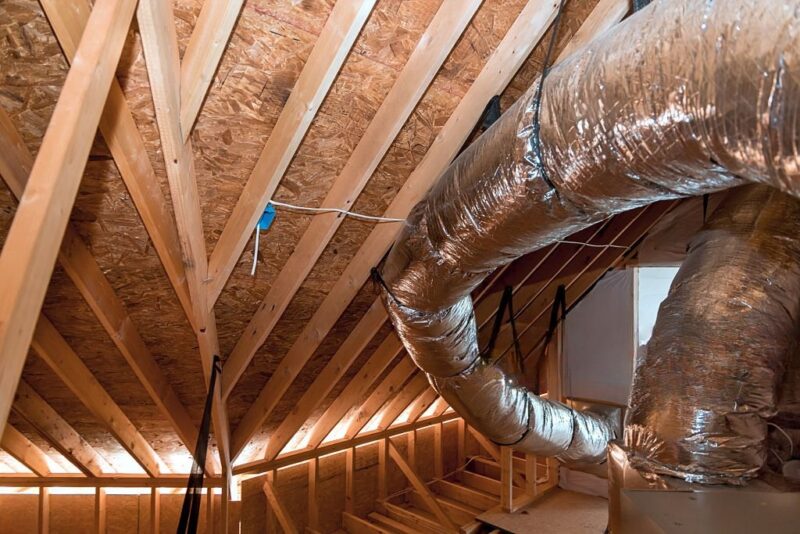
Air ducts play a major role in delivering cooled air throughout the home. If ductwork becomes blocked, disconnected, crushed, or leaky, cooled air may never fully reach the living spaces. In some homes, ducts running through hot attic spaces can lose cooled air before it reaches the vents, making rooms feel warmer even though the AC is running. Leaky ducts can also pull in hot, humid attic air, reducing comfort and increasing energy waste. Uneven cooling, weak airflow, and rooms that stay warmer than others are all signs that duct problems may be affecting system performance.
Incorrect Thermostat Calibration
Sometimes the problem is not with the AC equipment itself but with the thermostat. If the thermostat is poorly calibrated, incorrectly programmed, exposed to direct sunlight, or located near heat-producing appliances, it may read the indoor temperature inaccurately. This can cause the system to shut off too early, run too long, or fail to cool consistently. Dead batteries, sensor issues, or wiring problems may also affect thermostat performance. Checking thermostat settings and placement can help rule out control problems before assuming the AC system itself has failed.
Troubleshooting Weak Airflow Problems
Weak airflow is one of the most common signs that your AC system is struggling to move cooled air through your home properly. You may notice certain rooms feel warmer than others, vents barely push air, or the system runs longer without making the home feel comfortable. In Florida, weak airflow can quickly lead to poor cooling, higher humidity, rising energy bills, and extra strain on the HVAC system. While some airflow issues are simple, such as a dirty filter or blocked vent, others may involve ductwork damage, blower motor problems, or deeper system performance issues that require professional repair.
Clogged Air Filters
A clogged air filter is one of the easiest airflow problems to check. When dust, pet hair, and debris build up on the filter, air has a harder time moving through the system. This can reduce the amount of cooled air coming from the vents, make the AC run longer, and increase strain on the blower motor. In some cases, restricted airflow can even contribute to frozen evaporator coils. Replacing or cleaning the filter regularly helps protect airflow, improve efficiency, and support better indoor air quality.
Closed or Blocked Supply Vents
Closed or blocked supply vents can also limit airflow throughout the home. Furniture, rugs, curtains, storage boxes, or closed registers can prevent cooled air from circulating properly. This can create hot spots, uneven temperatures, and added pressure inside the duct system. Homeowners should check that vents are open, clean, and free from obstructions. Keeping supply and return vents clear helps the system distribute air more evenly and reduces unnecessary strain on the AC.
Ductwork Leaks and Damage
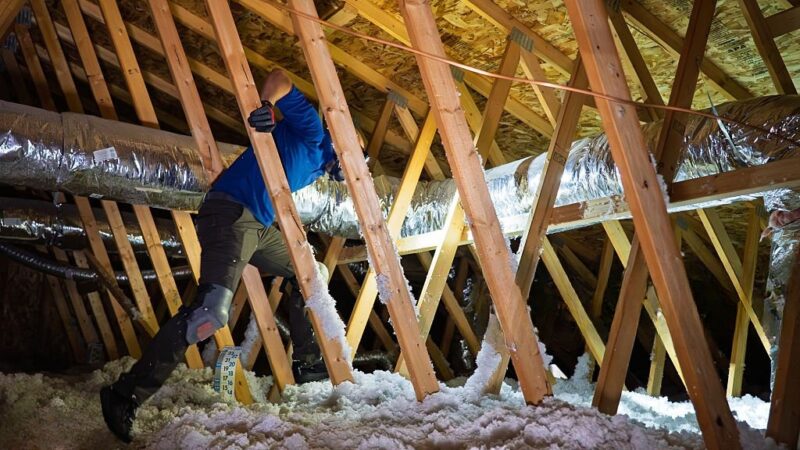
Leaky or damaged ductwork can cause cooled air to escape before it reaches your living spaces. In Florida homes, ducts often run through hot attic areas, which makes air loss even more noticeable. Cracked ducts, loose connections, crushed sections, poor insulation, or disconnected runs can all reduce airflow and make certain rooms harder to cool. If airflow is weak in multiple rooms or one area never seems comfortable, the ductwork may need inspection, sealing, cleaning, or repair.
Blower Motor Problems
The blower motor is responsible for pushing cooled air through the duct system and into your home. If the motor is weak, failing, dirty, or struggling with electrical issues, airflow from the vents may become noticeably reduced. Signs of blower motor trouble can include weak airflow, unusual noises, intermittent operation, overheating, or an AC system that runs but does not move much air. Because blower motor issues involve electrical and mechanical components, they should be diagnosed and repaired by an HVAC professional.
Why Airflow Matters for Comfort and Efficiency
Strong airflow is essential for both comfort and energy efficiency. When air moves properly through the system, your AC can cool rooms more evenly, remove humidity more effectively, and reach the thermostat setting without excessive runtime. Poor airflow forces the system to work harder, which can raise energy bills and increase wear on important components. Addressing airflow problems early helps keep your home cooler, improves indoor comfort, and protects your AC system during Florida’s long cooling season.
5 Common AC Noise Problems and What They Mean
1. Banging or Clanking Sounds
Banging or clanking sounds often suggest that something inside the AC system is loose, broken, or out of balance. This could involve a loose fan blade, damaged motor mount, failing compressor component, or debris inside the outdoor unit. If the sound comes from the outdoor condenser, the system should be turned off until it can be inspected, especially if the noise is loud or repetitive. Continuing to run the AC may cause the loose part to damage surrounding components, turning a smaller repair into a more expensive one.
2. Buzzing or Electrical Noises
Buzzing sounds may point to electrical issues, loose wiring, a failing contactor, capacitor problems, or trouble with the outdoor unit. Sometimes buzzing can also come from debris near the condenser, a struggling fan motor, or components that are vibrating during operation. Because buzzing may involve electrical parts, it should be taken seriously. If the AC hums or buzzes but does not start properly, or if the breaker trips repeatedly, it is best to avoid repeated resets and schedule professional HVAC service.
3. Squealing or Screeching Sounds
Squealing or screeching sounds are often linked to motor, belt, or bearing problems. Some older systems may use belts that can wear down or slip, while newer systems may produce screeching noises when a blower motor, fan motor, or bearing is under strain. These sounds can become louder over time and may signal that a moving part is close to failure. Since the blower and fan components are essential for airflow and cooling performance, squealing or screeching should be inspected before the system loses airflow or stops running altogether.
4. Clicking During Startup or Shutdown
A single click when the AC starts or shuts down can be normal, but repeated clicking is usually a warning sign. Ongoing clicking may point to a faulty thermostat, failing relay, electrical control issue, loose wiring, or a problem with the system trying to start. If the AC keeps clicking but does not turn on, the issue may involve a capacitor, contactor, control board, or compressor startup problem. Because electrical components are involved, this is not a safe DIY repair and should be handled by a trained HVAC technician.
5. When AC Noises Signal Serious Repairs
Any loud, sudden, or persistent AC noise should be treated as a sign that the system needs attention. Grinding, metal-on-metal sounds, loud banging, burning smells paired with buzzing, or an outdoor unit that hums without starting can signal serious mechanical or electrical problems. Homeowners should shut the system off if the noise sounds severe or if the AC appears unsafe to operate. Prompt professional diagnosis can help prevent further damage, protect system efficiency, and keep your home comfortable during Florida’s hottest months.
Why Your AC Keeps Turning On and Off
If your AC keeps turning on and off in short bursts, it may be short cycling. This means the system starts a cooling cycle but shuts down before completing it properly, then turns back on again soon after. Short cycling can make your home feel unevenly cooled, reduce humidity control, increase energy use, and place unnecessary strain on major components. In Florida, where air conditioners already work hard through long periods of heat and humidity, this problem should be addressed early before it leads to bigger repairs or premature system failure.
Dirty Air Filters Causing Short Cycling
A dirty air filter can restrict airflow and make it harder for your AC system to move air properly. When airflow is limited, the system may overheat, freeze up, or shut down early as a protective response. This can cause the AC to turn on and off more often than it should. Replacing or cleaning the air filter is one of the simplest troubleshooting steps homeowners can try. If short cycling continues after a filter change, there may be a deeper airflow, refrigerant, or electrical issue that needs professional attention.
Oversized AC Systems
An oversized AC system can cool the home too quickly and shut off before completing a full cooling cycle. While that may sound like a good thing, it often leads to poor humidity removal, temperature swings, and wasted energy. In Florida homes, this can leave indoor air feeling damp or sticky even when the thermostat shows the right temperature. A properly sized system should run long enough to cool the home evenly and remove moisture from the air. If short cycling has been a problem since installation, the system may be too large for the home’s actual cooling load.
Thermostat Placement Problems
Thermostat placement can also cause short cycling if the thermostat is reading the room temperature inaccurately. If it is installed near a supply vent, direct sunlight, a kitchen, an exterior wall, or a heat-producing appliance, it may signal the AC to turn on or off at the wrong time. This can create frequent cycling and uneven comfort throughout the home. A thermostat should be placed where it can read the home’s average indoor temperature accurately. If placement is the problem, relocating or recalibrating the thermostat may help.
Refrigerant or Electrical Issues
Refrigerant and electrical problems can also cause an AC system to cycle irregularly. Low refrigerant levels may prevent the system from absorbing heat properly, which can lead to freezing, pressure changes, and shutdowns. Electrical issues, such as a failing capacitor, contactor, control board, or wiring problem, can interrupt normal operation and cause the system to start and stop unexpectedly. These issues should not be handled as DIY repairs. A licensed HVAC technician can safely test the system, identify the cause, and make the correct repair.
How Short Cycling Increases Wear and Energy Use
Short cycling is hard on an air conditioning system because startup requires more energy than steady operation. When the system turns on and off repeatedly, it uses more electricity while delivering less consistent comfort. Frequent cycling also increases wear on the compressor, blower motor, capacitor, and other key components. Over time, this can lead to higher energy bills, more frequent repairs, reduced system lifespan, and weaker humidity control. Addressing short cycling early helps protect your AC system and keeps your home more comfortable during Florida’s hottest months.
AC Leaking Water: Causes and Solutions
1. Clogged Condensate Drain Lines
A clogged condensate drain line is one of the most common causes of AC water leaks. As the system removes humidity from the air, condensation drains through a small pipe designed to carry moisture away from the indoor unit. Over time, algae, dirt, dust, and debris can build up inside the drain line and block the flow of water. When this happens, the drain pan may overflow and leak around the system. Signs of a clogged drain line can include standing water near the indoor unit, musty odors, high indoor humidity, or the AC shutting down if a safety switch activates.
2. Frozen Evaporator Coils
Frozen evaporator coils can also lead to water leaks once the ice begins melting. Coils usually freeze because of restricted airflow, dirty filters, refrigerant problems, or blower issues. While the coil is frozen, cooling performance often drops and airflow may become weak. After the system shuts off or begins thawing, the melting ice can create more water than the drain system can handle, leading to leaks around the air handler. Replacing dirty filters and addressing airflow problems early can help reduce the risk of frozen coils and overflow issues.
3. Drain Pan Damage or Overflow
The drain pan sits beneath the evaporator coil and collects condensation before it flows into the drain line. Over time, the pan may crack, rust, shift out of position, or become damaged from age and moisture exposure. If the pan cannot hold or direct water properly, leaks may develop around the HVAC system. In some older units, corrosion or long-term moisture buildup can weaken the pan enough to allow slow leaks that go unnoticed until water damage appears around ceilings, walls, or flooring.
4. Excess Humidity During Florida Summers
Florida’s heavy summer humidity increases the amount of condensation your AC system must remove from the air. During especially humid weather, the system may produce large amounts of water as it works to keep indoor spaces comfortable. If the drain line is partially clogged, the drain pan is undersized, or the system already has airflow issues, excess humidity can make water leaks more likely. High humidity can also worsen mold and mildew growth around damp HVAC components, creating additional indoor air quality concerns if the problem is not corrected quickly.
5. Preventing Water Damage Around Your HVAC System
Preventing water damage starts with regular AC maintenance in Port Charlotte and early attention to warning signs. Replacing air filters, keeping drain lines clean, checking for standing water, and scheduling professional tune-ups can help catch drainage problems before they cause major issues. Homeowners should also pay attention to musty odors, ceiling stains, damp insulation, or unexplained moisture near the indoor unit. In Florida homes, where AC systems run heavily for much of the year, preventive maintenance is one of the best ways to protect both the HVAC system and the home itself from moisture-related damage.
Troubleshooting AC Freezing Problems
An air conditioner freezing up may seem strange, especially during a hot Florida day, but it is a common sign that something is disrupting airflow, refrigerant pressure, or heat transfer inside the system. When the evaporator coil gets too cold, moisture in the air can freeze on the coil instead of draining away as condensation. Once ice forms, the system can no longer absorb heat properly, which often leads to weak airflow, warm air from the vents, water leaks when the ice melts, and longer cooling cycles. If you notice ice on the refrigerant lines or indoor coil, turn the system off and call an HVAC professional before the problem causes more damage.
Restricted Airflow From Dirty Filters
Dirty air filters are one of the most common causes of frozen AC coils. When a filter becomes clogged with dust, pet hair, and debris, it limits the amount of warm indoor air moving across the evaporator coil. Without enough airflow, the coil temperature can drop too low and moisture can begin freezing on the surface. Replacing or cleaning the filter may help restore airflow, but if the coil is already frozen, the system needs time to thaw before it can cool properly again. If freezing happens repeatedly, there may be a deeper airflow issue that needs professional inspection.
Refrigerant Leaks and Low Pressure
Low refrigerant levels can also cause an air conditioner to freeze. Refrigerant is responsible for absorbing heat from the indoor air, and when levels drop because of a leak, pressure inside the system can fall. This can cause the evaporator coil to become too cold and freeze over. Low refrigerant is not something homeowners should try to fix themselves. The leak must be located and repaired, and the system must be properly recharged by a licensed HVAC technician. Simply adding refrigerant without fixing the leak will not solve the problem long term.
Blower Fan Problems
The blower fan moves indoor air across the evaporator coil and through the duct system. If the blower fan is weak, dirty, damaged, or not running at the proper speed, airflow can drop and the coil may freeze. Homeowners may notice weak air from the vents, unusual sounds from the indoor unit, or rooms that take much longer to cool. Because blower problems can involve motors, belts, electrical parts, or control issues, they should be diagnosed by an HVAC professional. Restoring proper airflow is essential for preventing future freezing and protecting system efficiency.
Running the AC Too Long at Very Low Temperatures
Setting the thermostat too low can also contribute to freezing, especially if the system runs for long periods without cycling properly. While it may be tempting to lower the temperature during intense Florida heat, forcing the AC to run constantly can place extra strain on the system and make existing airflow or refrigerant issues worse. A very low thermostat setting may also reduce efficiency without improving comfort much, especially if humidity or airflow problems are present. Keeping the thermostat at a reasonable setting and using ceiling fans, insulation, and proper maintenance can help the system cool more effectively.
Why Frozen Coils Can Damage the System
Frozen coils should never be ignored because they can lead to serious AC damage over time. Ice buildup prevents proper heat transfer, which forces the system to work harder while producing less cooling. As the ice melts, excess water can overflow the drain pan and cause leaks around the air handler. Continued operation with frozen coils can also strain the compressor, one of the most expensive components in the system. Addressing the cause early helps prevent water damage, costly repairs, poor humidity control, and complete system failure during Florida’s hottest months.
5 Common Thermostat Problems Affecting AC Performance
1. Incorrect Temperature Settings
Incorrect thermostat settings are one of the simplest causes of AC performance problems. The system may not turn on if the thermostat is set to “heat,” “off,” or “fan only” instead of “cool.” A temperature setting that is too high may also prevent the AC from starting, while a setting that is too low can force the system to run longer than necessary. Homeowners should also check schedules on programmable thermostats, since an unexpected program can change the temperature automatically. Confirming the mode, set temperature, fan setting, and schedule can often solve comfort issues without a repair call.
2. Dead Batteries or Power Issues
If the thermostat display is blank, fading, or unresponsive, dead batteries or a power issue may be the cause. Some thermostats rely on batteries, while others receive power from the HVAC system. When power is interrupted, the thermostat may stop communicating with the AC, preventing the system from turning on or causing inconsistent operation. Replacing batteries is a simple first step, but if the thermostat still does not respond, there may be a wiring issue, blown fuse, tripped breaker, or control board problem. Electrical issues should be inspected by a professional to avoid damaging the system.
3. Poor Thermostat Placement
Thermostat placement can affect how accurately it reads the home’s temperature. If the thermostat is installed near a sunny window, supply vent, exterior door, kitchen appliance, hallway with poor airflow, or area that does not represent the rest of the home, it may signal the AC to turn on or off at the wrong time. This can lead to short cycling, uneven cooling, or rooms that feel warmer than the thermostat setting suggests. A thermostat should be placed in a central location away from direct heat, drafts, and sunlight so it can measure the home’s average indoor temperature more accurately.
4. Calibration and Sensor Problems
Calibration or sensor issues can cause the thermostat to read the wrong temperature, which affects how the AC responds. For example, the thermostat may display 74 degrees even though the room feels much warmer, or it may shut the system off before the home is truly comfortable. Dust buildup, aging components, wiring issues, or faulty sensors can all interfere with accurate readings. If the thermostat seems inaccurate, an HVAC professional can test it, recalibrate it if possible, or recommend replacement if the device is no longer reliable.
5. Upgrading to a Smart Thermostat
Upgrading to a smart thermostat can improve comfort, control, and energy efficiency when it is compatible with your HVAC system and installed correctly. Smart thermostats allow homeowners to create schedules, adjust temperatures remotely, monitor energy use, and reduce unnecessary cooling when the home is empty. Some models can also learn household routines and make automatic adjustments for better efficiency. In Florida, where cooling costs can add up quickly, a smart thermostat can help manage AC runtime while keeping the home comfortable. Professional installation is recommended to ensure compatibility, proper wiring, and accurate setup.
Why Your AC Smells Bad
A bad smell coming from your air conditioner is more than an annoyance. It can be a sign of moisture buildup, dirty components, poor airflow, clogged drainage, or electrical trouble inside the HVAC system. In Florida, where air conditioners remove moisture from humid indoor air almost every day, odors can develop when condensation, dust, and organic buildup collect inside the system. Some smells may be solved with a filter change or routine cleaning, but others require immediate professional attention to protect your home, comfort, and safety.
Musty Odors From Mold or Mildew
A musty smell from the vents often points to moisture buildup somewhere in the system. Mold or mildew may develop on dirty coils, inside drain pans, around clogged condensate lines, or in ductwork where humidity and dust are present. This smell may become stronger when the AC first turns on because airflow pushes the odor through the home. In Florida’s humid climate, musty AC odors should be addressed early because they can affect indoor air quality and may indicate a drainage, airflow, or humidity control problem.
Burning Smells From Electrical Components
A burning smell should be taken seriously, especially if it smells like hot plastic, wiring, or overheating equipment. This may point to electrical problems, failing motors, overheating components, loose wiring, or a worn part inside the system. If the smell is strong, sudden, or paired with buzzing, smoke, or a tripped breaker, turn the system off and call an HVAC professional right away. Electrical issues are not safe for DIY troubleshooting and can lead to further system damage if ignored.
Dirty Air Filters and Dust Buildup
Dirty filters and dust buildup can also cause unpleasant AC odors. When filters are clogged, dust and debris may collect inside the system and circulate through the home whenever the AC runs. A dusty or stale smell may be especially noticeable after the system has been off for a while. Replacing or cleaning the filter can help restore airflow and reduce odors, but persistent smells may mean dust has built up on coils, blower components, or inside ductwork. Regular maintenance helps keep these areas cleaner and supports fresher indoor air.
Drain Line and Moisture Issues
The condensate drain line removes water produced during the cooling process. If the line becomes clogged with algae, dirt, or debris, water can back up into the drain pan and create damp conditions inside the system. This can lead to musty smells, leaks, higher indoor humidity, and possible system shutdowns if a safety switch is triggered. Keeping the drain line clear is especially important in Florida homes because AC systems remove a lot of moisture during humid weather. Professional maintenance can help prevent clogs and moisture-related odors.
When Strange Smells Require Immediate Service
Some AC smells should never be ignored. Burning odors, rotten or chemical-like smells, strong musty odors, or any smell paired with smoke, electrical buzzing, water leaks, or poor cooling should be checked by a professional as soon as possible. Turning the system off until it is inspected may help prevent additional damage or safety concerns. If odors keep coming back after changing the filter, the problem may be deeper inside the HVAC system and should be diagnosed by a trained technician.
High Energy Bills? Your AC Could Be the Problem
If your energy bills keep rising even though your cooling habits have not changed, your air conditioner may be working harder than it should. In Florida, where AC systems often run for much of the year, even small efficiency problems can lead to noticeable increases in electricity use. Dirty components, aging equipment, airflow restrictions, poor insulation, thermostat issues, and lack of maintenance can all force the system to run longer while delivering less comfort. Identifying the cause early can help reduce wasted energy, improve cooling performance, and protect your HVAC system from additional wear.
Dirty Components Reducing Efficiency
Dirt buildup inside the HVAC system is one of the most common causes of reduced efficiency. Dirty air filters restrict airflow, while clogged evaporator and condenser coils make it harder for the system to transfer heat properly. Dust-covered blower components can also reduce airflow and force the system to work longer to cool the home. As efficiency drops, the AC uses more electricity to maintain the same temperature. Regular cleaning and maintenance help keep airflow strong and allow the system to cool more effectively during Florida’s hottest months.
Aging HVAC Systems Working Harder
Older HVAC systems naturally lose efficiency as components wear down over time. Motors, compressors, coils, electrical parts, and refrigerant systems may no longer operate as efficiently as they once did, especially after years of heavy use in Florida’s climate. Older systems may run longer, cycle more often, struggle with humidity control, and require more repairs while using more electricity. If your AC system is more than 10 to 15 years old and energy bills continue climbing, it may be worth evaluating whether repairs or replacement make more financial sense long term.
Poor Insulation and Air Leaks
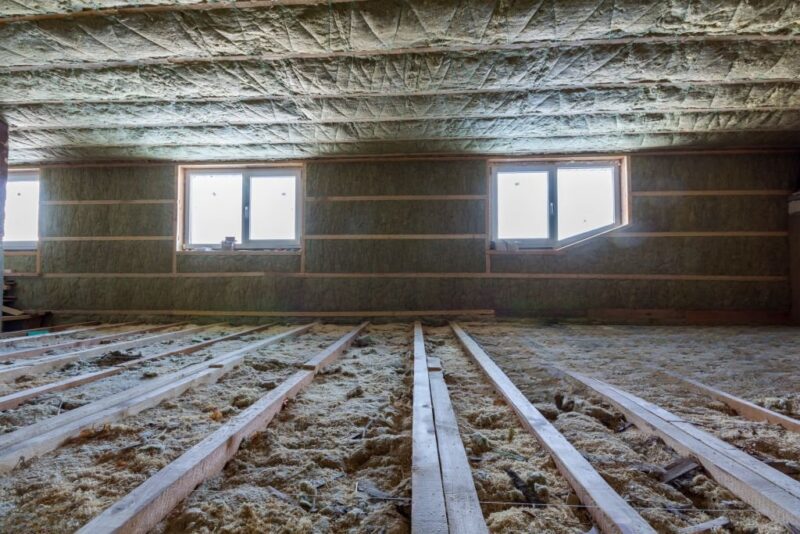
Even an efficient AC system can struggle if cooled air keeps escaping from the home. Poor attic insulation, air leaks around windows and doors, damaged ductwork, and gaps in the home’s envelope allow heat and humidity to enter while letting conditioned air escape. This forces the AC to run longer to maintain indoor comfort. In Florida homes, attic heat can become especially intense, making insulation and air sealing important parts of overall cooling efficiency. Addressing these issues can help lower cooling demand and reduce unnecessary energy use.
Thermostat Settings Increasing Energy Use
Thermostat settings can also affect monthly energy bills more than homeowners realize. Setting the temperature too low, constantly adjusting the thermostat, or using outdated programmable schedules can increase AC runtime unnecessarily. Poor thermostat placement near windows, vents, or heat sources may also cause inaccurate temperature readings that force the system to cycle more often. Smart thermostat scheduling and moderate temperature settings can help reduce unnecessary cooling while keeping the home comfortable.
How Regular Maintenance Helps Lower Cooling Costs
Regular AC maintenance is one of the best ways to control energy costs and protect long-term system performance. During a professional tune-up, HVAC technicians can clean coils, replace filters, inspect airflow, check refrigerant levels, clear drain lines, test electrical components, and identify efficiency problems before they worsen. Preventive maintenance helps the system cool more effectively, reduces strain on major components, and lowers the likelihood of breakdowns during peak summer heat. For Florida homeowners, routine maintenance can play a major role in keeping cooling costs under control while extending the life of the HVAC system.
DIY AC Troubleshooting Tips Homeowners Can Try Safely
Some AC problems can be checked safely before calling for professional repair, especially when the issue involves airflow, thermostat settings, or simple power interruptions. These basic troubleshooting steps can help homeowners rule out minor causes and may restore cooling without a service visit. However, DIY troubleshooting should stay limited to safe, non-invasive tasks. Anything involving refrigerant, wiring, motors, capacitors, frozen coils, burning smells, or repeated system failures should be handled by a licensed HVAC professional.
Replacing or Cleaning Air Filters
Replacing or cleaning the air filter is one of the safest and most effective troubleshooting steps homeowners can try. A dirty filter restricts airflow, which can reduce cooling performance, increase energy use, and contribute to frozen coils or short cycling. Check the filter and replace it if it looks clogged with dust, pet hair, or debris. In Florida homes where AC systems run often, filters may need attention more frequently, especially during heavy cooling months or in homes with pets, allergies, or high indoor dust.
Checking Thermostat Settings
Before assuming the AC system has a serious problem, check the thermostat settings. Make sure it is set to “cool,” the temperature is set lower than the current room temperature, and the fan setting is correct. If the thermostat uses batteries, replace them if the display is blank, dim, or unresponsive. Also check any programmed schedules that may be changing the temperature automatically. Simple thermostat issues can make the AC seem like it is not working, even when the equipment itself is fine.
Clearing Debris Around the Outdoor Unit
The outdoor condenser unit needs clear airflow to release heat from your home. Leaves, grass clippings, dirt, branches, and other debris can block airflow and force the system to work harder. Homeowners can safely clear loose debris from around the unit and make sure plants or objects are not crowding it. Avoid opening the unit or spraying electrical components directly. Keeping the outdoor unit clear helps improve efficiency and supports better cooling performance during hot weather.
Resetting the Circuit Breaker
If the AC will not turn on, check the electrical panel to see if a breaker has tripped. You can reset a tripped breaker once by switching it fully off and then back on. If the system starts and continues running normally, the issue may have been a temporary power interruption. However, if the breaker trips again, do not keep resetting it. Repeated breaker trips can signal electrical trouble, a failing component, or a system overload that needs professional diagnosis.
Knowing When DIY Repairs Become Unsafe
DIY troubleshooting becomes unsafe when the problem involves refrigerant, electrical components, internal wiring, capacitors, contactors, motors, compressor issues, or repeated system shutdowns. Homeowners should also stop troubleshooting and call a professional if they notice burning smells, buzzing sounds, ice buildup, water leaks, smoke, or an outdoor unit that hums but does not start. Trying to repair these issues without proper training can be dangerous and may cause more damage to the system. For anything beyond basic checks, professional HVAC service is the safest way to protect your home and restore reliable cooling.
Professional AC Troubleshooting and Repair Services in Port Charlotte, FL
When basic troubleshooting does not solve the problem, professional AC repair in Port Charlotte is the safest way to protect your system and restore reliable comfort. In Port Charlotte, FL, air conditioners work hard through long periods of heat and humidity, so small issues can quickly become major disruptions if they are not diagnosed correctly. Dale’s AC helps homeowners identify the source of cooling problems, repair damaged components, improve system performance, and prevent repeat issues that can lead to higher energy bills or unexpected breakdowns.
Accurate Diagnostics for Fast Repairs
Accurate diagnosis is the first step toward a lasting AC repair. Weak airflow, warm air, water leaks, short cycling, strange noises, and thermostat problems can have several possible causes, so guessing can lead to wasted time and unnecessary repairs. Dale’s AC inspects the full system, including filters, coils, refrigerant levels, drain lines, electrical parts, blower components, ductwork, and thermostat operation. This helps pinpoint the real issue and allows technicians to recommend the right repair quickly.
Solutions for Florida Heat and Humidity Challenges
Florida’s climate creates unique AC challenges, especially when systems must manage both high temperatures and heavy humidity. Poor humidity control, frozen coils, clogged drain lines, and overworked equipment are common in homes where the AC runs for long hours. Dale’s AC provides repair solutions designed for local conditions, helping homeowners restore cooler temperatures, better moisture control, cleaner airflow, and more dependable comfort during Port Charlotte’s hottest months.
Emergency AC Repair Services
An AC breakdown can become uncomfortable fast in Florida weather. If your system stops cooling, will not turn on, leaks water, makes loud noises, or shows signs of electrical trouble, prompt service can help prevent further damage. Emergency AC repair gives homeowners a way to restore comfort quickly and avoid letting the problem worsen. Dale’s AC is here to help when cooling problems cannot wait, especially during periods of extreme heat and humidity.
Preventive Maintenance and Long-Term System Care
Professional repair is important when something goes wrong, but preventive maintenance helps reduce the chance of future problems. Regular tune-ups allow technicians to clean coils, check refrigerant levels, inspect electrical components, clear drain lines, test airflow, and catch worn parts early. With ongoing maintenance from Dale’s AC, homeowners can improve efficiency, extend equipment lifespan, reduce repair risks, and keep their cooling system ready for Florida’s demanding climate.
FAQs About AC Troubleshooting
Why is my AC running but not cooling?
If your AC is running but not cooling, the issue may be caused by restricted airflow, low refrigerant, dirty coils, a frozen evaporator coil, leaky ductwork, or thermostat problems. Start by checking the air filter and thermostat settings, then make sure the outdoor unit is clear of debris. If the system still blows warm air or runs without lowering the temperature, it is best to call an HVAC professional to inspect refrigerant levels, coils, electrical parts, and airflow.
What causes an AC unit to freeze up?
An AC unit can freeze when airflow is restricted or when refrigerant pressure is too low. Dirty filters, blocked vents, blower fan problems, dirty coils, or refrigerant leaks can all cause the evaporator coil to get too cold and form ice. If you notice ice on the indoor coil or refrigerant lines, turn the system off and let it thaw. Repeated freezing should be diagnosed by a professional because it can damage the compressor and reduce system efficiency.
Why does my AC keep shutting off?
If your AC keeps shutting off, it may be short cycling. This can happen because of a dirty air filter, oversized AC system, thermostat placement issue, refrigerant problem, electrical failure, or airflow restriction. Short cycling increases wear on the system because the AC repeatedly starts and stops instead of completing normal cooling cycles. If changing the filter and checking the thermostat does not help, schedule professional service to prevent further damage.
Is it normal for my AC to leak water?
Your AC naturally creates condensation as it removes moisture from the air, but visible water leaks around the system are not normal. Common causes include clogged condensate drain lines, frozen evaporator coils, a damaged drain pan, or excess moisture buildup during humid weather. Water leaks should be addressed quickly to help prevent mold growth, ceiling stains, flooring damage, and system performance issues.
How often should I replace my AC filter?
Most homeowners should replace or clean their AC filter every 1 to 3 months, depending on the filter type, system usage, indoor air quality, pets, and household activity. In Florida homes where AC systems run frequently, filters may need to be checked more often, especially during heavy cooling months. A clean filter helps protect airflow, improve efficiency, reduce dust buildup, and prevent unnecessary strain on the system.
When should I call an HVAC professional?
You should call an HVAC professional if your AC is blowing warm air, freezing repeatedly, leaking water, making loud noises, short cycling, producing burning smells, or failing to turn on after basic troubleshooting. Professional help is also needed for refrigerant leaks, electrical issues, compressor problems, blower motor failures, and repeated breaker trips. If a problem involves wiring, refrigerant, internal parts, or safety concerns, it should not be handled as a DIY repair.
Can dirty coils affect AC performance?
Yes, dirty coils can seriously affect AC performance. The evaporator coil absorbs heat from inside the home, while the condenser coil releases heat outdoors. When either coil is covered in dirt, dust, grass clippings, or debris, heat transfer becomes less effective. This can cause longer run times, weak cooling, higher energy bills, frozen coils, and added strain on the compressor. Regular maintenance helps keep coils clean and supports better system efficiency.
How can I prevent common AC problems?
The best way to prevent common AC problems is to keep up with routine maintenance. Replace filters regularly, keep vents open and unblocked, clear debris around the outdoor unit, check thermostat settings, and schedule seasonal AC tune-ups. Professional maintenance can catch issues like low refrigerant, dirty coils, clogged drain lines, worn electrical parts, and airflow problems before they lead to major repairs. In Florida’s hot and humid climate, preventive care is one of the best ways to protect comfort and avoid unexpected breakdowns.
We Fix the Drama Before Your Thermostat Does!
Air conditioning problems rarely fix themselves, and even small warning signs can quickly turn into larger repair issues during Florida’s long cooling season. Weak airflow, warm air from the vents, frozen coils, water leaks, strange noises, humidity problems, or rising energy bills often point to deeper HVAC issues that can affect comfort, efficiency, and system lifespan. Understanding the most common AC problems and responding early can help homeowners avoid costly breakdowns, reduce unnecessary energy use, and keep their homes cooler and more comfortable year-round.
Dale’s AC as a professional HVAC company in Port Charlotte, we help homeowners diagnose and solve AC problems before they become major disruptions. Whether your system is not cooling properly, keeps shutting off, leaks water, struggles with humidity, or simply does not feel as efficient as it used to, we are here to provide honest troubleshooting, dependable repairs, and long-term comfort solutions built for Florida living. We also offer routine AC replacement in Port Charlotte, proper AC installation in Port Charlotte, attic insulation in Port Charlotte, commercial HVAC services in Port Charlotte, and residential HVAC services in Port Charlotte to help your HVAC system keep you safe and comfortable all seasons and holidays. We take the time to identify the real problem, recommend practical solutions, and help keep your cooling system running reliably when you need it most. Call us today at (941) 629-1712 or contact us and let us help bring the cool back to your home.