


A higher electric bill doesn’t always mean you need a new air conditioner. Thermostat schedules, restricted airflow, duct leaks, and insulation gaps can all contribute to unnecessary cooling costs. If you’re wondering how to save money on heating and cooling in Port Charlotte, start by understanding where your home may be wasting energy. The right improvements should address those issues while keeping temperature and humidity comfortable.
At Dale’s AC, we help homeowners evaluate their equipment and compare practical options for maintenance, repairs, and upgrades. This guide explains how to save money on air conditioning through everyday habits, appropriate system care, and targeted home improvements. We’ll also cover when replacement deserves consideration and how to evaluate projected savings against the complete cost. You’ll learn which questions to ask before spending money to lower your AC bill.
How to Save Money on Air Conditioning With Better Thermostat Settings
Your thermostat settings influence when your AC runs and how much cooling you request. Learning how to save money on air conditioning starts with choosing appropriate temperatures and matching schedules to your household’s routine. In Port Charlotte, those adjustments should also account for indoor humidity. At Dale’s AC, we encourage gradual changes that reduce unnecessary cooling while preserving comfortable indoor conditions.
Choose Comfortable Settings That Also Account for Humidity
Choose a temperature that keeps your household comfortable, then consider a small upward adjustment to see whether it remains suitable. Personal needs, indoor conditions, and equipment performance differ, so one setting will not suit every home. Avoid choosing a temperature based solely on a promised percentage of savings.
Monitor humidity alongside temperature, particularly if your home feels clammy or develops persistent condensation. A lower thermostat setting is not a substitute for investigating moisture problems. If comfort remains poor despite reasonable settings, ask us to assess the system and discuss appropriate next steps.
Match Cooling Schedules to When You Are Home and Away
Review when your household needs cooling rather than maintaining the same setting around the clock. A modestly higher temperature during suitable away periods may reduce cooling demand. Account for pets, vulnerable occupants, humidity, and any temperature-sensitive belongings before changing the schedule.
Program settings around your actual routine and update them when work hours or travel plans change. Avoid turning the system off for extended periods without considering moisture conditions. When exploring how to reduce air conditioning costs, a practical schedule should balance energy use with your home’s needs.
Compare Programmable and Compatible Smart Thermostats
A programmable thermostat lets you establish temperature schedules, while compatible smart models may add remote access, occupancy features, and usage reports. Available functions vary, so compare specific models rather than assuming every smart thermostat offers the same capabilities. Either type requires appropriate programming to be useful.
Before upgrading, confirm compatibility with your AC equipment, wiring, heating functions, and humidity controls. Ask whether professional setup is needed to preserve the system’s intended operation. At Dale’s AC, we can help you evaluate whether a control upgrade addresses your needs or whether adjustments to your existing thermostat may be enough.
Avoid Lowering the Setting to Try to Cool Your Home Faster
Setting the thermostat far below your desired temperature generally does not make your home reach that temperature faster. It requests a lower final temperature and can cause unnecessary cooling if you forget to change it back. Set your preferred temperature and allow the system to respond normally.
If your home consistently takes too long to cool, record when the problem occurs and arrange an assessment. Airflow restrictions, equipment faults, or building conditions may need attention. Addressing the cause is a more useful way to save money on AC than repeatedly lowering the thermostat.
4 Simple Ways to Save Money on Air Conditioning Without Replacing Your System
1. Use Ceiling Fans in Occupied Rooms and Turn Them Off When You Leave
Ceiling fans create air movement that can help you feel cooler without lowering the thermostat. If comfortable, try a slightly higher thermostat setting while using a fan in an occupied room. The opportunity to save money on AC comes from reducing cooling demand, rather than simply running both devices at unchanged settings.
Turn fans off when you leave the room because their cooling effect primarily benefits people. Check the fan’s instructions for the appropriate cooling direction and speed. Avoid running fans throughout an empty home expecting them to lower the air temperature.
2. Keep Supply Vents and Return Grilles Unobstructed
Move furniture, curtains, and other objects away from supply vents and return grilles. Supply vents deliver conditioned air, while returns provide a path back to the system. Blocking either can interfere with air distribution and contribute to uncomfortable rooms.
Do not close multiple vents to try to redirect cooling or save energy without professional guidance. If airflow remains weak after removing obstructions, arrange an assessment rather than adjusting the thermostat repeatedly. We can help determine whether filters, ductwork, or equipment need attention.
3. Close Window Coverings Against Direct Sunlight
Close blinds, curtains, or shades when direct sunlight enters a room, particularly during strong afternoon exposure. Limiting solar heat gain can reduce the amount of heat your AC needs to remove. Adjust coverings according to which windows receive sunlight throughout the day.
Use existing window treatments before deciding whether more expensive improvements are necessary. Their effectiveness will vary with the window, covering, and sun exposure. Keep curtains clear of vents so reducing sunlight does not create an airflow obstruction.
4. Reduce Indoor Heat From Cooking, Lighting, and Appliances
Consider using smaller cooking appliances instead of the oven when practical, and schedule heat-producing chores outside the hottest part of the day when convenient. Turn off unnecessary lights and equipment, and consider efficient replacements when existing items need replacing. Reducing avoidable indoor heat is one part of learning how to reduce air conditioning costs.
Use kitchen exhaust ventilation as needed during cooking, rather than leaving it running unnecessarily. Maintain dryer venting and other appliances according to manufacturer guidance. At Dale’s AC, we encourage combining these habits with appropriate maintenance so your home and cooling system work together more effectively.
How Regular AC Maintenance Can Help Reduce Air Conditioning Costs
Regular maintenance can identify conditions that waste energy or interfere with cooling, including restricted filters, dirty coils, and faulty controls. Addressing these issues helps your system operate as intended, although savings depend on its condition and usage. If you’re exploring how to reduce air conditioning costs, start with a maintenance schedule suited to your equipment and Port Charlotte home. At Dale’s AC, we help homeowners understand service findings and recommended next steps.
Inspect Filters and Replace Them According to Equipment Needs
Check your air filter regularly and replace it when needed, following the equipment and filter manufacturer’s instructions. Household conditions, operating hours, and filter type affect how quickly it collects debris. A dirty filter can restrict airflow, while a poorly fitted filter can allow dust to bypass it.
Use the correct size and a filtration level compatible with your system. Only clean filters specifically designed for reuse. Keeping filters in suitable condition supports airflow, but it will not resolve every cause of high energy use.
Schedule Appropriate Coil Cleaning and Performance Checks
Evaporator and condenser coils transfer heat during cooling. Dirt buildup can interfere with that process, so inspections and appropriate cleaning are important parts of equipment care. A technician should determine what cleaning is needed and use methods suitable for the components.
Performance checks can also help establish whether the system is responding correctly and delivering expected cooling. Ask which checks and cleaning tasks your service includes. Maintenance recommendations should reflect the condition found rather than assume every system requires identical work.
Check Condensate Drainage, Controls, and Refrigerant Performance
Maintenance should include appropriate checks of accessible condensate drains, pans, and safety devices. Drainage problems can cause leaks or interrupt cooling. Thermostat and control checks can also identify incorrect settings or faults that affect system operation.
Refrigerant performance requires professional assessment when operating conditions suggest a problem. Refrigerant does not normally need routine topping off; suspected leaks or other faults need diagnosis. At Dale’s AC, we can explain whether additional testing or repairs are necessary and clarify charges before proceeding.
Address Developing Problems Before They Become More Disruptive
Follow up on findings such as worn components, unusual operation, or recurring drainage concerns. Early attention may give you more flexibility to schedule repairs and reduce the risk of a larger disruption. Maintenance cannot prevent every breakdown, but documented findings help you make informed service decisions.
Keep reports and repair records so recurring issues are easier to track. If energy use remains unusually high after maintenance, further assessment may be needed. Learning how to save money on air conditioning includes addressing confirmed problems rather than relying on tune-ups alone.
Save Money on Heating and Cooling With Air Sealing and Insulation
Air sealing and insulation address two different sources of energy loss. Air sealing limits unwanted air movement through gaps, while insulation slows heat transfer through the building. Together, appropriate improvements can help you save money on heating and cooling while supporting more consistent indoor temperatures. At Dale’s AC, we encourage Port Charlotte homeowners to assess existing conditions before choosing materials or adding insulation.
Identify Air Leaks Around Doors, Windows, and Building Penetrations
Look for worn weatherstripping, visible gaps, and damaged seals around accessible doors and windows. Openings around plumbing, wiring, and other building penetrations may also need assessment. Identifying unwanted air leakage helps determine where sealing work could be useful.
Use materials appropriate for the location, and seek professional guidance around electrical components, heat-producing equipment, and concealed openings. Do not block intentional ventilation openings, drainage paths, or required clearances. A home assessment can help distinguish gaps that need sealing from openings that serve a purpose.
Assess Attic Insulation Before Adding More Material
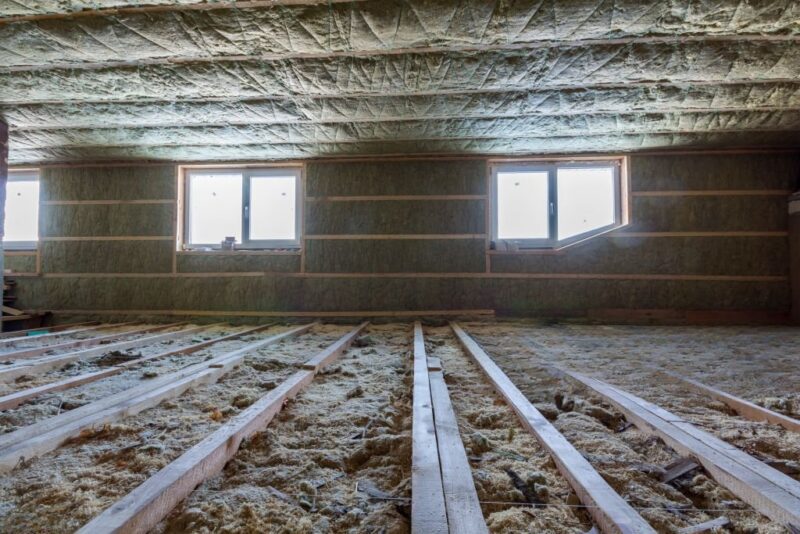
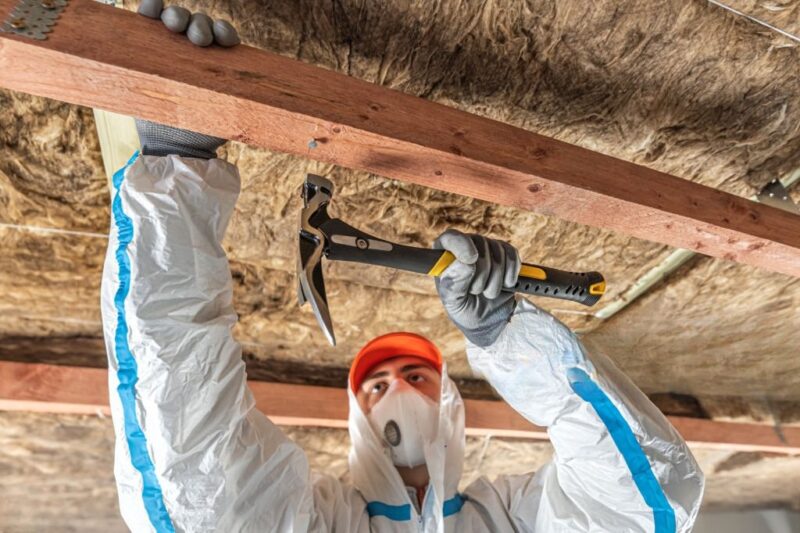
Check the existing insulation’s coverage, condition, and suitability before deciding to add more. Uneven distribution, compressed material, and gaps can affect performance. Your assessment should also consider accessible air leaks, since adding insulation alone does not necessarily stop air movement.
The appropriate improvement may involve redistributing suitable material, addressing gaps, or replacing damaged insulation. Avoid choosing a solution based only on insulation depth. At Dale’s AC, we can discuss attic insulation concerns alongside your cooling needs and explain the proposed scope of work.
Address Moisture Problems and Preserve Required Ventilation
Roof leaks, plumbing leaks, condensation, and other moisture sources should be investigated before insulation work proceeds. Covering damp or damaged areas can leave the underlying problem unresolved. Ask whether affected materials need further assessment or removal before new insulation is installed.
Preserve the ventilation and clearances required for your attic’s design and equipment. Insulation should not obstruct intended airflow paths, and sealing work should account for the home’s ventilation needs. These details matter when planning how to reduce air conditioning costs without creating other building problems.
Prioritize Improvements Based on Your Home’s Condition
Start with identified problems rather than assuming every home needs the same upgrade. A property with significant air leakage may need a different approach from one with damaged insulation or poorly performing ductwork. Compare recommendations according to their purpose, cost, and expected benefit.
Where practical, coordinate air sealing, insulation, and HVAC work so each improvement supports the others. Request clear explanations and treat projected savings as estimates. At Dale’s AC, we help you consider your home’s condition alongside equipment performance when planning practical ways to save money on heating and cooling.
How Duct Repairs Can Help You Save Money on Your AC Bill
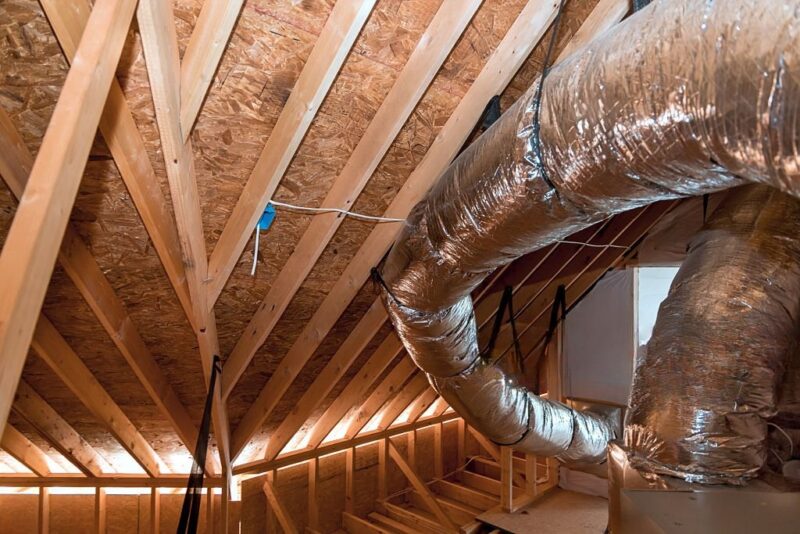
Ductwork carries conditioned air to rooms throughout your home. Leaks, disconnected sections, and damaged insulation can prevent that air from reaching its intended destination or allow it to gain heat along the way. If you’re investigating how to save money on your AC bill, a duct assessment may reveal problems that thermostat changes alone cannot address. At Dale’s AC, we help Port Charlotte homeowners evaluate duct conditions and understand suitable repair options.
Check for Disconnected Ducts, Leaks, and Damaged Insulation
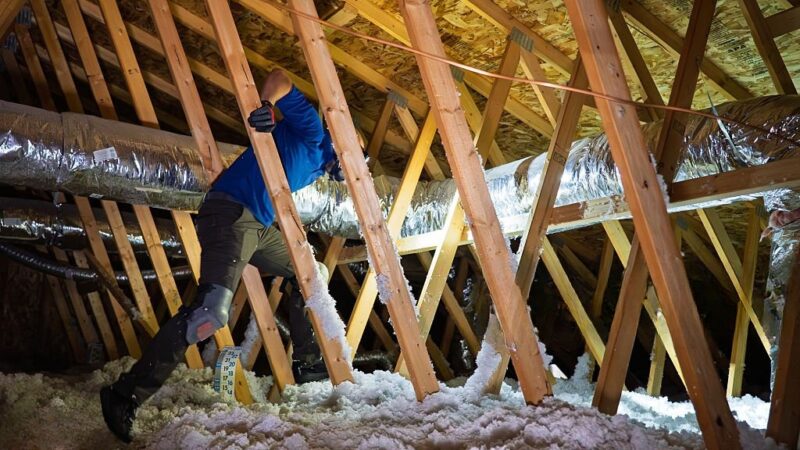
Loose connections, torn ducts, and damaged seals can allow conditioned air to escape, particularly where ductwork passes through an unconditioned attic. Deteriorated insulation can also affect heat transfer and contribute to condensation concerns. These issues deserve attention even when the AC equipment itself is functioning.
Have a qualified professional inspect areas that are difficult or unsafe to access. Visible conditions may justify further testing to determine the extent of leakage. Ask which findings need repair and whether the proposed work includes checking the results afterward.
Investigate Hot Rooms and Uneven Air Distribution
A room that stays warm while the rest of your home cools may have an air-distribution problem. Possible causes include restricted, damaged, or inadequately sized ducts, but windows, insulation, and room heat gain can also contribute. A hot room does not establish a duct diagnosis on its own.
Record when the discomfort occurs and check that accessible vents and returns are unobstructed. Share those observations with your technician so the assessment considers both airflow and building conditions. Addressing the cause may reduce the temptation to overcool the rest of the house.
Compare Duct Sealing, Repair, and Replacement Options
Duct sealing addresses leakage at suitable joints and connections. Repairs may involve reconnecting sections, correcting damage, or restoring insulation, while replacement may be appropriate when material is extensively deteriorated or the layout needs substantial changes. The recommendation should explain why the selected approach fits the condition found.
Request a written scope identifying the affected areas, materials, and any testing included. Compare targeted work with more extensive replacement rather than assuming the largest project offers the best value. Potential savings depend on the original problem, repair quality, and how you operate your system.
Understand Why Duct Cleaning and Duct Sealing Serve Different Purposes
Duct cleaning removes accumulated material from specified parts of the air-distribution system when cleaning is appropriate. Duct sealing addresses unwanted air leakage. Cleaning alone does not reconnect damaged ducts, close gaps, or correct an unsuitable layout.
Ask which problem each proposed service is intended to solve. If your goal is to reduce air conditioning costs, the recommendation should connect the work to documented airflow, leakage, or other performance findings. At Dale’s AC, we’ll help you distinguish cleaning needs from repairs so you can prioritize the right service.
When Can an Energy-Efficient AC Upgrade Help You Save Money?
An energy-efficient AC upgrade may reduce operating costs when it addresses inefficient equipment or limitations that repairs cannot reasonably resolve. However, the purchase price, installation requirements, and expected usage all affect its value. If you’re considering how to save money on air conditioning, compare replacement with practical improvements to your existing system. At Dale’s AC, we help Port Charlotte homeowners evaluate their options before committing to new equipment.
Compare Repair, Targeted Improvements, and Full Replacement
Start by identifying why your system is underperforming. A control fault, dirty component, or duct leak may need attention without replacing the AC. When equipment is otherwise serviceable, a targeted repair or compatible upgrade may be a practical investment.
Replacement deserves consideration when the system has significant deterioration, repeated expensive repairs, or cannot meet your home’s needs. Compare complete quotes and ask what each option will resolve. Equipment age provides context, but condition, performance, and repair history should also guide the decision.
Understand SEER2 and EER2 Ratings for Comparable Equipment
SEER2 describes seasonal cooling efficiency under standardized testing, while EER2 measures efficiency at specified operating conditions. Higher ratings generally indicate greater efficiency when comparing equivalent equipment under the same rating method. They help you compare systems, but they do not predict your exact electricity bill.
Ask for the ratings of the complete equipment combination being proposed. Avoid treating older SEER figures and newer SEER2 figures as directly interchangeable. Any estimate of how an upgrade could reduce air conditioning costs should also account for your existing system, household usage, and installation conditions.
Confirm Proper Sizing and Installation Requirements
The proposed equipment capacity should reflect your home’s cooling requirements. Floor area, windows, insulation, air leakage, and other heat sources all deserve consideration. Simply matching the existing unit’s capacity may overlook changes to the property or an earlier sizing problem.
Request an installation scope that addresses relevant ductwork, electrical connections, drainage, controls, and performance testing. Suitable equipment needs proper installation to operate as intended. Ask how the contractor will verify the completed system and explain any additional work needed.
Evaluate Variable-Capacity Equipment, Heat Pumps, and Ductless Options
Variable-capacity equipment can adjust cooling output, while compatible controls help manage its operation. Heat pumps provide both cooling and heating, and ductless systems may suit selected rooms or properties where conventional ductwork is impractical. None is automatically the best choice for every home.
Compare each option’s suitability, installed cost, humidity-control capabilities, maintenance needs, and service support. A more expensive configuration should offer benefits relevant to your household rather than features you are unlikely to use. At Dale’s AC, we’ll help you weigh those differences when planning ways to save money on heating and cooling.
How to Save Money on Heating During Port Charlotte’s Cooler Months
Learning how to save money on heating and cooling includes reviewing your system’s operation when cooler weather arrives. Heating schedules, equipment condition, and airflow can all affect energy use. Start with settings that suit your household, then investigate unusual operation rather than assuming a higher bill is unavoidable. At Dale’s AC, we help homeowners evaluate heating concerns and identify appropriate maintenance or repairs.
Review Heating Schedules and Appropriate Thermostat Settings
Choose a heating temperature that keeps your household comfortable without making rooms unnecessarily warm. Review programmed schedules so they reflect when people are home, asleep, or away. Account for individual health needs, pets, and any areas that require consistent temperatures.
Schedule adjustments should suit your equipment. Heat pumps may respond differently from other heating systems, particularly when recovering from a large temperature change. Ask which settings are appropriate before applying aggressive setbacks or frequently overriding the thermostat.
Have Heat Pump Controls and Auxiliary Heat Operation Checked
Auxiliary heat supports a heat pump when additional heating is needed. Depending on the equipment and controls, it may operate during certain outdoor conditions, defrost cycles, or recovery periods. Its appearance on the thermostat does not automatically indicate a fault.
If auxiliary heat runs unexpectedly or more often than usual, arrange an assessment. A technician can check thermostat configuration, system performance, and whether backup heat is operating appropriately. Do not disable it yourself or select emergency heat as a routine way to warm the house faster.
Keep Up With Heating Maintenance and Airflow Requirements
Maintain filters according to equipment instructions and keep supply vents and return grilles unobstructed. Restricted airflow can interfere with heating performance, just as it can affect cooling. Follow the recommended service schedule for your specific system rather than assuming light seasonal use eliminates maintenance needs.
Professional checks can help identify control faults, worn components, and other conditions requiring attention. Share unusual noises, uneven temperatures, or changes in operation with your technician. Addressing confirmed problems is a practical part of managing heating costs.
Avoid Heating Unoccupied Spaces Without Considering System Design
Closing vents in unused rooms is not a substitute for a properly designed zoning system. It can alter airflow and may create comfort or equipment-performance problems. Consider how your system distributes air before trying to isolate individual rooms.
If your home has approved zoning or independently controlled equipment, use settings appropriate to those areas while maintaining necessary indoor conditions. At Dale’s AC, we can help assess whether control adjustments or other improvements suit your home. The goal is to save money on heating and cooling through informed changes that work with your system’s design.
Track Your AC Bill to See Which Changes Make a Difference
Tracking electricity use helps you evaluate whether changes to your home or cooling routine are making a difference. A lower bill is useful, but the dollar amount alone does not explain what changed. If you’re learning how to save money on your AC bill, compare consumption alongside weather, household activity, and indoor comfort. At Dale’s AC, we encourage homeowners to keep simple records before investing in additional improvements.
Record Energy Use Before Making Improvements
Gather previous electricity bills and note kilowatt-hour usage, billing dates, and the number of days covered. A full year of records, when available, helps show seasonal patterns. Your household’s electricity total includes appliances, lighting, and other equipment, so it does not isolate AC consumption.
Record when you change thermostat schedules, replace filters, complete repairs, or improve insulation. Comparing average daily consumption can help when billing periods differ in length. If practical, introduce smaller changes separately so their effects are easier to assess.
Account for Weather, Occupancy, and Electricity Rate Changes
Hotter weather can increase cooling demand even after an efficiency improvement. More people at home, longer occupied hours, or additional appliances can also change electricity use. Note these differences before deciding that a repair or upgrade failed to help.
Review the rate and other charges shown on your bill alongside consumption. Your costs may rise even when you use less electricity, or fall without a reduction in usage. Compare similar periods and recognize that a basic household comparison provides an indication rather than a precise measurement of savings.
Monitor Comfort and Humidity Alongside Consumption
Track how your home feels after making changes. Note persistent humidity, warmer rooms, condensation, or repeated thermostat adjustments. A reduction in electricity use is less useful if the settings leave your household uncomfortable or create moisture concerns.
An indoor humidity monitor can provide additional context, while room-by-room observations can help identify patterns. Review these findings alongside consumption rather than lowering energy use at any cost. Practical ways to save money on air conditioning should account for both efficiency and appropriate indoor conditions.
Request an Assessment When Usage Remains Unexplained
If consumption remains unusually high or rises without an apparent reason, request an assessment. Share utility records, recent changes, maintenance history, and any cooling complaints. These details can help guide an investigation, although the cause may involve HVAC equipment, building conditions, or other household loads.
At Dale’s AC, we can evaluate your system and explain findings that may warrant further testing or repairs. Avoid replacing equipment solely because one bill is higher than expected. Understanding the cause gives you a clearer basis for deciding how to reduce air conditioning costs.
Explore Heating and Cooling Savings With Dale’s AC in Port Charlotte
Finding ways to save money on heating and cooling starts with understanding your home’s needs. At Dale’s AC, we help Port Charlotte homeowners evaluate equipment performance, discuss comfort concerns, and compare practical improvements. Whether you need maintenance, repairs, or a replacement assessment, we’ll explain the proposed work so you can make an informed decision.
Let Us Assess Your Equipment and Comfort Concerns
Tell us about rooms that stay warm, persistent humidity, unusual noises, or changes in system operation. Share maintenance records and recent utility bills when available. These details help us evaluate your concerns alongside the equipment’s condition.
We’ll explain our findings and identify any areas that need further investigation. A high electricity bill alone does not establish an AC problem, so recommendations should connect to the conditions found at your home.
Discuss Maintenance, Repairs, Ductwork, and Insulation Needs
Your system may benefit from routine service or a specific repair rather than replacement. Duct damage, airflow restrictions, and insulation concerns may also affect comfort and cooling demand. We can discuss which issues deserve attention and clarify the scope of recommended work.
Ask what each service is intended to resolve and whether additional testing is needed. We’ll help you distinguish maintenance tasks from repairs or larger improvements so you can prioritize spending according to your home’s condition.
Compare Suitable Replacement and Control Options
If replacement deserves consideration, we can discuss equipment suitability, installation requirements, and ongoing care. Compare those details with the cost and limitations of repairing your existing system. The recommendation should account for your household’s needs rather than equipment age alone.
A compatible thermostat or control upgrade may also be worth considering. We’ll help you understand available functions and whether they address your routine or comfort concerns. Any projected savings should be reviewed alongside the assumptions behind them.
Review Written Recommendations, Costs, and Available Financing
Request a written proposal identifying the work, pricing, inclusions, and exclusions. Clarify how additional services would be quoted and approved before proceeding. A defined scope helps you compare options and plan your budget.
You can also ask us about available financing and review the applicable approval requirements and terms. Financing spreads payments but does not itself reduce energy use or the purchase cost. Call Dale’s AC at (941) 629-1712 to discuss your home’s needs and practical options for managing heating and cooling expenses.
FAQs About Saving Money on Heating and Cooling
What Is the Easiest Way to Save Money on Air Conditioning?
Start by reviewing your thermostat schedule, keeping vents unobstructed, and closing window coverings against direct sunlight. Check filters according to equipment instructions and use ceiling fans selectively in occupied rooms. These are accessible ways to save money on air conditioning, but results depend on your home and existing habits. Persistent performance problems need professional evaluation.
What Thermostat Setting Can Help Lower My AC Bill?
Choose a comfortable setting, then try a small upward adjustment while monitoring temperature and humidity. There is no single setting suitable for every household. Consider health needs, pets, equipment performance, and local conditions when programming schedules. Avoid relying on a fixed temperature or promised savings percentage without considering your home.
Should I Turn Off My AC or Raise the Temperature When I Leave?
For many Port Charlotte homes, raising the temperature moderately is a practical option that maintains some cooling and moisture control. Turning the system off for extended periods may allow indoor heat and humidity to build. The appropriate schedule depends on your equipment, time away, and household needs. Ask your contractor about suitable settings if you have persistent humidity concerns.
Do Ceiling Fans Save Money When the AC Is Running?
They can help if the breeze lets you remain comfortable at a higher thermostat setting. Running fans while leaving the AC settings unchanged does not necessarily reduce total electricity use. Turn fans off when rooms are empty because they primarily cool people rather than lower air temperature.
Does Closing Vents in Unused Rooms Reduce Cooling Costs?
Closing vents is not a reliable way to reduce air conditioning costs. It changes airflow through a system designed to operate with particular air-distribution requirements and may create performance problems. Keep supply vents and return grilles unobstructed. If you want separate room control, ask whether a professionally designed zoning solution is suitable.
Why Is My AC Bill High Even After a Maintenance Visit?
Maintenance addresses the tasks included in the service, but it does not resolve every source of energy use. Hotter weather, longer operating hours, rate changes, duct leaks, insulation gaps, or unresolved equipment faults may affect your bill. Compare consumption and billing periods, then review any outstanding service recommendations. At Dale’s AC, we can assess concerns that continue after routine maintenance.
Will New Attic Insulation or Duct Repairs Help More Than a New AC?
That depends on where your home is losing energy and the condition of the equipment. Significant duct damage or insulation gaps may deserve attention even if replacement is planned. A serviceable AC may not need replacement when another issue explains poor comfort. Request an assessment that considers the equipment and building together before prioritizing improvements.
How Much Could I Save by Replacing My Air Conditioner?
Potential savings depend on your existing system, the replacement equipment, installation quality, usage, and electricity rates. Ask for an estimate that explains these assumptions and compare the complete installed cost with projected operating savings. New equipment does not guarantee a specific bill reduction. At Dale’s AC, we’ll help you evaluate suitable options when considering how to save money on heating and cooling.
Let’s Clear the Air about Cooling Costs—Call Us Today!
Learning how to save money on heating and cooling starts with identifying unnecessary energy use and choosing improvements that address your property’s needs. Sensible thermostat schedules, clear airflow paths, and appropriate AC maintenance in Port Charlotte are practical starting points. When problems persist, Air Conditioning Repair in Port Charlotte or an assessment of ductwork, insulation, and Indoor Air Quality in Port Charlotte can help clarify the next step. Compare AC installation in Port Charlotte and AC replacement in Port Charlotte against repair options, complete costs, and realistic savings estimates before investing.
At Dale’s AC as a leading HVAC company in Port Charlotte, we provide residential HVAC services in Port Charlotte and commercial HVAC services in Port Charlotte to help you evaluate maintenance, repairs, and suitable upgrades. We’ll explain our recommendations, review the proposed scope, and discuss available financing options, subject to approval and applicable terms. Call us at (941) 629-1712 or contact us—let’s keep your comfort on track and unnecessary energy use in check.