

Florida’s hot and humid climate places unique demands on air conditioning systems, making it essential to choose the right unit for your home. With high temperatures lasting most of the year and humidity levels that can make indoor spaces feel even warmer, your AC system needs to do more than just cool the air—it must also manage moisture, operate efficiently, and withstand continuous use. Selecting the wrong system can lead to higher energy bills, poor indoor comfort, and frequent repairs.
Choosing the best air conditioner for your Florida home involves understanding factors such as energy efficiency, humidity control, system durability, and proper sizing. From central air systems to ductless units and heat pumps, each option offers different benefits depending on your home’s layout and cooling needs. This guide will walk you through the best air conditioners for Florida homes, helping you make an informed decision that keeps your space comfortable, efficient, and cost-effective all year long.
What Makes an Air Conditioner Ideal for Florida Homes
Florida’s climate presents unique challenges for air conditioning systems, including high temperatures, constant humidity, and exposure to coastal conditions. Because of this, not all AC units are equally suited for Florida homes. Choosing the right system requires focusing on key features that ensure efficiency, durability, and consistent comfort throughout the year.
High Energy Efficiency (SEER Ratings)
Energy efficiency is one of the most important factors when selecting an air conditioner in Florida, where systems run for long periods. SEER (Seasonal Energy Efficiency Ratio) and the newer SEER2 ratings measure how efficiently an AC unit operates over time. Higher SEER ratings indicate better efficiency and lower energy consumption. In Florida, a SEER rating of 16 or higher is generally recommended for long-term savings, as it helps reduce utility bills while maintaining effective cooling. Investing in a high-efficiency system may have a higher upfront cost, but it pays off through lower operating expenses over time.
Humidity Control Capabilities
In addition to cooling, managing humidity is essential for indoor comfort in Florida homes. High humidity levels can make spaces feel warmer, promote mold growth, and reduce air quality. Air conditioners with strong humidity control features help remove excess moisture from the air, creating a more comfortable environment. Systems with variable-speed compressors and advanced dehumidification capabilities are especially effective, as they can run at lower speeds for longer periods, improving moisture removal without overcooling the space.
Durability in Harsh Conditions
Florida’s environment can be tough on HVAC systems due to constant heat, salt air in coastal areas, and frequent storms. An ideal air conditioner should be built with durable, corrosion-resistant materials that can withstand these conditions. Features such as coated coils, rust-resistant components, and reinforced outdoor units help protect the system from damage and extend its lifespan. Choosing a durable system reduces the need for frequent repairs and ensures reliable performance over time.
Proper System Sizing
Proper sizing is critical for achieving optimal performance and efficiency. An undersized unit may struggle to cool the home effectively, running continuously and increasing energy costs. On the other hand, an oversized system can cool the space too quickly without adequately removing humidity, leading to discomfort and inefficiency. Accurate sizing, based on factors such as square footage, insulation, and layout, ensures balanced cooling and effective humidity control. Working with HVAC professionals to perform a proper load calculation helps ensure the system is correctly sized for your home’s specific needs.
4 Types of Air Conditioners Best for Florida Homes
1. Central Air Conditioning Systems
Central air conditioning systems are the most common and widely used option for whole-home cooling in Florida, particularly in larger homes with existing ductwork. These systems are designed to distribute cool air evenly throughout the entire home, providing consistent temperature control across multiple rooms. Central AC systems are ideal for maintaining comfort in larger spaces and can be equipped with high-efficiency components, variable-speed technology, and smart thermostats to improve performance. When properly installed and maintained, they offer reliable cooling and long-term energy savings.
2. Ductless Mini-Split Systems
Ductless mini-split systems provide a flexible and energy-efficient alternative to traditional central air systems. These systems are ideal for homes without ductwork, as well as for room additions, garages, or areas that require targeted cooling. One of their biggest advantages is zoned cooling, allowing homeowners to control temperatures in individual rooms based on usage. This helps reduce energy waste and improve efficiency. Their compact design, quiet operation, and ability to deliver precise temperature control make them a popular choice for smaller homes or specific cooling zones.
3. Heat Pumps
Heat pumps are a versatile and energy-efficient solution that provides both cooling and heating in a single system. They work by transferring heat rather than generating it, making them highly efficient for Florida’s climate. During the summer, they function like a standard air conditioner, removing heat from indoor air. In cooler months, they can reverse the process to provide heating. Because Florida experiences mild winters, heat pumps are an excellent option for year-round comfort while keeping energy costs low.
4. Hybrid HVAC Systems
Hybrid HVAC systems combine the strengths of heat pumps with traditional heating and cooling systems to deliver enhanced efficiency and performance. These systems automatically switch between energy sources based on outdoor conditions, optimizing energy use while maintaining comfort. For example, a hybrid system may use a heat pump during moderate temperatures and switch to a traditional system during extreme conditions. This flexibility allows homeowners to achieve better energy efficiency without sacrificing performance, making hybrid systems a smart choice for those looking to balance comfort and cost savings.
Top Air Conditioner Brands for Florida Homes
1. High-Efficiency Premium Options
Premium air conditioner brands focus on advanced technology, superior efficiency, and enhanced comfort features. Systems like the Carrier Infinity series and Lennox high-efficiency units are designed to deliver top-tier performance, with SEER ratings that can reach up to 26 or even 28. These systems often include variable-speed compressors, smart controls, and advanced humidity management features. While they typically come with a higher upfront cost, they offer significant long-term savings through reduced energy consumption and improved comfort.
2. Mid-Range Reliable Options
Mid-range brands such as Trane and Goodman provide a strong balance between performance, durability, and affordability. Trane systems are known for their robust construction and reliable operation, making them a popular choice for homeowners seeking long-lasting equipment. Goodman systems, on the other hand, offer cost-effective solutions with dependable performance, making them ideal for those working within a tighter budget. These options may not have all the advanced features of premium systems, but they still deliver consistent cooling and good value.
3. Systems Designed for Humidity Control
In Florida, managing humidity is just as important as cooling, which makes systems with advanced moisture control features highly desirable. Many modern air conditioners include variable-speed or inverter-driven technology that allows the system to run at lower speeds for longer periods. This helps remove more moisture from the air while maintaining consistent temperatures. These systems not only improve comfort but also enhance energy efficiency by avoiding frequent on-and-off cycling, making them an excellent choice for Florida homes.
4 Key Features to Look for in a Florida AC System
When choosing an air conditioning system for a Florida home, it’s important to look beyond basic cooling capabilities. The right features can significantly improve comfort, energy efficiency, and overall performance, especially in a climate where systems run frequently and must handle high humidity levels. Modern AC systems offer advanced technologies designed to adapt to changing conditions, reduce energy use, and create a more comfortable indoor environment.
1. Variable-Speed Compressors
Variable-speed compressors are one of the most important features for improving efficiency and comfort. Unlike traditional systems that operate at a single speed, variable-speed units can adjust their output based on the cooling demand. This allows the system to run at lower speeds for longer periods, maintaining consistent temperatures without frequent cycling. The result is improved energy efficiency, reduced wear and tear, and better humidity control, making these systems ideal for Florida homes.
2. Advanced Dehumidification
High humidity is a major concern in Florida, and an effective AC system must be able to manage moisture levels as well as temperature. Advanced dehumidification features help remove excess moisture from the air, reducing that sticky, uncomfortable feeling indoors. By maintaining balanced humidity levels, these systems also help prevent mold growth, protect indoor materials, and improve overall air quality. Enhanced moisture control leads to a more comfortable and healthier living environment.
3. Smart Thermostat Compatibility
Smart thermostat compatibility allows homeowners to take greater control over their cooling systems while improving energy efficiency. These thermostats enable programmable schedules, remote access, and automated temperature adjustments based on occupancy patterns. By optimizing when and how the system operates, smart thermostats help reduce unnecessary energy use and lower utility bills. They also provide convenience and flexibility, allowing users to manage their home’s temperature from anywhere.
4. Quiet Operation and Performance
Quiet operation is an important feature for maintaining a comfortable indoor environment, especially in residential settings. Modern AC systems are designed with noise-reduction technology, including insulated components and variable-speed operation, which help minimize sound levels during operation. A quieter system not only improves comfort but also reflects efficient performance, as smoother operation typically indicates less strain on the system. Choosing a unit with low noise levels ensures a more pleasant and less disruptive cooling experience.
Energy Efficiency and Cost Considerations
When choosing an air conditioner for a Florida home, energy efficiency and overall cost are key factors to consider. Because AC systems run for long hours throughout the year, even small differences in efficiency can have a significant impact on energy bills. Understanding how efficiency ratings work, balancing upfront costs with long-term savings, and taking advantage of available incentives can help homeowners make a smart and cost-effective investment.
Understanding SEER vs SEER2 Ratings
SEER (Seasonal Energy Efficiency Ratio) and the newer SEER2 ratings are used to measure how efficiently an air conditioning system operates over time. Higher ratings indicate better efficiency, meaning the system uses less energy to provide the same level of cooling. SEER2 is an updated standard that reflects more realistic operating conditions, giving homeowners a clearer picture of actual performance. In Florida, where cooling demands are high, choosing a system with a higher SEER or SEER2 rating can significantly reduce monthly energy bills and improve overall efficiency.
Upfront Cost vs Long-Term Savings
High-efficiency air conditioning systems often come with a higher initial price, but they can deliver substantial savings over time. These systems consume less energy, which leads to lower utility bills and reduced operating costs. While budget-friendly options may be more affordable upfront, they may result in higher energy expenses and more frequent maintenance over the long term. Evaluating the total cost of ownership—including installation, energy use, and maintenance—helps homeowners determine which option provides the best value.
Rebates and Energy Incentives
Many energy-efficient HVAC systems qualify for rebates, tax credits, or utility incentives that can help offset the initial cost. These programs are designed to encourage the use of high-efficiency equipment that reduces overall energy consumption. Taking advantage of these incentives can make upgrading to a more efficient system more affordable. Homeowners should check with local utility providers or HVAC professionals to learn about available programs and maximize potential savings when investing in a new AC system.
Choosing the Right AC Size and Capacity
Selecting the correct AC size and capacity is one of the most important decisions when installing a new air conditioning system. In Florida’s climate, where cooling demand is high and humidity control is essential, an improperly sized system can lead to poor performance, higher energy costs, and reduced comfort. Choosing the right capacity ensures your system can efficiently cool your home while maintaining consistent temperatures and proper humidity levels.
Importance of Load Calculation
A proper load calculation is essential for determining the exact cooling capacity your home requires. This process evaluates factors such as square footage, insulation, window placement, occupancy, and heat gain to determine the appropriate system size. Without an accurate calculation, the system may be either too small or too large. An undersized unit will struggle to cool the space, while an oversized system may cool too quickly without removing enough humidity. Load calculations help ensure efficient operation, balanced cooling, and long-term performance.
Impact of Home Size and Layout
The size and layout of your home play a major role in determining the right AC capacity. Larger homes require systems with higher cooling output, but layout factors such as ceiling height, room configuration, insulation quality, and airflow patterns also affect performance. Homes with poor insulation or large windows may require additional cooling capacity, while well-insulated homes can maintain comfort with less energy. Proper airflow and duct design are also critical for distributing cool air evenly throughout the space.
Professional Sizing vs Rule of Thumb
While rule-of-thumb estimates—such as a certain tonnage per square footage—can provide a rough guideline, they are not reliable for accurate system sizing. These estimates often overlook important factors like insulation, humidity levels, and specific building characteristics. Professional HVAC technicians use detailed load calculations and industry standards to determine the correct system size for your home. This expert evaluation ensures optimal efficiency, better humidity control, and a more comfortable indoor environment, making it a critical step in the installation process.
Installation and Maintenance Tips
Proper AC installation in Port Charlotte and AC maintenance in Port Charlotte are essential for getting the best performance out of your air conditioning system in Florida’s demanding climate. Even the most advanced AC unit will struggle if it’s not installed correctly or maintained regularly. By following best practices for setup and upkeep, homeowners can improve efficiency, reduce energy costs, and extend the lifespan of their system.
Professional Installation Matters
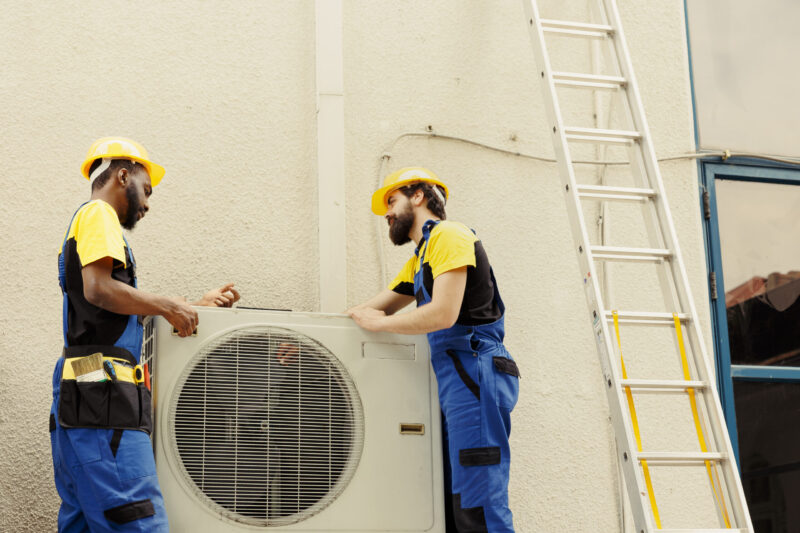
Professional installation is critical to ensuring your AC system operates efficiently and reliably from day one. Proper setup includes accurate system sizing, correct placement of indoor and outdoor units, secure connections, and proper airflow configuration. Poor installation can lead to issues such as uneven cooling, increased energy consumption, and premature system failure. Working with experienced HVAC professionals ensures that your system is installed according to industry standards, maximizing performance and long-term durability.
Regular Maintenance for Florida Climate
In Florida, where air conditioning systems run frequently, regular maintenance is essential to keep them in top condition. Routine tasks such as replacing air filters, cleaning coils, checking refrigerant levels, and inspecting system components help maintain efficiency and prevent breakdowns. Regular servicing also allows technicians to identify and fix minor issues before they become major problems. Consistent maintenance ensures your system can handle the demands of continuous operation while maintaining optimal performance.
Preventing Common Issues
Preventative care is key to avoiding common AC problems such as high humidity levels, corrosion, and system strain. Managing humidity through proper system settings and dehumidification features helps maintain comfort and prevent mold growth. Protecting outdoor units from moisture and salt exposure can reduce the risk of corrosion, especially in coastal areas. Additionally, ensuring proper airflow and avoiding overworking the system helps minimize wear and tear. Taking these preventative steps helps keep your AC system running smoothly and efficiently throughout the year.
4 Common Mistakes When Choosing an AC in Florida
Choosing the right air conditioning system for a Florida home requires careful consideration, but many homeowners make common mistakes that can lead to higher costs, poor performance, and reduced comfort. In a climate where AC systems are used heavily, these mistakes can have long-term consequences. Understanding what to avoid can help ensure you select a system that delivers reliable cooling, energy efficiency, and lasting value.
1. Choosing Based on Price Alone
Focusing only on the upfront cost of an AC system is a common mistake that can lead to higher expenses over time. While budget-friendly options may seem appealing initially, they often come with lower efficiency ratings and fewer advanced features. This can result in higher energy bills, more frequent repairs, and a shorter system lifespan. Instead of choosing the cheapest option, it’s important to consider the total cost of ownership, including energy consumption, maintenance, and long-term performance.
2. Ignoring Humidity Control
In Florida, humidity control is just as important as cooling, yet it is often overlooked when selecting an AC system. Systems that do not effectively manage moisture can leave indoor spaces feeling damp and uncomfortable, even if the temperature is lowered. Poor humidity control can also contribute to mold growth and reduced indoor air quality. Choosing a system with strong dehumidification capabilities ensures better comfort and a healthier indoor environment.
3. Improper Installation
Even the best air conditioning system can perform poorly if it is not installed correctly. Improper installation can lead to issues such as uneven cooling, reduced efficiency, increased energy consumption, and premature system failure. Mistakes in sizing, airflow setup, or ductwork configuration can significantly impact performance. Working with experienced HVAC professionals ensures proper installation, allowing the system to operate as intended and deliver optimal results.
4. Skipping Maintenance Plans
Skipping regular maintenance is another common mistake that can lead to increased repair costs and reduced system efficiency. Without routine servicing, components can become dirty or worn, causing the system to work harder and consume more energy. Over time, this can result in frequent breakdowns and costly repairs. Enrolling in a maintenance plan helps ensure consistent care, improves system reliability, and extends the lifespan of the equipment.
Best Air Conditioner Recommendations by Home Type
1. Small Homes or Apartments
For small homes or apartments, ductless mini-split systems or compact AC units are often the best choice. These systems provide efficient cooling without the need for extensive ductwork, making them ideal for limited spaces. Ductless systems also allow for zoned cooling, so you can control temperatures in specific areas and avoid wasting energy on unused rooms. Their compact design, quiet operation, and energy efficiency make them a practical and cost-effective solution for smaller living spaces.
2. Medium to Large Homes
Medium to large homes benefit most from central air conditioning systems, especially those with existing ductwork. These systems are designed to deliver consistent cooling throughout the entire home, ensuring even temperature distribution across multiple rooms. Adding zoning capabilities allows homeowners to control temperatures in different areas independently, improving comfort and reducing energy consumption. Central systems are ideal for larger spaces where whole-home cooling is a priority.
3. Coastal Homes
Homes located near the coast require air conditioning systems that can withstand harsh environmental conditions such as salt air, humidity, and strong winds. Corrosion-resistant systems with protective coatings and durable components are essential for preventing rust and extending system lifespan. Outdoor units should be designed to handle exposure to moisture and salt, ensuring reliable performance even in challenging coastal environments.
4. Energy-Conscious Homes
For homeowners focused on reducing energy consumption and lowering utility costs, high-efficiency systems are the best option. Air conditioners with high SEER ratings and inverter-driven or variable-speed technology provide superior efficiency and precise temperature control. These systems adjust their output based on demand, reducing energy waste and improving overall performance. While they may require a higher upfront investment, they offer significant long-term savings and are ideal for energy-conscious households.
FAQs About Air Conditioner
What type of AC is best for Florida homes?
The best type of AC for Florida homes depends on factors such as home size, layout, and existing infrastructure, but central air conditioning systems are typically the most popular choice for whole-home cooling. They provide consistent temperature control and work well with ducted homes. Ductless mini-split systems are ideal for smaller homes, room additions, or areas without ductwork, offering flexibility and zoned cooling. Heat pumps are also an excellent option for Florida because they provide both cooling and heating efficiently. Ultimately, the best system is one that combines strong cooling performance with effective humidity control and energy efficiency.
What SEER rating is recommended in Florida?
In Florida, where air conditioning systems run frequently, a SEER rating of at least 16 is generally recommended, with higher ratings offering greater efficiency and lower energy costs. Systems with higher SEER or SEER2 ratings use less electricity to achieve the same level of cooling, which can significantly reduce monthly utility bills over time. While higher-efficiency units may have a higher upfront cost, they are often a worthwhile investment in Florida’s climate due to long-term energy savings.
Are heat pumps good for Florida weather?
Yes, heat pumps are well-suited for Florida’s climate because they provide efficient cooling during hot months and can handle mild heating needs during cooler periods. Since Florida rarely experiences extreme cold, heat pumps can operate efficiently year-round without the need for a separate heating system. Their ability to transfer heat rather than generate it makes them an energy-efficient and cost-effective option for homeowners.
How do I choose the right AC size?
Choosing the correct AC size requires a detailed load calculation that takes into account factors such as square footage, insulation, ceiling height, window placement, and airflow. An undersized system will struggle to cool your home and may run continuously, while an oversized system can cool too quickly without properly removing humidity. Both scenarios can lead to discomfort and inefficiency. Working with HVAC professionals ensures accurate sizing, which is essential for optimal performance and long-term reliability.
What AC system is best for high humidity?
In high-humidity environments like Florida, air conditioning systems with variable-speed or inverter-driven technology are the best choice. These systems run for longer periods at lower speeds, allowing them to remove more moisture from the air while maintaining steady temperatures. This results in improved comfort, reduced humidity levels, and better indoor air quality. Systems with advanced dehumidification features are especially beneficial for preventing mold growth and maintaining a healthy indoor environment.
How long do AC units last in Florida?
AC units in Florida typically last between 10 to 15 years, although this can vary based on usage, maintenance, and environmental conditions. Because systems in this region operate more frequently, they experience more wear and tear compared to those in milder climates. Regular maintenance, such as cleaning components and checking system performance, can help extend the lifespan of the unit and ensure it continues to operate efficiently throughout its service life.
Is a high-efficiency AC worth it?
Yes, a high-efficiency AC system is generally worth the investment, especially in a state like Florida where cooling is required for most of the year. Although these systems may have a higher upfront cost, they consume less energy, resulting in lower monthly utility bills. They also tend to offer better performance, improved humidity control, and quieter operation. Over time, the savings on energy and reduced need for repairs can offset the initial cost, making high-efficiency systems a smart long-term choice.
Beat the Florida Heat—Upgrade Your Cool!
Choosing the best air conditioner for your Florida home is essential for maintaining comfort, energy efficiency, and long-term performance in a hot and humid climate. From selecting the right system type and size to focusing on features like humidity control, durability, and energy efficiency, every decision plays a role in how well your system performs. By understanding your options and avoiding common mistakes, you can invest in an AC system that delivers reliable cooling, lower energy costs, and improved indoor air quality for years to come.
If you’re ready to find the right air conditioner for your home, Dale’s AC is a reliable HVAC company in Port Charlotte and is here to help you make the best choice. We’ll assess your needs, recommend the most suitable system, and ensure it’s properly installed for maximum efficiency and performance. We also provide services such as AC replacement in Port Charlotte, air conditioning repair in Port Charlotte, indoor air quality in Port Charlotte, and attic insulation in Port Charlotte Whether you’re upgrading your current unit or installing a new system, call us at (941) 629-1712 or contact us and let’s keep your home cool, comfortable, and energy-efficient all year long.