

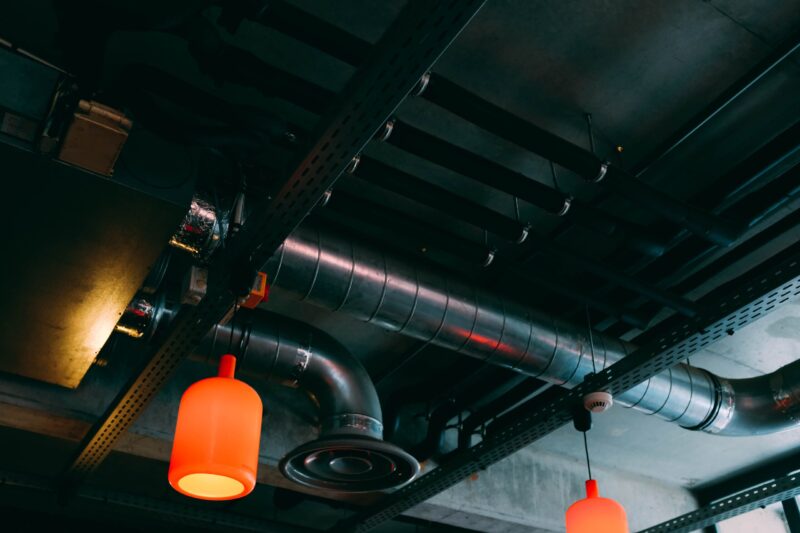
The air inside your home travels through your HVAC system every time it heats or cools, carrying dust, pollen, pet dander, odors, and other airborne particles from room to room. While standard HVAC filters help capture some of these contaminants, they may not provide the level of filtration needed for homeowners who want cleaner indoor air throughout the entire house. That’s where a whole-house air purification system can make a difference.
Unlike portable air purifiers that clean the air in a single room, whole-house systems work with your HVAC system to treat the air as it circulates throughout your home. These systems can help reduce airborne particles, improve indoor comfort, and support healthier indoor air when paired with proper HVAC maintenance and humidity control. In this guide, we’ll explain how whole-house air purification systems work, their benefits, the different types available, and how to determine if one is the right choice for your Florida home.
What Is a Whole-House Air Purification System?
A whole-house air purification system is an indoor air quality solution designed to treat the air throughout your entire home. Instead of cleaning the air in only one room, it works with your HVAC system to help reduce airborne particles, allergens, odors, and certain contaminants as air circulates through the ductwork. This makes it a practical option for homeowners who want cleaner, fresher air in multiple rooms.
How Whole-House Air Purifiers Work
Whole-house air purifiers clean air as it moves through the HVAC system. Depending on the type of system, it may use advanced filters, electronic air cleaning, UV light, activated carbon, or a combination of technologies. As air passes through, the system helps capture or reduce pollutants such as dust, pollen, pet dander, mold spores, and odor-causing particles before the air is redistributed throughout the home.
How They Connect to Your HVAC System
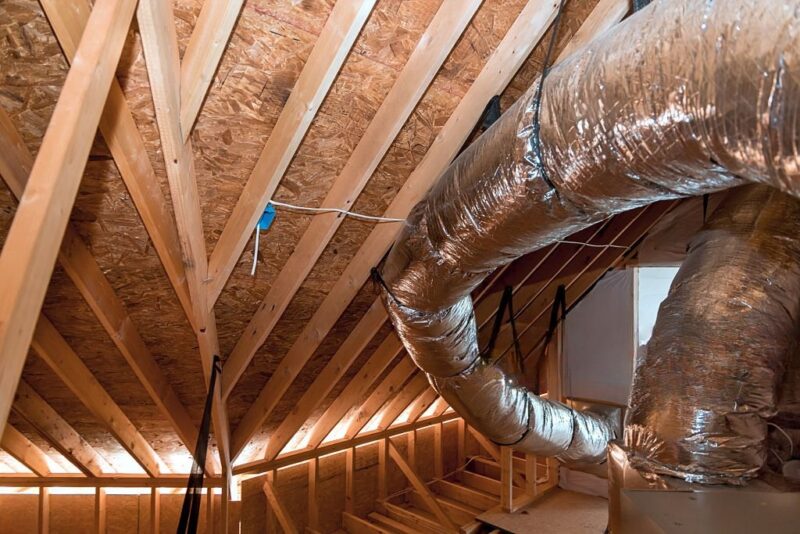
Most whole-house air purification systems are installed directly into the HVAC system, often near the air handler or ductwork. This allows the purifier to treat air as it cycles through the system. Because installation can affect airflow, filtration, and overall HVAC performance, professional selection and installation are important to make sure the system works properly with your existing equipment.
Whole-House vs Portable Air Purifiers
Portable air purifiers are designed to clean the air in a single room or small area, such as a bedroom or home office. Whole-house air purifiers, on the other hand, are designed to support cleaner air throughout the entire home. Portable units may be helpful for targeted concerns, but whole-home systems are often better for homeowners who want consistent air quality support across multiple rooms.
Why More Homeowners Are Choosing Whole-Home Air Purification
More homeowners are considering whole-home air purification because indoor air quality has become a bigger priority. Dust, pollen, pet dander, odors, smoke, mold spores, and household pollutants can all affect comfort and well-being. A whole-house system provides a convenient, integrated way to improve air quality without relying on separate portable units in every room.
Who Can Benefit Most From a Whole-House System?
Whole-house air purification can be especially helpful for households with allergy sufferers, asthma concerns, pets, persistent dust, musty odors, or frequent outdoor pollutants entering the home. It can also benefit homeowners who want a low-maintenance, whole-home approach to cleaner air. In Florida, where humidity, pollen, and year-round AC use can affect indoor air quality, these systems can provide valuable added support.
5 Types of Whole-House Air Purification Systems
1. High-Efficiency Media Filters
High-efficiency media filters are upgraded HVAC filters designed to capture more airborne particles than standard filters. They can help reduce dust, pollen, pet dander, and other common allergens as air moves through the HVAC system. These filters are often a good option for homeowners who want improved filtration without adding multiple portable units throughout the home.
2. Electronic Air Cleaners
Electronic air cleaners use an electrical charge to help capture airborne particles. As particles pass through the system, they become charged and are collected on plates or filter surfaces. These systems can be effective for reducing small particles, but they require regular cleaning and maintenance to continue working properly.
3. UV Air Purification Systems
UV air purification systems use ultraviolet light to help target certain biological contaminants inside the HVAC system. These systems are often installed near evaporator coils or inside ductwork, where moisture can collect. UV systems can support cleaner HVAC components, but they are typically used alongside filtration rather than as a standalone solution.
4. Activated Carbon Filtration
Activated carbon filtration is designed to help reduce odors and certain volatile organic compounds, or VOCs. This type of filtration can be helpful for homes dealing with cooking odors, pet smells, smoke odors, mustiness, or chemical-like scents from household products. For stronger indoor air quality support, activated carbon is often paired with particle filtration.
5. Hybrid Whole-Home Air Purification Systems
Hybrid systems combine multiple technologies, such as high-efficiency filtration, UV treatment, electronic air cleaning, and activated carbon. These systems provide broader indoor air quality support by addressing different types of contaminants. A professional HVAC evaluation can help determine whether a hybrid system is the right fit for your home and equipment.
How Whole-House Air Purifiers Improve Indoor Air Quality
Whole-house air purifiers improve indoor air quality by treating the air as it moves through your HVAC system. Instead of only cleaning one room at a time, they help reduce airborne contaminants throughout the home. This can make indoor air feel fresher, cleaner, and more comfortable, especially in homes with dust, allergies, pets, odors, or frequent HVAC use.
Capturing Dust and Airborne Particles
Whole-house air purifiers can help capture dust, lint, pollen, pet dander, and other airborne particles before they circulate back into living spaces. By reducing the amount of particles moving through the air, these systems can help keep rooms cleaner and reduce dust buildup on furniture, vents, and surfaces.
Reducing Allergens Throughout the Home
For households with allergy concerns, whole-home purification can provide broader support than a single portable unit. As air moves through the HVAC system, the purifier helps reduce common allergens such as pollen, dust mites, pet dander, and some mold spores. This can help create a more comfortable environment for sensitive individuals.
Helping Control Odors
Some whole-house air purification systems include activated carbon or other odor-reducing technologies. These can help reduce smells from pets, cooking, smoke, mustiness, and household products. While air purifiers do not remove the source of odors, they can help improve overall air freshness when paired with proper cleaning, ventilation, and HVAC maintenance.
Supporting Cleaner HVAC Components
Whole-house air purifiers can also help protect HVAC components by reducing the amount of dust and debris entering the system. Cleaner coils, blower parts, and ductwork can support better airflow and system performance. This makes air purification a useful partner to routine HVAC maintenance.
Improving Overall Indoor Comfort
Cleaner indoor air can make your home feel more comfortable and refreshing. When dust, allergens, odors, and airborne particles are reduced, rooms may feel less stale and easier to breathe in. For Florida homeowners, whole-house air purification can be especially helpful when combined with humidity control and regular HVAC service.
5 Benefits of Installing a Whole-House Air Purification System
1. Cleaner Air in Every Room
Unlike portable units that clean only one area, a whole-house air purifier treats air as it circulates through the HVAC system. This allows cleaner air to reach multiple rooms, creating more consistent indoor air quality throughout the home. Whether you’re in the bedroom, living room, or home office, the system works continuously whenever the HVAC system is operating.
2. Reduced Dust Buildup
Dust is one of the most common indoor air quality complaints. A whole-house air purifier can help capture airborne dust before it settles on furniture, floors, shelves, and vents. While regular cleaning is still necessary, reducing the amount of circulating dust may help homeowners spend less time dealing with constant dust buildup.
3. Better Allergy Support
Whole-house air purification systems can help reduce common airborne allergens such as pollen, pet dander, dust, and some mold spores. By filtering these particles throughout the home, the system may provide added comfort for individuals with allergies or respiratory sensitivities. It works best when combined with routine HVAC maintenance and timely filter replacement.
4. Fresher-Smelling Indoor Air
Many whole-home systems include activated carbon or other odor-reducing technologies that help minimize smells from pets, cooking, smoke, and household products. While they do not eliminate the source of odors, they can help reduce lingering smells and contribute to a fresher indoor environment.
5. Potential HVAC Performance Benefits
Whole-house air purification can also support your HVAC system by reducing the amount of dust and debris that circulates through it. Cleaner air moving through the system may help keep filters, coils, and other components cleaner between maintenance visits. Although an air purifier is not a substitute for routine HVAC service, it can complement regular maintenance and help support efficient system operation.
Choosing the Right Whole-House Air Purifier
Choosing the right whole-house air purifier depends on your home’s layout, HVAC system, indoor air quality concerns, and comfort goals. Since these systems work directly with your heating and cooling equipment, it is important to select an option that improves air quality without restricting airflow or creating unnecessary strain on the system.
Matching the System to Your Home
The size of your home, ductwork design, HVAC capacity, and airflow needs all affect which whole-house air purifier is the best fit. A system that works well in one home may not be ideal for another. The right solution should be powerful enough to support cleaner air throughout the house while remaining compatible with your existing equipment.
Considering Allergy and Air Quality Concerns
Different homes have different air quality challenges. Some homeowners are most concerned about dust and pollen, while others need support for pet dander, odors, smoke, mold spores, or VOCs. Identifying your main concerns helps determine whether you need high-efficiency filtration, activated carbon, UV treatment, electronic air cleaning, or a combination of technologies.
Evaluating Filter Types and Technologies
Whole-house air purifiers use different methods to improve indoor air quality. High-efficiency media filters help capture particles, activated carbon can help reduce odors, UV systems support cleaner HVAC components, and electronic air cleaners target smaller airborne particles. Understanding what each technology does helps homeowners choose a system that matches their needs.
Maintenance Requirements
Every whole-house air purification system requires maintenance to perform properly. Filters may need to be replaced on a schedule, electronic components may need cleaning, and UV lamps may need periodic replacement. Before choosing a system, homeowners should consider the cost, frequency, and ease of maintenance so the purifier continues working effectively over time.
Why Professional Recommendations Matter
Professional guidance is important because whole-house air purifiers must work with your HVAC system, not against it. An HVAC professional can evaluate airflow, ductwork, equipment compatibility, filter options, humidity concerns, and indoor air quality goals before recommending a solution. This helps ensure the system supports cleaner air while maintaining comfort, efficiency, and reliable HVAC performance.
Whole-House Air Purification for Florida Homes
Florida homes face unique indoor air quality challenges because of warm weather, high humidity, long allergy seasons, and frequent air conditioning use. A whole-house air purification system can provide added support by helping reduce airborne particles as air moves through the HVAC system. When paired with humidity control and regular maintenance, it can help create cleaner, fresher, and more comfortable indoor air throughout the home.
Managing Year-Round Allergens
Florida’s long growing season can bring pollen, grass allergens, and outdoor particles into the home for much of the year. These allergens may enter through doors, windows, clothing, pets, and leaky ductwork. A whole-house air purifier can help reduce the amount of airborne allergens circulating through the HVAC system and into living spaces.
Addressing High Humidity Challenges
Air purifiers can help reduce airborne particles, but they do not remove humidity. In Florida homes, excess moisture should be addressed through proper AC performance, ventilation, drainage, and dehumidification when needed. Pairing air purification with humidity control helps reduce musty odors, mold concerns, and sticky indoor conditions.
Supporting Homes With Pets
Homes with pets often deal with dander, fur, odors, and tracked-in outdoor allergens. Whole-house air purification can help capture pet-related particles as air circulates through the HVAC system. This can be especially helpful in homes where pets move freely between rooms and portable purifiers may not provide enough coverage.
Reducing Dust During Heavy AC Use
Because Florida air conditioners run often, dust and particles can circulate frequently through the HVAC system. A whole-house air purifier adds another layer of filtration to help reduce dust movement throughout the home. This can support cleaner surfaces, fresher air, and better overall comfort.
Pairing Air Purification With Humidity Control
For the best results in Florida homes, air purification should work alongside humidity control. A whole-house purifier can help with airborne particles, while proper moisture management helps reduce mold, mildew, and musty odors at the source. Together, these solutions support cleaner air and a more comfortable indoor environment year-round.
Maintaining a Whole-House Air Purification System
A whole-house air purification system needs regular care to keep working effectively. Since it operates with your HVAC system, maintenance helps protect both indoor air quality and overall system performance. Staying on top of filters, inspections, and professional service can help your purifier continue reducing airborne particles, odors, and contaminants throughout the home.
Replacing Filters on Schedule
Filters should be replaced according to the manufacturer’s recommendations and your home’s air quality needs. Homes with pets, allergies, heavy dust, or frequent HVAC use may need more frequent filter changes. A clogged filter can reduce air purification performance, restrict airflow, and place extra strain on the HVAC system.
Cleaning and Inspecting System Components
Some whole-house air purifiers include components that need occasional cleaning or inspection, such as electronic cells, UV lamps, or internal filtration parts. Dust, debris, and buildup can reduce effectiveness over time. Regular inspections help ensure each part is working properly and supporting cleaner indoor air.
Routine HVAC Maintenance
Because whole-house air purifiers work with the HVAC system, routine HVAC maintenance is essential. Clean coils, clear drain lines, proper airflow, and well-maintained ductwork all help the purifier perform better. Regular service also helps identify issues that could affect air quality, humidity control, or system efficiency.
Monitoring Indoor Air Quality
Monitoring indoor air quality can help you understand whether your purification system is making a difference. Watch for signs such as reduced dust, fresher air, fewer odors, and improved comfort. If dust, musty smells, or allergy symptoms return, it may be time to check filters, system components, or HVAC performance.
When to Schedule Professional Service
Schedule professional service if your air purifier is not performing as expected, filters clog quickly, odors persist, airflow feels weak, or your HVAC system shows signs of strain. A technician can inspect the purifier, check compatibility with your HVAC system, and recommend maintenance or repairs to keep your indoor air cleaner and healthier.
Professional Whole-House Air Purification Services in Port Charlotte, FL
Professional whole-house air purification services can help Port Charlotte homeowners improve indoor air quality throughout the entire home. Since these systems work directly with your HVAC equipment, proper selection, installation, and maintenance are important for performance, airflow, and long-term comfort. Dale’s AC helps homeowners choose solutions that fit their home, system, and indoor air quality needs.
Indoor Air Quality Evaluations
An indoor air quality in Port Charlotte helps identify what may be affecting the air inside your home. Dale’s AC can assess concerns such as dust, allergens, odors, humidity, airflow, filtration, and HVAC performance. This allows our team to recommend the right whole-home air purification solution based on your specific indoor air quality challenges.
Whole-Home Air Purifier Installation
Whole-home air purifier installation allows your HVAC system to treat air as it circulates throughout the house. Dale’s AC can install air purification solutions designed to reduce airborne particles, allergens, odors, and other indoor contaminants. Professional AC installation in Port Charlotte helps ensure the system is properly placed, connected, and set up for effective operation.
HVAC Compatibility Assessments
Not every air purifier is right for every HVAC system. Dale’s AC can evaluate your equipment, ductwork, airflow, and filtration requirements to make sure the recommended purifier is compatible. This helps prevent restricted airflow, unnecessary system strain, and performance issues.
Ongoing Maintenance and Filter Replacement
Whole-house air purification systems require regular maintenance to keep working properly. Filters may need replacement, UV lamps may need service, and system components may need inspection or cleaning. Dale’s AC can help homeowners stay on schedule with maintenance so their air purification system continues supporting cleaner indoor air.
Trusted Indoor Air Quality Solutions From Dale’s AC
Dale’s AC provides trusted indoor air quality solutions for homeowners in Port Charlotte, FL. Whether you are dealing with dust, allergies, pet dander, odors, or Florida humidity concerns, our team can help you choose and maintain a whole-house air purification system that supports cleaner, fresher, and more comfortable air throughout your home.
FAQs About Whole-House Air Purification Systems
Is a whole-house air purifier better than a portable unit?
A whole-house air purifier may be better if you want cleaner air throughout your entire home. Portable units are useful for single rooms, but whole-home systems work with your HVAC system to treat air as it circulates from room to room. The best choice depends on your home size, air quality concerns, and budget.
Can a whole-house air purifier help with allergies?
Yes, a whole-house air purifier can help reduce common airborne allergens such as dust, pollen, pet dander, and some mold spores. This can be especially helpful in Florida homes where outdoor allergens can enter throughout much of the year. For the best results, air purification should be paired with regular HVAC maintenance and filter replacement.
Do whole-house air purifiers remove odors?
Some whole-house air purifiers can help reduce odors, especially systems that include activated carbon or odor-control technology. They may help with smells from pets, cooking, smoke, mustiness, and household products. However, persistent odors may also indicate moisture, mold, ductwork, or ventilation issues that should be addressed at the source.
How often do whole-house air purifier filters need to be replaced?
Filter replacement depends on the system type, filter quality, household conditions, and how often your HVAC system runs. Some filters may need replacement every few months, while others may last longer. Homes with pets, allergies, heavy dust, or frequent AC use may need more frequent filter changes.
Is professional installation recommended?
Yes, professional installation is strongly recommended because whole-house air purifiers must work directly with your HVAC system. Proper installation helps protect airflow, system efficiency, and equipment performance. An HVAC professional can also confirm compatibility and recommend the right system for your home’s indoor air quality needs.
Keep the Air Flowing and the Dust Going!
A whole-house air purification system can help improve indoor air quality by reducing airborne particles, allergens, odors, and other contaminants throughout your home. When combined with proper HVAC maintenance, effective filtration, and humidity control, it provides a comprehensive approach to creating a cleaner, fresher, and more comfortable indoor environment for you and your family.
At Dale’s AC as a professional HVAC company in Port Charlotte, we help homeowners find whole-house air purification solutions that work seamlessly with their HVAC systems and indoor air quality goals. We also provide AC replacement in Port Charlotte, air conditioning repair in Port Charlotte, residential HVAC services in Port Charlotte, commercial HVAC services in Port Charlotte, and AC maintenance in Port Charlotte. Call us today at (941) 629-1712 or contact us, and let us help you enjoy cleaner air in every room of your home.