

UV light air purifiers have become an increasingly popular option for homeowners looking to improve indoor air quality, especially as interest in healthier living environments continues to grow. Often installed as part of an HVAC system or combined with other air-cleaning technologies, these systems use ultraviolet (UV-C) light to target certain microorganisms that may circulate through your home’s air. Because of their growing popularity, many homeowners wonder whether UV air purifiers can reduce allergens, eliminate germs, or solve common indoor air quality concerns on their own. The answer is more nuanced than many product claims suggest.
While UV light technology can play a valuable role in certain indoor air quality applications, it is important to understand both its capabilities and its limitations. UV air purifiers work differently from traditional air filters and are designed to address specific types of biological contaminants rather than physically removing dust, pollen, pet dander, or other airborne particles. In this guide, we’ll explain how UV light air purifiers work, what they can and cannot do, compare them with HEPA filtration, discuss their potential benefits and safety considerations, and help you decide whether they’re a worthwhile investment for your Florida home.
What Is a UV Light Air Purifier?
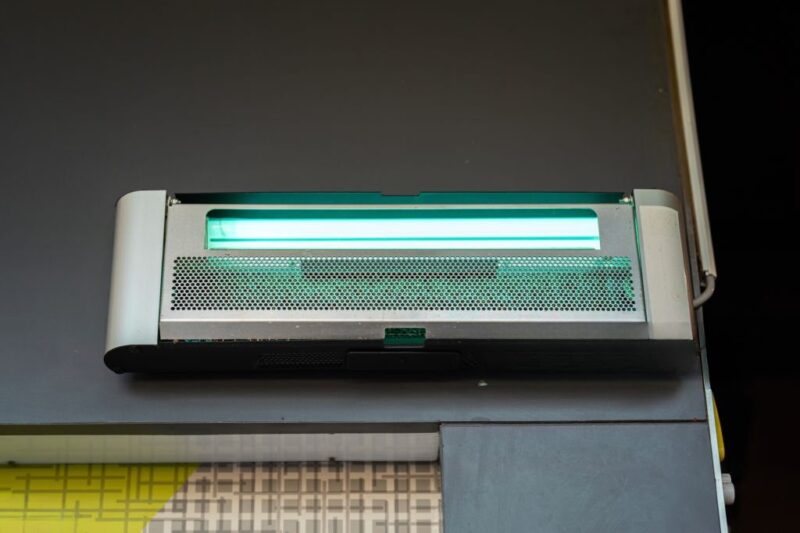
A UV light air purifier is an indoor air quality device that uses ultraviolet light to target certain microorganisms in the air or on HVAC surfaces. Unlike a standard filter, which captures particles as air passes through it, UV technology is designed to disrupt the biological activity of some bacteria, viruses, and mold-related contaminants. These systems are commonly installed inside HVAC equipment, ductwork, or portable air-cleaning units and are often used alongside filtration rather than as a replacement for it.
Understanding UV-C Light Technology
Ultraviolet light is a form of electromagnetic radiation that exists beyond the visible light spectrum. It is generally divided into UVA, UVB, and UV-C. UVA has the longest wavelength and is commonly associated with sunlight and tanning, while UVB is linked to sunburn and skin damage. UV-C has the shortest wavelength and is used in certain air and surface treatment applications because it can interfere with the genetic material of some microorganisms. In HVAC systems, UV-C lamps are typically enclosed so the light can target air or equipment surfaces without exposing occupants directly.
How UV Light Air Purifiers Work
UV air purifiers direct air through a chamber or section of the HVAC system where it is exposed to UV-C lamps. When certain microorganisms receive enough UV-C exposure, the light can damage their DNA or RNA and reduce their ability to reproduce. This process is more accurately described as inactivation rather than physical removal. Dust, pollen, pet dander, smoke, and other particles can remain in the air unless a separate filter captures them, which is why UV systems often work best when paired with effective mechanical filtration.
Types of UV Air Purification Systems
Portable UV air purifiers combine UV-C technology with a fan and, in many cases, a particle filter to treat air in a single room. In-duct HVAC UV systems are installed inside the ductwork or near the air handler so circulating air passes through the treatment area. Coil-mounted UV lights are positioned near the evaporator coil and drain pan, where they may help limit biological buildup on damp HVAC surfaces. Combination systems pair UV-C lamps with HEPA or high-efficiency filtration, allowing one component to capture airborne particles while the other targets certain microorganisms.
What Can UV Light Air Purifiers Help Address?
UV light air purifiers are designed to target certain biological contaminants rather than remove every type of indoor pollutant. Their effectiveness depends on factors such as lamp strength, placement, exposure time, airflow, maintenance, and the type of microorganism present. For this reason, UV-C systems are generally most useful as part of a broader indoor air quality plan that also includes filtration, humidity control, cleaning, and regular HVAC maintenance.
Bacteria
UV-C light can help inactivate certain airborne or surface-level bacteria when they receive enough exposure. In HVAC applications, this may be useful for treating air as it passes through the system or for limiting microbial buildup on components such as the evaporator coil. Results vary depending on the organism, lamp intensity, and exposure time, so UV technology should not be viewed as a complete substitute for cleaning, filtration, or sanitation.
Viruses
Some viruses can also be affected by UV-C light because the radiation can damage their genetic material and reduce their ability to reproduce. However, effectiveness depends heavily on whether the virus is exposed to a sufficient dose for a long enough period. Fast-moving air, poor lamp placement, or weak bulbs may reduce performance. A UV air purifier may therefore provide added support, but it should not be relied on as the only method for reducing airborne viruses.
Mold and Mold Spores
UV-C light may help limit mold growth on exposed HVAC surfaces and can inactivate some airborne mold spores under the right conditions. This can be particularly relevant near damp components such as cooling coils and drain pans. However, UV light does not correct the moisture problem that allowed mold to develop in the first place, and it does not remove existing mold colonies or contaminated materials. Leaks, condensation, and high humidity must still be addressed directly.
Biofilm on HVAC Components
Biofilm is a layer of microorganisms that can develop on damp HVAC surfaces, especially around evaporator coils and drain pans. Coil-mounted UV lights are often used to help reduce this buildup by continuously exposing those surfaces to UV-C light. Keeping coils cleaner may support airflow and system performance, but the equipment still requires routine inspection, cleaning, and maintenance.
Odor-Causing Microorganisms
Some musty or unpleasant odors may be linked to microbial growth on wet HVAC components or other damp surfaces. By helping limit certain bacteria and mold-related growth, UV-C systems may reduce odors associated with those sources. However, UV light will not solve odors caused by smoke, pets, chemicals, plumbing issues, or hidden moisture problems, so persistent smells should be properly investigated.
What UV Light Does Not Remove
UV light does not physically capture dust, pollen, pet dander, smoke particles, or other non-living airborne debris. These contaminants require mechanical filtration, such as a compatible HVAC filter, media air cleaner, or HEPA purifier. UV-C also does not remove volatile organic compounds unless it is paired with specialized technology designed for that purpose. In some cases, poorly designed systems may even create unwanted byproducts, so homeowners should review product specifications carefully and choose equipment that does not intentionally produce ozone.
5 Potential Benefits of UV Light Air Purifiers
1. Supports Cleaner HVAC Components
UV-C lights installed within the HVAC system can help keep certain components cleaner by reducing microbial growth on surfaces that are frequently exposed to moisture. Cleaner components may contribute to more consistent airflow and help maintain efficient system operation over time. However, UV lights do not eliminate the need for regular HVAC maintenance, as dust, dirt, and other debris can still accumulate on equipment.
2. May Reduce Biological Growth on Cooling Coils
The evaporator coil naturally produces condensation while cooling your home, creating a damp environment where biological growth may develop if left unchecked. Coil-mounted UV lights continuously expose these surfaces to UV-C light, which may help reduce biological growth on and around the cooling coils and drain pan. This can be particularly beneficial in Florida’s warm, humid climate, where moisture is present for much of the year.
3. Can Complement Existing Air Filtration
UV light and mechanical filtration perform different functions, making them complementary rather than competing technologies. While air filters capture dust, pollen, pet dander, and other airborne particles, UV-C light targets certain microorganisms that may pass through the system or develop on HVAC components. Using both technologies together can create a more comprehensive indoor air quality approach than relying on either one alone.
4. Low Maintenance Compared to Some Air Cleaners
Many UV light systems require relatively little routine maintenance beyond periodic inspections and replacing the UV lamp according to the manufacturer’s recommended schedule. Unlike portable air purifiers that may require frequent filter replacements, HVAC-mounted UV systems typically operate automatically whenever the system runs. Even so, homeowners should remember that the HVAC system itself still requires regular maintenance, including filter changes, coil inspections, and drain cleaning.
5. Whole-Home Protection Through the HVAC System
When installed within the HVAC system, UV lights treat air as it circulates throughout the home’s ductwork rather than focusing on a single room. This allows one centralized system to support indoor air quality across multiple living spaces without the need for several portable devices. For homeowners looking for a whole-home approach to air quality, UV technology can be one part of a broader solution that also includes proper filtration, humidity management, ventilation, and professional HVAC maintenance.
Limitations of UV Air Purifiers
UV light air purifiers can be a valuable addition to an indoor air quality strategy, but they also have important limitations. Understanding what these systems cannot do is just as important as understanding their benefits. Homeowners who expect UV technology to eliminate every indoor air quality concern may be disappointed, especially if underlying issues such as poor filtration, excess humidity, or inadequate HVAC maintenance are not addressed.
Does Not Capture Dust or Allergens
Unlike mechanical air filters, UV-C lights do not physically remove airborne particles from the air. Dust, pollen, pet dander, smoke particles, and many other allergens continue circulating unless they are captured by an HVAC filter, media air cleaner, or HEPA filter. For allergy sufferers, UV technology should be viewed as a complement to filtration rather than a replacement for it.
Air Exposure Time Matters
For UV-C light to be effective, certain microorganisms must receive enough exposure to the light. In HVAC systems, air moves quickly through the ductwork, which may limit the amount of time airborne contaminants remain within the UV treatment area. As a result, the effectiveness of UV air purifiers depends on factors such as airflow speed, lamp intensity, system design, and the type of microorganism being targeted.
Lamp Quality and Placement Affect Performance
Not all UV systems perform the same way. The quality of the UV lamp, its output, and where it is installed all influence how effectively it treats the air or HVAC components. A poorly placed lamp may not provide adequate coverage, while an improperly sized system may deliver less UV exposure than intended. Professional selection and installation help ensure the equipment is positioned to support optimal performance and compatibility with the home’s HVAC system.
Bulbs Lose Effectiveness Over Time
Although UV lamps may continue to produce visible light for years, their germicidal output gradually decreases with use. As the bulb ages, its ability to inactivate microorganisms may decline even if it still appears to be working normally. Most manufacturers recommend replacing UV lamps at scheduled intervals to maintain performance. Regular inspections also help verify that the system continues operating safely and effectively.
Not a Standalone Indoor Air Quality Solution
A UV air purifier should not be viewed as a complete solution for indoor air quality. It cannot eliminate dust, control humidity, remove odors from every source, repair water leaks, or replace routine cleaning and HVAC maintenance. The best results typically come from combining UV technology with effective filtration, proper humidity control, source reduction, regular housekeeping, and professional HVAC service. Taking a whole-home approach provides more comprehensive protection against the many factors that affect indoor air quality.
Are UV Air Purifiers Safe?
UV air purifiers can be used safely when they are properly designed, installed, and maintained. The main safety considerations involve preventing direct exposure to UV-C light, choosing equipment that does not intentionally generate ozone, and following the manufacturer’s maintenance instructions. Homeowners should also understand that not every UV product is appropriate for HVAC use, so equipment selection and professional installation are important parts of safe operation.
Why UV-C Light Must Remain Inside the Unit
UV-C light should remain fully contained within the air purifier, ductwork, or HVAC cabinet because direct exposure can harm the eyes and skin. Properly designed systems use enclosed housings, access panels, and safety features to keep the light away from occupants during normal operation. Homeowners should never look directly at an active UV-C lamp or operate a system with panels removed. Any inspection or service should be completed only after the equipment has been safely powered down.
Professional Installation Matters
Professional AC installation in Port Charlotte helps ensure the UV system is placed correctly, wired safely, and matched to the existing HVAC equipment. A trained technician can determine the best location for the lamp, confirm that surrounding materials are suitable for UV exposure, and verify that the system will not interfere with airflow or other components. Proper installation also helps reduce the likelihood of accidental exposure, poor performance, or damage caused by incorrect placement.
Ozone-Producing UV Systems
Some air-cleaning products are designed to intentionally produce ozone, while others use ozone-free UV-C technology. Ozone-generating systems release a gas that may irritate the lungs, throat, and respiratory system, particularly for people with asthma, allergies, or other sensitivities. Homeowners should review product specifications carefully and avoid equipment marketed around intentional ozone production. Choosing an ozone-free system from a reputable manufacturer provides a safer approach for residential indoor air quality applications.
Routine Maintenance and Bulb Replacement
UV air purifiers require periodic maintenance to remain safe and effective. Lamps gradually lose germicidal output even when they continue to glow, so they should be replaced according to the manufacturer’s recommended schedule. Dust buildup on the bulb can also reduce performance and may require careful cleaning during routine HVAC service. Because UV-C lamps can be fragile and may contain materials that require proper handling and disposal, bulb replacement is best completed by a qualified technician.
Are UV Air Purifiers Worth It for Florida Homes?
UV air purifiers may be worth considering for some Florida homes, particularly when biological growth on HVAC components is a recurring concern. However, their value depends on the home’s moisture levels, HVAC design, filtration setup, and specific indoor air quality goals. UV technology is most effective when used for the right purpose and combined with filtration, humidity control, source correction, and routine HVAC maintenance.
Florida’s Warm, Humid Climate
Florida’s warm temperatures and high humidity can create favorable conditions for microbial growth, especially around damp HVAC components such as evaporator coils and drain pans. A properly installed UV-C system may help limit biological buildup on these surfaces and support cleaner equipment. Still, UV lights do not reduce humidity, so homes with persistent moisture problems may also need dehumidification, drainage correction, or HVAC adjustments.
Homes With Recurring Moisture Issues
Homes that frequently experience condensation, musty odors, or moisture around the air handler may benefit from a professional evaluation before installing UV equipment. UV-C lights may help manage certain microorganisms on exposed surfaces, but they cannot repair leaks, dry wet materials, or correct poor drainage. Addressing the moisture source should come first, with UV technology used only as a supporting measure where appropriate.
Allergy-Conscious Households
For allergy-conscious households, UV air purifiers may provide limited support because they target certain biological contaminants rather than common particle allergens. They do not capture pollen, dust, pet dander, or dust mite debris, so an effective HVAC filter, media air cleaner, or portable HEPA purifier may be more useful for those concerns. UV technology may still complement filtration when mold-related growth or microbial buildup inside the HVAC system is part of the problem.
Homes With Pets
Pet owners often deal with dander, hair, odors, and particles that move through the home and HVAC system. UV lights do not remove pet dander or hair, so filtration and regular cleaning remain the main strategies for managing pet-related allergens. A UV system may still be useful when combined with strong filtration, particularly if the home also has moisture-related odors or biological growth on HVAC components.
When UV May Be a Good Investment
UV air purification may be a good investment when a home has recurring microbial buildup on the evaporator coil, persistent musty odors linked to HVAC components, or a need for added biological treatment alongside existing filtration. It may also appeal to homeowners who want a centralized, low-maintenance indoor air quality feature that works automatically within the HVAC system. The best results typically come from professionally selected, ozone-free equipment installed in the correct location.
When Another Indoor Air Quality Solution May Be Better
Another solution may offer better value when the main concern is dust, pollen, pet dander, smoke, excessive humidity, or poor ventilation. Higher-efficiency HVAC filtration, a whole-home media air cleaner, portable HEPA purifiers, dehumidification, duct sealing, or ventilation improvements may address those issues more directly. A professional indoor air quality assessment can help determine whether UV technology is appropriate or whether a different combination of solutions would better match the home’s needs.
6 Signs Your HVAC System May Benefit From UV Technology
1. Frequent Musty Odors
Persistent musty smells coming from supply vents or becoming noticeable when the air conditioner starts may suggest moisture or biological buildup somewhere in the HVAC system. A coil-mounted UV light may help reduce certain odor-causing microorganisms on exposed surfaces, but the source should be identified first. Drainage problems, wet insulation, mold growth, or excess humidity may require separate repairs or moisture-control measures.
2. Visible Biological Growth Around the Air Handler
Discoloration or suspected biological growth around the air handler, evaporator coil, drain pan, or nearby surfaces should be professionally evaluated. UV-C technology may help limit future growth on surfaces directly exposed to the light, but it does not remove existing contamination or correct the moisture condition that allowed it to develop. Cleaning, drainage correction, and humidity management may also be necessary.
3. Persistent Indoor Humidity
High indoor humidity can create conditions that encourage biological growth inside the HVAC system. If the home regularly feels sticky, develops condensation, or maintains humidity above the recommended range, UV technology may offer limited support by treating certain exposed surfaces. However, UV lights do not remove moisture, so dehumidification, HVAC adjustments, duct sealing, or equipment sizing concerns should be addressed as part of the solution.
4. Allergy Symptoms Indoors
If allergy-like symptoms become more noticeable at home, the HVAC system may be circulating pollen, dust, pet dander, mold spores, or other particles. UV lights can target some biological contaminants, but they do not capture common allergens. A compatible HVAC filter, media air cleaner, portable HEPA purifier, humidity control, and source reduction may be more appropriate depending on the trigger. Persistent symptoms should also be discussed with a qualified healthcare professional.
5. Dirty Evaporator Coils
Evaporator coils remain damp during normal cooling operation, which can allow dust and biological material to collect when filtration or maintenance is inadequate. Coil-mounted UV lights may help limit microbial buildup and support cleaner coil surfaces between service visits. They do not remove dirt, pet hair, or other debris, so filter replacement and professional coil cleaning are still required.
6. Older HVAC Systems Operating in Humid Conditions
Older HVAC systems in Florida may be more vulnerable to moisture buildup, reduced drainage performance, aging insulation, or declining airflow. UV technology may help support cleaner internal surfaces, but it cannot correct worn components, duct leaks, poor efficiency, or improper system sizing. A complete HVAC inspection can determine whether UV treatment is worthwhile or whether maintenance, repair, humidity control, or equipment replacement should take priority.
FAQs About UV Light Air Purifiers
Do UV Air Purifiers Remove Dust?
No. UV air purifiers do not physically capture dust, pollen, pet dander, or other airborne particles. Their purpose is to expose certain microorganisms to UV-C light, not remove debris from the air. To reduce dust, homeowners need a compatible HVAC filter, media air cleaner, or HEPA purifier used alongside regular cleaning and HVAC maintenance.
Can UV Light Kill Mold?
UV-C light may inactivate certain mold spores and help limit biological growth on exposed HVAC surfaces, such as evaporator coils and drain pans. However, it does not remove existing mold colonies, clean contaminated materials, or correct the moisture source that allowed mold to grow. Leaks, condensation, and elevated humidity must still be addressed directly.
Are UV Air Purifiers Effective Against Viruses?
UV-C light can inactivate some viruses when they receive a sufficient dose for enough time. Actual performance depends on lamp strength, exposure time, airflow speed, system design, and the type of virus present. Because air often moves quickly through HVAC ductwork, UV technology should be considered a supporting measure rather than the only method used to improve indoor air quality.
Do UV Air Purifiers Produce Ozone?
Some UV air purifiers are designed to intentionally produce ozone, while others use ozone-free UV-C technology. Ozone can irritate the respiratory system, so homeowners should avoid products that rely on intentional ozone generation. Review the manufacturer’s specifications and choose equipment clearly identified as ozone-free and appropriate for residential HVAC use.
How Often Should UV Bulbs Be Replaced?
Many HVAC UV bulbs need replacement approximately once every one to two years, although the exact schedule depends on the manufacturer, lamp type, and operating conditions. A bulb may continue glowing after its germicidal output has declined, so appearance alone is not a reliable indicator of performance. Follow the product’s maintenance schedule and have the system inspected during routine HVAC service.
Are UV Lights Safe to Use Around Children and Pets?
Properly enclosed UV-C systems can be used safely in homes with children and pets because the light remains inside the HVAC cabinet, ductwork, or purifier housing. Direct exposure to UV-C light can harm the skin and eyes, so the system should never be operated with access panels removed. Professional installation helps ensure the light is safely contained and positioned correctly.
Do UV Lights Reduce Allergy Symptoms?
UV lights do not capture the particles that commonly trigger allergies, including pollen, pet dander, dust mite debris, and household dust. They may provide limited support when biological growth within the HVAC system contributes to indoor air quality concerns, but filtration and source control are usually more important for allergy management. Persistent symptoms should be discussed with a qualified healthcare professional.
Are UV Air Purifiers Worth the Investment for Florida Homeowners?
UV air purifiers may be worthwhile for Florida homes with recurring microbial buildup on cooling coils, moisture-related HVAC odors, or a need for added biological treatment alongside effective filtration. They may offer less value when the main concern is dust, pollen, pet dander, smoke, or excessive humidity. A professional indoor air quality assessment can help determine whether UV technology or another solution is the better investment for the home.
Your HVAC Works Hard—Give It a Little Light!
UV light air purifiers can be a worthwhile addition to a Florida home when they are used for the right purpose. They may help reduce biological growth on HVAC components and support a broader indoor air quality plan, but they do not capture dust, pollen, pet dander, or smoke, and they cannot correct excess humidity or active moisture problems. For the best results, UV technology should work alongside effective filtration, humidity control, regular cleaning, and routine HVAC maintenance.
At Dale’s AC as a professional HVAC company in Port Charlotte, we can evaluate your HVAC system, indoor humidity, airflow, and air quality concerns to determine whether UV technology makes sense for your home. We can also recommend other solutions when filtration, dehumidification, or maintenance would provide better value. We also offer AC maintenance in Port Charlotte, air conditioning repair in Port Charlotte, and AC replacement in Port Charlotte. Call us today at (941) 629-1712 or contact us to schedule an indoor air quality in Port Charlotte and find the right solution for cleaner, more comfortable air.