


A bigger AC unit or a familiar brand name does not guarantee a more comfortable home. Choosing the right air conditioner means finding a system that fits your home’s cooling needs, manages humidity, and works with your ductwork and controls. For Port Charlotte homeowners, comparing capacity, efficiency, installation requirements, and total cost provides a more useful starting point than price alone.
At Dale’s AC, we help you understand how to choose an AC unit based on your home, comfort concerns, and budget. Whether you are replacing existing equipment or planning a new installation, understanding your options can make the decision easier. This guide explains system types, proper sizing, efficiency ratings, useful features, and the questions to ask before approving an installation proposal.
Choosing the Right Air Conditioner Starts With Your Home’s Cooling Needs
Before comparing brands or efficiency ratings, establish what your home needs from a cooling system. Choosing the right air conditioner involves understanding existing comfort problems, the heat entering your home, and how conditioned air reaches each room. At Dale’s AC, we consider these factors when helping Port Charlotte homeowners evaluate equipment options.
Identify Uneven Temperatures, Humidity Problems, and Other Comfort Concerns
Start by listing what you want to improve. Perhaps a bedroom stays warmer than the living room, the house feels damp despite reaching the thermostat setting, or the system operates more loudly than you prefer. Note where and when these concerns occur, including whether they change with weather or time of day.
These observations help guide an assessment, but they do not establish that your current AC is incorrectly sized or needs replacement. Uneven cooling and humidity problems can involve equipment, controls, airflow, or building conditions. Identifying the cause helps ensure your purchase addresses the concern rather than carrying it into a new installation.
Evaluate Insulation, Windows, Sun Exposure, and Air Leakage
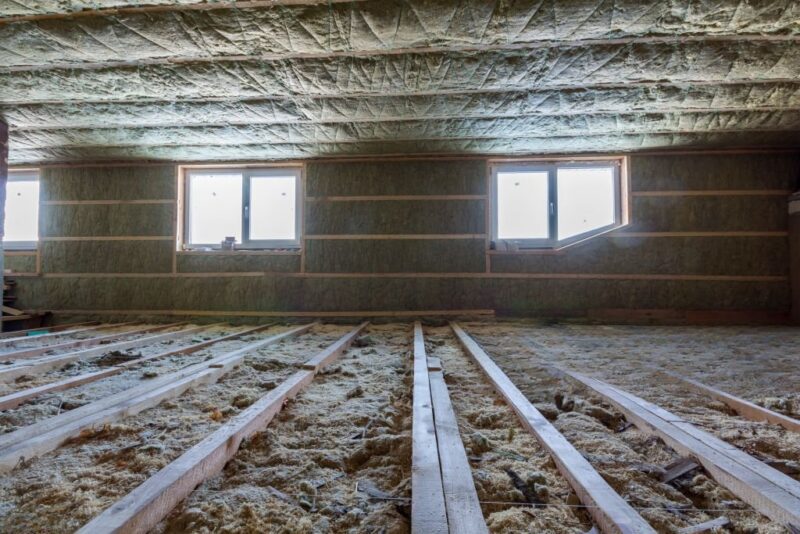
Your home’s construction affects how much heat the air conditioner must remove. Attic insulation, window size and glazing, roof and wall construction, shading, and sun exposure all influence cooling demand. Air leaking through gaps can also introduce outdoor heat and moisture.
When learning how to choose an AC unit, consider these conditions alongside equipment specifications. Tell your contractor about recent insulation upgrades, window replacements, or air-sealing work. Improvements to the building can change cooling requirements, so equipment selection should reflect the home’s current condition and any confirmed changes.
Account for Home Layout, Occupancy, and Planned Renovations
Floor area is only one part of understanding cooling needs. Ceiling heights, room arrangement, and the location of occupied spaces affect how cooling must be delivered. Occupants, lighting, and heat-producing appliances also contribute to the load.
Discuss planned additions, room conversions, or changes in how you use the property before selecting equipment. A home office or enclosed addition may need a different approach from the existing living areas. Share specific plans rather than increasing system capacity for an uncertain future project; the recommendation should match the spaces and conditions being designed for.
Inspect Existing Ductwork and Airflow Before Selecting Equipment
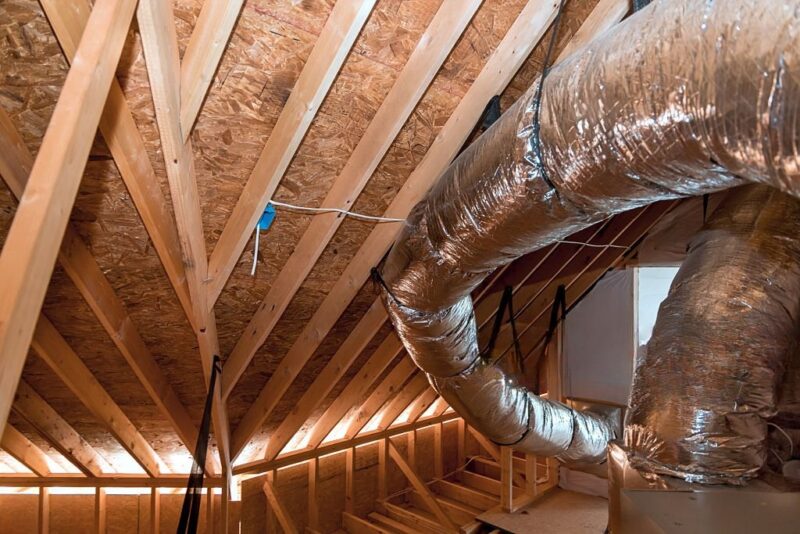
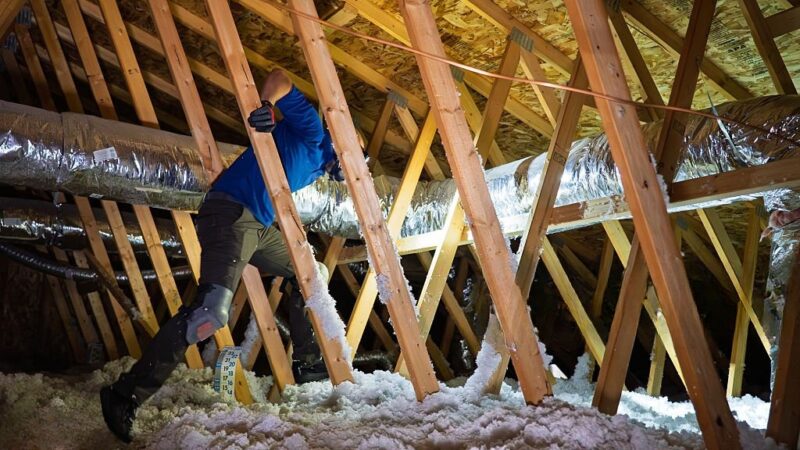
For a ducted system, the distribution network needs to support the proposed equipment. Leaking connections, damaged ducts, restricted returns, or unsuitable duct sizing can contribute to weak airflow and uneven temperatures. Installing a new AC without investigating these conditions may leave comfort problems unresolved.
Ask whether the assessment includes duct condition, return-air capacity, and relevant airflow measurements. The proposal should explain any necessary duct repairs or modifications and their cost. At Dale’s AC, we evaluate these requirements alongside equipment options so your new system and air distribution can work together effectively.
How to Choose an AC Unit With the Right Cooling Capacity
Cooling capacity describes how much heat an air conditioner can remove—not simply how large the equipment looks. When deciding how to choose an AC unit, match its capacity to your home’s calculated needs rather than assuming a larger model will provide better comfort. At Dale’s AC, we help Port Charlotte homeowners understand the sizing recommendation and how it relates to their property.
Request a Manual J Load Calculation Instead of Relying on Square Footage Alone
A Manual J load calculation evaluates factors such as your home’s dimensions, insulation, windows, orientation, air leakage, and indoor heat sources. It provides a more complete basis for sizing than a square-footage rule or the capacity of your existing equipment. Homes with similar floor areas can have different cooling requirements.
Ask your contractor whether a load calculation supports the recommendation and whether it reflects recent improvements or planned renovations. For homes with uneven temperatures, room-by-room calculations can also inform air distribution needs. The assessment should explain the recommended capacity rather than offer a size without supporting details.
Understand BTUs, Tonnage, and Equipment Capacity
Air conditioner cooling capacity is commonly expressed in British thermal units per hour, or BTU/h. One ton of cooling equals 12,000 BTU/h; “tonnage” refers to cooling capacity, not equipment weight. A system’s nominal size helps identify its capacity category, but it does not describe every aspect of its performance.
Ask how the proposed equipment’s documented capacity compares with your home’s calculated load at the intended operating conditions. Capacity and efficiency are different measures: a higher efficiency rating does not mean the system provides more cooling. Both need consideration when choosing the right air conditioner.
Compare the Consequences of Oversized and Undersized Systems
An oversized system may cool the air quickly and shut off before providing adequate moisture removal, particularly when its minimum operating capacity exceeds the home’s needs. This can contribute to temperature swings and a cool but clammy feeling. Variable-capacity equipment offers operating flexibility, but it still needs appropriate selection and setup.
An undersized system may struggle to maintain the desired temperature during demanding conditions. However, long run times alone do not prove a system is undersized; weather, equipment design, airflow, and building conditions also matter. A load calculation and performance assessment provide a stronger basis for selection than observing runtime alone.
Match Equipment Selection to Both Temperature and Moisture Loads
Your AC handles two related tasks: lowering air temperature and removing moisture. These are called the sensible load and latent load, respectively. A system selected only around temperature reduction may not provide the humidity performance your home needs.
Ask your contractor how the proposed equipment addresses both loads under the design conditions. Compressor operation, blower settings, controls, ductwork, and outdoor air entering the home all affect the result. At Dale’s AC, we consider these factors when discussing equipment so the recommendation supports comfortable temperatures and appropriate moisture management.
Comparing AC Units for a House: Which System Type Fits Your Home?
The right system type depends on the spaces you need to cool, your existing ductwork, available installation space, and heating requirements. When comparing AC units for a house, consider how each option would fit your property rather than assuming one design is best for every home. These categories can overlap: for example, a heat pump may use ductwork or operate as a ductless mini-split.
Central Split Air Conditioners for Homes With Suitable Ductwork
A central split air conditioner uses connected indoor and outdoor components to cool air distributed through ducts. It is an option for whole-home cooling when the ductwork is appropriately sized, in suitable condition, and able to deliver the required airflow.
Before choosing this system, have the ducts, return-air paths, and installation space assessed. Confirm that the proposed indoor and outdoor components form a compatible combination. A new central AC will not automatically correct leaking ducts, restricted airflow, or uneven air distribution.
Heat Pumps for Combined Cooling and Heating
A heat pump provides cooling and can reverse its operation to supply heating. This makes it an option for Port Charlotte homeowners who want both functions from one system. Ducted and ductless configurations are available, depending on the equipment and installation requirements.
When choosing the right air conditioner, compare a heat pump’s cooling performance alongside its heating capacity, controls, and any backup heating requirements. A heat pump is not automatically more efficient at cooling than a comparable cooling-only AC; compare the specific models, ratings, and installed costs.
Ductless Mini-Splits for Additions, Individual Zones, or Homes Without Ducts
Ductless mini-splits connect an outdoor unit to one or more indoor units without relying on a conventional duct network. They may suit additions, individual rooms, or homes where installing ducts is impractical. Depending on the design, separate indoor units allow different temperature settings in designated areas.
Each space still needs appropriate sizing and equipment selection. Discuss indoor unit placement, refrigerant line routing, condensate drainage, electrical work, and maintenance access before purchasing. A multi-zone system also needs evaluation of how its capacity matches the rooms operating at different times.
Packaged Systems Where Space and Existing Design Support Them
A packaged system houses the main heating or cooling components in a single outdoor cabinet and connects to the home’s ductwork. It may be suitable where the property’s existing configuration supports this arrangement or indoor equipment space is limited. Available designs can include cooling-only equipment or heat pumps.
Ask your contractor to assess placement, duct connections, drainage, electrical requirements, and service access. Replacing an existing packaged system does not mean every new model will fit the same footprint or connections. Include necessary site modifications when comparing installation proposals.
Window and Portable Units for Limited or Temporary Cooling Needs
Window and portable air conditioners can provide cooling for a specific room or serve a temporary need. They generally require less extensive installation than a whole-home system, but suitability depends on room size, electrical supply, window configuration, and the manufacturer’s instructions.
Window units need secure installation, while portable units require appropriate exhaust arrangements and condensate management. Check property or community restrictions before buying. At Dale’s AC, we help you evaluate permanent cooling options so you can distinguish a short-term room solution from a system designed for your home’s broader needs.
How to Select an Air Conditioner for Port Charlotte’s Climate
Port Charlotte’s heat, humidity, and coastal conditions make equipment selection and installation equally important. When deciding how to select an air conditioner, consider how the proposed system will perform at your home—not just its advertised capacity or efficiency. At Dale’s AC, we help you evaluate climate-related requirements alongside your property’s layout, cooling needs, and budget.
Evaluate Cooling Performance During Hot Weather
Ask how the proposed equipment’s cooling capacity compares with your home’s calculated load under local design conditions. A model’s nominal tonnage does not fully describe its performance as outdoor temperatures change. The contractor should use equipment performance data and an appropriate load calculation to support the selection.
Avoid increasing capacity simply because summer afternoons are hot. Oversizing can create other comfort problems, while restricted airflow or inadequate insulation can affect even correctly selected equipment. Choosing the right air conditioner means matching documented performance to the home and addressing installation conditions that could limit it.
Prioritize Humidity Management During Long Cooling Seasons
Comfort depends on moisture removal as well as the temperature shown on your thermostat. Ask how the system will manage humidity during periods when your home needs less temperature reduction but outdoor air remains humid. Capacity control, blower settings, thermostat functions, and air entering the building all influence the result.
Do not assume that every new AC includes a separate dehumidifier or will resolve an existing moisture problem. Persistent humidity may also involve air leakage, duct conditions, ventilation, or water intrusion. Discuss whether the proposed system can address the identified concern or whether additional corrective work is needed.
Consider Coastal Exposure and Manufacturer-Approved Corrosion Protection
Salt exposure can contribute to corrosion, but conditions vary with the property’s location and surroundings. Ask whether the equipment offers manufacturer-approved protective features suited to the installation site. Compare the specific model’s materials, available coatings, maintenance instructions, and warranty exclusions rather than relying on a general “coastal-ready” description.
Avoid applying aftermarket coatings or cleaning chemicals without confirming manufacturer approval. Unsuitable treatments may affect equipment performance or warranty coverage. Keep required maintenance and service access in mind when comparing long-term ownership costs.
Discuss Outdoor Placement, Drainage, and Storm-Related Installation Requirements
Outdoor equipment needs adequate airflow, required clearances, a suitable mounting surface, and access for maintenance. Placement should also account for nearby structures, landscaping, noise-sensitive areas, and drainage. Ask how the installation will manage condensate and avoid directing water where it could damage the property.
Have your contractor confirm applicable permitting, anchoring, elevation, and other site-specific requirements. Discuss appropriate surge protection with a qualified professional and understand that no accessory guarantees protection against every storm-related event. At Dale’s AC, we encourage you to include these installation details in the proposal so your equipment choice reflects the conditions at your Port Charlotte home.
How to Choose an Energy-Efficient Air Conditioner for Your Home
Efficiency matters when comparing cooling systems, but the highest rating does not automatically make a model the best investment. Choosing the right air conditioner means balancing efficiency with suitable capacity, installation quality, comfort features, and total cost. At Dale’s AC, we help Port Charlotte homeowners understand those differences before selecting equipment.
Understand SEER2 and EER2 When Comparing Cooling Efficiency
SEER2 measures cooling efficiency across a range of operating conditions to represent seasonal performance. EER2 measures cooling efficiency at specified test conditions rather than across a cooling season. Higher ratings indicate greater efficiency under the respective testing methods, but neither rating guarantees a particular electricity bill.
Compare SEER2 with SEER2 and EER2 with EER2 across proposed systems. Older SEER and EER ratings use different testing procedures and should not be treated as directly equivalent. Ask your contractor to explain the ratings for the exact equipment combination being quoted.
Check ENERGY STAR Certification and Model-Specific Performance
ENERGY STAR certification can help you identify equipment that meets the program’s applicable efficiency criteria. However, certification does not establish whether a particular system has the right capacity or features for your home. Evaluate it alongside sizing, humidity performance, controls, and installation requirements.
Request documentation for the proposed indoor and outdoor equipment combination rather than relying on a brand-level advertisement. Different combinations can have different certified capacities and efficiency ratings. Confirm that the model numbers in the proposal match the performance information used to explain your options.
Compare Estimated Energy Use Using Consistent Assumptions
Ask for operating-cost estimates that use the same electricity rate, cooling demand, thermostat assumptions, and usage pattern for each proposed system. Comparing estimates based on different conditions can make one model appear more economical than it is. Your existing electricity bills provide useful context, although total household consumption includes more than air conditioning.
Remember that actual energy use also depends on duct leakage, airflow, insulation, maintenance, weather, and occupant habits. A new system’s rating alone cannot establish the savings you will achieve. When considering how to choose an AC unit, request a clear explanation of the assumptions and limitations behind projected savings.
Weigh the Efficiency Premium Against Expected Operating Savings
Compare the additional installed cost of a higher-efficiency option with its estimated annual operating savings. Dividing that price difference by the projected yearly savings provides a simple payback estimate. Treat the result as a planning tool rather than a guaranteed return, since electricity rates, usage, and equipment performance can change.
Also, consider how long you expect to own the home, maintenance expenses, warranty coverage, and comfort features that matter to you. Keep any unconfirmed rebates separate from guaranteed discounts. At Dale’s AC, we help you review these tradeoffs so your selection fits both your cooling needs and your budget.
Single-Stage, Two-Stage, or Variable-Capacity AC: Which Should You Choose?
Compressor capacity control affects how an air conditioner responds as your home’s cooling demand changes. Single-stage, two-stage, and variable-capacity systems offer different operating characteristics, price points, and control requirements. When choosing the right air conditioner, compare those differences alongside proper sizing, humidity performance, and installation costs rather than assuming the most advanced option is always necessary.
Single-Stage Systems: Compare Initial Cost and Operating Characteristics
A single-stage air conditioner operates at one cooling capacity when its compressor is running, then switches off when the thermostat is satisfied. These systems generally have a lower initial price than comparable models with more capacity-control options. They can be a practical choice when correctly sized and installed.
Because output does not adjust to lighter cooling demand, temperature changes between cycles may be more noticeable. Humidity performance depends on sizing, airflow, runtime, and building conditions. Ask whether the proposed system can meet your comfort expectations without paying for features you do not need.
Two-Stage Systems: Evaluate Capacity Options and Comfort Features
A two-stage system provides two compressor capacity levels, allowing it to use lower output when cooling demand is lighter and higher output when needed. Lower-capacity operation can support longer cooling cycles and more consistent temperatures under suitable conditions. It may also help with moisture removal when the equipment and controls are properly configured.
Compare the installed price with a suitable single-stage option and ask which thermostat and blower settings the system requires. Two-stage operation does not eliminate the need for accurate sizing or resolve every humidity problem. Its value depends on how well the available capacity levels match your home’s changing needs.
Variable-Capacity Systems: Assess Modulation, Controls, and Service Requirements
Variable-capacity equipment adjusts compressor output across an operating range instead of using only one or two levels. This allows the system to respond more closely to changing demand within its capacity limits. Depending on the model and setup, it can provide steadier temperatures, quieter operation at reduced output, and useful humidity-control features.
These systems often cost more upfront and may require specific communicating controls or equipment combinations. Ask about minimum operating capacity, compatible thermostats, replacement-part availability, and local service experience. When deciding how to choose an AC unit, evaluate whether those capabilities justify the additional investment for your home.
Distinguish Compressor Capacity Control From Variable-Speed Blower Operation
The compressor controls refrigerant circulation and cooling output, while the indoor blower moves air through the coil and ductwork. A variable-speed blower can adjust airflow, but that description alone does not mean the compressor has variable cooling capacity. Some equipment combines a variable-speed blower with a single-stage or two-stage compressor.
Ask your contractor to identify both features separately in the proposal. Also, confirm how the blower, compressor, and thermostat work together to manage temperature and moisture. At Dale’s AC, we help you compare the complete equipment combination so you understand what each option provides.
Choosing the Right AC Features for Comfort and Indoor Air Quality
Comfort involves more than reaching the temperature on your thermostat. Humidity, airflow, filtration, controls, and operating noise all affect how your home feels. When choosing the right air conditioner, focus on features that address your specific concerns and work with the proposed equipment. At Dale’s AC, we help you distinguish useful capabilities from upgrades that may not fit your needs.
Compare Humidity Controls and Whether Separate Dehumidification Is Needed
Ask how the proposed system manages moisture during both high and low cooling demand. Some equipment offers humidity-related controls that adjust airflow or cooling operation, but these features are not the same as a separate dehumidifier. Their effectiveness depends on equipment selection, setup, and conditions inside the home.
Persistent humidity should be investigated before assuming an additional device is necessary. Air leakage, ventilation, ductwork, or water intrusion may contribute to the problem. If separate dehumidification is recommended, ask how it will integrate with the AC, where collected water will drain, and what maintenance it requires.
Select Filtration That Fits the System’s Airflow Requirements
Filtration should balance particle capture with the airflow your equipment needs. A filter with a higher efficiency rating is not automatically suitable for every system. Its dimensions, design, and resistance to airflow matter alongside its rating.
Ask which filter types the proposed system can accommodate and whether the filter cabinet needs modification. Confirm replacement costs, availability, and access for routine changes. Particle filters do not address every gas, odor, or moisture concern, so any additional air-cleaning recommendation should identify the specific problem it is intended to address.
Check Smart Thermostat Compatibility and Control Requirements
Smart thermostats may offer scheduling, remote adjustments, alerts, and other convenient functions. However, compatibility varies by system. Certain equipment requires a manufacturer-specific or communicating control to access its full capacity range and comfort features.
Before purchasing a thermostat separately, confirm that it supports the proposed compressor, blower, heating equipment, and humidity functions. Ask about wiring requirements, internet-dependent features, and any subscription charges. When considering how to choose an AC unit, include its required controls in the installation price rather than treating them as an afterthought.
Evaluate Zoned Cooling Without Overlooking Duct Design
Zoned cooling allows designated areas to have separate temperature control, but it requires a suitable system design. In ducted installations, dampers, controls, equipment capacity, and airflow must work together as zones open and close. Adding thermostats or dampers alone does not guarantee comfortable results.
Ask how the design maintains appropriate airflow when only a small zone needs cooling. Existing duct restrictions, inadequate returns, or poor insulation may need attention first. For ductless options, discuss indoor unit placement and how the outdoor system’s operating range matches the combined needs of the zones.
Compare Indoor and Outdoor Sound Ratings and Placement
Review model-specific sound information and ask which operating conditions the ratings represent. A sound level measured at reduced capacity may not describe operation at full output. Indoor blower noise, air moving through grilles, and outdoor equipment sound also need separate consideration.
Placement can affect what you hear in bedrooms, living areas, patios, and neighboring properties. Discuss equipment clearances, vibration control, duct sizing, and service access before installation. At Dale’s AC, we consider these details alongside equipment features to help you choose a system that supports comfortable, practical everyday use.
How to Choose an AC Unit That Fits Your Budget
A realistic AC budget includes the equipment, installation work, and expenses that continue after the system is running. When deciding how to choose an AC unit, compare suitable options by their complete cost and the comfort features you will actually use. At Dale’s AC, we help you understand the proposed work so you can make an informed purchase without overlooking necessary expenses.
Compare Complete Installed Costs Rather Than Equipment-Only Prices
An equipment-only advertisement may exclude labor, installation materials, controls, and testing. It may also feature a different equipment combination from the one your home needs. Request written proposals with exact indoor and outdoor model numbers, required controls, and a clear installation scope.
Compare proposals for systems that meet the same cooling requirements. A lower price may reflect fewer included services, different warranty coverage, or less extensive installation work. Ask each contractor to explain those differences before deciding which offer provides better value.
Include Electrical, Ductwork, Drainage, Permit, and Removal Costs
Your installation may require electrical changes, duct repairs, drain modifications, mounting work, permits, or inspections. Removing and disposing of existing equipment may also carry a charge. The necessary work depends on your property and the proposed system, so confirm what applies after the home assessment.
Ask which costs are included, which are optional, and which remain subject to further investigation. The proposal should explain how unexpected work will be priced and approved. Including these expenses upfront gives you a more useful budget than relying on a starting price.
Account for Maintenance, Filters, Repairs, and Long-Term Ownership
Routine service, replacement filters, and potential repairs affect the cost of owning an air conditioner. Compare maintenance requirements, filter availability, and access for service across the systems you are considering. Specialized controls or components may also have different replacement costs.
Review warranty coverage separately from maintenance benefits, since neither necessarily covers every repair expense. Consider expected energy use alongside these ongoing costs and how long you plan to own the home. Choosing the right air conditioner means finding a manageable balance between the purchase price, operating expenses, and your comfort priorities.
Review Financing Terms and Verify Available Incentives Before Budgeting Savings
If you are considering financing, request the written payment schedule, interest terms, applicable fees, and approval requirements. Compare the total amount payable with the project’s quoted price rather than judging affordability by the monthly payment alone. Ask for clarification about promotional conditions and what happens when any introductory period ends.
Treat potential incentives separately from confirmed discounts until eligibility is verified. Check the exact equipment requirements, application deadlines, funding availability, and whether approval is needed before installation. At Dale’s AC, ask our team about available financing options and confirm any applicable incentive details before including those savings in your budget.
Choosing the Right AC Installer in Port Charlotte
The installer you choose affects how well your new air conditioner fits your home and performs after installation. Equipment specifications alone cannot account for sizing, airflow, drainage, and setup. When choosing the right air conditioner, look for a contractor who evaluates your property, explains the recommendation, and documents the work. At Dale’s AC, we encourage you to ask questions before approving an installation.
Verify Applicable Licensing, Insurance, and Relevant Installation Experience
Request the contractor’s license information and verify its status through the appropriate official licensing source. Ask for current proof of insurance and confirm that the company handles the type of installation you need. Experience with central AC, heat pumps, ductless equipment, and specialized controls may differ between providers.
Review recent customer feedback for details about installation quality, communication, and how concerns were resolved. Ask about experience with homes and comfort problems similar to yours. A recognizable equipment brand or a low quote should not replace checking the installer’s qualifications.
Look for a Home Assessment and Documented Equipment Recommendations
A useful recommendation starts with an assessment of your home, existing equipment, ductwork, and comfort concerns. Ask whether a load calculation supports the proposed capacity and how the contractor accounts for insulation, windows, air leakage, and moisture loads. Recommending the same size as your old unit without further evaluation can overlook changed conditions.
The proposal should explain why the equipment suits your property and identify any supporting work needed. If you are comparing options, ask which differences affect comfort, efficiency, or service requirements. Understanding the reasoning helps you evaluate how to choose an AC unit beyond its price or brand.
Request Itemized Proposals With Exact Indoor and Outdoor Model Numbers
Ask each contractor to identify the proposed indoor unit, outdoor unit, thermostat, and other required controls. Exact model numbers allow you to compare documented capacity, efficiency, features, and warranty terms. A general description such as “high-efficiency system” does not provide enough detail for a meaningful comparison.
The written scope should also identify labor, materials, equipment removal, testing, and applicable fees. Separate optional upgrades from work needed for the installation. Clarify exclusions and how changes to the scope or price will be approved.
Confirm Matched Components, Required Permits, and Installation Responsibilities
Confirm that the indoor and outdoor equipment is designed to operate together and that the quoted performance applies to that combination. Ask whether existing components can remain and what effect that would have on compatibility, performance, and warranty coverage.
Establish who handles required permits, inspections, electrical work, drainage changes, and duct modifications. Confirm whether subcontractors will perform any work and who coordinates the project. These responsibilities should be clear before installation begins, including how unexpected site conditions will be addressed.
Ask About Startup Testing, Warranty Registration, and Follow-Up Support
Ask what checks the installer performs before handing over the system. Depending on the equipment, startup procedures may include verifying airflow, refrigerant charge, drainage, thermostat functions, and heating and cooling operation. Request documentation of relevant results and an explanation of basic controls and maintenance.
Also, confirm who completes warranty registration, which deadlines apply, and what paperwork you will receive. Review any contractor-provided labor coverage separately from the manufacturer’s warranty. At Dale’s AC, we encourage you to discuss follow-up support so you know whom to contact if questions or comfort concerns arise after installation.
5 Common Mistakes to Avoid When Choosing an Air Conditioner
1. Assuming a Bigger AC Will Cool Your Home Better
More cooling capacity does not automatically mean better comfort. An oversized system may satisfy the thermostat quickly and cycle off before adequately removing moisture. Depending on its design and setup, this can contribute to temperature swings and a cool but clammy home.
Request a load calculation rather than selecting capacity based only on square footage or the size of your existing unit. Variable-capacity equipment also needs appropriate sizing because its operating range has limits. The goal is equipment that matches your home’s temperature and moisture loads.
2. Replacing Equipment Without Investigating Ductwork or Insulation Problems
Leaking ducts, restricted returns, inadequate insulation, and air leakage can contribute to uneven temperatures and long cooling cycles. Replacing the AC alone may leave those conditions unchanged. You could spend money on new equipment while continuing to experience the same uncomfortable rooms.
Ask your contractor to investigate relevant building and airflow conditions before finalizing the recommendation. Any necessary duct repairs, insulation improvements, or air-sealing work should be discussed alongside equipment selection. Planned improvements may also affect the capacity your home requires.
3. Choosing Solely by Price, Brand, or the Highest Efficiency Rating
A low equipment price may exclude installation work, required controls, or other necessary expenses. A familiar brand offers multiple models with different capabilities, while the highest efficiency rating may come with an added cost that does not suit your priorities. None of these factors should determine the purchase on its own.
When considering how to choose an AC unit, compare complete installed proposals for appropriately sized systems. Review comfort features, documented performance, warranties, service support, and expected ownership costs. Choose the combination that fits your property and budget rather than relying on one selling point.
4. Assuming Every New AC Will Resolve Humidity or Air Quality Concerns
A new system may improve cooling performance, but it will not automatically correct moisture intrusion, unsuitable ventilation, duct leakage, or indoor pollutant sources. Humidity control depends on equipment selection, airflow, controls, and building conditions. Filtration also needs to match both the concern being addressed and the system’s capabilities.
Explain existing dampness, odors, dust, or other concerns during the assessment. Ask which findings support the proposed solution and whether additional work is needed. Avoid treating a purification accessory or upgraded filter as a complete answer to every indoor air quality problem.
5. Overlooking Component Compatibility and Ongoing Maintenance Costs
Indoor and outdoor equipment, thermostats, and other controls need to work together as intended. Keeping an existing component or purchasing a thermostat separately may affect available features, documented efficiency, or warranty eligibility. Confirm the exact equipment combination before approving the installation.
Also, compare filter costs, maintenance requirements, service access, and replacement-part availability. A system’s initial price does not represent its full ownership cost. At Dale’s AC, we help you review these requirements so your choice remains practical to operate and maintain after installation.
Choose Your Home’s AC System With Dale’s AC in Port Charlotte
Choosing a new air conditioner is easier when you understand what your home needs and what each option includes. At Dale’s AC, we help Port Charlotte homeowners compare equipment, installation requirements, and costs. Whether you are replacing an existing system or planning a new installation, we’ll help you make an informed decision based on your property and comfort goals.
Let Us Assess Your Equipment, Home, and Comfort Concerns
Tell us what you want to improve, from uneven temperatures and persistent humidity to operating noise or recurring repairs. Share details about recent insulation upgrades, window replacements, additions, or planned renovations. These changes provide useful context when evaluating your cooling needs.
We assess the existing equipment and relevant installation conditions, including ductwork, airflow, controls, and available space. Our goal is to understand what contributes to your concerns before discussing equipment. This helps us identify whether supporting improvements should be considered alongside a new AC.
Discuss Suitable System Options and Installation Requirements
We’ll explain suitable options and how their capacity, efficiency, controls, and comfort features relate to your home. When discussing how to choose an AC unit, we encourage you to ask which features provide practical benefits and which are optional for your needs.
We’ll also discuss the work required to install the proposed system. This may include duct modifications, electrical changes, drainage work, or new controls, depending on the assessment. Reviewing these requirements together helps you compare complete solutions rather than equipment prices alone.
FAQs About Choosing the Right Air Conditioner
What Should I Look for When Choosing an AC Unit for My Home?
Focus on appropriate cooling capacity, humidity performance, efficiency, installation requirements, and total ownership cost. Compare exact equipment models, warranty coverage, and service support rather than choosing by brand or price alone. A professional home assessment helps establish how to choose an AC unit that addresses your comfort concerns and fits your budget.
What Size Air Conditioner Does My Port Charlotte Home Need?
Your home’s required capacity depends on its construction, insulation, windows, sun exposure, air leakage, occupancy, and other heat sources. Request a Manual J load calculation rather than relying solely on square footage or your existing unit’s size. The contractor should explain how the proposed equipment matches both the temperature and moisture loads.
Is a Heat Pump or Central Air Conditioner Better for My Home?
A heat pump provides cooling and heating, while a cooling-only central air conditioner requires separate heating equipment if heating is needed. Both can use ductwork, and heat pumps also come in ductless configurations. Compare your heating needs, existing setup, model-specific efficiency, controls, and installed costs before deciding which option fits your home.
Is a Higher-SEER2 Air Conditioner Always Worth the Extra Cost?
Not necessarily. Its value depends on the additional installed price, expected cooling use, electricity rates, maintenance costs, and how long you plan to own the home. Compare operating estimates using consistent assumptions. Higher efficiency can reduce electricity needed for cooling, but the rating alone does not guarantee a particular bill reduction or payback period.
Will a Variable-Capacity AC Solve Indoor Humidity Problems?
It may support better moisture management when properly selected and configured, but it does not guarantee a solution. Air leakage, ventilation, duct problems, water intrusion, and control settings can also affect humidity. Have the cause investigated before purchasing equipment, and ask whether building repairs or separate dehumidification are needed alongside the AC.
Can I Keep My Existing Ductwork When Installing a New AC?
Possibly, if it is in suitable condition and can support the proposed equipment’s airflow requirements. Ask for an assessment of duct sizing, leakage, insulation, return-air capacity, and distribution. Necessary repairs or modifications should appear in the installation proposal. New equipment alone may not resolve comfort problems caused by existing ductwork.
Do I Need to Replace Both the Indoor and Outdoor Units?
That depends on component compatibility, condition, manufacturer requirements, and the proposed repair or replacement. Indoor and outdoor units must form an approved combination to deliver the documented performance. Ask whether retaining either component affects efficiency, available features, refrigerant compatibility, or warranty eligibility. Do not assume that matching brand names establishes compatibility.
Which AC Brand Is Best for a Port Charlotte Home?
No single brand is best for every property. Compare specific models based on suitable capacity, humidity features, efficiency, durability, warranty terms, and local parts and service availability. Installation quality and system design also matter. At Dale’s AC, we help you evaluate equipment options around your home’s requirements rather than brand recognition alone.
How Much Does a New AC System Cost to Install?
The installed cost depends on equipment capacity, system type, efficiency, controls, access, and the work your property requires. Electrical changes, duct modifications, drainage, permits, and equipment removal can affect the total. Request an itemized proposal after a home assessment so you can compare complete installation costs rather than equipment-only advertisements.
What Questions Should I Ask Before Approving an Installation Quote?
Ask what supports the sizing recommendation, which exact models are included, and whether all components are compatible. Confirm the complete scope, exclusions, permits, testing, warranty registration, and payment terms. Also, ask how unexpected work is approved and what follow-up support is available. Clear answers make choosing the right air conditioner more straightforward.
Your Next Cool Move Starts with Dale’s AC!
Choosing the right air conditioner starts with understanding your home’s cooling needs, comparing suitable equipment, and reviewing the complete installation cost. Whether you need Air Conditioning Repair in Port Charlotte, AC installation in Port Charlotte, AC maintenance in Port Charlotte, or AC replacement in Port Charlotte, a professional assessment helps guide the decision. Related concerns may also require Indoor Air Quality Services in Port Charlotte or improvements to attic insulation in Port Charlotte. For ongoing ac maintenance, Port Charlotte homeowners should follow equipment-specific recommendations to support dependable operation.
At Dale’s AC as a reliable HVAC company in Port Charlotte, we help you compare your options through our residential HVAC services in Port Charlotte and commercial HVAC services in Port Charlotte. We’ll explain suitable equipment, installation requirements, warranty coverage, and available financing options, including eligibility and payment terms. Call us at (941) 629-1712 or contact us to discuss your comfort concerns and arrange an assessment. Let us help you choose a practical cooling solution that fits your property and budget.