

Air sealing is often associated with lowering energy bills and improving home comfort, but it can also play an important role in indoor air quality. By reducing uncontrolled air leaks around the building envelope, air sealing helps limit the amount of outdoor dust, pollen, moisture, and other pollutants that enter the home. However, air sealing does not mean making a home completely airtight. Instead, the goal is to reduce unwanted air leakage while maintaining appropriate ventilation for healthy indoor air.
When combined with proper filtration, humidity control, and mechanical ventilation, air sealing can support a cleaner, more comfortable indoor environment. Without adequate ventilation, however, a tightly sealed home may not exchange indoor and outdoor air as effectively. In this guide, we’ll explain how air sealing affects indoor air quality, separate common myths from facts, and share practical tips to help homeowners create a healthier, more energy-efficient home.
What Is Air Sealing?
Air sealing is the process of closing gaps, cracks, and openings in a home’s building envelope to reduce uncontrolled air movement. The goal is not to eliminate fresh air, but to limit unwanted leakage so ventilation, humidity, and indoor comfort can be managed more intentionally.
Understanding Air Leakage
Air leakage occurs when outdoor air enters and conditioned indoor air escapes through gaps in the building envelope. This movement can be caused by wind, pressure differences, and the stack effect, which allows warmer air to rise and escape through upper openings while drawing replacement air in through lower areas. Because this airflow is uncontrolled, it may carry dust, pollen, moisture, and other pollutants into the home.
Common Air Leak Locations
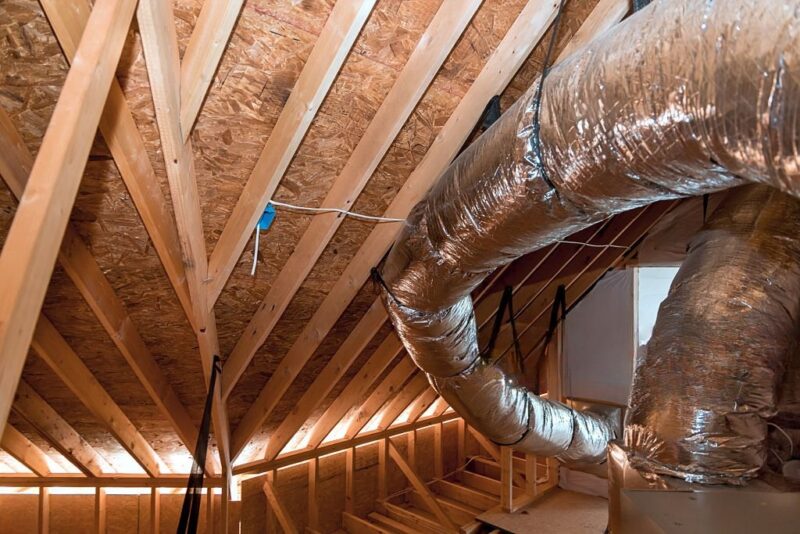
Air leaks often develop around windows, exterior doors, attic penetrations, electrical outlets, plumbing openings, recessed lighting, crawl spaces, and rim joists. Gaps may also exist around duct penetrations, attic access panels, and connections between different building materials. Some leaks are easy to see, while others may require professional testing to locate.
How Air Sealing Is Performed
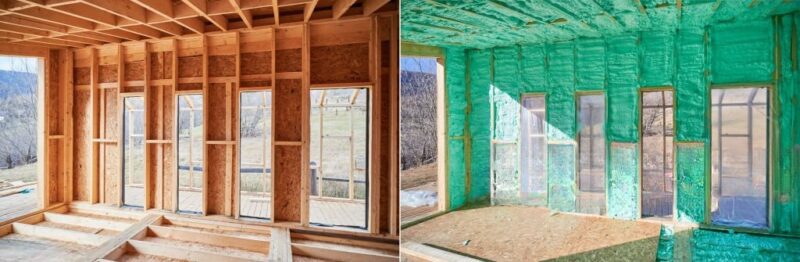
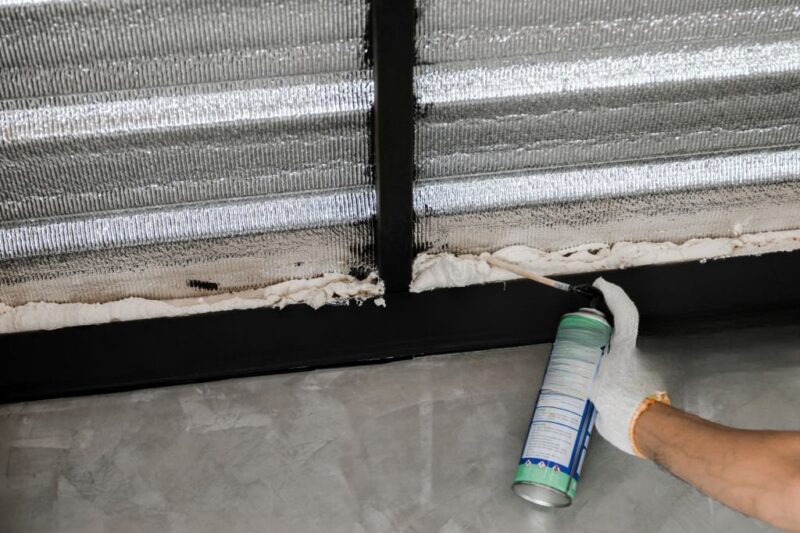
Different materials are used depending on the size and location of the opening. Caulk is commonly applied to narrow cracks and stationary joints, while weatherstripping helps seal movable components such as doors and windows. Spray foam and expanding sealants may be used around larger penetrations, and broader air barrier improvements may be needed in attics, crawl spaces, or wall assemblies. Proper material selection and installation are important to avoid trapping moisture or blocking designed ventilation.
How Air Leakage Affects Indoor Air Quality
Air leaks do more than waste conditioned air. They can also allow outdoor pollutants, moisture, and unfiltered air to enter through gaps in the building envelope. Because this airflow is uncontrolled, it may affect indoor air quality, humidity, comfort, and HVAC performance in ways that are difficult to manage.
Outdoor Pollutants Can Enter the Home
Dust, pollen, smoke, vehicle emissions, and other outdoor allergens may enter through cracks around windows, doors, attic openings, and other gaps. These pollutants can settle on surfaces or circulate through the home, especially during windy weather or periods of poor outdoor air quality. Sealing unwanted entry points can help reduce this uncontrolled infiltration.
Moisture Can Travel Through Air Leaks
In Florida’s humid climate, outdoor air often carries a significant amount of moisture. When that air enters through leaks and contacts cooler indoor surfaces, condensation may form inside walls, around vents, or near building materials. Ongoing moisture migration can contribute to damp conditions, musty odors, and environments that may support mold growth.
Unfiltered Air Bypasses the HVAC System
Air that enters through gaps in the building envelope does not always pass through the HVAC filter first. Leaks around attics, crawl spaces, wall cavities, or return-air pathways may allow dusty, humid, or contaminated air to enter directly. This reduces the opportunity for filtration and may increase the amount of debris circulating indoors.
Air Leakage Can Affect Comfort
Uncontrolled air movement can create drafts, uneven temperatures, and rooms that feel noticeably warmer or cooler than others. These hot and cold spots may cause the HVAC system to run longer in an effort to maintain the thermostat setting. Reducing air leakage can support more consistent comfort while helping the system manage temperature and humidity more effectively.
How Proper Air Sealing Can Improve Indoor Air Quality
When combined with appropriate ventilation and routine HVAC maintenance, proper air sealing can support a healthier indoor environment. By reducing uncontrolled air leakage, homeowners gain greater control over how outdoor air enters the home, allowing the HVAC system and ventilation equipment to perform more effectively.
Reduces Uncontrolled Outdoor Air Infiltration
Air sealing limits the amount of outdoor air entering through unintended gaps and cracks in the building envelope. Instead of relying on random leaks for air exchange, the home can depend more on planned ventilation strategies. This helps create a more predictable indoor environment while reducing unwanted drafts and outside air intrusion.
Helps Limit Dust and Pollen Entry
Many airborne particles enter the home through small openings around windows, doors, attic penetrations, and other leakage points. Sealing these gaps can help reduce the amount of dust, pollen, and other outdoor debris that enters indoors. While air sealing cannot eliminate these particles completely, it may lessen the amount that settles on surfaces or circulates through the home.
Supports Better Humidity Control
In humid climates such as Florida, uncontrolled outdoor air often introduces additional moisture into the home. By reducing air leakage, air sealing helps limit this moisture infiltration, allowing the air conditioner or dehumidification equipment to manage indoor humidity more consistently. Better humidity control may also reduce condensation and musty conditions.
Improves HVAC Efficiency
When conditioned air stays inside the home instead of escaping through leaks, the HVAC system may not have to work as hard to maintain the desired temperature. Reducing unnecessary air leakage can improve overall system efficiency and help the equipment condition indoor air more effectively. Actual energy savings depend on factors such as the home’s construction, climate, and existing insulation.
Supports More Consistent Indoor Comfort
Air leaks often create drafts, uneven temperatures, and rooms that are difficult to heat or cool. Proper air sealing can help reduce these comfort issues by minimizing uncontrolled airflow between indoors and outdoors. The result may be more even temperatures throughout the home and a more comfortable living environment.
Helps HVAC Filtration Work More Effectively
When most of the air entering the home passes through the HVAC system rather than leaking in through gaps, the filter has a greater opportunity to capture airborne particles before they circulate indoors. Air sealing does not improve the filter itself, but it helps direct more air through the intended filtration pathway, supporting the overall effectiveness of the home’s indoor air quality strategy.
Air Sealing Does Not Mean “No Fresh Air”
A properly air-sealed home is not designed to eliminate outdoor air. Instead, air sealing reduces uncontrolled leakage so fresh air can enter through intentional, better-managed pathways. The goal is to replace random airflow through cracks and gaps with ventilation that can be measured, filtered, and adjusted to the home’s needs.
The Difference Between Air Leakage and Ventilation
Air leakage is uncontrolled airflow through gaps around windows, doors, attics, crawl spaces, and other parts of the building envelope. This air may carry dust, pollen, humidity, smoke, or contaminants from garages and unconditioned spaces. Ventilation, by comparison, intentionally supplies outdoor air and removes stale indoor air through designed openings or mechanical equipment.
Why Controlled Ventilation Matters
Controlled ventilation provides a more predictable way to introduce fresh outdoor air. Mechanical ventilation systems can deliver a planned amount of air instead of relying on changing wind and weather conditions. Depending on the system, incoming air may also pass through a filter before it reaches the living space, offering more control than air entering through random leaks.
Tight Homes Still Need Outdoor Air
Daily activities generate moisture, odors, particles, and other indoor pollutants. Occupants produce carbon dioxide and moisture through breathing, while cooking and bathing add heat, humidity, and airborne contaminants. In a tightly sealed home, these conditions may build up without sufficient outdoor-air exchange, making planned ventilation an important part of indoor air quality management.
Energy Recovery Ventilators (ERVs)
Energy recovery ventilators provide balanced ventilation by exhausting stale indoor air while supplying filtered outdoor air. As the two airstreams pass through a recovery core, the system transfers heat and part of the moisture between them without directly mixing the air. This helps precondition incoming air and can reduce part of the heating, cooling, and moisture load associated with fresh-air exchange. In Florida, an ERV may support ventilation, but it does not replace air conditioning or dedicated dehumidification when additional moisture control is needed.
Air Sealing and Humidity Control
Air sealing can play an important role in managing indoor humidity, especially in Florida’s warm, moisture-heavy climate. By reducing uncontrolled outdoor-air infiltration, it helps the HVAC system maintain more stable indoor conditions. However, air sealing should be paired with proper ventilation, drainage, and dehumidification when needed.
Florida’s Humid Climate
Florida’s outdoor air often carries a high amount of moisture, particularly during the long cooling season. When humid air enters through cracks around doors, windows, attics, crawl spaces, or wall penetrations, indoor humidity can rise even while the air conditioner is running. This may contribute to sticky air, musty odors, and moisture buildup on cool surfaces.
Limiting Moist Outdoor Air
Proper air sealing reduces the amount of humid outdoor air entering through uncontrolled gaps in the building envelope. This gives homeowners greater control over how outdoor air is introduced and allows planned ventilation systems to manage fresh-air exchange more effectively. Air sealing does not eliminate moisture on its own, but it can reduce one common source.
Supporting Air Conditioner Performance
An air conditioner removes moisture as it cools the home. When excessive humid air continues entering through leaks, the system must manage a larger cooling and dehumidification load. Reducing infiltration may help the equipment maintain indoor temperature and humidity more consistently, although proper system sizing, airflow, maintenance, and runtime are still essential.
Whole-Home Dehumidifiers
Some Florida homes continue to experience high humidity even after air sealing and HVAC improvements. A whole-home dehumidifier can actively remove excess moisture across multiple rooms, including during mild weather when the air conditioner may not run long enough to dehumidify effectively. The equipment should be professionally sized and integrated with the HVAC system.
Preventing Condensation
Condensation forms when humid air contacts a surface that is cool enough for moisture to collect. Common locations include windows, supply vents, ductwork, and areas around air leaks. Air sealing, insulated ducts, humidity control, and proper ventilation can work together to reduce condensation. Persistent moisture should be investigated promptly because leaks, drainage problems, or damaged insulation may also be involved.
7 Signs Your Home May Benefit From Air Sealing
1. Drafts Around Windows and Doors
Noticeable air movement around closed windows and exterior doors is one of the clearest signs of leakage. Worn weatherstripping, gaps around frames, and poorly sealed thresholds can allow hot, humid outdoor air to enter while conditioned air escapes. Replacing damaged seals or applying the correct caulk may help reduce these drafts.
2. Rooms That Are Difficult to Keep Comfortable
Some rooms may remain warmer, cooler, or more humid than the rest of the home because of air leaks around walls, ceilings, windows, or attic penetrations. These comfort differences can be especially noticeable in rooms above garages, near attics, or along exterior walls. Air sealing may help, although ductwork, insulation, and HVAC airflow should also be evaluated.
3. High Energy Bills
Uncontrolled air leakage can force the HVAC system to work harder to maintain the thermostat setting. If energy bills rise without a clear change in usage or weather, leaks may be contributing to unnecessary heating or cooling loss. However, dirty filters, aging equipment, duct leaks, and poor insulation can also increase energy use.
4. Dust Builds Up Quickly
Dust that returns soon after cleaning may enter through gaps around doors, windows, attics, crawl spaces, or return-air pathways. Air sealing can help reduce uncontrolled entry of outdoor dust and particles from unconditioned areas. Persistent dust may also point to filtration, duct leakage, or household-source concerns.
5. Indoor Humidity Feels High
Sticky air, window condensation, or musty odors may indicate that humid outdoor air is entering through leaks. In Florida, even small gaps can add a significant moisture load over time. Air sealing may support humidity control, but persistent moisture may also require HVAC adjustments, leak repairs, or dehumidification.
6. HVAC Runs Frequently
A system that cycles often or runs for long periods may be compensating for conditioned air escaping through the building envelope. Reducing leakage can help the home hold temperature more consistently. Frequent operation can also result from equipment sizing, maintenance issues, extreme weather, or duct problems, so a complete evaluation is useful.
7. Pest Entry Around Gaps
Small openings around pipes, doors, vents, siding, and foundation areas can provide entry points for insects and other pests. Sealing these gaps may help limit pest access while also reducing unwanted airflow. Any active infestation should be addressed before openings are sealed to avoid trapping pests inside the structure.
7 Air Sealing Mistakes to Avoid
1. Blocking Designed Ventilation
Not every opening in a home should be sealed. Bathroom exhausts, kitchen range hoods, attic ventilation components, fresh-air intakes, and other designed pathways serve specific purposes. Blocking them can trap moisture, reduce pollutant removal, or interfere with the way the building manages heat and airflow.
2. Sealing Combustion Appliance Air Openings
Fuel-burning furnaces, water heaters, fireplaces, and other combustion appliances may require dedicated air for safe operation. Sealing nearby openings without evaluating combustion requirements can contribute to depressurization or backdrafting concerns. Homes with combustion equipment should be assessed by a qualified professional before major air sealing begins.
3. Ignoring Moisture Problems
Air sealing should not be used to cover active leaks, condensation, damp insulation, or mold-like growth. Trapping moisture inside walls, attics, or crawl spaces may worsen material damage and odors. Roof, plumbing, drainage, and humidity problems should be corrected before affected areas are sealed.
4. Using the Wrong Sealant
Different gaps require different materials. Caulk works well for small, stationary joints, while weatherstripping is intended for movable doors and windows. Larger openings may require spray foam, rigid blocking, flashing, or fire-rated products. Using an unsuitable material may result in poor adhesion, cracking, moisture problems, or unsafe conditions around heat-producing components.
5. Forgetting the Attic
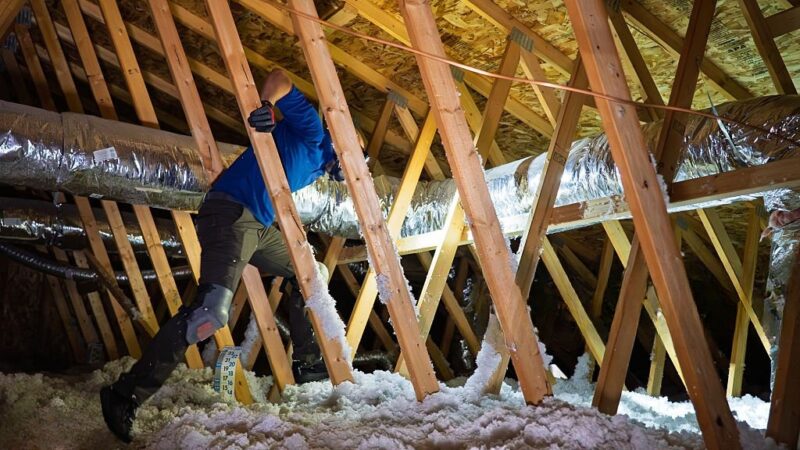
Homeowners often focus on windows and doors while overlooking leaks between the living space and attic. Openings around recessed lights, wiring, plumbing stacks, attic hatches, and duct penetrations can allow significant air movement. These locations should be assessed carefully, particularly where insulation, wiring, or fire-safety requirements are involved.
6. Assuming Air Sealing Alone Improves Air Quality
Air sealing reduces uncontrolled infiltration, but it does not remove indoor pollutants or provide fresh-air exchange by itself. A tighter home may still need appropriate HVAC filtration, source control, exhaust ventilation, humidity management, or an ERV. The best results come from treating air sealing as one part of a whole-home indoor air quality strategy.
7. Skipping Professional Evaluation for Major Projects
Small DIY tasks such as replacing weatherstripping may be manageable for many homeowners, but extensive air sealing should begin with a professional assessment. Blower-door testing, combustion-safety checks, moisture evaluation, and ventilation planning can help identify the most important leaks while reducing the possibility of unintended consequences.
When to Call an HVAC Professional
Small air-sealing projects can improve comfort, but ongoing humidity, airflow, or indoor air quality concerns may involve more than gaps around windows and doors. An HVAC professional can evaluate how the building envelope, ventilation, ductwork, and heating and cooling equipment work together before recommending the right solution.
Persistent Indoor Humidity
If indoor humidity remains high despite repairing leaks, using exhaust fans, and sealing obvious gaps, the HVAC system may need further evaluation. Oversized equipment, short cycling, duct leakage, poor airflow, or inadequate moisture removal can all contribute to sticky indoor conditions and condensation.
Airflow Problems Continue
Weak airflow, uneven temperatures, and rooms that remain difficult to cool may point to duct leaks, crushed flexible ducts, blocked returns, blower issues, or an improperly balanced system. Air sealing may reduce outdoor infiltration, but it cannot correct damaged ductwork or mechanical problems.
Poor Indoor Air Quality Persists
Persistent dust, stale air, musty odors, or recurring particle and humidity concerns may require a whole-home assessment. A technician can inspect filters, coils, drain components, ducts, and ventilation systems to determine whether filtration, maintenance, moisture control, or another service is appropriate.
Ventilation Needs Evaluation
After major air sealing, insulation, or window upgrades, the home may have less natural air exchange than before. A professional can assess occupancy, exhaust equipment, building pressure, and fresh-air needs to determine whether controlled mechanical ventilation should be added or adjusted.
Whole-Home Dehumidification
Portable dehumidifiers may help in individual rooms, but they are often insufficient for moisture problems that affect the entire home. A professionally sized whole-home dehumidifier can provide more consistent control and may operate when the air conditioner is not running long enough to remove moisture effectively.
ERV Installation
An energy recovery ventilator must be sized, ducted, balanced, and coordinated with the existing HVAC system. Professional installation helps ensure the ERV supplies and exhausts the intended amount of air without creating pressure imbalances, excessive humidity, or unnecessary strain on the equipment.
Indoor Air Quality Assessment
A professional indoor air quality assessment can evaluate filtration, ventilation, humidity, airflow, ductwork, HVAC performance, and household conditions together. This broader approach helps identify whether air sealing, maintenance, dehumidification, ventilation improvements, or a combination of solutions is most appropriate.
Why Florida Homeowners Trust Dale’s AC
Air sealing can affect much more than energy use. It also changes how outdoor air, moisture, and pollutants move through the home. Dale’s AC helps Florida homeowners understand how air sealing interacts with ventilation, humidity, airflow, and HVAC performance so each recommendation supports comfort and indoor air quality.
Serving Southwest Florida Since 1974
Dale’s AC has served Southwest Florida homeowners since 1974. Our local experience gives us a practical understanding of the region’s high humidity, long cooling season, seasonal pollen, and year-round HVAC demands.
Indoor Air Quality and Ventilation Evaluations
We evaluate how fresh air enters the home, how stale air is removed, and whether the current ventilation strategy matches the home’s construction and occupancy. This is especially important after major air sealing, insulation, window, or door upgrades that may reduce natural air exchange.
Humidity and Airflow Assessments
Florida homes require careful moisture and airflow management. We assess indoor relative humidity, HVAC runtime, supply and return airflow, static pressure, duct condition, and ventilation performance to identify factors that may be contributing to sticky air, condensation, stale rooms, or uneven comfort.
Whole-Home Indoor Air Quality Solutions
Depending on the home’s needs, Dale’s AC may recommend whole-home solutions such as upgraded air filtration, air purification, dehumidifiers, or energy recovery ventilators. Each option addresses a different concern, and some homes may benefit from a combination of technologies rather than a single product.
HVAC Installation, Repair, and Maintenance
Air sealing works best when the HVAC system is properly sized, maintained, and operating as intended. We provide professional HVAC installation, repair, and maintenance services to support cooling, filtration, drainage, airflow, and humidity control throughout the home.
Personalized Recommendations for Every Home
No two homes have the same construction, ductwork, occupancy, or indoor air quality needs. We evaluate the full system before recommending air quality or ventilation improvements, explain the benefits and limitations of each option, and help homeowners choose solutions that fit their property rather than relying on a one-size-fits-all approach.
FAQs About Air Sealing
Does Air Sealing Improve Indoor Air Quality?
Air sealing may support better indoor air quality by reducing uncontrolled entry of dust, pollen, humid outdoor air, and pollutants from attics, crawl spaces, or garages. However, it works best when combined with proper ventilation, filtration, humidity control, source reduction, and routine HVAC maintenance.
Does Air Sealing Eliminate the Need for Ventilation?
No. Air sealing reduces random leakage through cracks and gaps, but homes still need fresh outdoor air. Controlled ventilation provides a more predictable way to remove stale indoor air and introduce outdoor air without relying on weather, wind, or unintended openings in the building envelope.
Should I Air Seal My Home Before Adding Insulation?
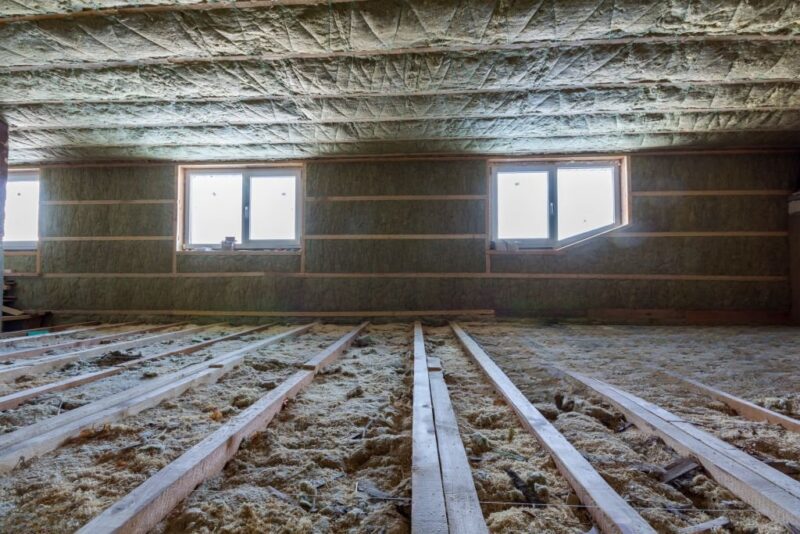
In many cases, air sealing should be completed before additional insulation is installed because insulation can make leaks harder to access later. Sealing attic penetrations, plumbing openings, wiring gaps, and other leakage points first may improve the overall performance of the insulation. Major projects should be planned carefully to avoid blocking designed ventilation or affecting combustion appliances.
Can Air Sealing Reduce Indoor Humidity?
Air sealing may help reduce indoor humidity by limiting the amount of moist outdoor air entering through uncontrolled gaps. This can make it easier for the air conditioner or dehumidifier to manage moisture. However, persistent humidity may also involve HVAC sizing, duct leakage, drainage problems, ventilation, or water intrusion.
Will Air Sealing Lower My Energy Bills?
Air sealing may reduce heating and cooling loss by helping conditioned air remain inside the home. This can lessen part of the workload placed on the HVAC system and may lower energy use. Actual savings depend on the amount of leakage, local climate, insulation, HVAC condition, and household habits.
How Do I Know if My Home Needs Professional Air Sealing?
Drafts, uneven temperatures, high humidity, rapidly returning dust, frequent HVAC operation, and rising energy bills may suggest air leakage. A professional assessment can identify hidden leaks, evaluate ventilation and moisture conditions, and determine whether air sealing, insulation, duct repair, HVAC service, or a combination of improvements is appropriate.
Don’t let Comfort Slip Through the Cracks!
Proper air sealing can reduce uncontrolled outdoor air infiltration, support humidity management, and help the HVAC system maintain more consistent indoor conditions. When paired with ventilation, filtration, routine AC maintenance in Port Charlotte, and properly installed attic insulation in Port Charlotte, it can become an important part of improving indoor air quality in Port Charlotte. However, air sealing should be planned carefully so designed ventilation and fresh-air exchange remain effective.
At Dale’s AC as a trusted HVAC company in Port Charlotte, we can evaluate your home’s airflow, humidity, ventilation, insulation, and HVAC performance before recommending the right improvements. We also provide AC installation in Port Charlotte and air conditioning repair in Port Charlotte, along with indoor air quality solutions tailored to Florida homes. Call us at (941) 629-1712 or contact us to schedule an evaluation and ask about available financing options for qualifying services.