


Indoor air quality problems rarely have a single cause. Dust, humidity, ventilation, filtration, household products, building materials, and HVAC performance can all influence the air inside your home. Because these factors often work together, choosing the right indoor air quality (IAQ) professional is about more than purchasing an air purifier or scheduling a single air quality test. A thorough evaluation helps identify the conditions contributing to the problem before solutions are recommended.
A qualified indoor air quality professional takes a whole-home approach by evaluating your HVAC system, ventilation, humidity levels, airflow, filtration, and potential pollutant sources. Instead of relying on guesswork or one-size-fits-all products, they recommend solutions based on your home’s unique construction, occupancy, and indoor environment. In this guide, we’ll explain what to look for when choosing an indoor air quality professional, the questions to ask before hiring one, and how a comprehensive assessment can help you make informed decisions about improving your home’s air quality.
When Should You Consider Hiring an Indoor Air Quality Professional?
Some indoor air quality concerns can improve with routine cleaning, filter replacement, ventilation, or humidity control. However, problems that continue despite these efforts may involve the HVAC system, ductwork, moisture, building materials, or several contributing factors. A professional evaluation can help identify the source before you invest in equipment or services.
Persistent Dust Throughout the Home
Dust that returns quickly after cleaning may point to more than ordinary household buildup. Possible causes include poorly fitted filters, duct leaks, outdoor air infiltration, construction debris, or inadequate filtration. An indoor air quality professional can evaluate the HVAC system and surrounding conditions to determine where the dust may be coming from.
Lingering Odors That Do Not Go Away
Persistent musty, chemical, smoky, or stale odors may originate from moisture, household products, HVAC components, furnishings, or contaminated materials. Air fresheners may temporarily cover the smell, but they do not correct the source. A professional assessment can help determine whether ventilation, cleaning, maintenance, moisture control, or targeted testing is appropriate.
High Indoor Humidity
Indoor air that consistently feels sticky or clammy may indicate excessive humidity. Condensation, musty smells, or moisture around vents and windows are other signs that deserve attention. HVAC sizing, airflow, ventilation, duct leakage, and water intrusion can all affect humidity, so the entire home should be evaluated rather than relying only on a portable dehumidifier.
Uneven Airflow or Stuffy Rooms
Rooms that receive weak airflow or regularly feel stale may have blocked vents, inadequate return air, duct leaks, balancing issues, or limited outdoor-air exchange. A professional can measure airflow, inspect the duct system, and review ventilation to determine whether maintenance, repair, or equipment adjustments are needed.
Allergy-Like Symptoms Indoors
Sneezing, congestion, irritated eyes, or similar symptoms that seem more noticeable indoors may prompt homeowners to consider an air quality evaluation. These symptoms can have many possible causes, including pollen, dust, pet dander, humidity, household products, or unrelated medical conditions. An IAQ professional cannot diagnose a health condition, but they can assess whether filtration, ventilation, moisture, or HVAC concerns may be affecting the indoor environment.
Concerns After Renovations or New Construction
Painting, flooring installation, cabinetry, drywall work, and other construction activities may introduce dust, odors, and volatile organic compounds into the home. If concerns continue after cleanup and ventilation, an evaluation can help determine whether residual debris entered the HVAC system or whether additional ventilation, filtration, or source control is needed.
Indoor Air Quality Monitor Shows Ongoing Issues
Repeated high readings for humidity, particulate matter, carbon dioxide, or TVOCs may justify professional review, especially when the values remain elevated after obvious sources are removed. Consumer monitors are useful for tracking trends, but they cannot identify every pollutant or diagnose the cause. A professional can interpret the readings alongside the home’s HVAC, ventilation, airflow, and moisture conditions.
What Does an Indoor Air Quality Professional Do?
An indoor air quality professional evaluates the conditions that influence the air inside a home and helps identify practical ways to improve them. Rather than focusing on one product or one reading, they look at the HVAC system, ventilation, humidity, airflow, filtration, and possible pollutant sources together.
Evaluates the Entire Home
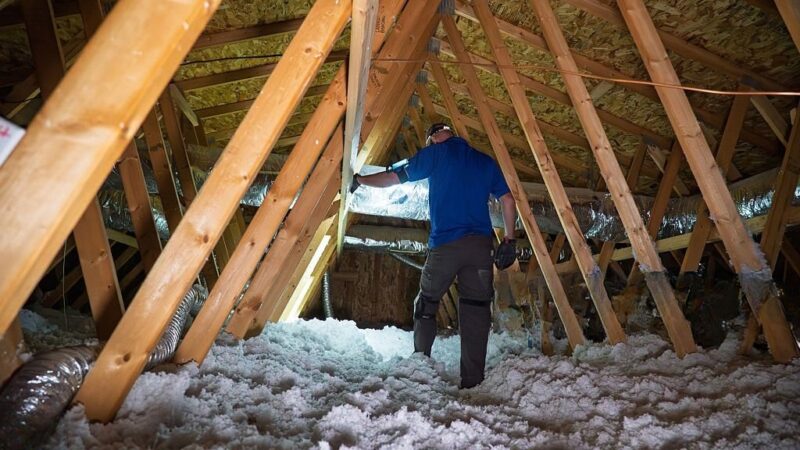
A thorough IAQ assessment considers how the whole home operates. The professional may inspect the HVAC system, review ventilation, measure humidity, evaluate airflow, and check filter type and condition. Looking at these factors together helps reveal whether the concern is limited to one room or connected to a broader system issue.
Identifies Potential Pollutant Sources
Indoor pollutants may come from building materials, furnishings, cleaning products, moisture, pets, cooking, hobbies, or other household activities. An IAQ professional reviews these possible sources and considers when problems occur, how long they last, and which rooms are affected. This helps narrow down the most likely contributors before solutions are recommended.
Assesses HVAC Performance
Because the HVAC system circulates and conditions air throughout the home, its performance is a major part of indoor air quality. The professional may evaluate airflow, inspect the filter, review equipment operation, and assess accessible ductwork for leaks, damage, or restrictions. They may also look at drainage, coil condition, and system runtime when humidity or odors are involved.
Recommends Appropriate Solutions
Recommendations should match the specific concern and the condition of the home. Depending on the findings, solutions may include upgraded filtration, improved ventilation, humidity control, HVAC maintenance, duct repair, or source reduction. In some cases, the best first step may be changing household practices rather than installing new equipment.
Explains Findings Clearly
A qualified professional should explain what was observed, what may be contributing to the problem, and why a particular recommendation makes sense. Homeowners should receive objective guidance rather than pressure to purchase unnecessary products. Clear education about benefits, limitations, maintenance needs, and next steps helps homeowners make informed decisions.
6 Qualifications to Look For
1. Proper HVAC Licensing
Indoor air quality solutions often involve HVAC equipment, ductwork, ventilation systems, or electrical controls. Verify that the contractor holds the appropriate state or local HVAC licenses required for the work they perform. Licensing helps demonstrate that the company meets applicable professional and regulatory requirements.
2. Indoor Air Quality Experience
Not every HVAC contractor specializes in indoor air quality. Ask about the company’s experience evaluating concerns such as humidity, poor ventilation, excessive dust, odors, filtration, and airflow problems. A professional with IAQ experience is more likely to recommend solutions based on the underlying cause rather than a single product.
3. Knowledge of Ventilation and Humidity Control
Effective indoor air quality depends on maintaining the right balance between fresh-air ventilation, humidity control, and filtration. The professional should understand how exhaust fans, energy recovery ventilators (ERVs), whole-home dehumidifiers, and HVAC airflow work together to support a healthy indoor environment, particularly in Florida’s humid climate.
4. Experience With Whole-Home Solutions
Indoor air quality rarely improves with one product alone. Look for a company that offers a range of whole-home solutions, including filtration, air purification, humidity management, ventilation improvements, and HVAC optimization. This allows recommendations to be tailored to your home’s specific needs rather than relying on a one-size-fits-all approach.
5. Ongoing Training and Manufacturer Certifications
HVAC technology and indoor air quality products continue to evolve. Contractors who participate in ongoing training and hold manufacturer certifications often have up-to-date knowledge of equipment installation, maintenance, and performance requirements. While certifications do not guarantee results, they demonstrate a commitment to professional development.
6. Positive Customer Reviews and Reputation
Customer reviews can provide insight into a company’s professionalism, communication, reliability, and service quality. Look for consistent feedback that mentions thorough evaluations, honest recommendations, quality workmanship, and responsive customer service. A strong local reputation built over many years is often a good indicator of dependable service.
6 Questions to Ask Before Hiring an IAQ Professional
1. What Does Your Evaluation Include?
Ask what the indoor air quality assessment covers. A comprehensive evaluation should look beyond one room or one symptom and include factors such as HVAC performance, filtration, airflow, ventilation, humidity, and potential pollutant sources. Understanding the scope of the inspection helps set realistic expectations.
2. Will You Inspect the Entire HVAC System?
Because the HVAC system plays a major role in circulating and conditioning indoor air, it should be part of the evaluation. Ask whether the contractor will inspect components such as filters, evaporator coils, blower assemblies, accessible ductwork, condensate drainage, and overall system operation. A partial inspection may overlook issues affecting indoor air quality.
3. Do You Evaluate Ventilation and Humidity?
Proper ventilation and humidity control are essential for maintaining healthy indoor air. Ask whether the professional measures indoor humidity, evaluates fresh-air exchange, and considers how the home’s ventilation system is performing. In Florida, these factors are especially important because excess moisture can influence comfort and indoor air quality.
4. Do You Recommend Products Only After an Assessment?
Be cautious of contractors who recommend equipment before inspecting your home. A qualified IAQ professional should first identify the likely causes of the problem and then recommend solutions that address those findings. This helps ensure products are selected because they are appropriate, not simply because they are available.
5. Will You Explain the Results?
A good indoor air quality professional should clearly explain what they observed during the evaluation and how those findings relate to your concerns. They should describe the benefits and limitations of each recommendation, answer your questions, and provide practical guidance without relying on technical jargon or high-pressure sales tactics.
6. Do You Offer Ongoing Maintenance?
Many indoor air quality products perform best when they are maintained properly. Ask whether the company provides ongoing HVAC maintenance, filter replacement guidance, equipment inspections, or service plans. Routine maintenance helps filtration, ventilation, dehumidification, and other IAQ systems continue operating as intended over time.
6 Red Flags to Watch For
1. Recommending Equipment Without Inspecting the Home
Be cautious if a contractor recommends an air purifier, dehumidifier, ERV, or other equipment before evaluating your home. Without inspecting the HVAC system, ventilation, humidity, airflow, and potential pollutant sources, it is difficult to know whether a product will address the underlying concern.
2. Promising to Solve Every Air Quality Problem
No single product or service can eliminate every indoor air quality issue. Dust, humidity, odors, VOCs, ventilation, filtration, and household activities all require different approaches. Be skeptical of claims that guarantee complete removal of all pollutants or promise immediate, universal results.
3. Selling One Product for Every Home
Every home has different construction, occupancy, HVAC equipment, and indoor air quality challenges. If every customer receives the same recommendation regardless of their situation, the solution may not be tailored to the home’s actual needs. A qualified professional should explain why a specific product or combination of solutions is appropriate for your property.
4. Skipping Humidity and Ventilation Evaluations
Humidity and ventilation are essential parts of indoor air quality, especially in Florida. A contractor who focuses only on filtration while ignoring moisture control or fresh-air exchange may overlook important contributors to the problem. Comprehensive evaluations should consider all of these factors together.
5. No Discussion of Source Control
Improving indoor air quality often begins with reducing or removing the source of the pollutant. Whether the issue involves moisture, household chemicals, smoke, construction materials, or dust, source control should be part of the conversation. Equipment alone may not solve the problem if the source remains unchanged.
6. High-Pressure Sales Tactics
A reputable indoor air quality professional should educate homeowners and provide objective recommendations rather than creating urgency to purchase equipment immediately. If you feel pressured to make a decision before receiving a clear explanation of the findings, it may be wise to seek another opinion. Trustworthy contractors answer questions, explain options, and allow homeowners time to make informed decisions.
Why a Whole-Home Evaluation Matters
Indoor air quality is influenced by many interconnected factors. Focusing on a single symptom or purchasing one product without understanding the bigger picture may not resolve the underlying issue. A whole-home evaluation helps identify the conditions affecting your indoor environment so recommendations are based on evidence rather than guesswork.
Indoor Air Quality Is Multifactorial
Dust, humidity, ventilation, filtration, household products, outdoor pollutants, building materials, and occupant activities can all affect indoor air quality. In many homes, several of these factors contribute at the same time. Evaluating them together provides a more complete understanding of the problem and helps prioritize the most effective improvements.
HVAC Performance Affects Air Quality
The HVAC system conditions and circulates air throughout the home, making it a key part of indoor air quality. Airflow, filter condition, equipment operation, ductwork, and maintenance all influence how effectively the system supports comfort and filtration. If the HVAC system is not performing properly, indoor air quality products may not deliver their intended benefits.
Ventilation and Humidity Work Together
Fresh-air ventilation helps dilute indoor pollutants, while humidity control supports comfort and helps manage moisture-related concerns. In Florida, these two factors must be carefully balanced because bringing in outdoor air can also introduce heat and humidity. A whole-home evaluation considers how ventilation, dehumidification, and cooling work together to maintain a healthy indoor environment.
Filtration Alone May Not Solve Every Problem
Upgrading an HVAC filter or installing an air purifier may help address certain airborne particles, but filtration does not correct every indoor air quality concern. Issues related to excessive humidity, inadequate ventilation, volatile organic compounds (VOCs), odors, or pollutant sources may require additional strategies such as source control, ventilation improvements, or moisture management.
Every Home Is Different
No two homes have the same indoor air quality needs. Occupancy, pets, building age, construction materials, home airtightness, local climate, and everyday activities all influence indoor conditions. A personalized evaluation takes these factors into account, allowing recommendations to match the home’s specific characteristics instead of relying on a one-size-fits-all approach.
Indoor Air Quality Solutions an HVAC Professional May Recommend
The right indoor air quality solution depends on what is affecting the home. After evaluating filtration, humidity, ventilation, airflow, ductwork, HVAC performance, and household conditions, a professional may recommend one product, a maintenance service, or a combination of improvements.
High-Efficiency HVAC Filters
A higher-efficiency HVAC filter may capture smaller airborne particles such as dust, pollen, pet dander, and some smoke-related debris. However, the filter must be compatible with the system’s blower capacity and airflow requirements. Choosing a filter that is too restrictive can reduce performance, so a professional should confirm the appropriate size and MERV range.
Whole-Home Air Purifiers
Whole-home air purifiers integrate with compatible HVAC systems and treat air as it circulates through multiple rooms. Depending on the technology used, they may provide supplemental particle control beyond a standard filter. Proper sizing, placement, and maintenance are important for effective operation.
Electronic Air Cleaners
Electronic air cleaners use electrically charged components to attract and collect airborne particles. They may help reduce fine particles when properly installed and maintained, but collection surfaces require routine cleaning. A professional can explain the technology, maintenance needs, and compatibility with the existing HVAC system.
Whole-Home Dehumidifiers
A whole-home dehumidifier actively removes excess moisture throughout the property. This can be especially helpful in Florida homes where high humidity, mild-weather conditions, or short HVAC cycles make moisture difficult to manage. The equipment should be sized according to the home and coordinated with the air conditioner and ventilation system.
Energy Recovery Ventilators (ERVs)
ERVs provide controlled ventilation by bringing filtered outdoor air inside while exhausting stale indoor air. The recovery core transfers heat and part of the moisture between the two airstreams, helping reduce some of the load associated with ventilation. Professional sizing and airflow balancing are essential, particularly in humid climates.
Smart Indoor Air Quality Monitors
Smart IAQ monitors can track conditions such as temperature, humidity, particulate matter, VOCs, and carbon dioxide, depending on the model. They are useful for identifying trends and recurring changes, but they do not clean the air or diagnose the exact cause of a problem. A professional can help homeowners select relevant sensors and interpret readings within the context of the home.
HVAC Maintenance and Airflow Improvements
Sometimes the most appropriate solution is not new IAQ equipment. Replacing dirty filters, cleaning accessible components, clearing condensate drains, repairing duct leaks, balancing airflow, or addressing blower problems may improve comfort and support better indoor conditions. A thorough evaluation helps determine whether maintenance or repairs should come before additional products.
Why Local Experience Matters in Florida
Indoor air quality solutions that work well in a dry or cold climate may not be the best fit for a Florida home. High humidity, extended cooling seasons, coastal exposure, and frequent HVAC use create conditions that require careful planning. A local professional can account for these factors when evaluating ventilation, moisture control, filtration, and equipment performance.
High Humidity Creates Unique Challenges
Florida’s outdoor air contains a significant amount of moisture for much of the year. When humid air enters through doors, windows, duct leaks, or ventilation systems, indoor humidity can rise quickly. A local IAQ professional understands how cooling, dehumidification, ventilation, and air sealing must work together to manage moisture without creating new airflow problems.
Long Cooling Seasons Affect HVAC Operation
Air conditioners in Florida often run for much of the year, which means filters, coils, condensate drains, and blower components experience heavy use. This extended operation can affect maintenance schedules, airflow, and humidity control. A professional familiar with local conditions can recommend service intervals and IAQ equipment that account for year-round cooling demand.
Coastal Climate Considerations
Homes near the coast may be exposed to salt air, wind-driven moisture, and higher outdoor humidity. These conditions can affect exterior HVAC components, ventilation intakes, ductwork, and building materials. Local experience helps contractors recognize how coastal exposure may influence equipment placement, corrosion prevention, and maintenance needs.
Florida Homes Often Need Moisture Management
Some homes continue to feel sticky or develop condensation even when the air conditioner is cooling properly. Oversized equipment, short cycling, duct leakage, limited airflow, and high outdoor humidity can all contribute. A Florida-based professional can determine whether HVAC adjustments, duct repairs, ventilation changes, or whole-home dehumidification may be appropriate.
Local Knowledge Supports Better Recommendations
A contractor who understands Florida’s climate can provide recommendations that reflect local weather patterns, home construction, seasonal pollen, and typical HVAC use. This helps avoid one-size-fits-all solutions and supports a more practical balance between fresh-air ventilation, humidity control, filtration, and comfort.
Preparing for Your Indoor Air Quality Evaluation
A little preparation can help an indoor air quality professional understand your concerns more quickly and make the evaluation more productive. Before the appointment, gather any details that show when the problem started, where it occurs, and whether certain activities or home improvements seem to affect it.
List Your Indoor Air Quality Concerns
Write down the specific issues you have noticed, such as persistent dust, musty odors, high humidity, weak airflow, stuffy rooms, or filters that become dirty unusually quickly. Include which rooms are affected and whether the concern is constant or limited to certain areas.
Note When Problems Occur
Pay attention to when the issue becomes most noticeable. Odors may appear when the HVAC system starts, humidity may rise overnight, or particle readings may increase during cooking or cleaning. Timing can help the professional connect the concern to HVAC operation, occupancy, outdoor conditions, or household activities.
Gather HVAC Maintenance Records
Provide recent maintenance reports, repair invoices, filter information, and equipment details when available. These records can show what services have already been completed, whether recurring problems exist, and how old the HVAC equipment may be. It is also helpful to note when the filter was last replaced and which size and MERV rating you use.
Mention Recent Remodeling or New Furniture
Painting, flooring installation, drywall work, new cabinets, adhesives, and furniture may introduce dust, odors, or VOCs into the home. Tell the professional when these changes occurred and whether the air quality concern began before or after the project. This context can help determine whether source control, ventilation, cleaning, or HVAC inspection should be prioritized.
Share Indoor Air Monitor Readings If Available
If you use an indoor air quality monitor, share screenshots or trend data for humidity, particulate matter, carbon dioxide, or TVOCs. Note where the monitor was placed and what activities occurred during unusual readings. Consumer monitors are not diagnostic tools, but their data may help identify patterns worth investigating during the evaluation.
Why Florida Homeowners Trust Dale’s AC
Choosing the right indoor air quality professional means working with a company that understands how filtration, ventilation, humidity, airflow, and HVAC performance affect the home as a whole. Dale’s AC takes a practical, personalized approach so recommendations are based on the property’s actual conditions rather than a one-size-fits-all solution.
Serving Southwest Florida Since 1974
Dale’s AC has served Southwest Florida homeowners since 1974. Our decades of local experience give us a clear understanding of the region’s heat, humidity, long cooling seasons, and year-round HVAC demands.
Comprehensive Indoor Air Quality Evaluations
We evaluate the factors that may be affecting indoor air quality, including humidity, ventilation, filtration, airflow, ductwork, HVAC performance, and household conditions. This whole-home approach helps identify whether the concern is related to moisture, particles, stale air, equipment operation, or several issues working together.
Whole-Home Indoor Air Quality Solutions
Depending on the findings, Dale’s AC may recommend whole-home air filtration, air purification, dehumidification, energy recovery ventilators, or smart IAQ monitoring. Each solution addresses a different concern, and some homes may benefit from a combination of technologies.
HVAC Installation, Repair, and Maintenance
Indoor air quality depends heavily on how well the HVAC system operates. We provide professional installation, repair, and maintenance services to support cooling, airflow, filtration, drainage, ventilation, and humidity control. Routine service can also uncover issues that may reduce the effectiveness of indoor air quality equipment.
Personalized Recommendations Based on Your Home
Every home has different construction, occupancy, pets, equipment, and indoor air quality priorities. We assess these factors before recommending products or services and explain the benefits, limitations, maintenance requirements, and compatibility of each option. Our goal is to help homeowners make informed decisions based on their property, not assumptions.
FAQs About Choosing an Indoor Air Quality Professional
Should I Have My Indoor Air Tested?
Testing may be helpful when there is a specific concern, such as a persistent chemical odor, suspected pollutant, ongoing moisture issue, or unusual monitor reading that cannot be explained through a basic inspection. However, not every home needs laboratory testing. A whole-home IAQ evaluation can help determine whether testing is appropriate and which pollutant should be investigated.
Can One Product Solve Every Indoor Air Quality Problem?
No. Indoor air quality may be affected by particles, humidity, ventilation, odors, VOCs, ductwork, HVAC performance, and household activities. Filters, air purifiers, dehumidifiers, and ERVs each address different concerns. The best solution may involve several improvements working together.
How Long Does an Indoor Air Quality Evaluation Take?
The length of an evaluation depends on the size of the home, the complexity of the HVAC system, and the concerns being investigated. A focused assessment may be relatively brief, while a more detailed whole-home evaluation can take longer. The professional should explain the expected scope before the appointment.
What Should I Expect During an IAQ Inspection?
The professional may review your concerns, inspect the HVAC equipment, check filters, assess airflow, measure humidity, examine accessible ductwork, and evaluate ventilation. They may also ask about recent renovations, pets, cleaning products, odors, or air monitor readings. Afterward, they should explain their findings and recommend practical next steps.
How Do I Know if My HVAC System Is Affecting Indoor Air Quality?
Possible signs include filters becoming dirty quickly, weak or uneven airflow, recurring dust around vents, musty odors when the system runs, high humidity, or persistent comfort problems. These signs can have several causes, so a professional inspection is the best way to determine whether the HVAC system, ductwork, or another source is involved.
Should I Buy an Air Purifier Before Having an Evaluation?
It is usually better to identify the main concern before purchasing equipment. An air purifier may help with certain airborne particles, but it will not correct high humidity, poor ventilation, duct leaks, or every gas and odor. An evaluation can help ensure the product is appropriate, correctly sized, and compatible with the HVAC system.
How Often Should Indoor Air Quality Be Evaluated?
There is no single schedule that applies to every home. An evaluation may be useful when persistent problems develop, after major remodeling or air sealing, when household needs change, or before installing new IAQ equipment. Routine HVAC maintenance also provides opportunities to review filters, humidity, airflow, and ventilation before larger concerns arise.
Don’t just Clear the Air—Know Who’s Behind It!
Choosing the right professional for indoor air quality in Port Charlotte starts with finding a team that evaluates the whole home rather than recommending a one-size-fits-all product. Filtration, ventilation, humidity, airflow, ductwork, attic insulation in Port Charlotte, and routine AC maintenance in Port Charlotte can all influence indoor conditions, so the best solutions should be based on a thorough assessment of the property.
At Dale’s AC as a trusted HVAC company in Port Charlotte, we provide residential HVAC services in Port Charlotte, including AC installation in Port Charlotte, AC replacement in Port Charlotte, and air conditioning repair in Port Charlotte. We can assess your home, explain our findings, recommend practical improvements, and discuss available financing options for qualifying services. Call us today at (941) 629-1712 or contact us to schedule your professional indoor air quality evaluation.