


Indoor air quality plays an important role in the comfort, performance, and day-to-day operation of commercial buildings. Offices, retail spaces, restaurants, warehouses, healthcare facilities, and hospitality properties all face different air quality challenges based on occupancy, building layout, equipment use, and operating schedules. Dust, fine particles, VOCs, odors, excess humidity, carbon dioxide buildup, and outdoor pollutants can all affect indoor conditions when ventilation, filtration, or HVAC performance is inadequate.
Improving commercial indoor air quality requires a whole-building approach rather than a single product or quick fix. Source control, preventive HVAC maintenance, effective filtration, balanced ventilation, humidity management, and ongoing monitoring all work together to create a more comfortable and reliable indoor environment. In this guide, we’ll explain the most effective indoor air quality solutions for commercial buildings and how businesses can choose improvements based on their facility’s specific needs.
Why Indoor Air Quality Matters in Commercial Buildings
Indoor air quality affects more than how a commercial space smells or feels. It can influence employee comfort, customer impressions, HVAC performance, maintenance demands, and the overall quality of the indoor environment. Because commercial buildings often have higher occupancy and longer operating hours than homes, even small ventilation, filtration, or humidity problems can become more noticeable over time.
Employees Spend Long Hours Indoors
Many employees spend most of the workday inside offices, meeting rooms, break areas, and shared spaces. This daily exposure makes indoor comfort an important part of the workplace environment. Stale air, uneven temperatures, excess humidity, dust, or persistent odors may affect how comfortable and productive a space feels throughout the day.
Customers and Visitors Notice Indoor Conditions
Customers and visitors often form quick impressions based on the way a building feels when they enter. Lingering odors, stuffy rooms, visible dust, or uncomfortable temperature and humidity levels can make a business seem less clean or well maintained. Better indoor conditions can help create a more welcoming and professional experience.
IAQ Can Affect Building Operations
Indoor air quality is closely connected to HVAC operation. Dirty filters, restricted airflow, excess humidity, or poor ventilation can increase equipment runtime and maintenance needs. These conditions may also contribute to higher energy consumption, more frequent filter replacement, and additional wear on system components.
Different Industries Have Different IAQ Needs
Commercial air quality priorities vary by building type. Offices may focus on ventilation and carbon dioxide, while retail stores must manage customer traffic and outdoor pollutants. Restaurants need strong cooking exhaust and odor control, healthcare facilities require specialized filtration and pressure management, and warehouses may need dust or process-emission control. Schools, childcare centers, and hospitality properties also face unique occupancy, cleaning, and ventilation demands.
IAQ Supports a Broader Healthy-Building Strategy
Indoor air quality works together with ventilation, thermal comfort, moisture control, filtration, cleaning, and preventive maintenance. A well-managed building considers all of these factors instead of treating IAQ as a single equipment upgrade. This broader approach helps support more consistent comfort, reliable HVAC performance, and healthier building operations.
7 Common Indoor Air Quality Concerns in Commercial Buildings
1. Airborne Dust and Particulate Matter
Particulate matter includes airborne particles such as PM2.5 and PM10, along with paper dust, warehouse debris, construction residue, and outdoor pollution. These particles may enter through doors, loading docks, ventilation intakes, or building leaks, while everyday activity can resuspend settled dust. Effective filtration, source control, and regular cleaning can help reduce particle buildup.
2. Volatile Organic Compounds
Volatile organic compounds, or VOCs, may be released by cleaning products, new furniture, flooring, paint, office equipment, adhesives, and stored chemicals. Concentrations may rise when multiple sources are present or ventilation is limited. Source reduction, proper storage, and outdoor-air exchange are often more effective than relying on particle filtration alone.
3. Carbon Dioxide Buildup
Carbon dioxide levels often increase in heavily occupied spaces such as conference rooms, classrooms, waiting areas, and open offices. Rising CO₂ can indicate that outdoor-air exchange is not keeping pace with occupancy, although it does not measure every indoor pollutant. Monitoring trends during occupied hours can help facility teams evaluate ventilation performance and adjust schedules or airflow where appropriate.
4. Excess Indoor Humidity
Florida’s humid climate can make moisture control difficult in commercial buildings, especially when large amounts of outdoor air are introduced. Persistent high humidity may contribute to condensation, musty odors, and damage to moisture-sensitive materials. HVAC sizing, ventilation controls, duct insulation, drainage, and supplemental dehumidification may all need to be evaluated.
5. Low Indoor Humidity
Some climate-controlled specialty spaces or seasonally conditioned buildings may experience air that is too dry. Low humidity can affect occupant comfort and may influence certain materials, equipment, or stored products. Humidity targets should reflect the building’s use rather than applying one setting to every commercial environment.
6. Biological Contaminants
Moisture-related growth, pest contamination, standing water, dirty drain pans, and wet insulation can introduce biological contaminants into the indoor environment. These concerns should be addressed at the source by correcting leaks, improving drainage, removing damaged materials, and maintaining HVAC components. Air cleaning alone will not resolve an active moisture or pest problem.
7. Persistent Odors
Commercial odors may come from food preparation, restrooms, waste storage, cleaning products, damp materials, or outdoor sources near air intakes. Odors that travel between rooms may also indicate pressure or ventilation problems. Identifying the source is essential because fragrances and air fresheners may only mask the issue without correcting it.
Where Commercial Indoor Pollutants Come From
Indoor pollutants in commercial buildings can come from people, products, equipment, outdoor air, and moisture problems. Because many sources are active at the same time, identifying where pollutants originate is an important first step before choosing filtration, ventilation, cleaning, or HVAC solutions.
Occupants and Daily Activities
People naturally affect indoor air through breathing, movement, food, personal care products, and everyday activity. High-traffic areas can accumulate more dust and debris, while walking and moving furniture may resuspend settled particles into the air. Perfumes, sprays, and other fragranced products can also contribute to indoor VOC levels.
Building Materials and Furnishings
Carpet, composite wood, adhesives, paint, upholstery, and new construction materials may release dust, fibers, odors, or volatile organic compounds. Emissions are often more noticeable after renovations, new furniture installations, or tenant improvements. Good ventilation and lower-emission materials can help reduce buildup.
Cleaning and Maintenance Products
Disinfectants, aerosols, floor treatments, solvents, fragrances, and pest-control products may introduce gases or fine particles indoors. Improper storage or overuse can increase concentrations, especially in janitorial closets and poorly ventilated service areas. Product selection, correct dilution, sealed storage, and local exhaust all support better source control.
Office and Commercial Equipment
Printers, copiers, electronics, manufacturing equipment, and commercial kitchen appliances may release heat, particles, odors, or gaseous pollutants. High-use equipment should be located in appropriately ventilated spaces, and process-specific exhaust may be needed where pollutant generation is significant.
Outdoor Air Pollution
Vehicle exhaust, wildfire smoke, construction dust, road debris, pollen, and industrial emissions can enter through outdoor-air intakes, open doors, loading docks, or building leaks. Intake placement, filtration, pressure balance, and outdoor air quality conditions all influence how much pollution reaches occupied spaces.
Moisture and Water Intrusion
Roof leaks, plumbing failures, condensation, poor drainage, and HVAC moisture can create conditions that affect indoor air quality. Wet insulation, standing water, and damp building materials may contribute to musty odors or moisture-related growth. Water sources should be corrected promptly before cleaning or air treatment is considered.
10 Signs a Commercial Building May Have an IAQ Problem
1. Persistent Stale or Musty Odors
Odors that remain despite routine cleaning may point to limited ventilation, moisture, contaminated materials, drains, waste areas, or HVAC components. Musty smells deserve particular attention because they may be connected to damp insulation, standing water, or condensation. Identifying the source is more effective than masking the odor with fragrances.
2. Employees Reporting Stuffy Indoor Conditions
When employees consistently describe rooms as stale or stuffy, outdoor-air exchange may not be keeping pace with occupancy. The problem may become more noticeable in enclosed offices, densely occupied areas, or spaces used for long meetings. Ventilation, carbon dioxide trends, and airflow should be reviewed before assuming the issue can be solved with an air purifier alone.
3. Condensation Around Windows or Vents
Condensation on windows, supply diffusers, pipes, or other cool surfaces may indicate excess humidity, inadequate insulation, or uncontrolled outdoor-air entry. Persistent moisture can damage finishes and create conditions that may support biological growth. The moisture source should be corrected promptly.
4. Uneven Temperature or Airflow
Some areas may feel warmer, cooler, or receive less air than others because of duct restrictions, balancing problems, closed dampers, equipment issues, or poor register placement. Uneven airflow can also reduce ventilation effectiveness and allow odors or pollutants to remain concentrated in certain zones.
5. Filters Becoming Dirty Unusually Quickly
Filters that load much faster than expected may reflect heavy dust, outdoor pollution, nearby construction, high occupancy, or air entering through leaks. Incorrect filter sizing or gaps around the filter frame can also allow bypass. Frequent loading should prompt a review of pollutant sources and the HVAC system.
6. Dust Returning Soon After Cleaning
Dust that quickly reappears on desks, shelves, or floors may come from outdoor-air infiltration, renovations, warehouse activity, duct leakage, or inadequate filtration. Cleaning practices should be reviewed alongside HVAC airflow and building pressure to identify why particles continue to circulate.
7. Repeated High Humidity Readings
Persistent high relative humidity may indicate inadequate dehumidification, excessive outdoor-air introduction, HVAC short cycling, water intrusion, or control problems. In Florida, humidity trends should be reviewed across occupied and unoccupied periods because conditions may worsen when schedules or setpoints change.
8. Elevated Carbon Dioxide During Occupied Hours
Carbon dioxide often rises as more people occupy a space, especially when ventilation is limited. Repeatedly elevated readings in conference rooms, classrooms, or shared offices may suggest that outdoor-air delivery is not matching occupancy. CO₂ is a ventilation indicator, not a complete measure of indoor air quality.
9. Recurring Particle or VOC Monitor Alerts
Repeated PM2.5, PM10, or VOC alerts may indicate a recurring source such as cooking, cleaning, printing, construction, outdoor pollution, or stored chemicals. Monitor placement and calibration should be checked before conclusions are drawn. Persistent trends may justify a professional building assessment or targeted testing.
10. Complaints Concentrated in Certain Areas
Complaints that occur mainly in conference rooms, interior offices, break rooms, restrooms, or storage areas may help narrow the source. Conference rooms may have occupancy-related ventilation concerns, while restrooms and break rooms may involve exhaust, moisture, or odors. Storage areas may contain chemicals or materials that require better containment and ventilation.
Start With a Commercial Indoor Air Quality Assessment
A commercial indoor air quality assessment helps identify what is affecting the building before equipment, testing, or corrective work is recommended. Because IAQ concerns may involve occupants, HVAC operation, ventilation, moisture, pollutant sources, or several factors at once, the assessment should review the building as a connected system.
Review Occupant Concerns
Begin by documenting where concerns occur, when they are most noticeable, and how often they happen. Note whether complaints appear during certain building activities, occupancy levels, cleaning schedules, or seasons. Patterns involving specific rooms or times of day can help narrow the likely source.
Inspect the HVAC System
The assessment should include air handlers, filters, evaporator coils, blower components, drain pans, and system controls. A professional can check for dirty components, restricted airflow, drainage problems, worn parts, or control settings that may affect ventilation, humidity, and indoor comfort.
Evaluate Ventilation
Ventilation should be reviewed against actual occupancy and building use. This may include measuring outdoor-air volume, inspecting exhaust systems, checking building pressure, and reviewing operating schedules. A building that receives enough outdoor air when lightly occupied may become under-ventilated during meetings, events, or peak business hours.
Measure Indoor Conditions
Measurements may include temperature, relative humidity, carbon dioxide, particulate matter, and VOC trends. These readings provide useful context when compared across rooms and operating periods. A single measurement rarely tells the whole story, so longer-term patterns are often more valuable.
Inspect Ductwork and Air Distribution
Accessible ductwork and air-distribution components should be checked for leakage, damaged insulation, restrictions, and poor diffuser placement. Supply and return airflow should also be compared to identify imbalances that may cause hot spots, stuffy rooms, odor migration, or uneven ventilation.
Identify Pollutant and Moisture Sources
The assessment should look for sources such as cleaning chemicals, stored materials, water intrusion, nearby outdoor-air contaminants, and emissions from commercial equipment. Outdoor intakes should be inspected for proximity to loading docks, exhaust outlets, traffic, waste areas, or other pollution sources.
Prioritize Solutions Based on Findings
Recommendations should be organized by urgency and expected impact. Immediate corrections may include addressing active leaks, standing water, blocked vents, or unsafe storage practices. Longer-term steps may involve HVAC maintenance, airflow adjustments, filtration upgrades, ventilation changes, equipment replacement, or ongoing IAQ monitoring. This prioritization helps facility managers address the most important concerns first rather than investing in unnecessary products.
Improve Commercial HVAC Filtration
Commercial HVAC filtration should be selected based on building use, pollutant sources, occupancy, and system capacity. A filter that captures smaller particles may provide better filtration, but it must still allow the HVAC equipment to deliver the required airflow without creating excessive resistance.
Understand MERV Ratings
MERV, or Minimum Efficiency Reporting Value, is used to compare how effectively filters capture particles of different sizes. Higher ratings generally indicate stronger particle capture, but they may also create a greater pressure drop across the filter. Commercial filter selection should therefore consider both filtration goals and HVAC compatibility rather than automatically choosing the highest available rating.
Select Filters Based on Building Use
Different facilities have different filtration needs. Offices and retail spaces may focus on dust, pollen, and general occupant comfort, while hospitality properties may place additional emphasis on odors and guest-room conditions. Warehouses may require heavier dust control, food-service facilities may need strategies for cooking particles and grease, and healthcare environments may require specialized filtration and pressure relationships based on applicable standards.
Balance Filtration and Airflow
A restrictive filter can reduce air delivery if the blower and duct system are not designed for the added resistance. This may contribute to uneven temperatures, longer equipment runtime, higher energy use, and increased workload on fans and other components. Static pressure testing can help determine whether an upgraded filter is appropriate for the existing system.
Consider High-Efficiency and HEPA Filtration
High-efficiency or HEPA filtration may be appropriate in healthcare, laboratories, clean spaces, or other specialized environments. However, HEPA filters create significant airflow resistance and often require dedicated housings, stronger fans, sealed installations, and professional system design. They should not be added to standard commercial HVAC equipment without confirming compatibility.
Establish a Filter Replacement Program
Commercial filters should be inspected on a consistent schedule rather than replaced only when they appear heavily soiled. Replacement timing may depend on pressure-drop readings, seasonal pollen, nearby construction, outdoor pollution, building occupancy, and equipment runtime. High-traffic or continuously operated facilities may require more frequent service than lightly occupied buildings.
Document Filter Changes
Facility teams should record the filter-change date, filter size and type, MERV rating, pressure readings, and relevant building conditions. Maintenance records can reveal recurring patterns, support inventory planning, and show whether filters are loading faster during certain seasons, occupancy levels, or nearby construction projects. Consistent documentation also helps technicians evaluate whether filtration changes are improving performance.
Optimize Commercial Ventilation
Commercial ventilation must provide enough outdoor air for the building’s occupancy and use without creating unnecessary humidity, pressure, or energy problems. The best approach combines measured airflow, properly operating exhaust systems, balanced building pressure, and controls that respond to changing occupancy.
Confirm Outdoor-Air Delivery
The amount of outdoor air reaching occupied spaces should be compared with the building’s design requirements, current occupancy, and applicable codes or standards. Actual measured airflow may differ from design airflow because of damper problems, dirty filters, control settings, or equipment changes. Measuring outdoor-air delivery helps confirm whether the system is providing the intended ventilation rate.
Evaluate Exhaust Systems
Restrooms, commercial kitchens, copy rooms, janitorial closets, and chemical-storage areas require effective exhaust to remove odors, moisture, heat, and pollutants at the source. Fans, ductwork, dampers, and discharge locations should be inspected to confirm that contaminated air is being exhausted outdoors rather than leaking into nearby occupied areas.
Balance Supply and Exhaust Air
Supply and exhaust airflow should be coordinated to maintain appropriate building pressure. Excessive exhaust can depressurize the building and draw humid air, vehicle exhaust, or other pollutants through doors and gaps. Too much supply air may create unwanted pressurization and interfere with door operation. Proper balance also helps reduce odor migration between spaces.
Use Demand-Controlled Ventilation When Appropriate
Demand-controlled ventilation adjusts outdoor-air delivery based on occupancy indicators such as carbon dioxide trends, occupancy sensors, or scheduling data. This approach may help provide more ventilation during busy periods and reduce unnecessary airflow when spaces are lightly occupied. Controls should be commissioned carefully so energy management does not come at the expense of adequate air exchange.
Consider Energy Recovery Ventilation
Energy recovery ventilators can exhaust stale indoor air while bringing outdoor air into the building and transferring heat and part of the moisture between the two airstreams. This may reduce some of the cooling and dehumidification load associated with ventilation. In Florida, equipment selection and controls must account for high outdoor humidity, building pressure, and the capacity of the existing HVAC system.
Maintain Outdoor-Air Intakes
Outdoor-air intakes should remain clear of leaves, debris, bird nests, and other obstructions. They should also be inspected for rain intrusion and proximity to vehicle exhaust, loading docks, waste areas, exhaust outlets, or landscaping chemicals. Poor intake placement or maintenance can introduce pollutants directly into the ventilation system, so these components should be included in routine inspections.
Manage Humidity and Moisture
Humidity control is a central part of commercial indoor air quality, especially in Florida. Excess moisture can affect comfort, encourage condensation, damage building materials, and create conditions that may support microbial growth. A successful strategy combines monitoring, maintenance, water-intrusion control, dehumidification, and properly coordinated HVAC operation.
Monitor Relative Humidity
Commercial buildings should track relative humidity across occupied and unoccupied periods rather than relying on a single reading. Recommended targets may vary by building type, equipment, and use, but consistent monitoring can reveal seasonal patterns, problem zones, or humidity increases after operating schedules change. Multi-zone buildings may need sensors in several locations because conditions can differ significantly between floors, rooms, and tenant spaces.
Inspect Condensate Systems
Drain pans, condensate lines, traps, and overflow protection should be inspected regularly. Standing water, clogged drains, damaged pans, or improperly configured traps can contribute to odors, water damage, and moisture around HVAC equipment. Preventive maintenance helps confirm that condensate is collected and removed as intended.
Address Water Intrusion Promptly
Roof leaks, plumbing failures, exterior-envelope problems, flooding, and other water events should be addressed as soon as possible. Wet insulation, ceiling tiles, drywall, flooring, and furnishings may continue releasing moisture into the building and can become more difficult to restore if drying is delayed. Correct the water source first, then evaluate whether affected materials can be dried or need replacement.
Consider Commercial Dehumidification
Some buildings require dedicated dehumidification because of high latent loads, outdoor-air ventilation, or humidity-sensitive operations. Florida’s climate can create moisture problems during shoulder seasons, when cooling demand is lower but outdoor humidity remains high. Commercial dehumidifiers may help maintain more consistent conditions in hotels, healthcare spaces, archives, storage areas, and other facilities with specific moisture requirements.
Prevent Condensation
Condensation often forms when humid air contacts cold ductwork, diffusers, pipes, windows, or other surfaces. Damaged duct insulation, missing pipe insulation, air leakage, and poorly directed supply air can all contribute. Inspecting and correcting these conditions helps reduce dripping, staining, and hidden moisture within walls or ceiling spaces.
Coordinate Humidity Control With HVAC Operation
Humidity management should be coordinated with equipment sizing, runtime, temperature setpoints, reheat strategies, and building automation controls. Oversized equipment may cool the space quickly without running long enough to remove sufficient moisture, while aggressive unoccupied setpoints can allow humidity to rise after hours. Proper commissioning helps ensure cooling, ventilation, and dehumidification systems work together instead of competing with one another.
Use Air Purification and Supplemental Air Cleaning
Commercial air purification can support better indoor air quality when it is selected for a specific pollutant, building type, and HVAC system. Different technologies address different concerns, so equipment should be chosen after a building assessment rather than treated as a universal solution. Filtration, ventilation, source control, humidity management, and maintenance should still work together.
Whole-Building Air Purification
Whole-building air purification systems integrate with central HVAC equipment to treat air as it circulates through multiple zones. Depending on the technology, they may provide enhanced particle capture or supplemental gas-phase filtration across a large portion of the facility. Proper sizing, airflow compatibility, installation, and maintenance are essential because the system must work without creating excessive pressure drop or reducing air delivery.
Portable HEPA Air Cleaners
Portable HEPA air cleaners can provide targeted particle reduction in individual rooms, high-occupancy spaces, or areas with temporary needs. They may be useful in conference rooms, waiting areas, offices, or other spaces where central filtration is limited. Units should be sized for the room, placed where airflow is not obstructed, and maintained according to the manufacturer’s instructions.
Electronic Air Cleaners
Electronic air cleaners use charged-particle collection to attract and remove fine airborne particles. These systems may support particle control when properly installed, but collection cells or plates require routine cleaning to maintain performance. Facility managers should also review product certification, maintenance demands, and compatibility with the existing HVAC system before installation.
Activated Carbon Filtration
Activated carbon can help reduce certain odors, selected gases, and some VOCs. Performance depends on the amount and quality of media, airflow, pollutant concentration, and replacement schedule. Thin carbon layers may saturate quickly, while larger media beds may provide greater capacity. Carbon filtration should supplement source control and ventilation rather than replace them.
UV-C Systems
UV-C systems are commonly installed near evaporator coils, drain pans, or other HVAC surfaces where moisture may support microbial growth. They may help keep illuminated components cleaner when properly designed and maintained. However, UV-C is not a particle filter and should not be treated as an odor-control solution by itself. It works best as part of a broader IAQ strategy.
Specialized Filtration Systems
Some facilities require application-specific systems such as dust collectors, HEPA modules, or bag-in/bag-out filtration. These may be appropriate for industrial processes, laboratories, healthcare environments, or other spaces with strict containment and filtration needs. Specialized systems require professional design, sealed installation, airflow verification, and a documented maintenance program.
Commercial IAQ equipment may include high-efficiency filters, dust collectors, UV systems, air purifiers, and specialized filtration, but the right solution depends on the building’s use, pollutant sources, HVAC capacity, and operational requirements. A professional assessment helps ensure the equipment addresses the actual concern without creating new airflow or maintenance problems.
Implement Indoor Air Quality Monitoring
Indoor air quality monitoring gives facility teams a clearer view of how building conditions change throughout the day. Sensors can help identify recurring patterns, compare zones, and show when ventilation, filtration, humidity control, or maintenance may need attention. Monitoring does not improve the air by itself, but it can support more informed decisions.
Monitor Carbon Dioxide
Carbon dioxide readings can help show how occupancy affects ventilation performance. Levels often rise in conference rooms, classrooms, waiting areas, and other high-density spaces when outdoor-air delivery does not keep pace with the number of occupants. Tracking CO₂ during occupied periods can help facility teams identify rooms that may need ventilation adjustments, although CO₂ is not a complete measure of overall indoor air quality.
Track Particulate Matter
Particle sensors commonly measure PM2.5 and PM10. These readings may increase because of outdoor pollution, cleaning activities, construction, warehouse operations, cooking, or equipment use. Comparing particle trends with building schedules can help identify when and where airborne debris is entering or being generated.
Monitor VOC Trends
VOC sensors can show changes associated with cleaning products, new furnishings, renovations, printing areas, adhesives, or stored chemicals. Most commercial monitors report total VOC trends rather than identifying individual compounds. Repeated elevations may justify better source control, ventilation, storage practices, or targeted professional testing.
Measure Temperature and Relative Humidity
Temperature and humidity readings provide important context for comfort, HVAC performance, and moisture management. Comparing zones can reveal areas that are too warm, too cool, or consistently more humid than the rest of the building. Persistent differences may indicate airflow, equipment, insulation, or control problems.
Use Room-by-Room Monitoring
A single monitor may not represent conditions across an entire commercial building. Room-by-room or zone-based monitoring can identify problem areas, compare floors, and help facility managers prioritize interventions. It can also guide the placement or adjustment of portable air cleaners, dehumidifiers, and other supplemental equipment.
Integrate Sensors With Building Automation
Connected sensors can feed data into a building automation system or facility dashboard. This may support real-time alerts, trend reporting, ventilation control, maintenance notifications, and faster responses to changing conditions. Automation should be carefully commissioned so sensor-based adjustments do not create airflow, humidity, or energy-management problems.
Understand Sensor Limitations
Sensor readings are influenced by calibration, age, placement, airflow, and device quality. A monitor placed near a supply vent, open door, printer, or cleaning area may not reflect general room conditions. Consumer and lower-cost commercial sensors are best used for trends rather than diagnoses. Persistent or unexplained readings may require calibrated professional instruments or targeted environmental testing.
Commercial IAQ monitoring can help facility teams identify changes in particles, VOCs, humidity, temperature, and ventilation-related conditions so corrective action can be more focused and easier to verify.
Improve Cleaning and Source Control
Cleaning and source control are among the most effective ways to improve commercial indoor air quality because they reduce pollutants before those pollutants spread through occupied spaces or enter the HVAC system. Facility teams should focus on product selection, chemical storage, dust prevention, waste management, and local exhaust rather than relying only on air cleaning equipment.
Use Lower-Emission Cleaning Products
Choose cleaning products with lower emissions when they meet the facility’s sanitation and operational needs. Strong solvents, aerosols, and heavily fragranced products may add VOCs or fine droplets to indoor air. Follow manufacturer instructions for dilution, ventilation, storage, and personal protective equipment, and avoid using more product than necessary.
Avoid Unnecessary Fragrances
Scented sprays, plug-ins, diffusers, and fragranced cleaning products may mask odors without correcting the source. They can also introduce additional airborne compounds and may create comfort concerns for some occupants. Persistent odors should be addressed through cleaning, ventilation, moisture control, waste removal, or equipment maintenance.
Store Chemicals Properly
Cleaning supplies, solvents, paints, pesticides, and maintenance chemicals should be kept in labeled, tightly sealed containers. Store them in designated areas with appropriate ventilation and away from occupied rooms and outdoor-air intakes. Incompatible chemicals should be separated according to product guidance and facility safety procedures.
Use Entryway Matting Systems
Commercial-grade entryway mats help capture dirt, moisture, pollen, and outdoor debris before they spread into the building. Matting is especially useful at high-traffic entrances, loading areas, and employee access points. Mats should be long enough to capture debris effectively and cleaned or replaced regularly so they do not become a secondary source of dust or moisture.
Vacuum With HEPA-Equipped Equipment
HEPA-equipped vacuums can help capture fine particles instead of returning them to the room through the vacuum exhaust. Use them on carpets, upholstery, floor edges, and other dust-collecting surfaces. Equipment should be maintained properly, including timely filter and bag replacement, to preserve suction and particle capture.
Control Dust During Renovations
Renovation work can release drywall dust, sawdust, insulation fibers, and other particles throughout a commercial building. Isolate work zones, protect or temporarily seal return-air openings, and use negative pressure when appropriate to prevent dust from migrating into occupied areas. Replace affected HVAC filters and inspect nearby equipment after the project is complete.
Maintain Waste and Storage Areas
Waste areas should use covered bins, follow regular removal schedules, and have adequate ventilation. Storage rooms should remain dry, organized, and free of damaged packaging or unnecessary materials that collect dust. Routine cleaning and pest prevention help reduce odors, debris, and contamination that may spread to nearby spaces.
Control Pollutants at the Source
The best time to manage a pollutant is before it enters the general indoor environment. Local exhaust can capture fumes, heat, particles, or odors near the source, while equipment enclosures may help contain emissions from printers, machinery, or commercial processes. Material substitution and process changes can also reduce the amount of pollution generated in the first place.
10 Common Commercial IAQ Mistakes
1. Treating IAQ as a One-Time Project
Indoor conditions change as occupancy, seasons, equipment, cleaning products, and business operations change. Even after improvements are made, filters, sensors, ventilation systems, and humidity-control equipment require continued inspection and maintenance. A long-term IAQ plan is more effective than a single corrective project.
2. Installing Equipment Without an Assessment
An air purifier, dehumidifier, ERV, or filtration upgrade should not be selected before the building’s actual conditions are evaluated. Without reviewing pollutant sources, airflow, humidity, ventilation, and HVAC capacity, new equipment may fail to address the concern or create additional pressure and maintenance problems.
3. Choosing the Highest MERV Rating Automatically
A higher MERV rating generally captures smaller particles, but it may also increase airflow resistance. Installing a filter that is too restrictive for the existing blower or duct system can reduce air delivery, increase fan workload, and affect comfort. Filter upgrades should follow static-pressure and system-compatibility evaluations.
4. Ignoring Outdoor-Air Intakes
Outdoor-air intakes can introduce vehicle exhaust, loading-dock emissions, construction dust, rain, leaves, bird debris, or landscaping chemicals when they are poorly located or maintained. They should be inspected regularly and included in any ventilation or IAQ assessment.
5. Skipping Humidity Monitoring
A building may maintain the desired temperature while still experiencing excessive moisture. Without humidity monitoring, facility teams may overlook condensation, high latent loads, nighttime moisture increases, or differences between building zones. Sensors should track occupied and unoccupied conditions throughout the year.
6. Relying Only on Air Fresheners
Air fresheners and fragrances may mask an odor temporarily, but they do not correct moisture, waste, drainage, ventilation, or pollutant-source problems. They may also add VOCs to the indoor environment. Persistent odors should be traced to their source and addressed directly.
7. Using Portable Purifiers Without Proper Sizing
Portable air cleaners must be sized for the room and positioned where airflow is unobstructed. Undersized units may provide little benefit, while poorly placed equipment may only recirculate air in a limited area. Filter replacement, noise, electrical access, and room occupancy should also be considered.
8. Ignoring Occupancy Changes
Ventilation that was adequate for one tenant or building layout may no longer meet the needs of a busier workplace, newly added conference room, or reconfigured space. Facility teams should review outdoor-air delivery and controls whenever occupancy, schedules, or room functions change.
9. Deferring HVAC Maintenance
Dirty filters, coils, drain pans, dampers, blowers, and condensate systems can undermine filtration, ventilation, and humidity control. Delayed maintenance may also increase equipment runtime, energy use, and repair needs. Preventive service is a core part of any commercial IAQ plan.
10. Failing to Document IAQ Complaints and Corrective Actions
Without records, it can be difficult to identify patterns or confirm whether an improvement worked. Facility managers should document complaint locations, dates, operating conditions, monitor readings, maintenance work, and follow-up results. Clear records support better troubleshooting and more informed long-term decisions.
Why Florida Businesses Trust Dale’s AC
Commercial indoor air quality depends on how well the building’s HVAC equipment, ventilation, filtration, humidity control, and daily operations work together. Dale’s AC helps Southwest Florida businesses evaluate the full facility before recommending improvements, so solutions are based on actual building conditions rather than a one-size-fits-all product.
Serving Southwest Florida Since 1974
Dale’s AC has served Southwest Florida since 1974. Our decades of local experience give us a practical understanding of the region’s heat, humidity, long cooling seasons, coastal conditions, and year-round commercial HVAC demands.
Commercial Indoor Air Quality Evaluations
We evaluate HVAC performance, filtration, ventilation, humidity, airflow, and building use to identify factors that may be affecting indoor conditions. We also consider occupancy, operating schedules, ductwork, equipment condition, pollutant sources, and zone-specific complaints before recommending corrective action.
Commercial Air Filtration and Purification
Depending on the building’s needs, Dale’s AC may recommend high-efficiency filters, whole-building air purification, electronic air cleaners, or activated carbon options. Each solution addresses a different concern, so equipment selection should reflect the pollutant type, system capacity, maintenance requirements, and desired coverage.
Commercial Humidity and Ventilation Solutions
Florida businesses often need careful coordination between cooling, dehumidification, and outdoor-air ventilation. We can evaluate commercial dehumidification, outdoor-air management, energy recovery ventilators, exhaust systems, and building pressure to help reduce moisture, odor migration, and uncontrolled infiltration.
Smart IAQ Monitoring Recommendations
Smart monitoring can help facility teams track humidity, temperature, carbon dioxide, particulate matter, and VOC trends. We can provide guidance on sensor selection, placement, data interpretation, and potential building automation integration so monitoring supports practical maintenance and ventilation decisions.
Commercial HVAC Installation, Repair, and Maintenance
Reliable indoor air quality begins with dependable HVAC performance. Dale’s AC provides commercial HVAC installation, repair, and preventive maintenance to support airflow, cooling, filtration, drainage, controls, ventilation, and humidity management. Routine service can also identify problems before they disrupt comfort or business operations.
Personalized Recommendations Based on the Facility
Every commercial property has different IAQ priorities. We consider building size, occupancy, industry, existing equipment, room use, and operating schedules before recommending products or services. Our goal is to provide practical solutions that fit the facility’s needs, budget, maintenance capabilities, and long-term operational plans.
FAQs About IAQ Solutions for Commercial Buildings
What Causes Poor Indoor Air Quality in Commercial Buildings?
Poor commercial indoor air quality may result from inadequate ventilation, dirty filters, excess humidity, outdoor pollutants, cleaning chemicals, building materials, water intrusion, equipment emissions, or uneven airflow. In many cases, several factors are involved at the same time, which is why a whole-building assessment is often more useful than focusing on one product or symptom.
How Can Businesses Improve Indoor Air Quality?
Businesses can improve indoor air quality by controlling pollutant sources, maintaining HVAC equipment, replacing filters on schedule, providing appropriate outdoor-air ventilation, managing humidity, and monitoring indoor conditions. Cleaning practices, chemical storage, exhaust systems, and occupant communication should also be included in the IAQ plan.
How Often Should Commercial HVAC Filters Be Changed?
Commercial filter schedules depend on filter type, pressure drop, building use, occupancy, outdoor pollution, and equipment runtime. Some filters may need monthly attention, while deeper media filters may last longer. Facility teams should inspect filters regularly and use manufacturer guidance, pressure readings, and actual loading conditions to determine replacement timing.
What MERV Rating Is Best for a Commercial Building?
There is no single MERV rating that is best for every facility. The appropriate rating depends on the building’s use, filtration goals, blower capacity, duct design, and allowable pressure drop. Higher-efficiency filters may capture smaller particles, but they should only be installed after confirming that the HVAC system can maintain proper airflow.
Can Carbon Dioxide Monitors Evaluate Ventilation?
Carbon dioxide monitors can help show whether ventilation is keeping pace with occupancy, particularly in conference rooms, classrooms, and other densely occupied spaces. Repeatedly elevated readings may indicate that outdoor-air delivery should be reviewed. However, CO₂ does not measure every pollutant and should be interpreted alongside occupancy, airflow, and ventilation data.
Do Commercial Buildings Need Air Purifiers?
Some commercial buildings may benefit from central or portable air purification, but the need depends on the pollutant source, room use, existing filtration, and HVAC system. Air purifiers may help reduce certain airborne particles, while activated carbon may address selected odors or gases. They do not replace source control, ventilation, humidity management, or maintenance.
How Does Humidity Affect Commercial Indoor Air Quality?
High humidity can contribute to condensation, musty odors, material damage, and conditions that may support microbial growth. Low humidity may also affect occupant comfort or sensitive materials. Monitoring, proper HVAC operation, drainage, ventilation control, and commercial dehumidification can help maintain more stable conditions.
Are Portable Air Purifiers Useful in Offices?
Portable air purifiers may be useful for individual offices, conference rooms, waiting areas, or temporary needs when they are properly sized and placed. A unit that is too small or blocked by furniture may provide limited coverage. Filter maintenance, noise, room layout, and the type of pollutant should also be considered.
When Should a Commercial Building Have Professional Air Quality Testing?
Professional testing may be appropriate when a specific contaminant is suspected, monitor readings remain elevated, unexplained odors persist, or occupant complaints continue after basic HVAC and source-control measures. Testing should be targeted to a defined concern rather than performed without a clear purpose.
How Often Should a Commercial IAQ Plan Be Reviewed?
A commercial IAQ plan should be reviewed regularly and whenever building conditions change. Renovations, new tenants, increased occupancy, equipment replacement, space reconfiguration, or recurring complaints may all justify an update. At minimum, facility teams should review monitoring data, maintenance records, filter schedules, ventilation, and corrective actions as part of their annual building-management process.
Make Every Breath Part of the Business Plan!
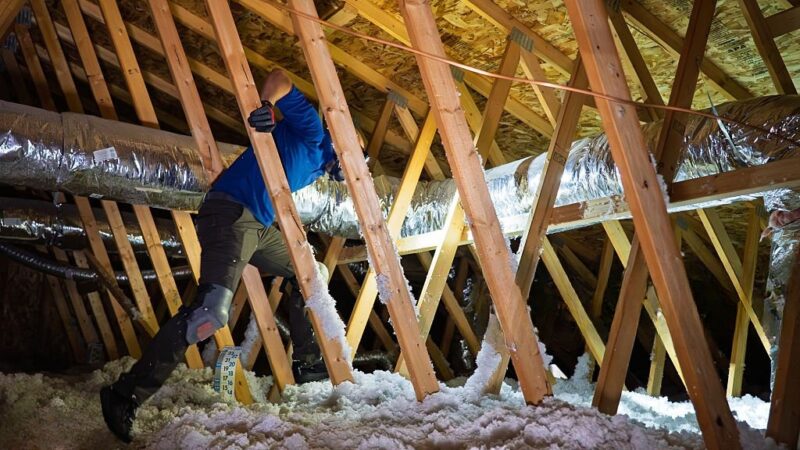
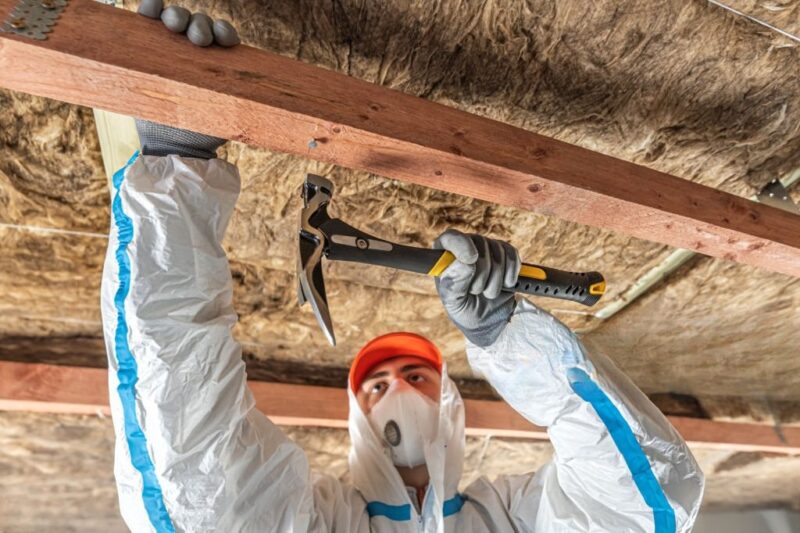
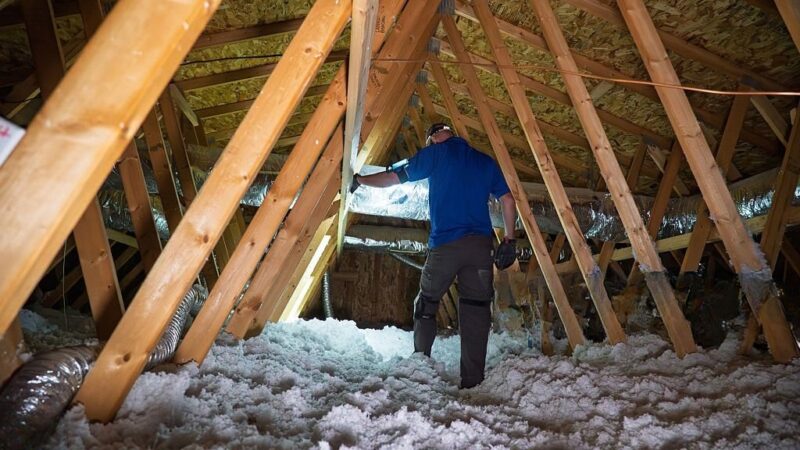
Improving indoor air quality in Port Charlotte commercial buildings requires a coordinated approach that includes source control, ventilation, filtration, humidity management, monitoring, and preventive AC maintenance in Port Charlotte. Building-envelope improvements, including properly installed attic insulation in Port Charlotte, may also support more stable indoor conditions by reducing heat gain and uncontrolled moisture. Because every facility has different occupancy, equipment, operating schedules, and pollutant sources, solutions should follow a professional assessment rather than a one-size-fits-all recommendation.
At Dale’s AC, we provide commercial HVAC services in Port Charlotte and residential HVAC services in Port Charlotte, including AC installation in Port Charlotte, AC replacement in Port Charlotte, and air conditioning repair in Port Charlotte. We can evaluate your facility’s airflow, filtration, ventilation, humidity, HVAC performance, and building use before recommending practical improvements. Call us at (941) 629-1712 or contact us to schedule a commercial indoor air quality evaluation and ask about available financing options for qualifying services.