

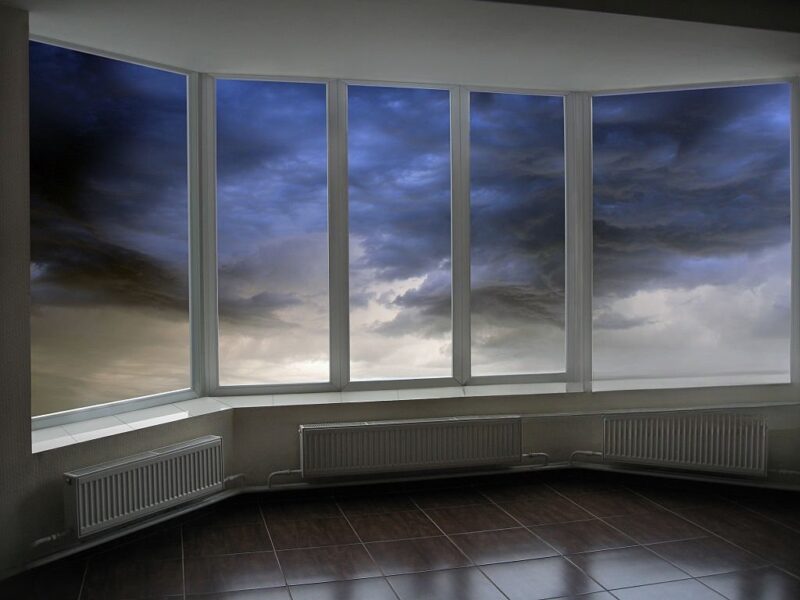
Weather does more than change what you experience outdoors—it can also affect the air inside your home. Changes in temperature, humidity, wind, rain, storms, and outdoor pollution can influence how much outdoor air enters your home, how your HVAC system operates, and how moisture and pollutants behave indoors. This means your indoor air quality can shift with changing weather, even when your daily routines stay the same.
This is especially important in Florida, where high temperatures, persistent humidity, heavy rainfall, and long cooling seasons can place added demands on HVAC and moisture-control systems. Wind can carry pollen, dust, and outdoor pollutants into your home, while storms can increase moisture and create water-intrusion concerns. Understanding these connections can help you make informed decisions about HVAC maintenance, filtration, ventilation, humidity control, and other indoor air quality solutions that keep your home comfortable year-round.
How Weather Influences Indoor Air Quality
Weather conditions can influence indoor air quality by changing how outdoor air moves into and out of a home. Temperature, wind, humidity, and outdoor pollution can affect ventilation, infiltration, and HVAC operation. Because these conditions change throughout the year, the same home may experience different indoor air quality concerns depending on the weather outside.
Outdoor Air Can Enter the Home
Outdoor air can enter through windows and doors, but it can also move through small cracks and gaps around the building envelope. HVAC outdoor-air intakes and exhaust fans intentionally exchange indoor and outdoor air, while pressure differences can draw air through less obvious pathways. When indoor and outdoor temperatures differ significantly, the resulting pressure changes can increase uncontrolled air movement through the home.
Weather Changes Air Exchange Rates
Weather can change how quickly air moves between the indoors and outdoors. Natural ventilation may increase when windows and doors are open, while infiltration can increase when wind creates pressure against the building. Temperature differences can also drive air movement through the building, while mechanical ventilation provides a more controlled form of outdoor-air exchange. Understanding these differences is important because uncontrolled infiltration is not always equivalent to properly designed ventilation.
Outdoor Pollution Can Become an Indoor Concern
The air entering a home may carry outdoor pollutants such as particulate matter, smoke, pollen, vehicle emissions, dust, and pollutants from nearby industrial activity. Wind can increase the movement of these contaminants toward and through a building, while certain weather conditions can cause outdoor pollution to linger. During periods of poor outdoor air quality, keeping windows and doors closed, maintaining appropriate HVAC filtration, and managing ventilation can help reduce the amount of outdoor pollution entering the home.
How Hot Weather Affects Indoor Air Quality
Hot weather can affect indoor air quality in several ways, particularly when homes rely heavily on air conditioning. As outdoor temperatures rise, windows and doors typically remain closed, reducing natural ventilation and increasing dependence on mechanical HVAC systems. If the home does not receive enough controlled outdoor air, pollutants generated indoors can accumulate and remain in the air longer.
Increased Air Conditioning Use
During hot weather, homeowners often keep windows and doors closed to prevent warm air from entering. While this helps the HVAC system maintain indoor temperatures, it also reduces natural air exchange. Without adequate mechanical ventilation, indoor pollutants from cooking, cleaning products, furnishings, and everyday activities may build up.
Heavy air-conditioning use also makes HVAC maintenance more important. Dirty filters, restricted airflow, or poorly maintained equipment can make it harder to maintain consistent temperature and indoor air quality during periods of high demand.
Higher Temperatures Can Increase Some Pollutant Emissions
Higher temperatures can increase the rate at which some materials and products release volatile organic compounds (VOCs) into indoor air. This process, often called off-gassing, may occur with certain building materials, furnishings, adhesives, paints, and household products. Heat can also increase evaporation from products containing volatile chemicals.
Keeping indoor temperatures and humidity within appropriate ranges can help manage these conditions. Proper ventilation and source control are also important when using products that may release VOCs.
Heat Can Affect Indoor Comfort
Extreme heat places additional demands on air-conditioning equipment. HVAC systems may run for longer periods as they work to remove heat and maintain the desired indoor temperature. If the system is undersized, poorly maintained, or experiencing airflow problems, some rooms may remain warmer than others.
Uneven cooling can result in hot spots, longer equipment runtime, and increased energy consumption. Regular HVAC maintenance and proper airflow can help the system respond more effectively during periods of extreme heat.
Heat Waves Can Affect Outdoor and Indoor Air Quality
Heat waves can also influence outdoor air quality. Hot, stagnant conditions may contribute to higher concentrations of certain outdoor pollutants, while prolonged heat and drought can increase wildfire risk in some regions. Smoke from wildfires can contain fine particles that enter homes through open windows, doors, ventilation systems, and small air leaks.
During periods of poor outdoor air quality, homeowners should pay attention to local air-quality conditions and adjust ventilation strategies accordingly. Keeping windows and doors closed when outdoor smoke or pollution levels are elevated, maintaining appropriate HVAC filtration, and using properly sized air-cleaning equipment can help reduce indoor exposure.
How Humidity Affects Indoor Air Quality
Humidity is an important part of indoor air quality because moisture levels can affect comfort, HVAC performance, building materials, and the conditions inside the home. Weather changes can cause indoor humidity to rise or fall, particularly when outdoor moisture levels change or the HVAC system is not operating effectively. Maintaining appropriate indoor humidity can help create a more comfortable and stable indoor environment.
High Outdoor Humidity Can Increase Indoor Moisture
When outdoor humidity is high, humid air can enter the home through ventilation systems, open doors and windows, and small gaps in the building envelope. This can increase indoor relative humidity and place additional demands on the air-conditioning system as it works to remove both heat and moisture.
Infiltration can be especially important when there are gaps around windows, doors, ductwork, or other areas of the building envelope. Proper air sealing can help limit uncontrolled moisture entry, while mechanical ventilation and HVAC systems should be designed and operated to provide necessary air exchange without introducing excessive moisture.
High Indoor Humidity Can Support Moisture Problems
Excessive indoor humidity can increase the likelihood of condensation on cold surfaces such as windows, ducts, and pipes. Persistent moisture may contribute to musty odors and create conditions that support mold growth. Higher humidity can also favor dust mites and may affect moisture-sensitive materials, including wood, drywall, insulation, and furnishings.
If indoor humidity remains elevated despite normal air-conditioning operation, the issue may involve HVAC sizing, airflow, ventilation, drainage, or the need for supplemental dehumidification. Identifying the source of excess moisture is important before choosing a solution.
Low Humidity Can Also Affect Indoor Conditions
While high humidity is a common concern in humid climates, excessively dry indoor air can create its own comfort and building concerns. Low humidity may contribute to dry skin, irritated airways, static electricity, and changes in certain wood or other moisture-sensitive materials.
Indoor humidity can vary with outdoor weather, HVAC operation, ventilation, and seasonal conditions. Monitoring relative humidity can help homeowners understand whether conditions are consistently too high, too low, or fluctuating significantly throughout the day.
Florida Homes Face Year-Round Humidity Challenges
Florida homeowners face humidity concerns for much of the year because of high outdoor moisture levels and a long cooling season. Air conditioning plays an important role in both temperature control and dehumidification, but the system must be appropriately sized and operating correctly to remove moisture effectively.
In some homes, especially those with persistent humidity concerns or high moisture loads, a whole-home dehumidifier may provide additional control. Combined with proper HVAC maintenance, adequate ventilation, air sealing, and moisture management, dedicated dehumidification can help maintain more consistent indoor conditions.
How Wind Changes Indoor Air Quality
Wind can influence indoor air quality by changing how quickly outdoor air and pollutants move around and into a home. Strong winds can increase pressure differences across the building, drive air through small openings, and carry outdoor contaminants toward windows, doors, ventilation openings, and HVAC components. These effects can become more noticeable during storms, high-wind events, or periods of elevated outdoor pollution.
Wind Can Increase Outdoor Air Infiltration
Air can enter a home through cracks and gaps in the building envelope when wind creates pressure against exterior surfaces. Windows, doors, vents, and other openings can become pathways for uncontrolled infiltration, particularly when weatherstripping or seals are damaged.
Increased infiltration can affect more than temperature. It may also bring outdoor humidity, dust, pollen, smoke, and other pollutants indoors. Air sealing can help reduce these uncontrolled pathways while allowing the home to rely more on intentional, controlled ventilation.
Wind Can Carry Outdoor Pollutants
Strong winds can transport dust, pollen, smoke, vehicle emissions, and pollutants from nearby industrial or commercial activity. Depending on wind direction and local conditions, these contaminants may be carried toward the home and enter through openings or ventilation systems.
During periods when outdoor air quality is poor, limiting unnecessary infiltration and maintaining appropriate HVAC filtration can help reduce the amount of outdoor pollution entering the home.
Strong Winds Can Affect HVAC Outdoor-Air Intakes
Outdoor-air intakes are designed to bring fresh air into mechanical ventilation systems, but their location and condition can affect the quality of that incoming air. Strong winds may carry pollutants or debris toward intake openings and can also increase the potential for wind-driven rain to enter improperly protected components.
Outdoor-air intakes should be inspected periodically for leaves, debris, bird nests, obstructions, and signs of rain intrusion. Their location should also be considered in relation to exhaust outlets, driveways, loading areas, and other potential sources of outdoor pollutants.
Air Sealing Can Help Reduce Uncontrolled Infiltration
Air sealing can reduce unwanted outdoor-air movement through cracks and gaps around windows, doors, penetrations, and other parts of the building envelope. Weatherstripping and appropriate sealants can help limit these pathways and improve the home’s ability to maintain consistent indoor conditions.
However, air sealing should not mean eliminating all outdoor-air exchange. A tighter home still needs adequate ventilation to provide fresh outdoor air and remove indoor pollutants. The goal is to reduce uncontrolled infiltration while maintaining intentional ventilation that supports both energy efficiency and indoor air quality.
How Rain and Storms Affect Indoor Air Quality
Rain and storms can temporarily change outdoor air conditions while also creating new moisture concerns inside a home. Precipitation, strong winds, flooding, and water intrusion can all affect indoor humidity and the condition of building materials. After significant weather events, paying attention to moisture and ventilation can help prevent temporary problems from becoming persistent indoor air quality concerns.
Rain Can Temporarily Change Outdoor Particle Levels
Rain can temporarily remove some airborne particles from the atmosphere as precipitation carries them toward the ground. However, outdoor air quality can change quickly before, during, and after a storm as wind, precipitation, and atmospheric conditions shift.
Rain does not permanently eliminate outdoor pollution. Particles and other pollutants may be redistributed through runoff, wind, or changing atmospheric conditions. Homeowners should continue monitoring local outdoor air quality when pollution, smoke, or other contaminants are a concern.
Storms Can Increase Indoor Moisture
Strong storms can introduce moisture into a home through wind-driven rain, roof leaks, damaged plumbing, flooding, or gaps in the building envelope. Water may enter through damaged roofing, windows, doors, walls, or other areas and remain hidden behind building materials.
Even when visible water is removed, moisture can remain in insulation, drywall, flooring, or other materials. Promptly identifying the source of water intrusion is important to prevent prolonged dampness.
Damp Conditions Can Create Indoor Air Quality Concerns
Persistent moisture can contribute to musty odors and create conditions that support mold growth. Wet insulation, damp carpets, upholstered furniture, drywall, and other moisture-sensitive materials may be difficult to dry if they remain saturated for an extended period.
A home may also develop indoor humidity problems after a storm even when there is no obvious leak. Flooding, wet materials, reduced ventilation, and increased outdoor humidity can all contribute to elevated moisture levels.
Post-Storm IAQ Requires Prompt Action
After a significant storm, homeowners should identify and stop any source of water intrusion as quickly as possible. Affected materials should be dried promptly, while standing water and drainage problems should be addressed to limit ongoing moisture exposure.
HVAC equipment exposed to flooding or significant water intrusion should also be inspected before returning to normal operation. If musty odors, condensation, elevated humidity, or damp materials persist after the storm, a professional evaluation can help identify hidden moisture and determine whether additional remediation or HVAC services are needed.
How Cold Weather Affects Indoor Air Quality
Cold weather can change indoor air quality by influencing ventilation, humidity, heating-system operation, and the movement of outdoor pollutants. When temperatures drop, homes are often closed up more tightly, reducing natural air exchange. While this can help conserve heat, it may also allow indoor pollutants to accumulate if there is not enough controlled ventilation.
Homes and Buildings Are Often Sealed More Tightly
During colder weather, windows and doors generally remain closed to keep warm air inside. This reduces natural ventilation and can limit the amount of outdoor air entering the home. Without adequate mechanical ventilation, pollutants from cooking, cleaning products, furnishings, and everyday activities may build up indoors.
Improving a home’s airtightness can support energy efficiency, but air sealing should be balanced with appropriate ventilation. A well-sealed home still needs a reliable way to introduce outdoor air and remove indoor pollutants.
Heating Changes Indoor Air Conditions
Heating systems operate more frequently during cold weather, which can change indoor temperature and humidity. Heated air may feel drier, particularly when outdoor humidity is low, potentially affecting occupant comfort and some moisture-sensitive materials.
Combustion-based heating equipment can also create indoor air quality concerns if it is improperly installed, poorly maintained, or vented incorrectly. Furnaces, boilers, fireplaces, and other fuel-burning appliances should be inspected and maintained as recommended to help ensure combustion gases are safely vented outdoors.
Temperature Inversions Can Affect Outdoor Pollution
Certain weather conditions can create a temperature inversion, where a layer of warmer air traps colder air near the ground. This can limit atmospheric mixing and allow outdoor pollutants to accumulate, particularly in areas with significant traffic, industrial activity, or other emission sources.
When outdoor pollution levels are elevated, pollutants can enter a home through ventilation systems, open windows and doors, or uncontrolled air infiltration. Monitoring outdoor air quality and maintaining appropriate filtration and ventilation strategies can help reduce indoor exposure when these conditions occur.
How Wildfire Smoke and Poor Outdoor Air Quality Affect Indoor Air
Wildfire smoke and other periods of poor outdoor air quality can affect the air inside a home, even when windows and doors are closed. Smoke contains fine particles and gases that can enter through ventilation systems, small gaps, and other pathways. During these events, temporarily adjusting ventilation and filtration strategies can help reduce indoor exposure.
Smoke Can Enter Through Windows and Doors
Smoke can enter quickly when windows or exterior doors are open. Even brief openings can allow outdoor smoke to enter, particularly when outdoor concentrations are high. Keeping windows and doors closed during significant smoke events can help limit direct entry.
Smoke Can Enter Through HVAC Ventilation
HVAC systems that introduce outdoor air can bring smoke indoors when outdoor-air conditions are poor. The amount of smoke entering depends on the system design, ventilation settings, filtration, and outdoor-air intake location.
Homeowners should follow applicable HVAC and public-health guidance during significant smoke events. Ventilation strategies may need temporary adjustment while maintaining safe and appropriate indoor conditions.
Smoke Can Enter Through Small Building Gaps
A home does not need to have an open window for smoke to enter. Small gaps around doors, windows, duct penetrations, vents, and other parts of the building envelope can allow outdoor air to infiltrate.
Proper weatherstripping and air sealing can reduce uncontrolled infiltration. However, air sealing should be balanced with adequate intentional ventilation once outdoor conditions return to normal.
Fine Particles Can Remain Indoors
Wildfire smoke can contain PM2.5, or particulate matter measuring 2.5 micrometers or smaller. These fine particles can remain suspended indoors and may accumulate when smoke continuously enters the building.
Indoor particle levels can also remain elevated after outdoor smoke begins to improve, particularly if contaminated air has entered the home or settled on surfaces. Filtration, cleaning, and appropriate ventilation can help reduce indoor particle concentrations.
HVAC Filtration Can Help Reduce Particle Exposure
A properly selected HVAC filter can help capture a portion of airborne particles as air passes through the system. However, the filter must be compatible with the HVAC equipment and capable of providing adequate airflow without creating excessive resistance.
Portable air cleaners equipped with HEPA filtration can provide additional particle removal in occupied rooms when properly sized. During and after smoke events, HVAC filters and portable air-cleaner filters should also be inspected and replaced according to their condition and the manufacturer’s recommendations.
Ventilation Strategies May Need to Change Temporarily
During significant smoke events, monitor local outdoor air quality and follow current public-health recommendations. Depending on conditions and HVAC design, it may be appropriate to limit unnecessary outdoor-air intake temporarily while keeping windows and doors closed to reduce smoke entry.
Once outdoor air quality improves, normal ventilation should be restored as appropriate. Ventilation remains important for removing indoor-generated pollutants, so long-term strategies should not rely on keeping a home permanently closed off from outdoor air.
How Weather Changes Affect HVAC Performance
Weather conditions directly influence how hard your HVAC system must work to maintain comfortable indoor temperatures and humidity levels. Extreme heat, high outdoor humidity, heavy rain, and changes in outdoor-air conditions can increase system workload and affect airflow, cooling performance, and moisture removal. Because HVAC operation also influences filtration and ventilation, weather-related changes can have an indirect effect on indoor air quality.
HVAC Systems Work Harder During Extreme Temperatures
During periods of extreme heat, air-conditioning systems may run for longer periods to offset increased heat gain through the roof, walls, windows, and doors. Extended runtime is normal during demanding weather, but an aging, poorly maintained, or improperly sized system may struggle to maintain consistent temperatures.
Longer operating periods can also increase wear on components and make existing problems more noticeable. Uneven cooling, weak airflow, unusual noises, or an HVAC system that runs continuously without reaching the desired temperature may indicate that professional service is needed.
Humidity Affects Cooling and Dehumidification
In humid climates, the HVAC system must remove both heat and moisture from indoor air. High outdoor humidity can increase the latent cooling load, requiring the system to work harder to maintain comfortable indoor conditions.
If an HVAC system is oversized, has airflow problems, or is not operating correctly, it may cool the home quickly without running long enough to remove sufficient moisture. Persistent indoor humidity may require an evaluation of equipment sizing, airflow, ventilation, condensate drainage, or supplemental dehumidification.
Dirty Filters Can Become a Bigger Problem During High-Use Periods
HVAC filters can collect dust, pollen, and other airborne particles as air passes through the system. During periods of heavy HVAC use, filters may load more quickly, restricting airflow and making the system work harder.
A clogged filter can reduce air delivery, increase equipment workload, and affect comfort. Checking filters regularly and replacing them according to their condition and manufacturer recommendations can help maintain proper airflow and filtration.
Outdoor-Air Ventilation Changes System Load
Ventilation systems intentionally bring outdoor air into the building, but that air must also be conditioned. During hot or humid weather, introducing more outdoor air can increase the cooling and dehumidification load. During periods of poor outdoor air quality, ventilation strategies may also need to be adjusted appropriately.
Properly designed and controlled ventilation helps balance the need for fresh outdoor air with the HVAC system’s ability to maintain temperature and humidity. An HVAC professional can evaluate outdoor-air delivery, airflow, controls, and building conditions to determine whether ventilation is operating as intended.
Proper HVAC Maintenance Supports More Consistent IAQ
Regular HVAC maintenance helps the system respond more effectively to changing weather while supporting consistent indoor air quality. Routine service may include:
- Filter replacement: Helps maintain airflow and particle filtration.
- Coil cleaning: Supports efficient heat transfer and proper cooling performance.
- Condensate drain maintenance: Helps prevent drainage problems and unwanted moisture.
- Airflow checks: Identify restrictions, imbalances, or other issues affecting air delivery.
- Refrigerant and system-performance checks: Help verify that cooling equipment is operating properly.
Keeping the HVAC system maintained throughout the year can help reduce weather-related performance problems and provide more consistent temperature, humidity, airflow, and indoor air quality.
7 Signs Weather May Be Affecting Your Indoor Air Quality
1. Indoor Humidity Changes With Outdoor Conditions
If indoor humidity rises whenever outdoor humidity increases, your home may be receiving more moisture through ventilation or uncontrolled air infiltration. High indoor humidity can affect comfort and contribute to condensation, musty odors, and other moisture concerns.
2. Dust or Pollen Appears More Quickly
An increase in dust or pollen after windy weather or during certain seasons may indicate that outdoor particles are entering the home. Open windows, doors, air leaks, and HVAC filtration can all influence how much outdoor particulate matter makes its way indoors.
3. Rooms Become Stuffy When Windows Are Closed
A home may feel stale or stuffy when windows remain closed during hot, cold, smoky, or otherwise unfavorable outdoor conditions. If the feeling persists, inadequate mechanical ventilation or poor air distribution may be contributing to the problem.
4. Indoor Temperatures Become Difficult to Maintain
Weather extremes naturally increase HVAC demand, but persistent hot or cold spots may indicate airflow restrictions, equipment problems, insulation issues, or an improperly sized system. If certain rooms consistently struggle to reach the desired temperature, an HVAC evaluation can help identify the cause.
5. Musty Odors Appear After Rain
A musty smell that appears after heavy rain may be associated with increased indoor humidity, water intrusion, damp materials, or drainage problems. Persistent odors should not simply be covered with air fresheners. Identifying and correcting the underlying moisture source is more effective.
6. Condensation Forms on Windows or Vents
Condensation can occur when warm, humid air contacts a sufficiently cold surface. Occasional condensation may occur under certain conditions, but frequent or excessive moisture around windows, vents, ducts, or other surfaces can indicate elevated humidity or an insulation and airflow concern.
7. Smoke or Outdoor Odors Enter the Home
If you notice wildfire smoke, vehicle exhaust, agricultural odors, or other outdoor smells indoors, air may be entering through windows, doors, ventilation systems, or gaps in the building envelope. During periods of poor outdoor air quality, appropriate filtration and temporary ventilation adjustments may help reduce pollutant entry.
HVAC Runs Longer During Weather Extremes
Longer HVAC runtime is expected during extreme heat or cold, but an unusual increase in runtime can reveal an underlying issue. Dirty filters, restricted airflow, refrigerant problems, poor insulation, or equipment that is struggling to meet the load can all affect system performance.
Indoor Air Quality Monitor Readings Change With Weather
Indoor air quality monitors may show changes in temperature, relative humidity, particulate matter, or VOC readings as outdoor conditions change. Looking at trends over time can help identify patterns, such as higher particle levels during windy conditions or increased humidity after rain. However, consumer IAQ monitors are generally useful for identifying trends rather than diagnosing specific problems, so persistent or concerning readings may warrant professional evaluation.
How to Protect Indoor Air Quality During Weather Changes
Because weather can affect ventilation, humidity, outdoor pollutant levels, and HVAC performance, indoor air quality strategies may need to change throughout the year. Simple maintenance and monitoring can help homeowners identify changes early and keep indoor conditions more consistent during periods of extreme heat, high humidity, storms, smoke, or other challenging weather.
Monitor Indoor Temperature and Humidity
Use a reliable indoor monitor to track temperature and relative humidity in commonly occupied areas. Watching these measurements over time can help identify patterns associated with rain, heat waves, HVAC operation, or seasonal changes. Persistent high humidity or significant temperature fluctuations may warrant a closer look at the HVAC system or building envelope.
Monitor Outdoor Air Quality
Check local outdoor air quality when wildfire smoke, heavy pollution, or other environmental conditions may affect your area. When outdoor air quality is poor, keeping windows and doors closed and following appropriate ventilation recommendations can help limit the amount of outdoor pollution entering the home.
Maintain HVAC Filters
Inspect HVAC filters regularly and replace them when they become loaded or according to the manufacturer’s recommendations. A clean, properly selected filter can support airflow and help capture airborne particles as air circulates through the system.
Keep HVAC Equipment Maintained
Routine HVAC maintenance helps the system respond effectively to changing weather conditions. Professional service can include inspecting coils, condensate drains, airflow, electrical components, refrigerant levels, and overall system performance. Keeping equipment in good condition can also help maintain more consistent temperature and humidity.
Improve Air Sealing Where Appropriate
Sealing cracks and gaps around windows, doors, duct penetrations, and other parts of the building envelope can reduce uncontrolled infiltration. This may help limit outdoor humidity, dust, pollen, and other pollutants from entering the home. Air sealing should be paired with adequate mechanical ventilation rather than used as a substitute for intentional outdoor-air exchange.
Use Controlled Ventilation
Proper ventilation helps introduce outdoor air while removing indoor-generated pollutants. However, ventilation strategies may need to account for outdoor temperature, humidity, and air quality. A professional can evaluate ventilation equipment and airflow to help ensure the home receives appropriate outdoor-air exchange without creating unnecessary moisture or cooling loads.
Consider Whole-Home Air Purification
Whole-home air purification can provide continuous air cleaning as air moves through the HVAC system. Depending on the equipment, these systems may help reduce airborne particles or selected pollutants. Equipment should be chosen based on the home’s needs and installed in a way that maintains appropriate HVAC airflow.
Use Dehumidification When Needed
If indoor humidity remains elevated despite normal air-conditioning operation, supplemental dehumidification may be appropriate. Whole-home dehumidifiers can provide dedicated moisture control and may be particularly useful in humid climates or homes with high moisture loads.
Address Water Intrusion Quickly
Roof leaks, plumbing leaks, flooding, and storm-related water intrusion should be addressed promptly. Wet materials should be dried appropriately, and affected HVAC components should be inspected when necessary. Quickly controlling moisture can help reduce the likelihood of persistent odors and other moisture-related indoor air quality concerns.
Adjust IAQ Strategies During Extreme Weather
Extreme weather may require temporary changes to normal IAQ practices. During high heat, prioritize effective cooling and humidity control. During storms, watch for water intrusion and elevated moisture. During wildfire smoke or poor outdoor air quality events, limit pollutant entry and use appropriate filtration and air cleaning.
Once weather conditions improve, normal ventilation and HVAC operation should resume as appropriate. The goal is not to use one strategy year-round, but to maintain a flexible approach that responds to changing outdoor conditions while keeping the indoor environment comfortable and well managed.
Why Florida Homeowners Trust Dale’s AC
Florida’s weather can change indoor conditions in ways that are easy to overlook. High humidity, intense heat, heavy rain, storms, and changing outdoor air quality can all affect HVAC performance and the air inside your home. Dale’s AC helps homeowners address these challenges with HVAC and indoor air quality solutions designed around the home’s specific conditions.
Serving Southwest Florida Since 1974
Dale’s AC has served Southwest Florida since 1974, giving our team decades of experience working with the region’s demanding climate. We understand how long cooling seasons, high humidity, and changing weather conditions can affect HVAC systems and indoor comfort.
Professional Indoor Air Quality Evaluations
Indoor air quality concerns can have multiple possible causes, from humidity and ventilation to filtration, HVAC performance, and outdoor pollutant entry. Our professional evaluations help identify contributing factors so recommendations can focus on the home’s actual needs rather than relying on a one-size-fits-all solution.
HVAC Performance and Airflow Assessments
Your HVAC system plays an important role in temperature control, humidity management, filtration, and air circulation. We can assess system performance, airflow, filters, and other components to identify issues that may affect comfort or indoor air quality, particularly when weather changes place additional demands on the equipment.
Humidity and Ventilation Solutions
Florida’s humid climate makes moisture management especially important. Dale’s AC can help evaluate ventilation and humidity conditions and recommend appropriate solutions for maintaining more consistent indoor conditions. Depending on the home, this may include improvements to ventilation, HVAC operation, or dedicated moisture control.
Whole-Home Air Filtration and Purification
Whole-home filtration and air purification solutions can help address airborne particles and other indoor air quality concerns as air circulates through the HVAC system. We can help determine which type of equipment is appropriate based on your home’s existing system, airflow requirements, and specific indoor air quality goals.
Whole-Home Dehumidification
When air conditioning alone does not provide sufficient humidity control, a whole-home dehumidifier can provide dedicated moisture removal. This can be particularly useful in Florida homes with persistent humidity concerns, helping support a more comfortable indoor environment while reducing the burden on the primary cooling system.
FAQs About Weather Affecting Indoor Air Quality
Can Weather Changes Cause Mold Indoors?
Weather changes can contribute to indoor moisture conditions that may support mold growth. Heavy rain, flooding, roof leaks, high outdoor humidity, and condensation can all increase moisture inside a home. However, weather alone does not cause mold; persistent moisture is the key concern. Addressing leaks, drying wet materials, and controlling indoor humidity can help reduce the conditions that allow mold to grow.
How Does Wildfire Smoke Get Inside a Home?
Wildfire smoke can enter through open windows and doors, HVAC systems that introduce outdoor air, exhaust pathways, and small gaps or leaks around the building envelope. Fine particles can also remain indoors after smoke enters. Keeping windows and doors closed during significant smoke events, maintaining appropriate filtration, and using properly sized air cleaners can help reduce indoor particle levels.
Should I Open Windows When Outdoor Air Quality Is Poor?
Generally, opening windows during periods of significantly poor outdoor air quality can allow more pollutants into your home. This is especially important during wildfire smoke or other high-pollution events. Monitor local outdoor air quality and follow current public-health recommendations. When conditions improve, appropriate ventilation can help remove pollutants that accumulated indoors.
Can Air Conditioning Improve Indoor Air Quality?
An air-conditioning system can support indoor air quality by circulating air through its filter while controlling temperature and, under appropriate conditions, removing some moisture. However, standard air conditioning is not designed to address every indoor pollutant. Proper filtration, ventilation, humidity control, maintenance, and source reduction may also be necessary depending on the home’s needs.
How Can I Control Indoor Humidity During Florida’s Rainy Season?
Maintaining a properly operating air-conditioning system is an important part of humidity control in Florida. Keep HVAC filters clean, make sure condensate drains are functioning properly, and avoid unnecessary sources of indoor moisture. If humidity remains high despite normal AC operation, a whole-home dehumidifier may provide additional moisture control.
Does Air Sealing Improve Indoor Air Quality?
Air sealing can improve indoor air quality by reducing uncontrolled infiltration through cracks and gaps around windows, doors, duct penetrations, and other areas. This can help limit the entry of outdoor humidity, dust, pollen, and other pollutants. However, a tighter home still needs adequate controlled ventilation to provide fresh outdoor air and remove indoor-generated pollutants.
Should I Have My HVAC System Checked Before Extreme Weather?
Having your HVAC system inspected before periods of extreme weather can help identify issues before the system is placed under heavier demand. A professional can check airflow, filters, coils, condensate drainage, refrigerant, electrical components, and overall system performance. Regular maintenance can help improve reliability, efficiency, and indoor comfort when weather conditions become more challenging.
Weather the Changes—Keep Your Indoor Air in Top Shape!
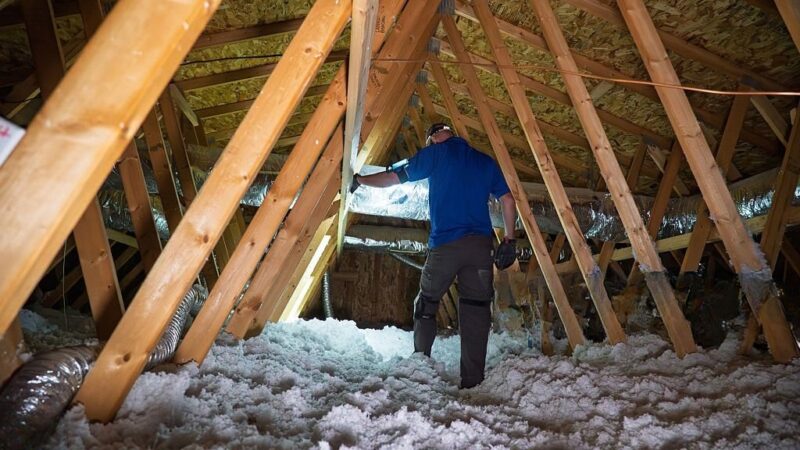
Weather can change your home’s indoor air quality in ways that are easy to overlook. Heat, humidity, wind, rain, storms, and outdoor pollution can all affect ventilation, moisture levels, HVAC performance, and the pollutants that enter or accumulate indoors. Staying ahead of these changes with proper filtration, humidity control, air sealing, and routine AC maintenance in Port Charlotte can help keep your home more comfortable and your indoor environment more consistent year-round. Improvements such as attic insulation in Port Charlotte can also help reduce heat transfer and support more stable indoor temperatures.
At Dale’s AC as a trusted HVAC company in Port Charlotte, we can help you prepare your home for Florida’s changing weather with residential HVAC services in Port Charlotte, including AC installation in Port Charlotte, AC replacement in Port Charlotte, and air conditioning repair in Port Charlotte. We can also help address Indoor air quality in Port Charlotte with filtration, purification, humidity control, and other solutions tailored to your home. If you need Commercial HVAC services in Port Charlotte for your business, we can help with those needs, too. Call us today at (941) 629-1712 or contact us to schedule service and ask about available financing options.